Harvard Justice with Michael Sandel: episode guide and study notes

The same principle gets opposite verdicts in two similar cases (5:22). Nearly everyone would steer the trolley to kill one instead of five; most would refuse to push a man off a bridge to get the same result.
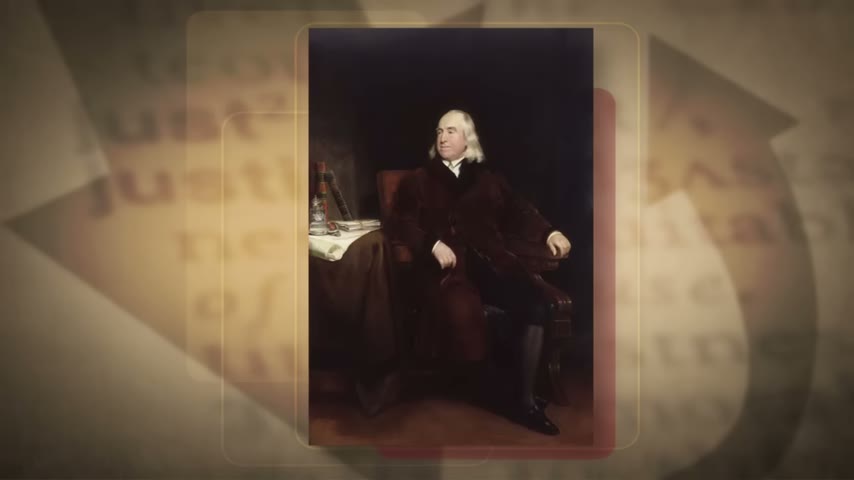
Utilitarianism in one line: maximize the balance of pleasure over pain, summed over everyone (1:27). Bentham treats a community as just the sum of its members, so lawmakers should add up benefits and subtract costs.

Mill's defence of rights may protect people for the wrong reason (2:43). If rights only matter because they pay off in the long run, they can be dropped whenever they don't.
Locke's natural rights to life, liberty and property exist before any government (0:59), and no legislature, however democratic, may override them.
For Locke, the consent that matters is joining society, not agreeing to each law (1:22). A sergeant may order a soldier to his death but may not take a penny of his pay.
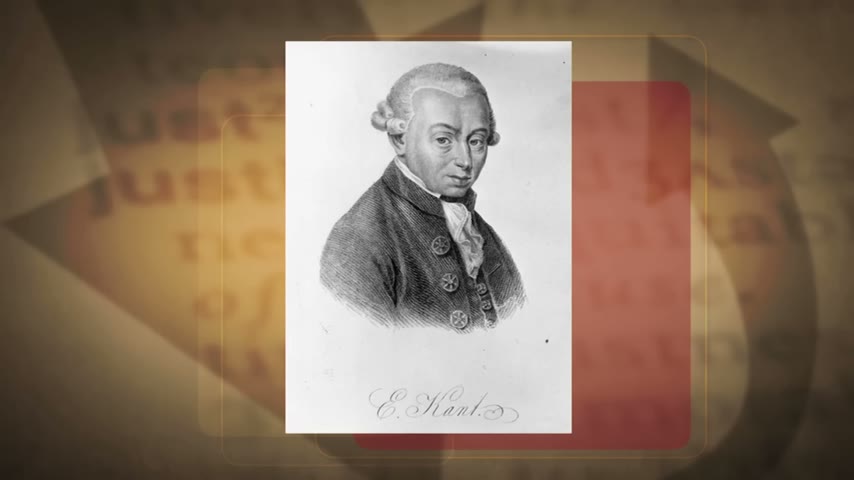
For Kant, dignity rests on our capacity for reason and autonomy, not on owning ourselves

Duty and autonomy are compatible because the moral law is one we give ourselves (1:56). Pure reason, shared by all, guarantees we all give ourselves the same law.
Two principles come out of the veil of ignorance: equal basic liberties first, then the difference principle, which allows only inequalities that help the least well-off
Hopwood frames the question: is it unfair to count race in admissions when a rejected applicant had higher grades and test scores than some admitted ones (1:41)?
Arguments about justice are often arguments about purpose and honour at the same time. That is the claim Sandel tests through two examples
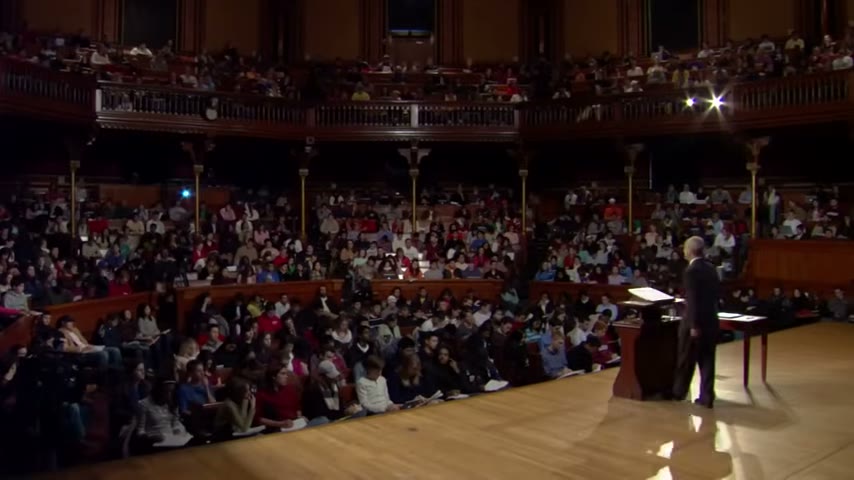
Two ideas of freedom are in play: Aristotle's, realising your potential in roles that fit you, and Kant's, autonomy as acting on a law you give yourself

There are two ways to tie justice to the good. The relativist way makes justice mere convention; the non-relativist way grounds rights in the moral worth of the ends they serve
Watch the video
Watch the original video on YouTube
Justice: What’s The Right Thing To Do? is Michael Sandel’s Harvard course on moral and political philosophy, published by Harvard University on YouTube. It runs through 12 episodes of about 55 minutes. Each episode holds two lectures (Part One and Part Two), so the series has 24 lectures in all. Every lecture starts from a hard case, like a runaway trolley, a pay gap, an admissions decision or a golf cart, and builds the theory out of the students’ arguments.
It suits anyone who wants a serious but jargon-light introduction to utilitarianism, libertarianism, Kant, Rawls, Aristotle and communitarianism. No background is needed. Our handouts give you each episode’s argument map in our own words, with timestamps back to the video.
Episodes
| # | Video | Length | What you learn | Our handout |
|---|---|---|---|---|
| 01 | The Moral Side of Murder | 55 min | Consequentialist versus categorical moral reasoning, through the trolley problem and a lifeboat cannibalism case. | Episode 01 notes |
| 02 | Putting a Price Tag on Life | 55 min | Bentham’s utilitarianism, cost-benefit analysis, and Mill’s defence of higher pleasures. | Episode 02 notes |
| 03 | Free to Choose | 55 min | Libertarianism: Nozick, Friedman, self-ownership and whether taxing the rich is fair. | Episode 03 notes |
| 04 | This Land Is My Land | 55 min | Locke on property rights, consent and the limits of government. | Episode 04 notes |
| 05 | Hired Guns | 55 min | Markets and consent: paying for military service, and commercial surrogacy. | Episode 05 notes |
| 06 | Mind Your Motive | 55 min | Kant: acting from duty, autonomy and the categorical imperative. | Episode 06 notes |
| 07 | A Lesson in Lying | 55 min | Kant on lying, then the moral force of contracts and Rawls’s veil of ignorance. | Episode 07 notes |
| 08 | What’s a Fair Start? | 55 min | Rawls’s difference principle, the argument from moral arbitrariness, and desert versus entitlement. | Episode 08 notes |
| 09 | Arguing Affirmative Action | 55 min | The Hopwood case, three arguments for affirmative action, and Aristotle’s flutes and telos. | Episode 09 notes |
| 10 | The Good Citizen | 55 min | Aristotle on politics and virtue, the Casey Martin golf-cart case, and Aristotle on slavery. | Episode 10 notes |
| 11 | The Claims of Community | 55 min | MacIntyre’s narrative self, obligations of solidarity, patriotism and loyalty. | Episode 11 notes |
| 12 | Debating Same-Sex Marriage | 55 min | Same-sex marriage and the Goodridge ruling, neutrality, and reasoning about the good. | Episode 12 notes |
The official playlist also contains BBC and NHK extras. They are not part of the 12-episode series and we do not cover them here.
Which philosopher appears where
| Thinker | Main idea in the course | Episodes |
|---|---|---|
| Jeremy Bentham | Maximise the balance of pleasure over pain | 02 |
| John Stuart Mill | Utilitarianism with higher and lower pleasures | 02 |
| Robert Nozick, Milton Friedman | Libertarian self-ownership; free markets; limits on redistribution | 03, 08 |
| John Locke | Natural rights, property and consent | 04 |
| Immanuel Kant | Duty, autonomy and the categorical imperative | 06, 07, 11, 12 |
| John Rawls | Veil of ignorance, the difference principle, reflective equilibrium | 07, 08, 09, 12 |
| Aristotle | Justice as giving people their due; reasoning from purpose (telos) | 09, 10, 12 |
| Alasdair MacIntyre, Michael Walzer | The narrative self; justice relative to shared meanings | 11 |
Suggested reading order
- Watch in order if you can. The course is a running argument: each theory is introduced as a reply to the weaknesses of the last, and later lectures refer back to earlier students and cases.
- Short on time? Take the Rawls core: Episode 07 for the veil of ignorance, then Episode 08 for the difference principle. That is the centre of the course.
- For the second half’s big debate, liberal neutrality versus reasoning about the good, read Episode 10 (Aristotle), Episode 11 (community and loyalty) and Episode 12, where Sandel argues for his own view.
- Applied ethics first? Start with Episode 09 (affirmative action) or Episode 05 (markets in military service and surrogacy), then go back for the theory.
FAQ
How many episodes are in Harvard's Justice with Michael Sandel?
The main series, Justice: What's The Right Thing To Do?, has 12 episodes of about 55 minutes each. Each episode contains two lectures, Part One and Part Two. The official playlist also includes some BBC and NHK extras, which are not part of the 12-episode course.
Do I need a philosophy background to follow Sandel's Justice?
No. Each lecture starts from a concrete case, such as a runaway trolley, a pay gap or a golf cart, and builds the theory from the class discussion. It helps to watch in order, because later episodes compare utilitarians, libertarians, Kant, Rawls and Aristotle.
Which philosophers does the Justice course cover?
In order: Bentham and Mill (utilitarianism), Nozick and Friedman (libertarianism), Locke (property and consent), Kant (morality and autonomy), Rawls (justice as fairness), Aristotle (justice and purpose), and communitarian critics such as MacIntyre and Walzer.
Studying another course? Paste its YouTube or Bilibili link on the home page to request a handout — or make your own with the desktop app (coming soon).