Justice (Sandel) Ep 4, This Land Is My Land — notes and timestamps
Watch the video (55 min)
Watch the original video on YouTube
Episode 4 of Michael Sandel’s Harvard course is about John Locke, the philosopher libertarians claim as their ancestor. Part One covers the state of nature, unalienable rights and Locke’s labor theory of property. Part Two asks what consent can and cannot do once we leave the state of nature, with taxes and military conscription as test cases. It continues directly from Episode 3, which ended by tracing self-ownership back to Locke. For the full course map, see the course index.
Key takeaways
- Locke’s natural rights to life, liberty and property exist before any government (0:59), and no legislature, however democratic, may override them.
- Those rights are unalienable: you cannot give them up, even to yourself (6:24). This is the first way Locke departs from libertarians.
- Property comes from mixing your labor with unowned things, with the proviso that enough and as good is left for others (9:08).
- We leave the state of nature by consenting to be bound by the majority (33:19), because a world where everyone punishes everyone is insecure.
- What counts as your property is defined by the government you consented to (38:41). Taxation by majority vote is therefore legitimate.
- The real limit is non-arbitrariness: general laws may tax or conscript; singling people out may not (49:28).
Chapter notes
0:31 – 3:18 Locke as the libertarian’s ally
At first sight Locke supports everything the libertarians of Episode 3 said (0:31). There are basic rights no government can override; they include life, liberty and property; and property is natural, not created by law. To show this, Locke imagines a state of nature before government. People there are free and equal, with no born kings and serfs. But it is a state of liberty, not of licence, because a law of nature still applies.
3:18 – 8:39 The law of nature and unalienable rights
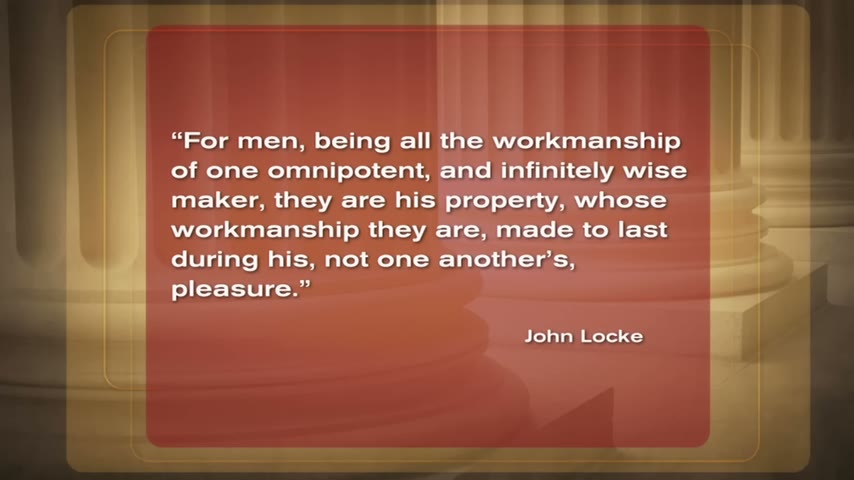
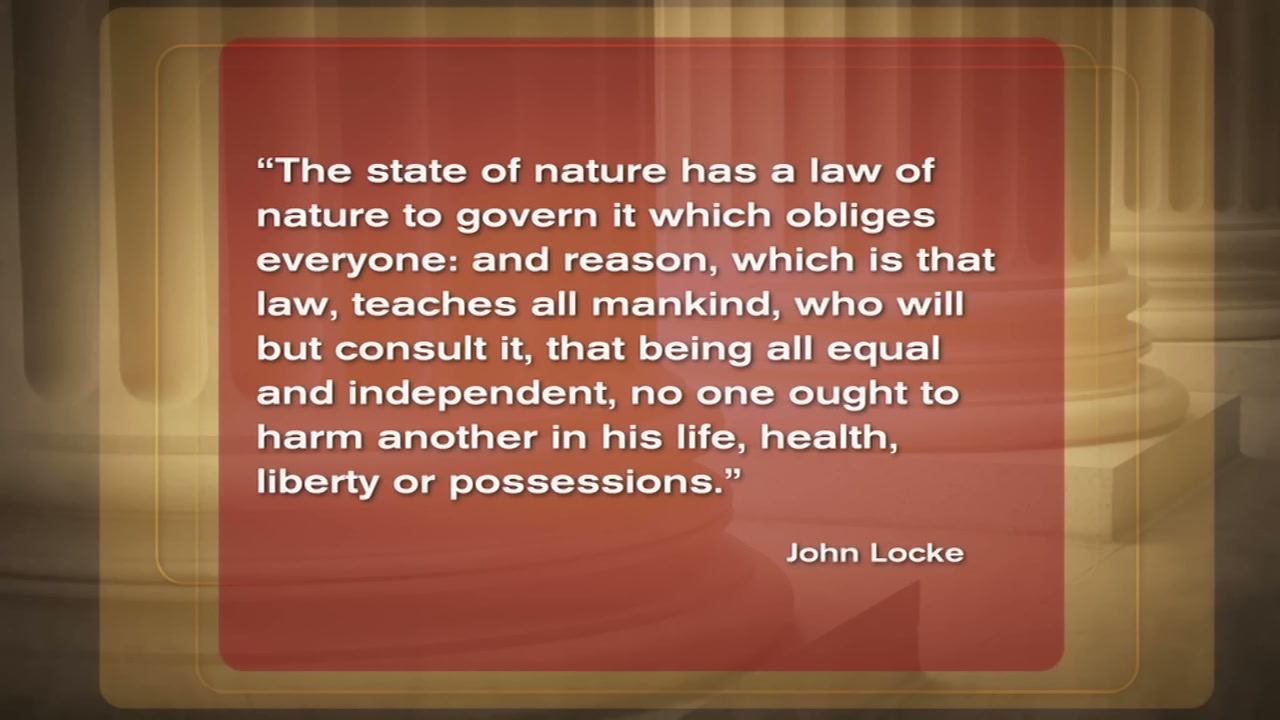
The law of nature has one constraint: you may not take anyone’s life, liberty or property, and you may not give up your own. No suicide, no selling yourself into slavery. Locke gives two grounds. The first is theological: we are God’s workmanship and so God’s property. The second is for readers who don’t share that faith: reason, which teaches that being free and equal means no one should harm another.
Sandel explains “unalienable” with non-transferable tickets. You can use a Red Sox ticket but not sell it, which makes it less fully yours. With life and liberty the effect is the reverse: a right so much yours that you cannot trade it away is more deeply yours (7:18). Jefferson took this idea into the Declaration of Independence.
Our note: here Locke and Nozick split. The libertarian says I own myself and may do anything with myself. Locke says my rights are so basic that even I lack the authority to dispose of them. Keep this in mind for Part Two, where Sandel turns it into a puzzle.
8:39 – 12:19 Property through labor
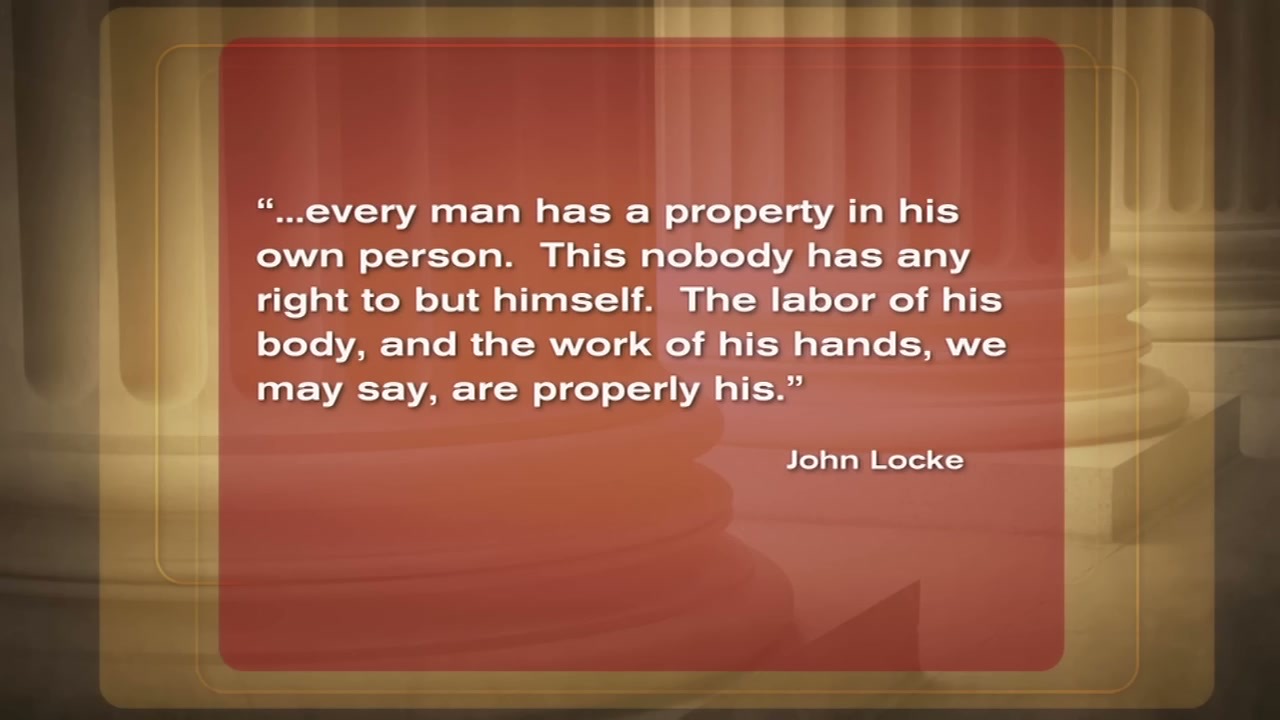
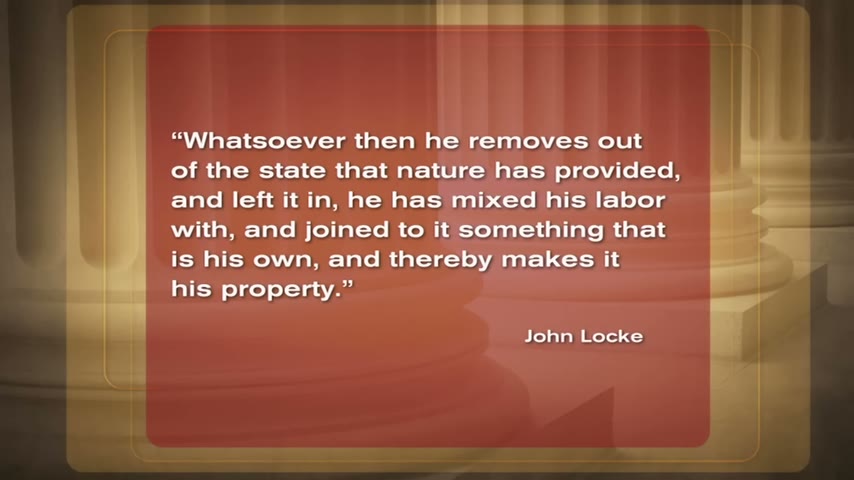
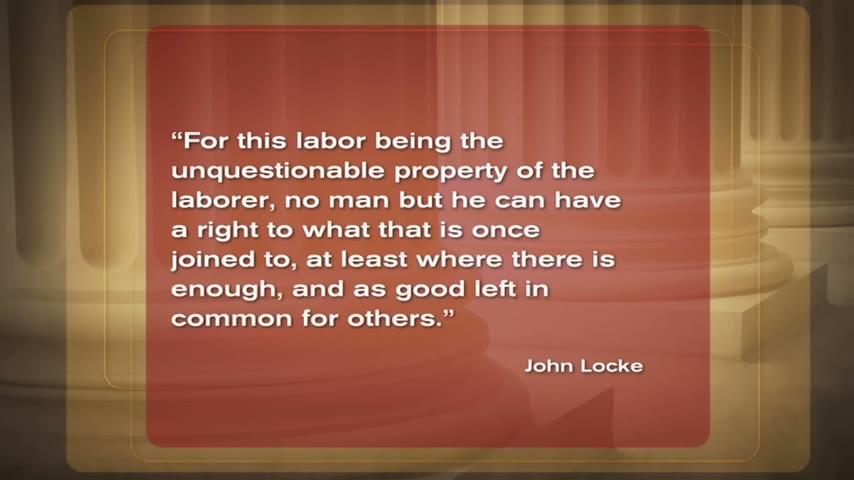
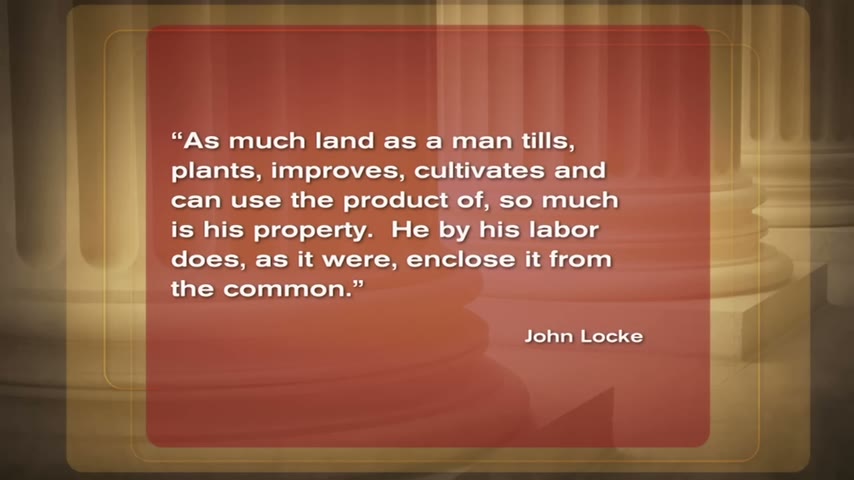
Whatever you take from nature and mix your labor with becomes yours, “at least where there is enough and as good left in common for others” (10:01). It covers not just acorns, deer and fish but land: as much as a person tills, plants and can use. So on property Locke again looks like a strong ally of the libertarian.
12:19 – 15:20 A modern state of nature: drug patents
Sandel’s example of a property dispute with no shared law (12:19): during the AIDS crisis South Africa planned to buy cheap generic antiretrovirals copied by an Indian manufacturer. The US and the drug companies sued, and the industry eventually backed down. With no single international patent law, property rules between nations are, in Sandel’s phrase, the last frontier of the state of nature, settled only when countries reach an agreement.
15:20 – 21:31 Debate: a justification for colonization?
- Rachelle argues Locke’s account fits European settlement of North America (15:20): land Native Americans hadn’t cultivated could be taken. She suspects it was a rationalization rather than a valid argument.
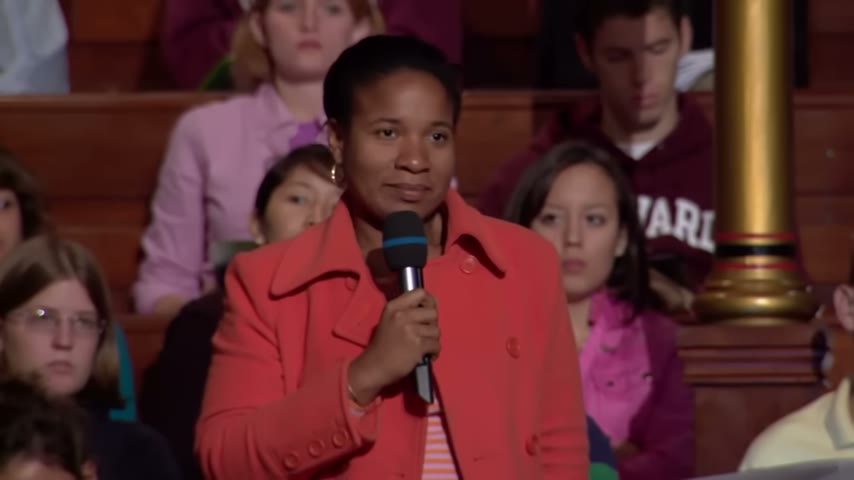
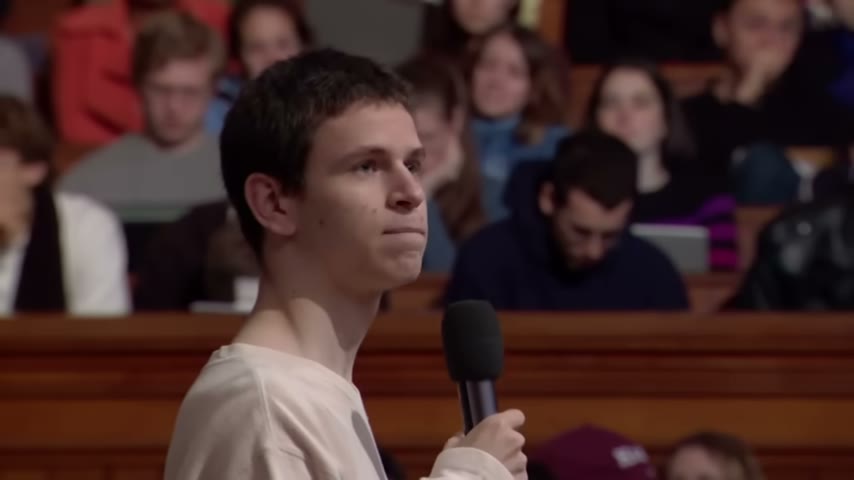
- Dan defends Locke in two ways. The conflict might have been a state of war, ended only by consent. And Native Americans did use the land; by Locke’s own logic, hunting and gathering on it could create a property claim.
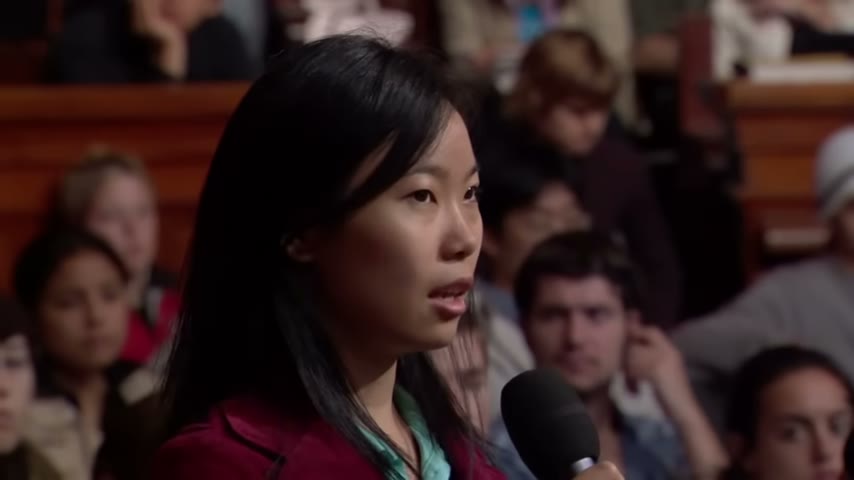
- Fang adds that Locke forbids taking land held in common and requires enough and as good for others, which could support Native American claims.
Sandel’s takeaway: if the argument is good, it justified the settlers; if bad, it was a rationalization. Either way, Dan and Fang show a case for Native Americans could be built inside Locke’s own framework.
21:31 – 25:14 What becomes of natural rights under government?
Natural rights persist once government exists, and no law may violate them. That sounds like a libertarian’s limited government. But Sandel flags a twist: although government must respect property, it is government that defines what counts as property and as respecting it (24:17). Is Locke contradicting himself? Part Two answers that.
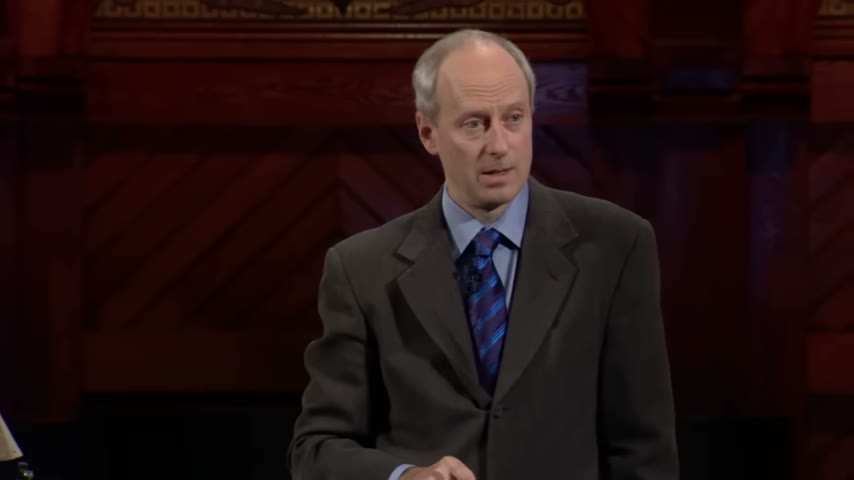
25:49 – 33:46 Part Two: why leave the state of nature?
Sandel notes that consent has come up all along: the fat man didn’t agree, and a lottery in the lifeboat would have changed things. Locke is the great philosopher of consent, but his account has puzzles.
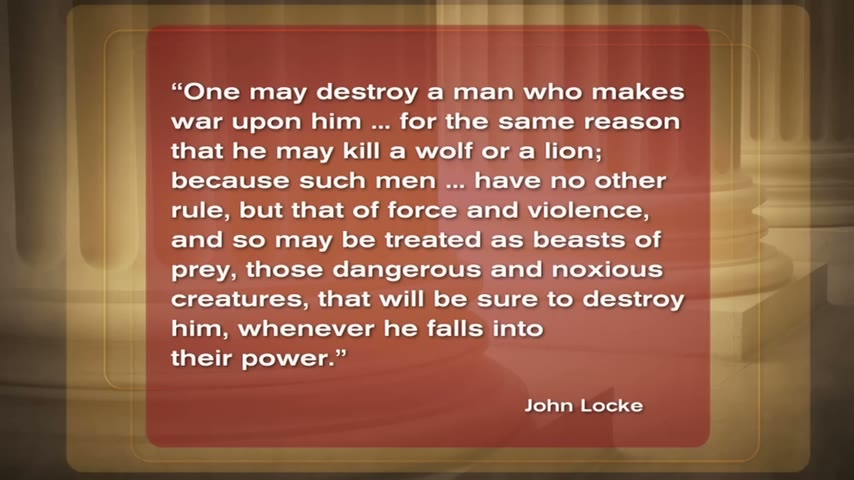
The state of nature has one big inconvenience. Everyone is the “executor” of the law of nature and may punish offenders, even with death, including thieves. People judging their own cases overreact. Locke’s language is harsh: aggressors “may be treated as beasts of prey” (32:25). So the seemingly peaceful state of nature is in practice violent and insecure. The only way out is to agree to give up that enforcement power and accept a legislature and majority rule.
33:46 – 41:00 Ben’s challenge and sections 138–140
Can the majority tax the rich for redistribution? Ben says no: taxing a minority without its consent takes property. Sandel supplies the text.
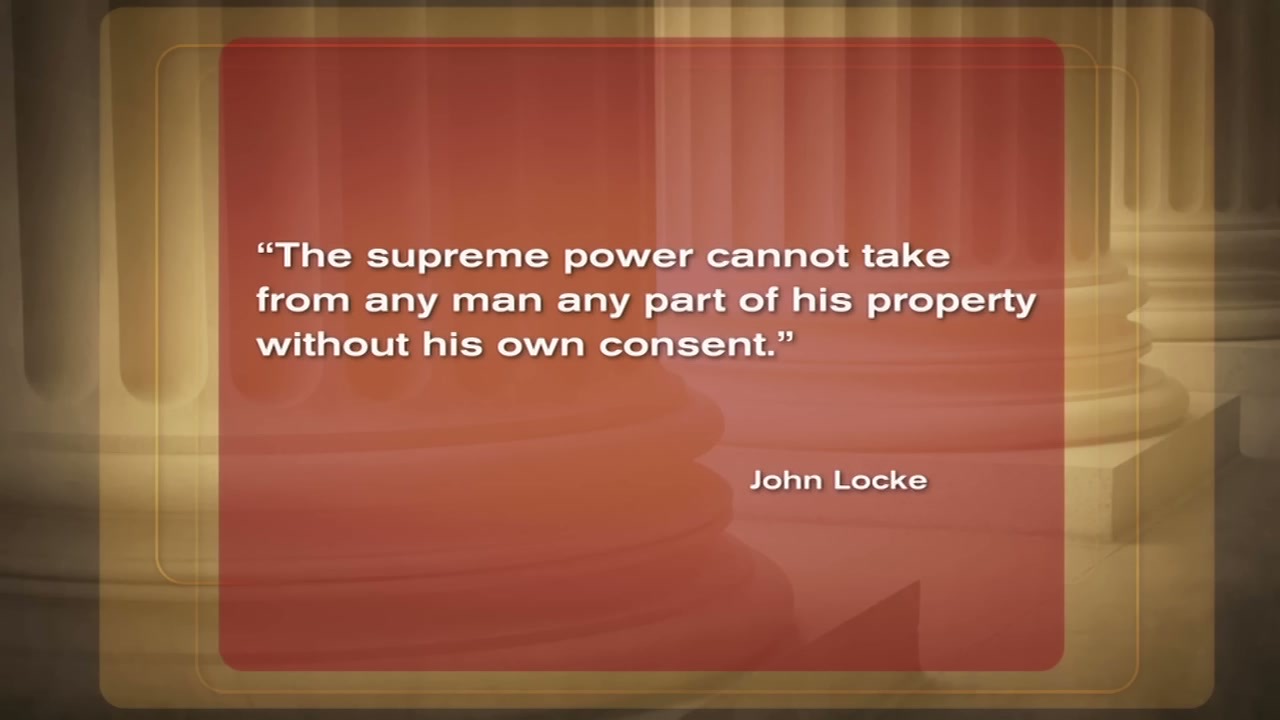
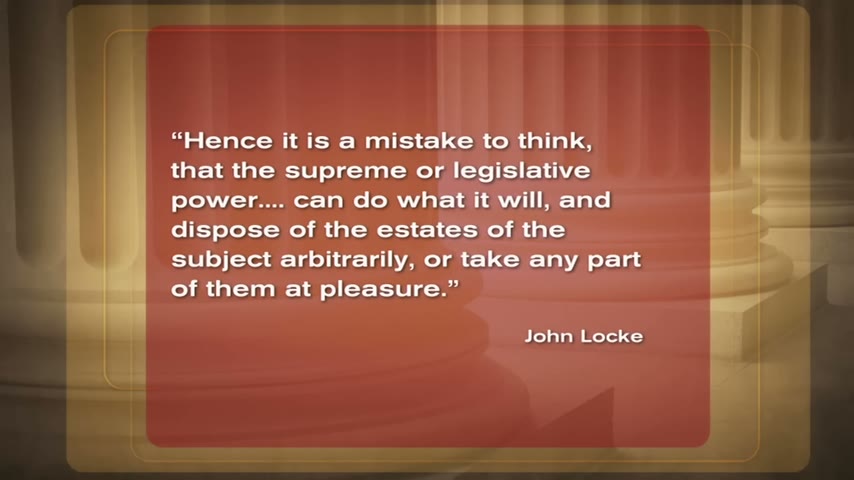
But section 138 continues: people have a right to the goods “which by the law of the community are theirs”. Section 140 settles it.
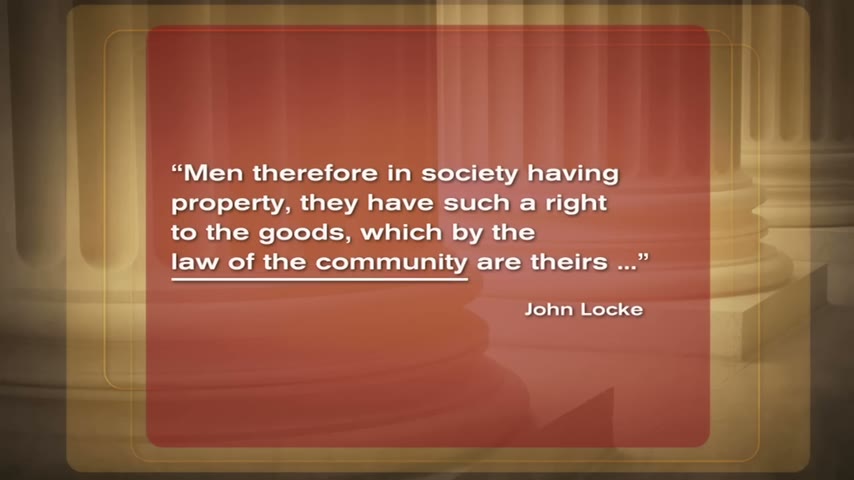
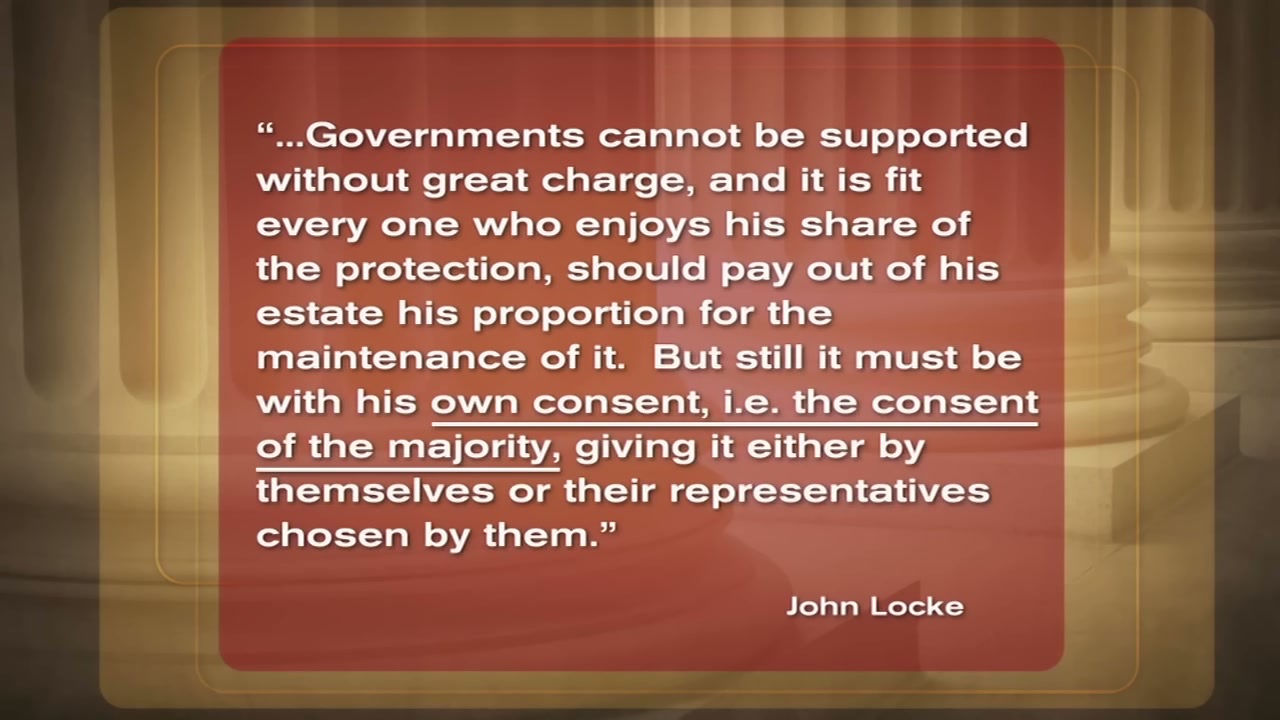
Sandel’s resolution: property is natural in one sense and conventional in another. It is natural that there must be property and that government may not take it arbitrarily. What counts as property, and what counts as taking it, is for the consented-to government to define. So the limited government is “not all that limited”.
41:00 – 44:37 Tacit consent: Nicola and Mass Ave
Nicola objects that she never signed a social contract; her ancestors did (41:00). Another student offers Locke’s answer: using government services implies consent. Nicola isn’t convinced. She admits she would not pay taxes if she knew she wouldn’t get caught; she obeys out of prudence, not obligation. A classmate replies that she cannot take the services without paying: she may return to the state of nature, Sandel adds, but then she can’t drive on Mass Ave.
44:37 – 50:21 Conscription and the arbitrariness test
Sandel raises the stakes from property to life. Eric states the puzzle: if we cannot give up our own lives, how can we consent to a majority that sends us to die? Gogol suggests the answer: there is a difference between singling out individuals and a lottery or general law, which works like electing representatives to fight for everyone.
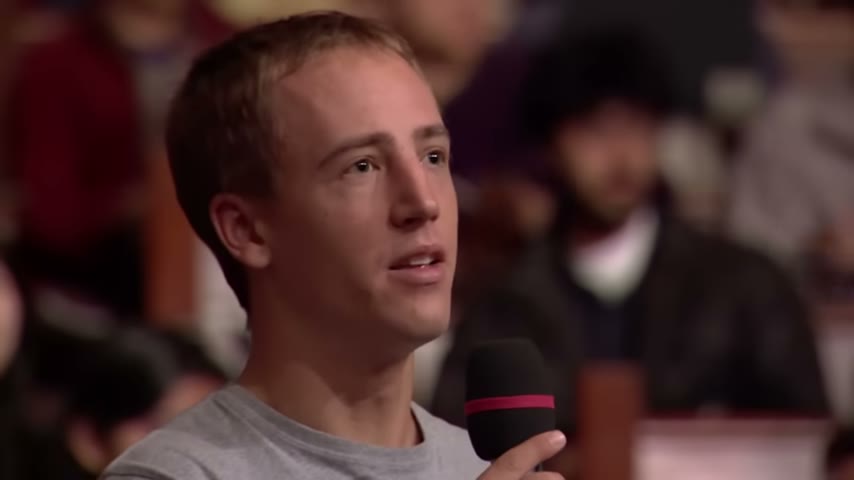
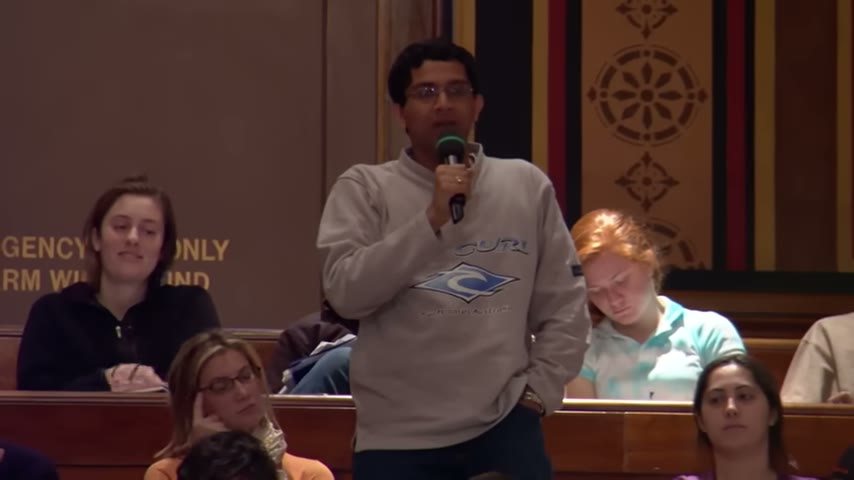
Sandel thinks this is Locke’s actual answer. What Locke opposes is arbitrary power: taking Bill Gates’s fortune alone to pay for a war, or picking one person to fight. A general law passed by fair procedures does not violate rights, because it keeps the rule of law (49:54).
50:21 – 53:26 Two disappointments, and Locke’s darker side
Libertarians have two reasons to be disappointed in Locke (50:21). Rights are unalienable, so I do not fully own myself. And once there is consent, the only limit is non-arbitrariness: majority taxation and conscription are allowed.
Sandel ends with the “darker side”. The great theorist of consent built a theory of property that needs no consent. Locke wrote that “in the beginning all the world was America”, and he served as an administrator for a colony. Sandel suggests, picking up Rachelle’s point, that justifying enclosure in America may have mattered to him as much as restraining kings. Next: the limits of consent in markets.
Skip list
- 0:00 – 0:31 Funding credits.
- 12:19 – 15:20 The AIDS drug patent example is a side illustration; skim it.
- 25:14 – 25:49 A preview of Nicola’s exchange, which plays in full at 43:16.
- 25:49 – 28:28 Recap of Part One.
- 53:52 – end Website promo and credits.
Glossary
- State of nature — the condition before government, used to work out which rights people have independent of law.
- Law of nature — the moral law binding even in the state of nature: don’t take anyone’s life, liberty or property, including your own.
- Unalienable rights — rights you cannot give up or transfer, even by your own choice.
- Labor theory of property — Locke’s view that mixing your labor with unowned things makes them yours.
- Lockean proviso — the condition that appropriation must leave “enough and as good” for others.
- Tacit consent — consent implied by conduct, such as using government services, rather than an explicit agreement.
- Arbitrary taking — singling out a person’s property or life outside general, duly enacted law; Locke’s real limit on government.
FAQ
How does Locke say private property can exist before government?
Each person owns their own person and therefore their labor. When you mix your labor with something unowned, such as fruit you gather or land you till, it becomes yours, provided enough and as good is left for others.
What does it mean that Locke's natural rights are unalienable?
You cannot give them up or trade them away, even voluntarily. For Locke you may not take your own life or sell yourself into slavery. Sandel points out this makes the rights more deeply yours but also means you don't own yourself in the libertarian sense.
Can a Lockean government tax people or draft them into the army?
On Sandel's reading, yes, as long as it acts through general laws passed by a majority that citizens consented to join. What Locke forbids is arbitrary taking, such as singling out one person's property or one person's life.
Why does Sandel say Locke has a darker side?
Locke, the great theorist of government by consent, built a theory of property that needs no consent. Sandel suggests, following a student's point, that it may have been meant partly to justify colonists enclosing land in America that Native Americans had not fenced.
Studying another course? Paste its YouTube or Bilibili link on the home page to request a handout — or make your own with the desktop app (coming soon).