Justice (Sandel) Ep 9, Affirmative Action — notes and timestamps
Watch the video (55 min)
Watch the original video on YouTube
Episode 9 of Michael Sandel’s Justice course moves the desert-versus-entitlement question from income to university admissions. Part One is a long class debate on affirmative action built around the Hopwood case, which Sandel sorts into three arguments. Part Two asks whether a university may define its mission however it likes, then turns to Aristotle, the first thinker in the course who ties justice directly to desert and purpose. Watch Episode 8 first: the whole discussion leans on Rawls’s distinction between moral desert and entitlement. The course index lists every episode.
Key takeaways
- Hopwood frames the question: is it unfair to count race in admissions when a rejected applicant had higher grades and test scores than some admitted ones (1:41)?
- Three distinct arguments emerge: corrective, compensatory and diversity. They rest on different principles and face different objections (16:21).
- The diversity argument depends on rejecting desert: if no one deserves admission, the institution’s mission decides what counts as merit (23:23).
- But “mission” cuts both ways. Segregated Texas and quota-era Harvard also invoked their missions; students propose inclusion versus exclusion and malice as the difference (31:09).
- Modern theories of every stripe separate justice from desert. Aristotle does not, and his flute example shows why the purpose of a thing matters to how it is distributed (41:10).
Chapter notes
Part One
0:30 – 4:03 From desert to admissions: the Hopwood case
Sandel recalls Rawls’s claim that distributive justice is not about rewarding desert. To test it outside the realm of money, he turns to hiring and admissions. Cheryl Hopwood did not come from an affluent family. She worked her way through community college and California State University, Sacramento, earned a 3.8 grade point average, moved to Texas and applied to the University of Texas law school. She was rejected at a time when the school counted race and ethnicity, pointing out that about 40 percent of Texans were African-American or Mexican-American. Trial statistics showed that minority applicants with her academic index were admitted. She went to federal court.
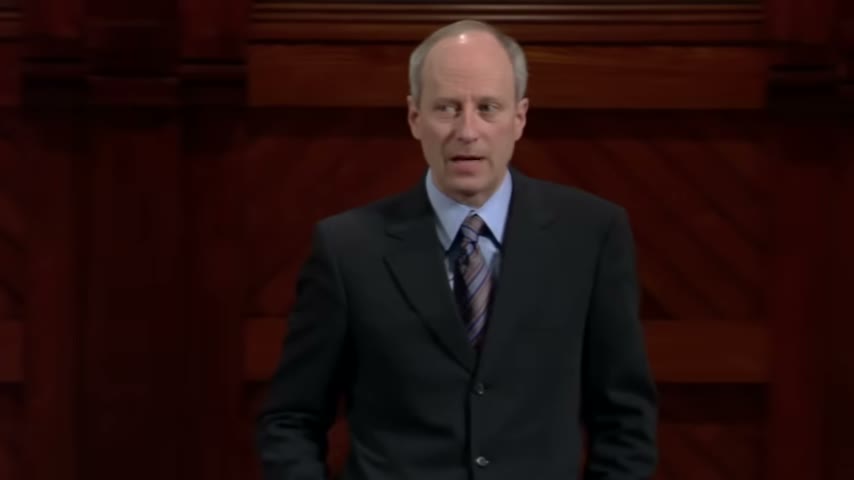
Sandel sets the law aside and asks only whether the policy was fair. His show of hands splits the room.

4:03 – 16:22 The class argues it out
This is one of the liveliest exchanges in the series. The main moves:
- Bri: race is a factor Hopwood could not control, so it is unfair to count it.
- Anisha: minority students often attend underfunded schools, so the same score can mean more coming from them. Sandel notes this still aims at academic promise; it just reads the numbers more carefully.
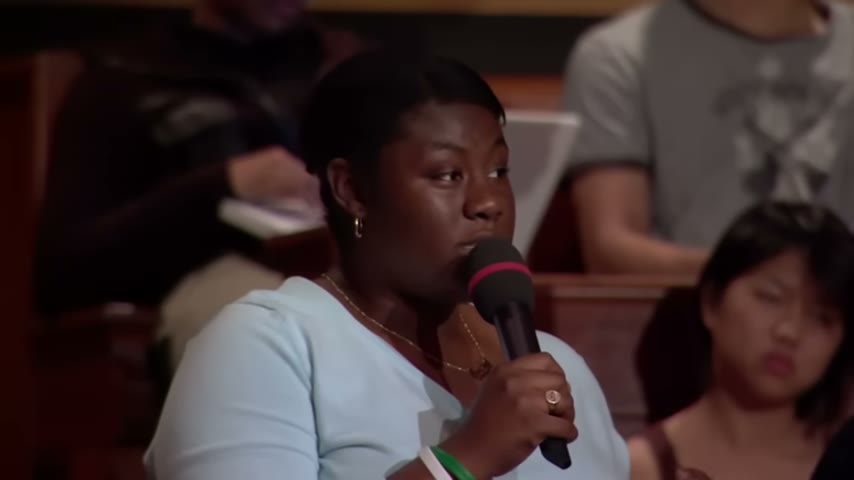
- David: affirmative action is a temporary remedy for slavery and segregation.
- Kate: past wrongs do not justify discrimination now; fix schools and fund programs like Head Start instead of “fixing the result”.

- Hannah: white Americans have benefited from their own preferences for centuries through nepotism, and legacy admissions favour mostly white applicants.
- Danielle: if this is compensation, why do groups not historically wronged in the US benefit? And may it entrench racial division?
- Ted: Martin Luther King asked to be judged by character, not colour; correct for disadvantage, but there are disadvantaged white applicants too.

- Da: many uncontrollable factors already shape grades, such as having scholarly parents, so “no uncontrollable factors” proves too much.

Notice how often the debate returns to control: what applicants can and cannot help. That is the same moral-arbitrariness theme from Episode 8, now aimed in different directions by different students.
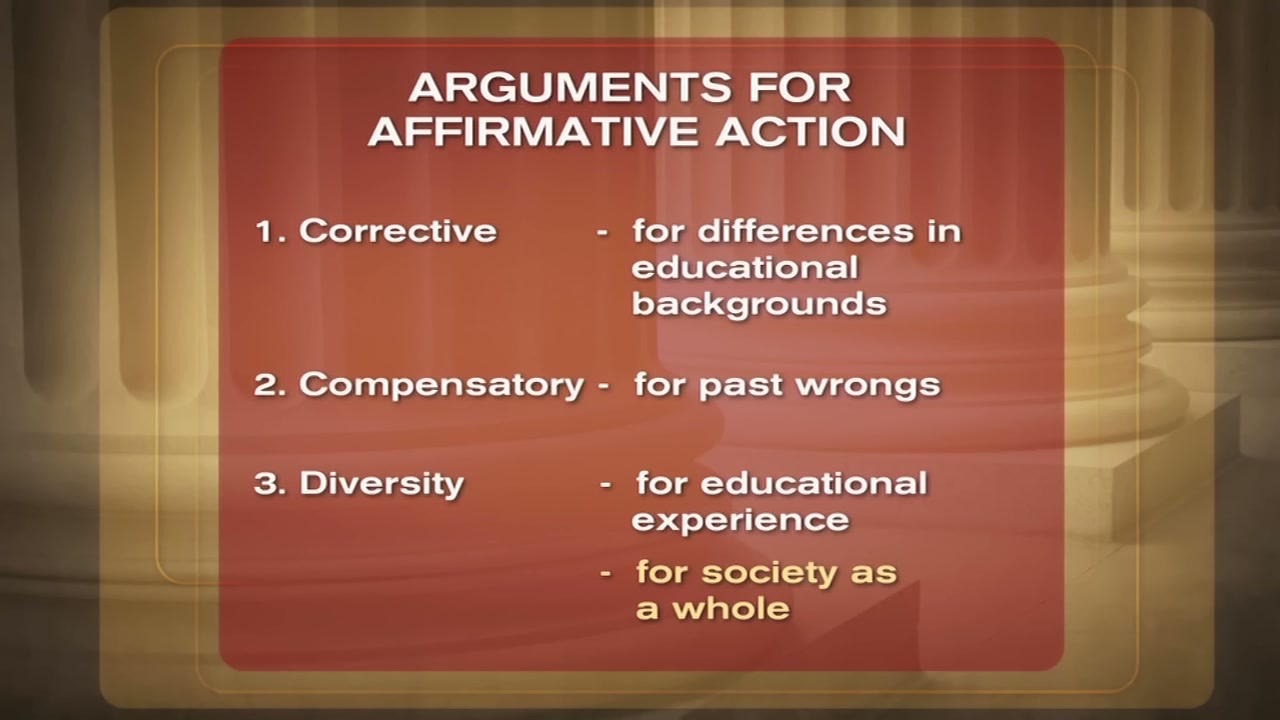
16:22 – 19:27 Three arguments for affirmative action
Sandel steps back and names the arguments:
- Corrective: adjust for differences in educational background to get a truer measure of academic promise. In principle this is consistent with admitting on academic merit alone.
- Compensatory: make up for historic injustice, even where a particular applicant was not personally disadvantaged.
- Diversity: serve the institution’s purpose, either the education of all students (Hannah’s version) or the needs of wider society, such as training leaders for Texas (the university’s version in Hopwood).
19:27 – 22:37 Objections, and Harvard’s diversity brief
The strongest objection to the compensatory argument is personal: is it fair to make Hopwood pay for an injustice she did not commit? Answering it would require a theory of collective responsibility across generations, which Sandel flags and sets aside (it comes back in Episode 11).
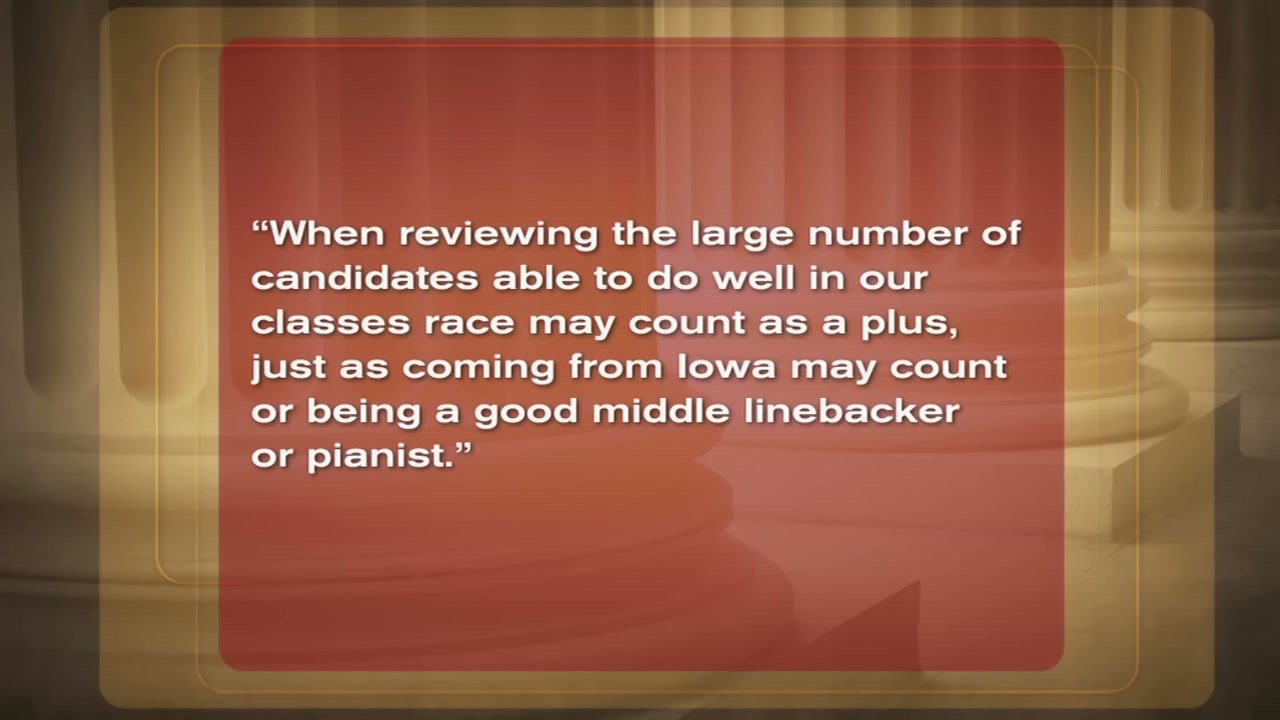
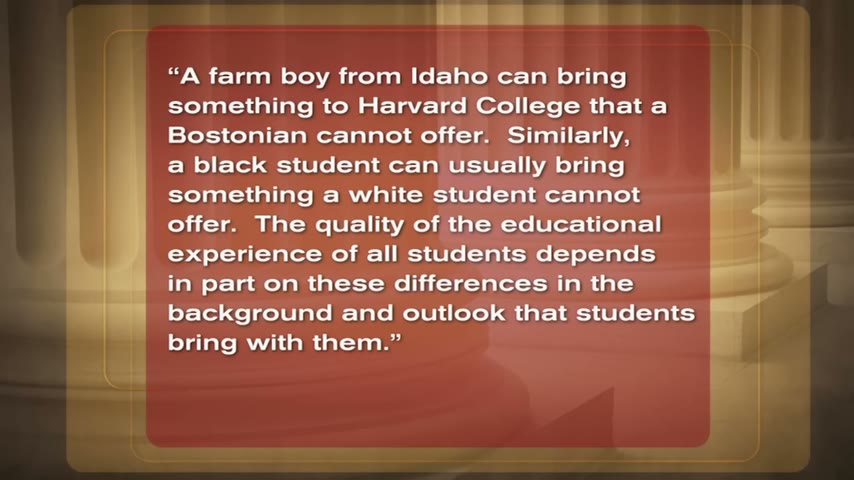
The diversity argument sidesteps that problem because it looks forward to a common good. Sandel quotes the friend-of-the-court brief Harvard filed in the 1978 Supreme Court affirmative-action case, which Justice Powell, the swing vote, cited. Harvard said academic excellence had never been its only criterion. Diversity once meant Californians and New Yorkers, farm boys and violinists, and race was simply being added to that list.
22:37 – 25:43 Does Hopwood have a right?
The diversity argument still has to meet the rights objection Ted raised: is an individual right violated when someone is turned down for the sake of a social mission? The reply is Rawlsian. Nobody deserves admission by any particular criterion. Once a school sets its mission and its criteria, people who meet them are entitled to a place, but nobody deserves a mission that happens to prize the qualities they have in abundance. Sandel’s point is that the affirmative-action debate leads back to the desert question from Episode 8.

Part Two
26:34 – 29:37 Recap: the right to be judged on what you control
Sandel restates the three arguments and the University of Texas version of the diversity rationale: the law school’s mission includes producing lawyers, judges and legislators who reflect the state’s population. He reminds students that Rawls does not let the common good override individual rights, so the question is what right Hopwood might have, perhaps a right not to be judged on factors she cannot control.

29:37 – 35:42 Can a university define its mission any way it likes?
Da objects that being a private institution does not make any mission legitimate. A personal mission to collect all the money in the world would not be a good one just because you chose it. Sandel sharpens this with two historical cases. In the 1950s, the University of Texas law school defended segregation by its mission of training lawyers for Texas firms, which at that time did not hire African-Americans. In the 1930s, Harvard’s president defended anti-Jewish quotas by a mission that included training Wall Street brokers and senators.

So is there a principled difference between those appeals to mission and today’s diversity rationale? Hannah says the difference is inclusion versus exclusion. Stevie says the old policies carried malice: they judged Jews or African-Americans to be less worthy, while affirmative action makes no such judgment. Sandel accepts the point but draws out an uncomfortable consequence. If the only condition is the absence of insult, then every applicant, admitted or rejected, is being used for a social purpose rather than judged on what they deserve.

35:42 – 38:46 The letters a college would have to write
To make the consequence vivid, Sandel reads two imagined letters. The rejection letter tells the applicant it is not their fault that society did not need their qualities, and that the admitted applicants deserve no praise either. The acceptance letter congratulates the student only in the sense that a lottery winner is congratulated, because society proposes to “exploit your assets for society’s advantage” (37:15).
The letters sound odd, and that oddness is the point. If they accurately describe the theory behind admissions, then something in the full detachment of justice from desert does not match how we actually think about honour and achievement.

38:46 – 41:55 Why do modern theories set desert aside?
You might think Rawls separates justice from desert only to leave room for equality. Sandel points out that libertarians, Rawls and Kant all agree that justice is not about rewarding virtue, and they are not all egalitarians. The shared reason, which the course has not yet examined, has to do with freedom and respect for persons as free beings. To see what is at stake, Sandel turns to a thinker who disagrees with all of them.

41:55 – 47:24 Aristotle: justice as giving people their due
For Aristotle, justice means giving people what they deserve. Equals should get equal things, which raises the question: equal in what respect? Aristotle’s answer depends on what is being distributed. Who should get the best flutes? The best flute players. To hand them out by wealth, birth, beauty or chance would be unjust discrimination. All justice discriminates; the question is whether it discriminates by the relevant excellence.
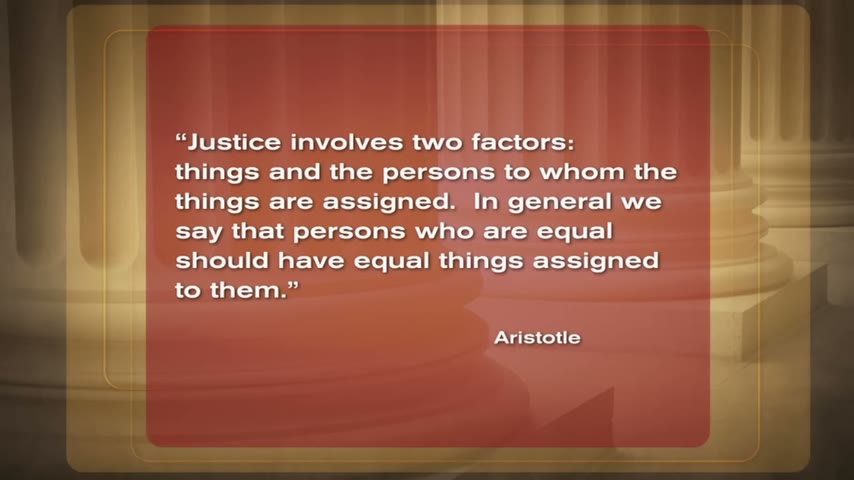
The crucial step is the reason. It is not that the best players make the best music and everyone enjoys it more, which is a utilitarian reason. It is that flutes exist to be played well. The question of who should get them is answered by asking what flutes are for.
47:24 – 53:40 Teleological reasoning, from tennis courts to Winnie-the-Pooh
Reasoning from the goal or end (in Greek, telos) is called teleological reasoning.
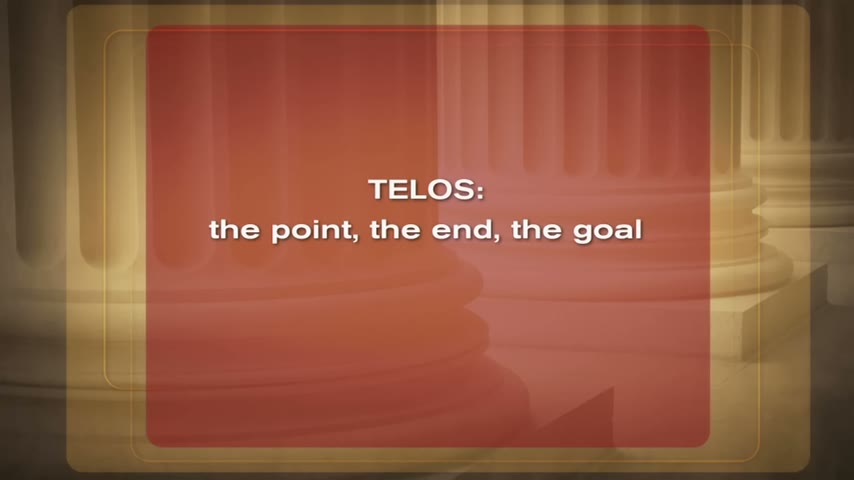
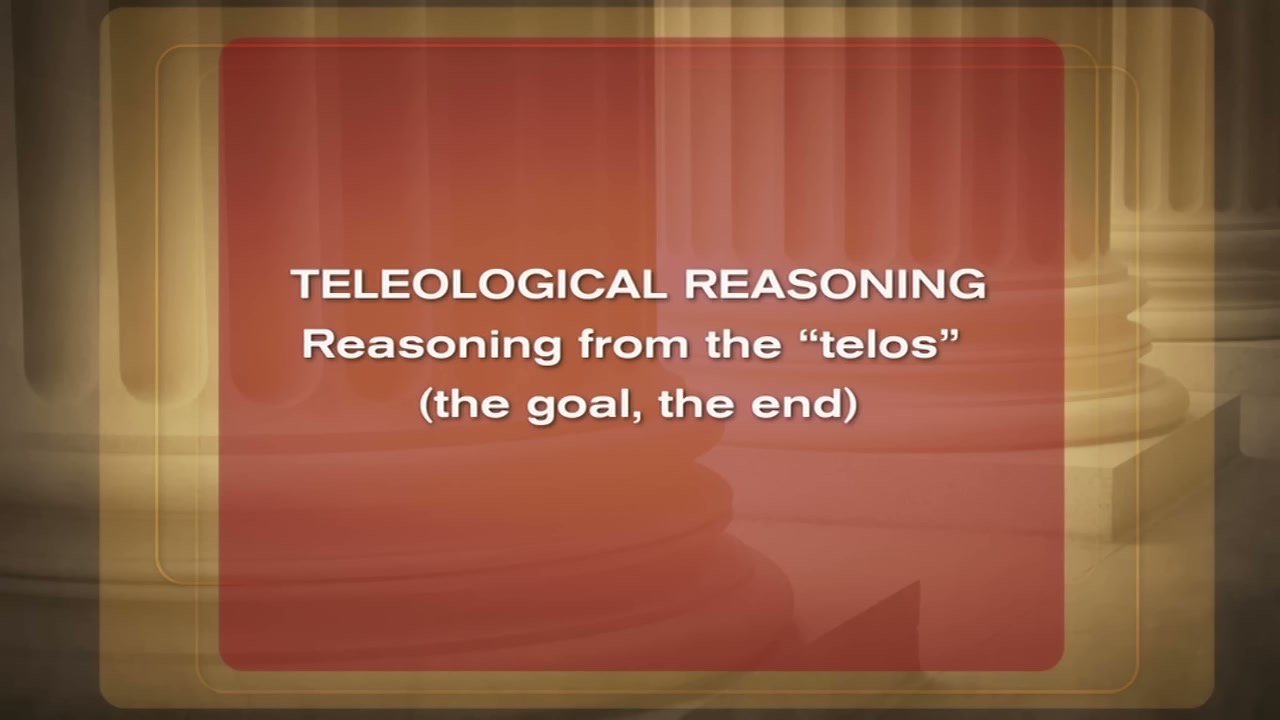
Sandel shows that it still has intuitive pull. Who should get the best tennis courts at Harvard? Not those who can pay most, and not senior faculty. The varsity tennis player should, because of what courts are for. What makes the idea strange to modern ears is that Aristotle read purposes into nature too, a view modern science abandoned. Sandel’s illustration is Winnie-the-Pooh reasoning that a buzzing noise means a bee, bees exist to make honey, and honey exists for him to eat.

He closes by recasting the whole affirmative-action debate in Aristotle’s terms: the disagreement may really be about the proper purpose of a university education. That is the bridge to Episode 10, where Aristotle applies the same reasoning to politics and to golf.
Skip list
- 0:00 – 0:30 Funding credits.
- 25:43 – 26:28 Trailer for Part Two (the flute question).
- 53:40 – 55:00 Website promo and closing credits.
Glossary
- Affirmative action — admissions or hiring policies that count race or ethnicity as a factor.
- Corrective argument — counting background to read grades and test scores more accurately.
- Compensatory argument — counting race to make up for historic injustice.
- Diversity argument — counting race because a diverse student body serves the institution’s educational or social purpose.
- Legacy admissions — preference for children of alumni.
- Moral desert — what someone deserves by a standard prior to the rules; contrasted with entitlement in Episode 8.
- Telos / teleological reasoning — the purpose or end of a thing; reasoning about justice from that purpose.
FAQ
What are the three arguments for affirmative action in Sandel's Justice lecture?
The corrective argument adjusts grades and test scores for unequal schooling. The compensatory argument makes up for past wrongs such as slavery and segregation. The diversity argument appeals to the educational and social mission of the university.
What was the Hopwood case?
Cheryl Hopwood, a white applicant, was rejected by the University of Texas law school while some minority applicants with lower grades and test scores were admitted under its affirmative-action policy. She sued, arguing she was turned down because of her race.
Why does Sandel bring Aristotle into the affirmative action debate?
Modern theorists such as Rawls and Kant separate justice from moral desert. Aristotle ties justice to desert and to the purpose (telos) of the thing being distributed, and Sandel suggests the affirmative-action debate is really a dispute about the purpose of a university.
What is Aristotle's flute example?
Who should get the best flutes? Aristotle says the best flute players, not the richest, best-born or most handsome. The reason is not that this produces the most pleasure but that flutes exist to be played well.
Studying another course? Paste its YouTube or Bilibili link on the home page to request a handout — or make your own with the desktop app (coming soon).