Justice (Sandel) Ep 6, Mind Your Motive — notes and timestamps
Watch the video (55 min)
Watch the original video on YouTube
Episode 6 of Michael Sandel’s Harvard course introduces Immanuel Kant, who Sandel calls the hardest philosopher in the course. Part One explains Kant’s idea of freedom as autonomy and why only the motive of duty gives an action moral worth. Part Two organizes the Groundwork for the Metaphysics of Morals around three contrasts and reaches two versions of the categorical imperative. Kant answers the problem left by Episode 4 and Episode 5: a basis for human dignity that rests neither on utility nor on self-ownership. For the full course map, see the course index.
Key takeaways
- For Kant, dignity rests on our capacity for reason and autonomy, not on owning ourselves (2:47).
- Doing what you want is not freedom; acting on a law you give yourself is (7:37). Following desire is heteronomy.
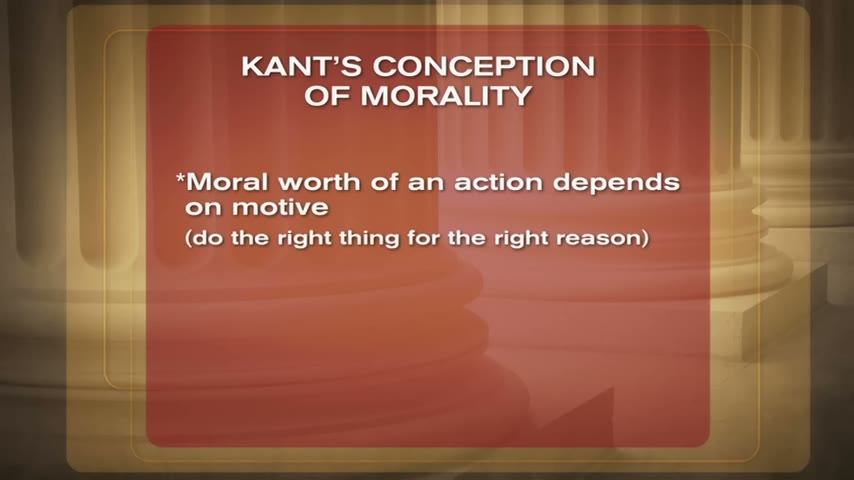
- Moral worth lies in the motive, not the consequences, and only the motive of duty counts (13:46).
- There is one moral law, because it comes from the reason all rational beings share (26:15).
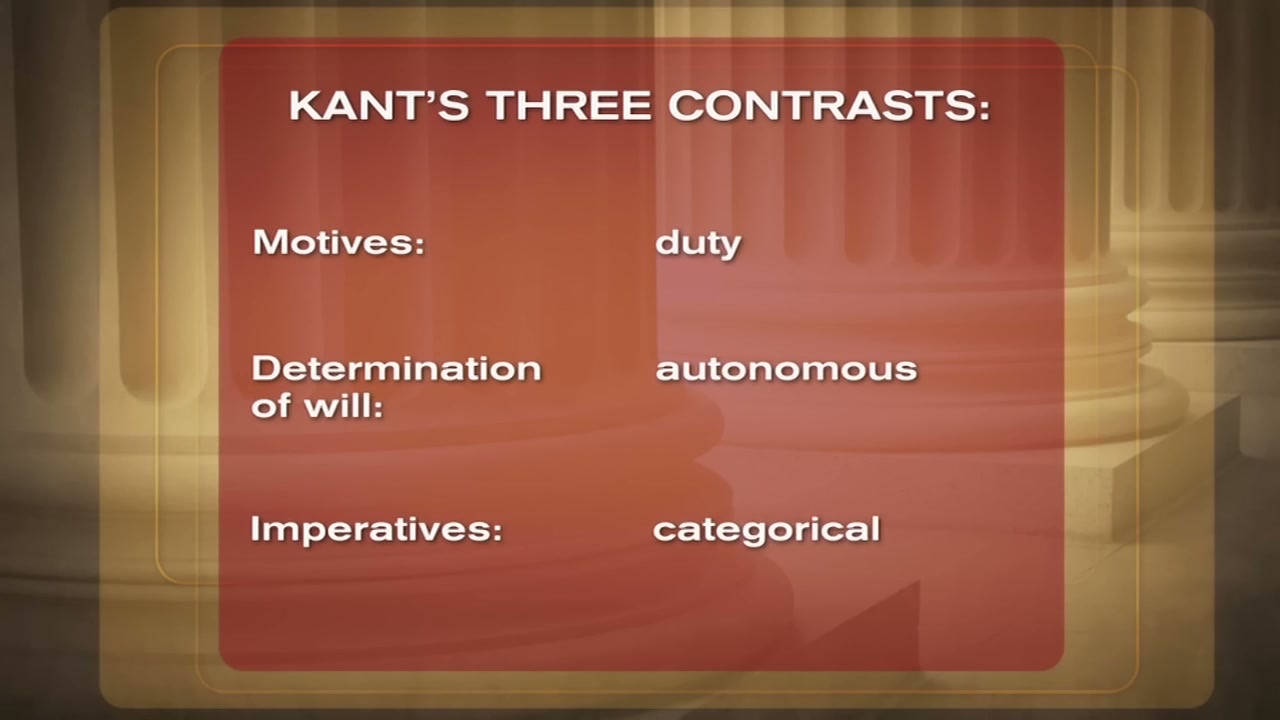
- Three parallel contrasts lead to the categorical imperative: duty/inclination, autonomy/heteronomy, categorical/hypothetical (30:15).
- Two formulas: universalize your maxim, and treat humanity never merely as a means (40:52; 48:04).
Chapter notes
0:33 – 5:02 Why Kant, and what dignity rests on
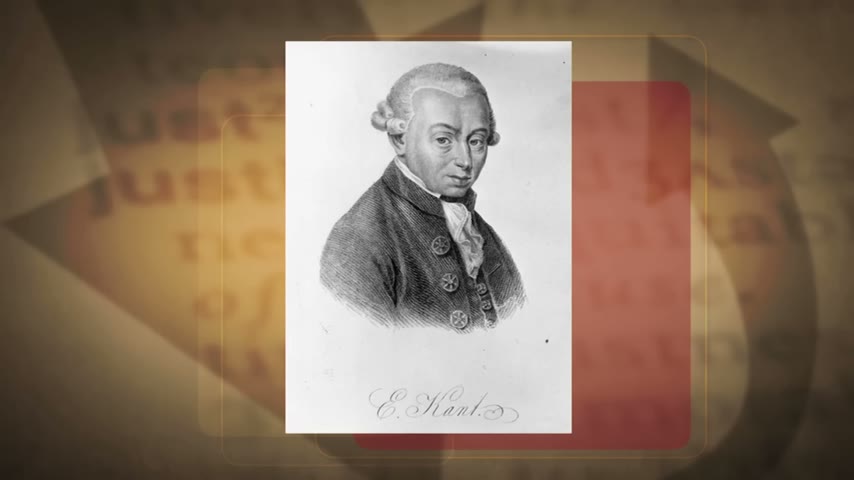
Kant was an unsalaried lecturer at Königsberg, paid by how many students came (0:58). He published his first major work, the Critique of Pure Reason, at 57. The course reads his Groundwork, which asks two things: what is the supreme principle of morality, and how is freedom possible?
Kant rejects utilitarianism, but not the way the libertarians did. Persons are not sacred because they own themselves. They are sacred because they are rational and autonomous beings. Kant grants that the utilitarians were “half right”: we do seek pleasure and avoid pain. He denies that pain and pleasure are our “sovereign masters”, as Bentham claimed in Episode 2.
5:02 – 12:54 Freedom as autonomy
Usually we think freedom means getting what we want without obstacles. Kant disagrees. When we chase pleasure or satisfy an appetite, we are obeying impulses we did not choose, which he treats as natural necessity. Sandel’s example is the old Sprite slogan “obey your thirst”: choosing Sprite over Pepsi feels free, but you are obeying a thirst, or a desire shaped by advertising.
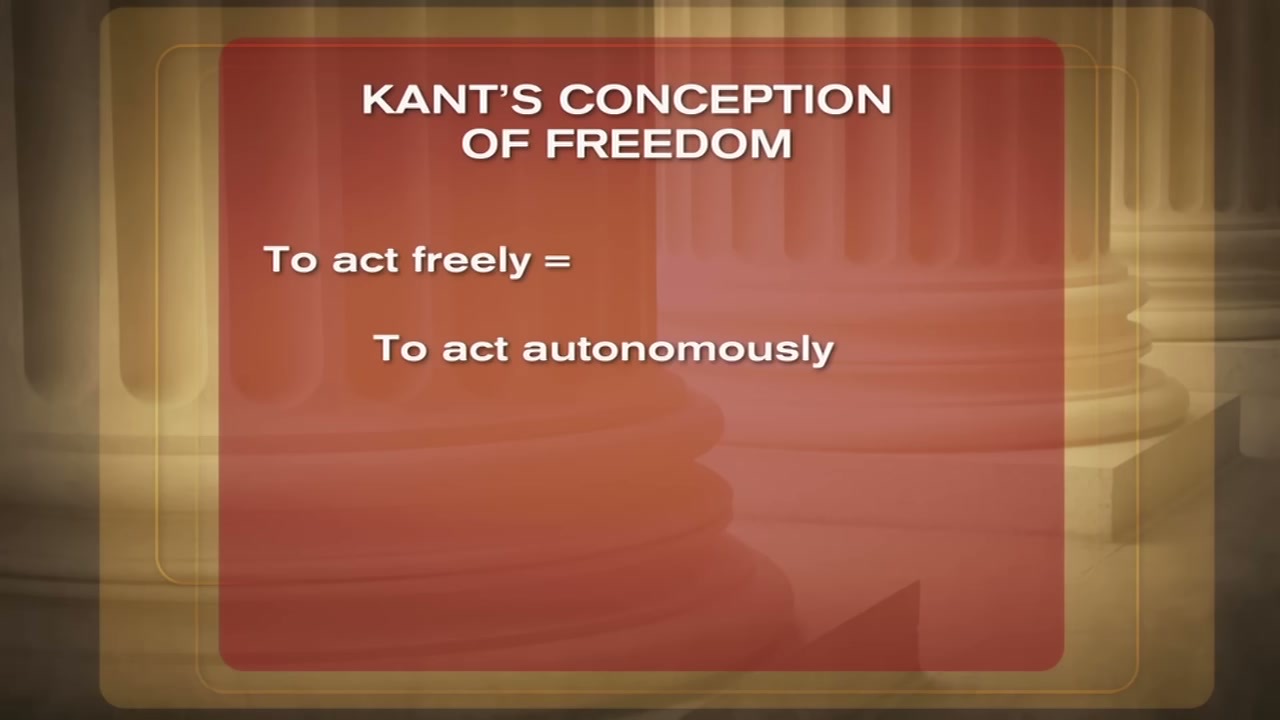
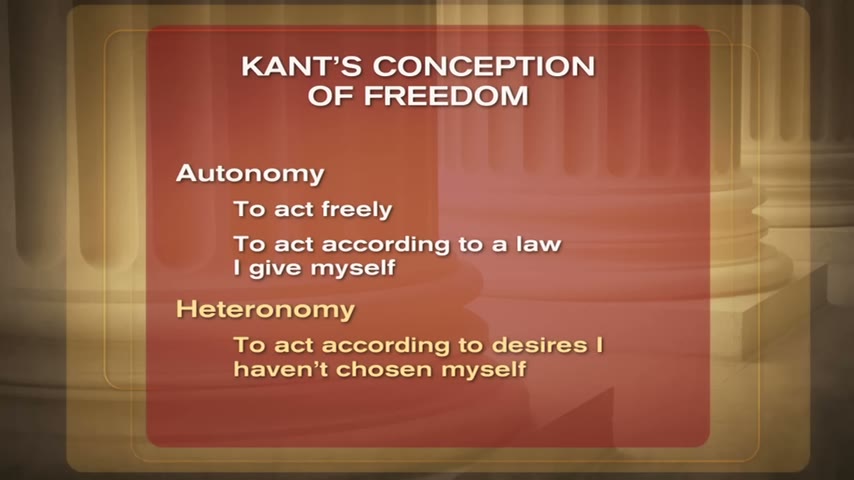
A dropped billiard ball isn’t acting freely; it follows the law of gravity. When we act on inclination, we are instruments of ends given from outside. When we act autonomously, we choose the end itself, which makes us ends in ourselves. That is the source of dignity, and the real reason utilitarianism goes wrong. Even if Mill’s long-run calculation always came out in favor of rights, the utilitarian would respect people for an instrumental, contingent reason, which is still using them (12:03).
12:54 – 20:52 Moral worth and the motive of duty
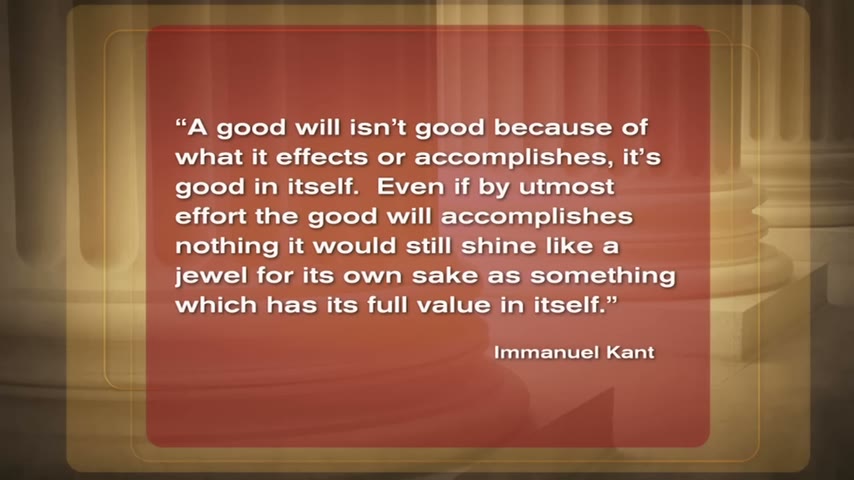
What gives an action moral worth is the motive, not the result. A good will is good in itself; even if it achieves nothing, Kant says it would “shine like a jewel for its own sake” (14:12). An act must not only conform to the moral law but be done for its sake. The opposite of duty is inclination: every desire, preference or impulse, including sympathy and altruism.
Kant’s examples, plus two of Sandel’s:
- The shopkeeper gives a naive customer correct change only to protect his reputation: right act, wrong reason, no moral worth.
- Suicide: the clear case of the duty to preserve oneself is someone miserable who stays alive because it is their duty.
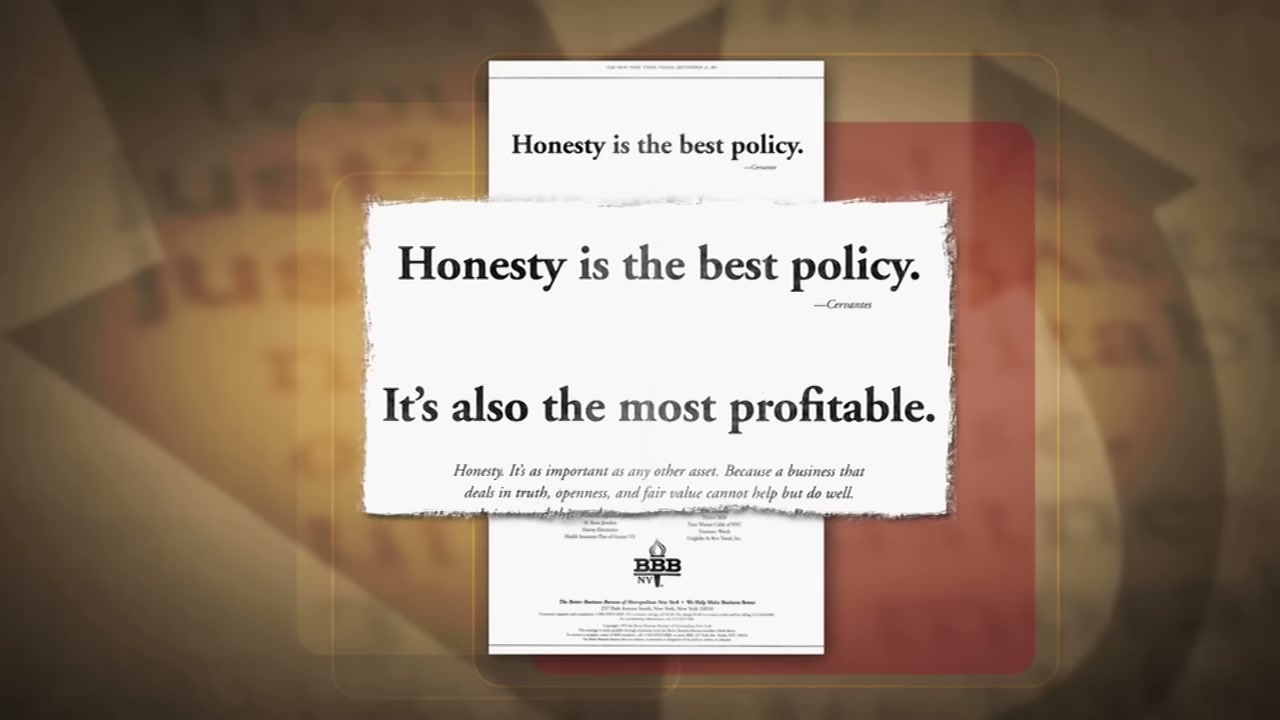
- The honor code: a university offered students local-shop discounts for signing a pledge not to cheat. Signing for the discount is the shopkeeper again.
20:52 – 28:00 Two student challenges
A student asks: what if the shopkeeper’s motive is simply wanting to be a good person? Sandel says Kant allows one non-selfish incentive, reverence for the moral law. A shopkeeper who acts from that reverence is acting from duty, so his act counts.
Ahmady asks a deeper question. If autonomy means following a law I give myself, what stops morality from being subjective, with a different law for each person (24:00)? Kant’s answer: there is one moral law, not a thousand. The reason that gives the law is pure practical reason, the same in everyone and not shaped by anyone’s upbringing or interests. Exercising it, we all reach the same law.

Our note: this is where Kant differs most from the idea of “following your conscience”. Autonomy in Kant’s sense is not self-expression; it is reason acting without dependence on anything particular about you.
28:54 – 36:08 Part Two: the motive contrast and the spelling bee
Sandel promises the class will “get Kant” this week and gives a map: three contrasts that run in parallel.
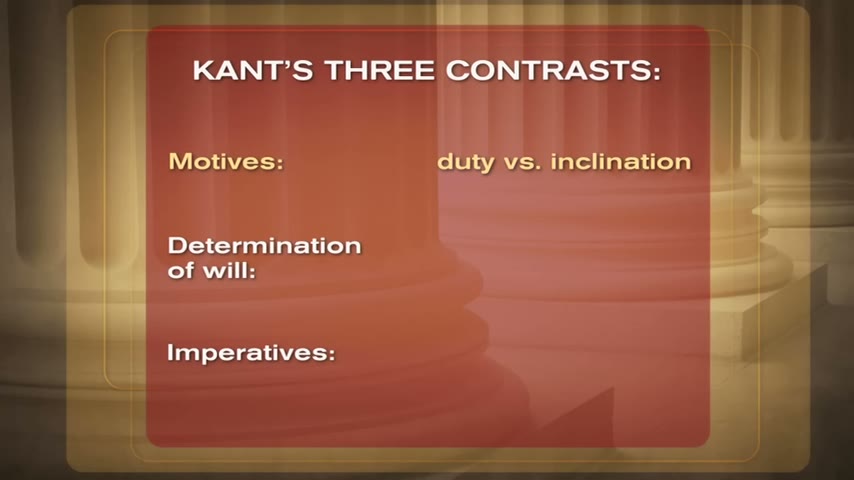
A student objects that people almost always have some selfish motive, so is any action ever moral? Sandel answers that Kant doesn’t deny mixed motives. Moral worth comes from our ability to rise above self-interest and act from duty.
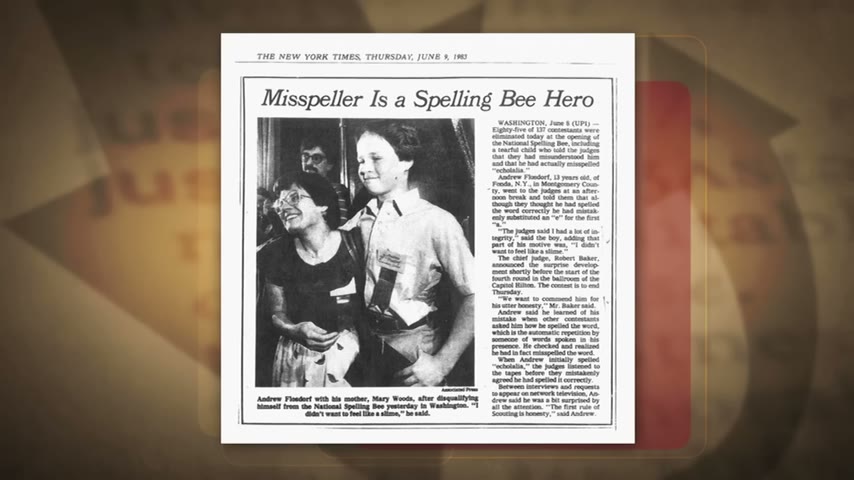
He tests this with a spelling bee. A 13-year-old named Andrew won on the word “echolalia” but told the judges he had misspelled it; the New York Times called him a hero. But he also said he “didn’t want to feel like a slime” (34:20). Vasco says it depends on which motive predominated. Judith gives the answer Sandel endorses: feelings can support doing right without spoiling moral worth, provided they are not the reason for acting.
36:08 – 40:25 Autonomy, and two kinds of imperative
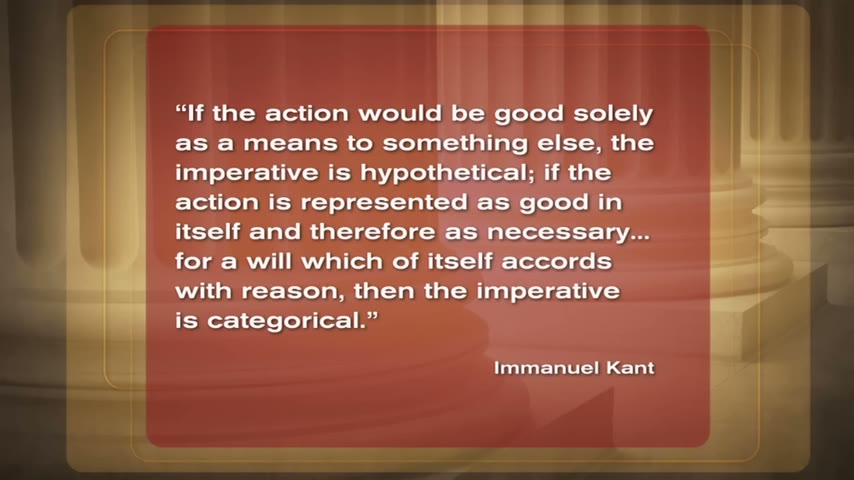
The second contrast links morality to freedom: my will is free only when determined autonomously, by reason rather than by nature. The third contrast is how reason commands. An imperative is an “ought”. A hypothetical imperative is instrumental: if you want a good business reputation, don’t shortchange customers. A categorical imperative commands without reference to any further purpose.
40:25 – 45:49 Formula of universal law
The first version: act only on a maxim you could will to become a universal law. A maxim is the rule or reason behind your act. Sandel’s example: borrowing $100 with a promise to repay that you know you can’t keep. Universalize it and no one believes promises any more; the maxim defeats itself (42:17).
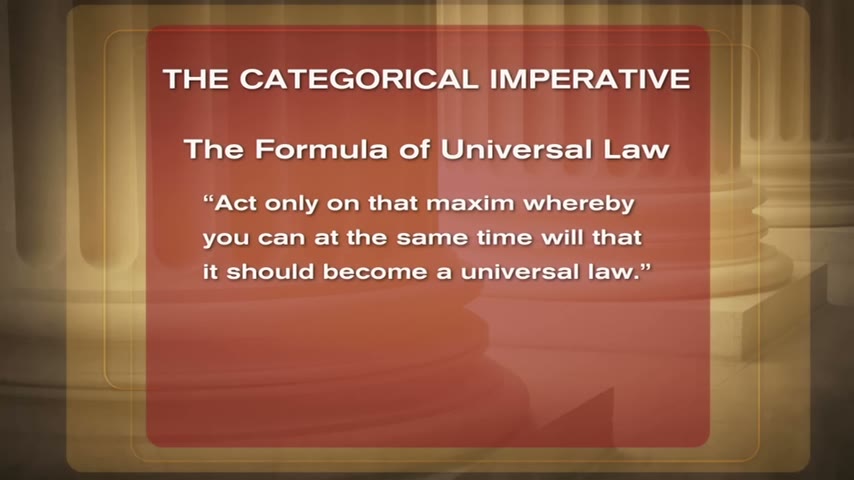
Tim objects that this is consequentialist: you avoid lying because you don’t want to destroy promising. Sandel notes that Mill made the same criticism, and says Mill was wrong. Universalizing is a test, not the reason. It checks whether you are treating your own needs and circumstances as more important than everyone else’s.

45:49 – 53:24 Formula of humanity as an end
The second version is more intuitive. A categorical imperative needs something of absolute worth, an end in itself, and Kant says rational beings are such ends. Persons have dignity; things have only relative value.
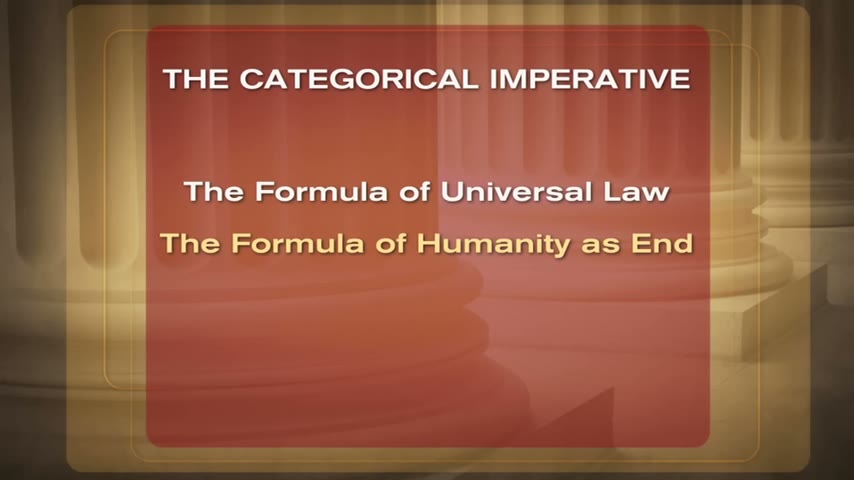
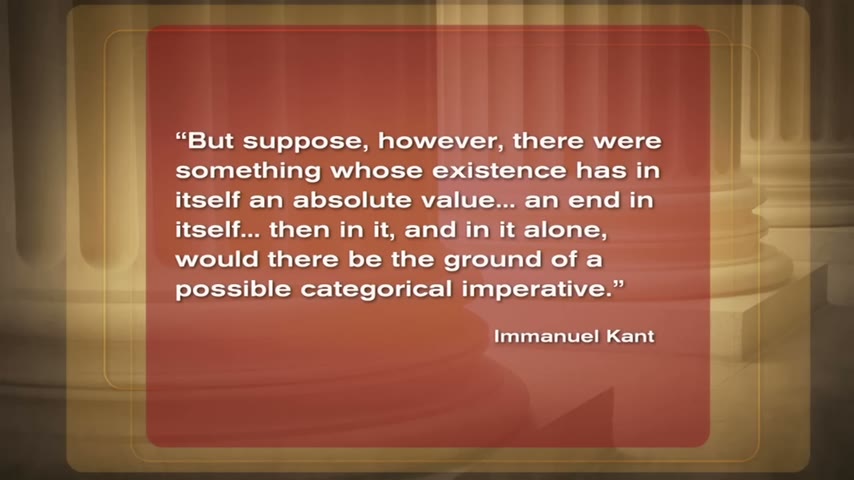
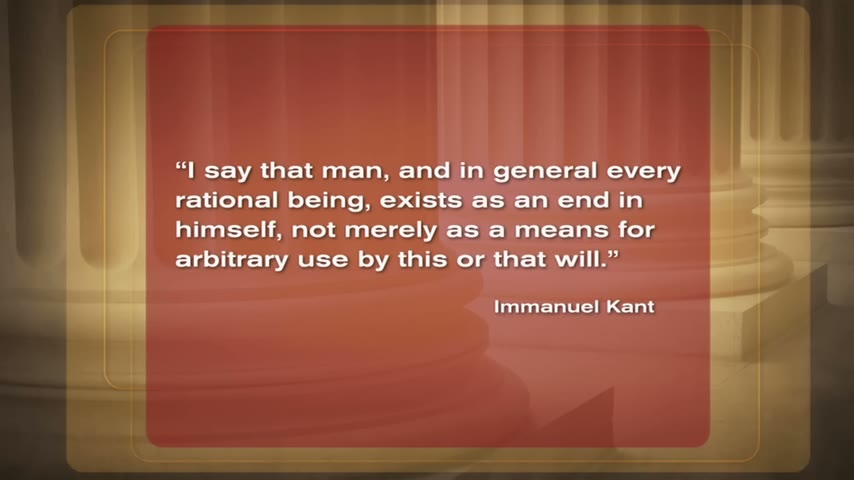
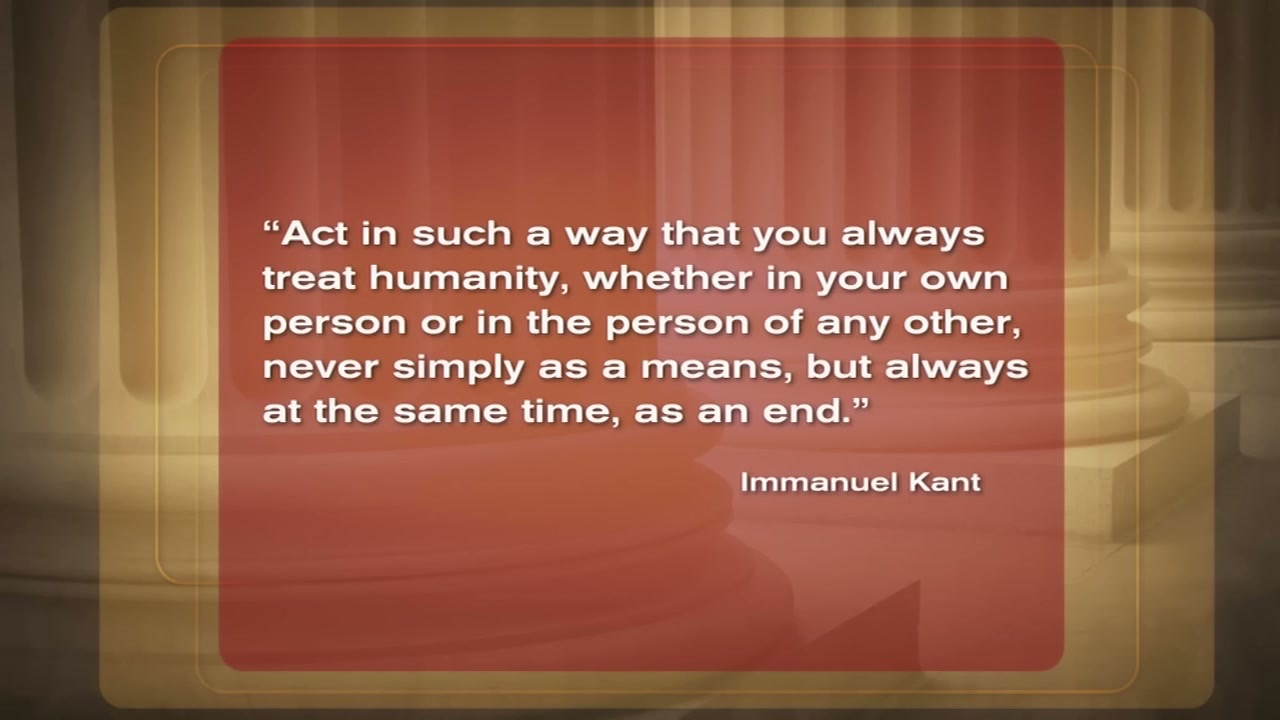
The false promise fails this test as well: it manipulates you as a means to my $100. The formula also explains why Kant treats suicide like murder (49:23). Both use a rational being as a means to some particular purpose, and the humanity in me deserves the same respect as the humanity in you. Kantian respect differs from love or sympathy: it is owed to the universal capacity for reason, not to anyone’s particular qualities.
Patrick objects that we use ourselves and others as means every day, such as writing a paper or buying food from a clerk. Sandel agrees that this is fine, as long as we treat people consistently with respect for their dignity.

Skip list
- 0:00 – 0:33 Funding credits.
- 0:58 – 1:55 Kant’s career details; nice color, not needed for the argument.
- 28:00 – 28:54 A preview clip on suicide and murder, which plays in full at 49:23.
- 32:58 – 33:28 Guessing what “echolalia” means.
- 53:50 – end Website promo and credits.
Glossary
- Autonomy — acting according to a law you give yourself through reason; Kant’s definition of freedom.
- Heteronomy — having your will determined from outside, by desire, nature or circumstance.
- Motive of duty — doing the right thing because it is right; for Kant, the only motive that confers moral worth.
- Inclination — any desire, interest or feeling that moves you to act, including sympathy.
- Maxim — the rule or principle that states the reason for an action.
- Hypothetical imperative — a conditional command: if you want X, do Y.
- Categorical imperative — an unconditional command of reason; the supreme principle of morality.
- Dignity — the absolute, non-tradeable worth of rational beings, in contrast to the price of things.
FAQ
What does Kant mean by freedom?
For Kant, acting freely means acting autonomously: according to a law you give yourself through reason. Following a desire or appetite you did not choose, even getting what you want, is heteronomy, which Kant treats as obeying nature rather than acting freely.
Why does Kant's shopkeeper lack moral worth?
The shopkeeper gives correct change only because cheating might hurt his reputation and business. He does the right thing for the wrong reason, self-interest, and for Kant only actions done from the motive of duty have moral worth.
What is the difference between a hypothetical and a categorical imperative?
A hypothetical imperative says: if you want X, do Y; it is means-end reasoning. A categorical imperative commands without depending on any further purpose. Kant argues that only a categorical imperative can be the supreme principle of morality.
Does Kant's formula of humanity forbid using other people at all?
No. Sandel answers a student that we use people as means all the time, such as a store clerk. What Kant forbids is treating someone merely as a means, in a way that fails to respect them as a rational being, as a false promise does.
Studying another course? Paste its YouTube or Bilibili link on the home page to request a handout — or make your own with the desktop app (coming soon).