Crash Course US History: episode guide and study notes (#1–10)
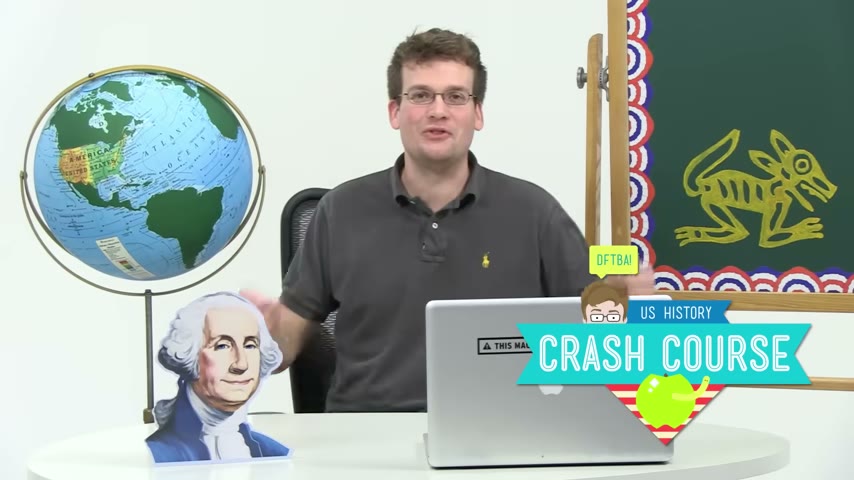
US history starts with the people already here, not with Columbus or George Washington
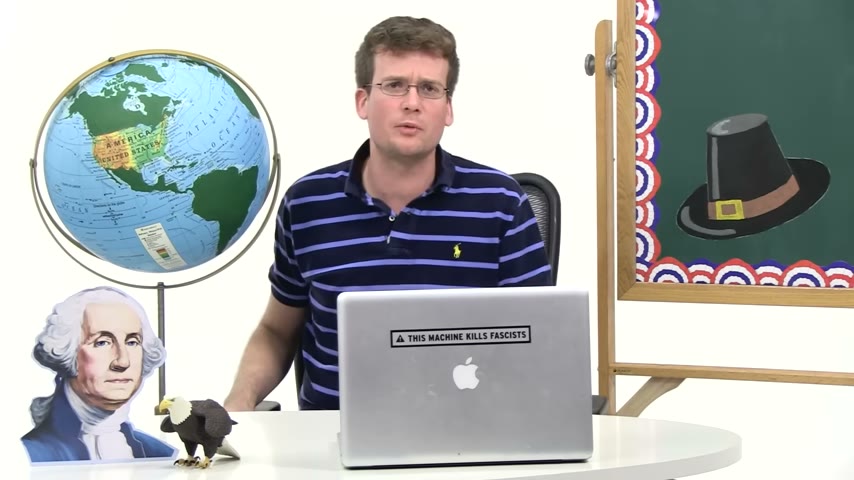
The religious-freedom founding story is only part of the picture. It fits a minority of settlers in New England, not the first English colony
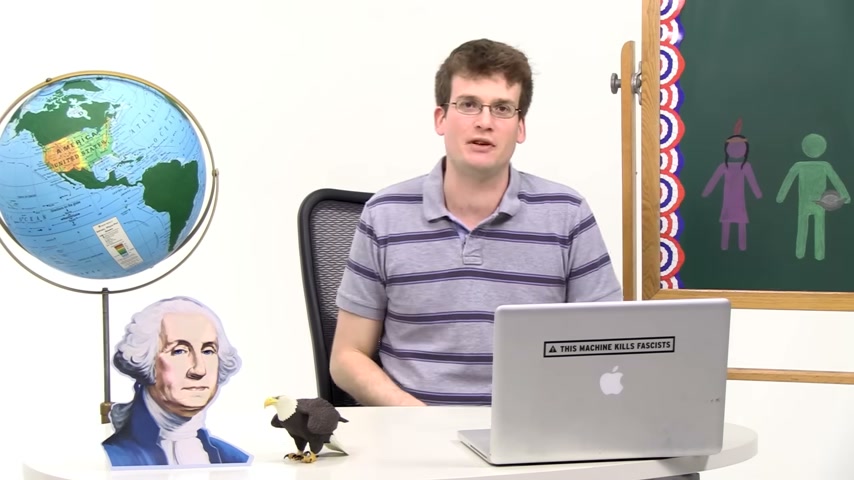
The early relationship was useful to both sides. Powhatan helped the starving English because they were weak and because they had guns and metal goods
Colonial America was more than Jamestown and Massachusetts. The Dutch, Quakers and Carolina planters built colonies with very different aims
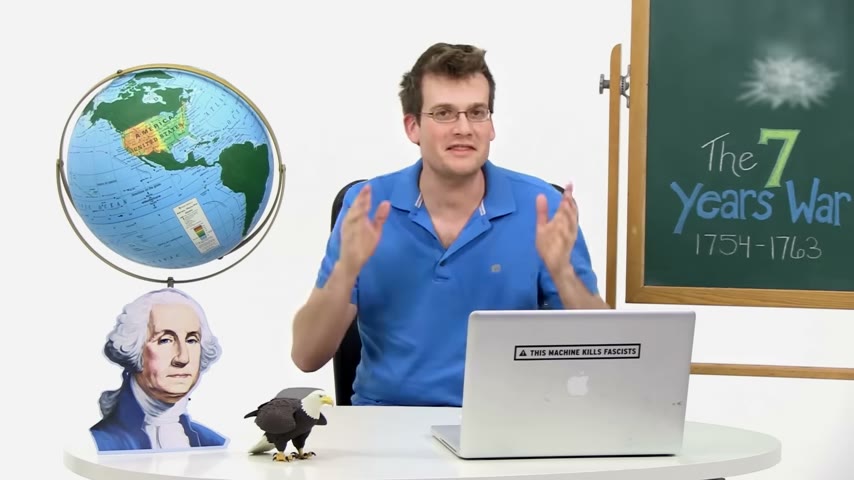
The war had many names and ran longer than seven years. In North America it began in 1754 and is called the French and Indian War; the official European war ran from 1756 to 1763
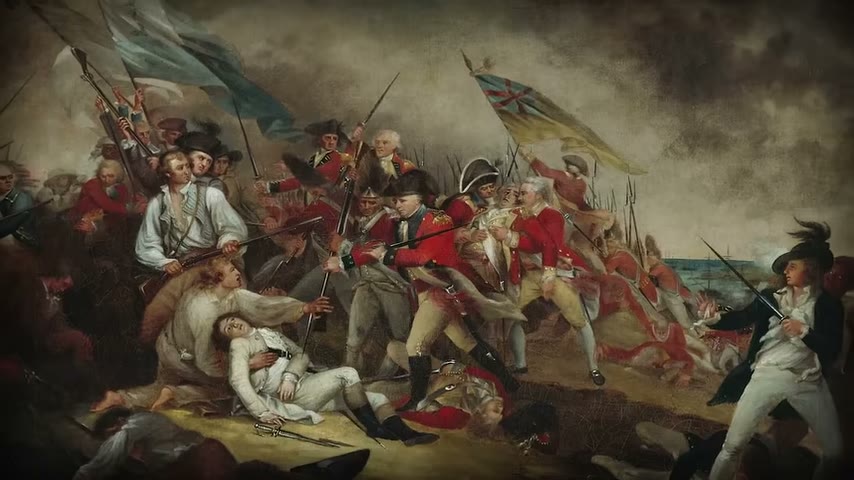
The Revolution and the War for Independence are different things. The Revolution was a change in political ideas and loyalties; the war was the fighting that began in April 1775
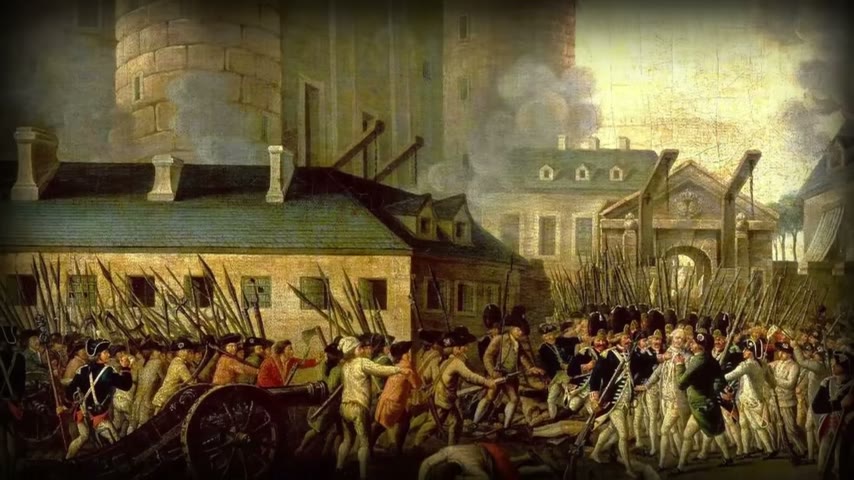
The episode's test is whether things changed. Green contrasts revolutions that swap one ruler for another with ones that transform life, and says the American Revolution was a bit of both
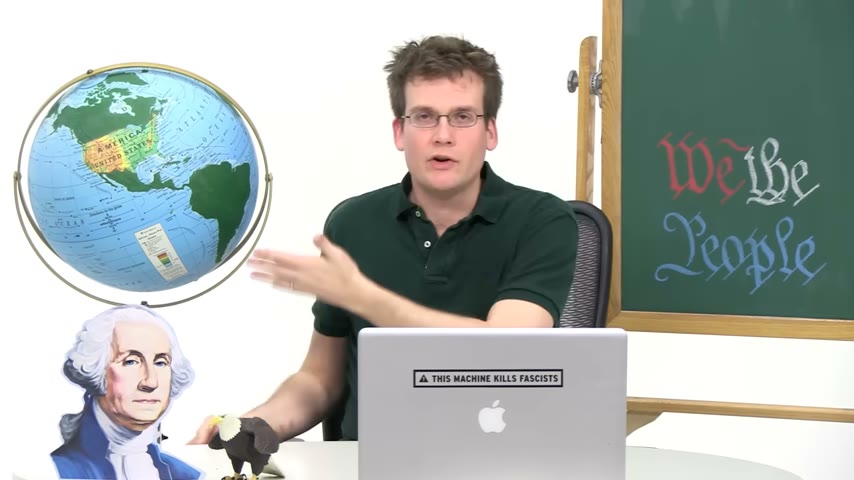
The Constitution was the second national government, not the first. The Articles of Confederation came before it and set up only a loose "league of friendship" among the states
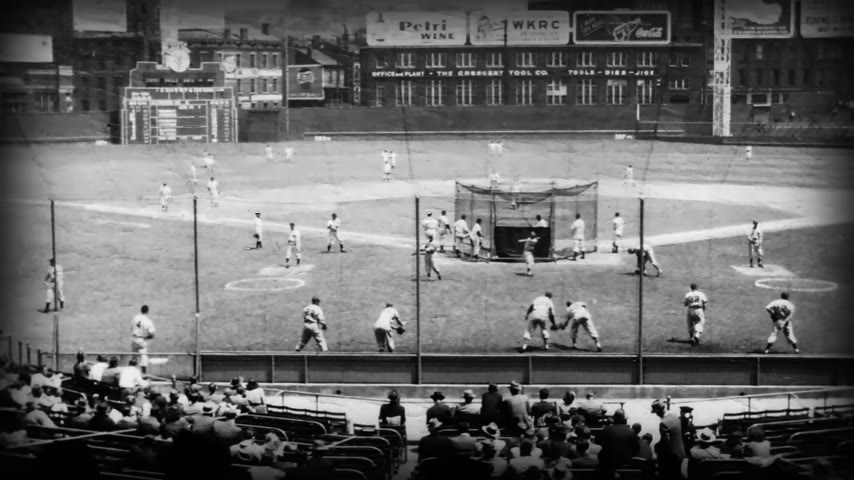
American politics was divided almost from the start. The founders disliked parties, but within a few years of the Constitution two organized sides had formed
The election of 1800 was the first peaceful handover of power between rival parties. A flaw in the Electoral College produced a tie, the House picked Jefferson, and the 12th Amendment followed
Watch the video
Watch the original video on YouTube
Crash Course US History is John Green’s fast, joke-filled survey of American history, made by the CrashCourse channel on YouTube. Each episode is 11 to 14 minutes long, and teachers often assign them in high school and introductory college courses. These notes cover the first ten episodes, from the people who lived in North America before Europeans arrived to Jefferson’s presidency.
Each handout is written in our own words. It has key takeaways, chapter notes with timestamps and screenshots, a short list of parts you can skip, key terms, and review questions. Where an episode oversimplifies or plays a fact for laughs, the notes say so and give the fuller picture.
Episodes
| # | Video | Length | What you learn | Our notes |
|---|---|---|---|---|
| 1 | The Black Legend, Native Americans, and Spaniards | 11 min | Native North America before contact, Spanish Florida and New Mexico, the Pueblo Revolt, Las Casas and the “Black Legend”. | Episode 1 notes |
| 2 | When is Thanksgiving? Colonizing America | 12 min | Jamestown, tobacco and indentured servants, Maryland, the Pilgrims and Puritans, and Winthrop’s “city upon a hill”. | Episode 2 notes |
| 3 | The Natives and the English | 11 min | Powhatan and Jamestown, Pocahontas, the 1622 uprising, the Pequot War and King Philip’s War. | Episode 3 notes |
| 4 | The Quakers, the Dutch, and the Ladies | 12 min | New Amsterdam, Quaker Pennsylvania, Carolina, Bacon’s Rebellion, the Dominion of New England, Salem and colonial women. | Episode 4 notes |
| 5 | The Seven Years War and the Great Awakening | 11 min | Mercantilism, the Ohio Country, the 1763 peace, Pontiac’s War, the Proclamation Line, republicanism and the Great Awakening. | Episode 5 notes |
| 6 | Taxes & Smuggling: Prelude to Revolution | 12 min | The Sugar, Stamp, Townshend and Tea Acts, the Boston Massacre and Tea Party, Lexington and Concord, and Common Sense. | Episode 6 notes |
| 7 | Who Won the American Revolution? | 13 min | How the war was won, and what independence meant for Loyalists, enslaved people, Native Americans and women. | Episode 7 notes |
| 8 | The Constitution, the Articles, and Federalism | 13 min | The Articles of Confederation, Shays’ Rebellion, the Convention’s compromises, federalism and the ratification debate. | Episode 8 notes |
| 9 | Where US Politics Came From | 14 min | Hamilton versus Jefferson, the first parties, the Whiskey Rebellion, the Jay Treaty and the Alien and Sedition Acts. | Episode 9 notes |
| 10 | Thomas Jefferson & His Democracy | 13 min | The election of 1800, Jefferson and slavery, Marbury v. Madison, the Louisiana Purchase and the Embargo of 1807. | Episode 10 notes |
The playlist also opens with a one-minute series preview, which we skip. Episodes after #10 are not covered yet.
Themes that run through episodes 1–10
| Theme | Where it comes up |
|---|---|
| Native nations and colonial expansion | 1, 3, 5, 7 |
| Labor, servitude and slavery | 2, 4, 7, 8, 10 |
| Religion and dissent | 2, 4, 5 |
| Taxes, empire and the road to revolution | 5, 6 |
| Building a government and the first parties | 8, 9, 10 |
| Who counts as “the people” (women, the unpropertied, the enslaved) | 4, 7, 9, 10 |
How to use these notes
- Watching for class? Open the episode’s notes next to the video. The chapter headings carry the same timestamps, so you can follow along or catch up on a part you missed.
- Reviewing for a test? Read the key takeaways and key terms, then try the review questions without looking, and reread the chapter notes for any you miss.
- Short on time? Episodes 6, 8 and 9 carry the core of the Revolution-to-Constitution story.
- Most episodes include a Mystery Document, a primary source Green has to identify. The notes say who wrote it and why it matters, which is a good model for reading sources yourself.
FAQ
How many episodes of Crash Course US History do these notes cover?
Episodes 1 to 10, which run from Native North America before contact to Thomas Jefferson's presidency. The full Crash Course US History series is much longer; the official playlist continues well past the Civil War and into the 20th century.
How long is each Crash Course US History episode?
About 11 to 14 minutes. Episodes 1–10 add up to roughly two hours of video. Each of our handouts splits an episode into timed chapters, so you can jump straight to the part you need.
Do these notes include worksheet answers?
No. Each handout has key takeaways, chapter notes, key terms and review questions you can use to test yourself, but no answers to class worksheets. The notes explain the history in our own words and point out where the episode simplifies or jokes.
Studying another course? Paste its YouTube or Bilibili link on the home page to request a handout — or make your own with the desktop app (coming soon).