Crash Course US History #6, Taxes & Smuggling — notes and timestamps
Watch the video (12 min)
Watch the original video on YouTube
The full transcript isn't available yet.
Episode 6 of John Green’s Crash Course US History covers the thirteen years between the end of the Seven Years War and the Declaration of Independence. Green starts with two warnings. First, the American Revolution and the War for Independence are not the same thing. Second, the Revolution was not really about taxes, and it was certainly not about tea. Then he goes act by act, from the Sugar Act of 1764 to the First Continental Congress of 1774, explaining why small taxes caused such large protests. The episode ends with the first battles, a Loyalist Mystery Document and Thomas Paine’s Common Sense. These notes follow the episode’s order, mark the jokes, and fix the few places where the quick version gets a detail wrong. Episode 5 (the Seven Years War) is useful background.
Key takeaways
- The Revolution and the War for Independence are different things. The Revolution was a change in political ideas and loyalties; the war was the fighting that began in April 1775 (0:07).
- Britain’s war debt explains the new taxes. Britain had paid heavily to win the Seven Years War, and it thought the colonists who gained most from that war should pay part of the cost (0:36).
- The real complaint was representation, not money. Colonial assemblies had set their own taxes for about a century. Now Parliament, with no colonial members, was doing it instead (1:36).
- Each act brought a bigger and better-organized response. The Sugar Act was resented, the Stamp Act produced the first joint action of the colonies, and the Townshend Acts led to boycotts in which women took part (1:52).
- The Boston Tea Party was about principle and smuggling. The Tea Act lowered the price of tea, but buying it meant accepting Parliament’s right to tax (4:54).
- The First Continental Congress (1774) acted like a government. Green calls it the first truly revolutionary act, although it still did not ask for independence (6:13).
- Colonists moved from “rights of Englishmen” to natural rights, and many were still loyal. Paine’s Common Sense pushed opinion toward independence in 1776 (6:54).
Chapter notes
0:00 – 0:36 Not about taxes, not about tea
Green opens with his thesis in two parts. First, keep the American Revolution separate from the American War for Independence; he returns to this at 7:34. Second, the Revolution was “not really” about taxes. When “me from the past” suggests tea instead, Green offers a better answer: the Boston Tea Party was about taxes plus the colonists’ love of smuggling. That sounds like a contradiction, and the episode spends the next seven minutes resolving it. The taxes mattered less for their size than for who imposed them.

0:36 – 1:52 War debt, old trade taxes, and the representation problem
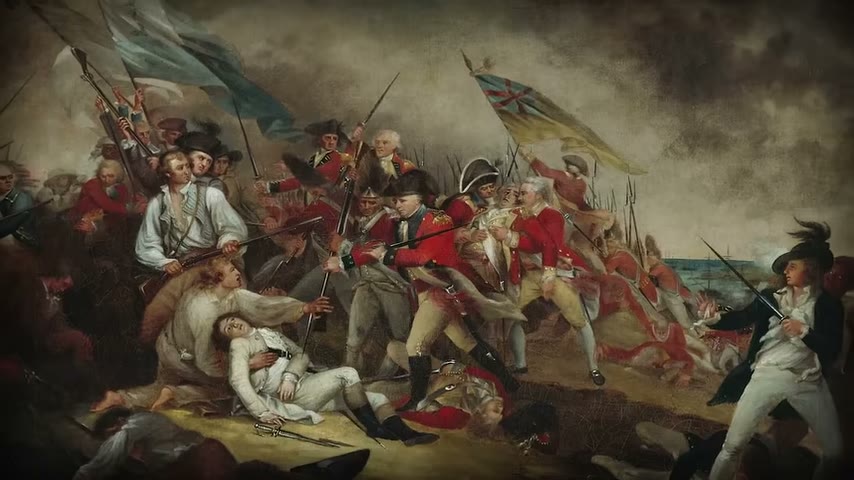
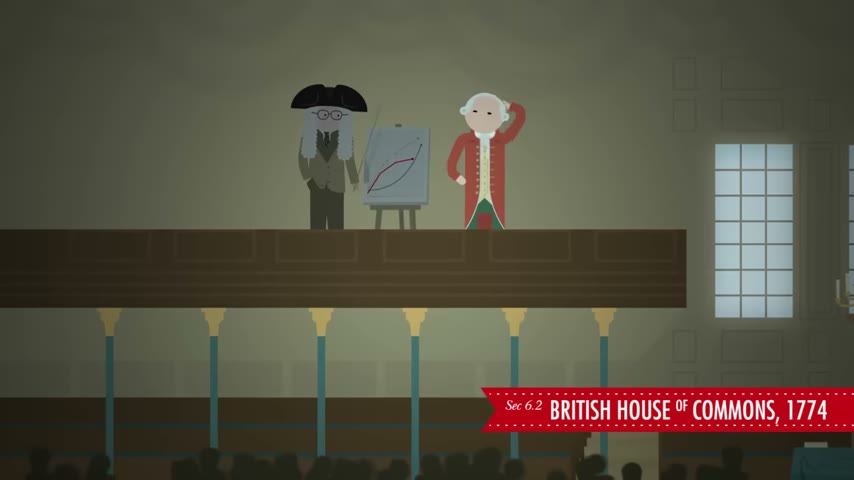
The background is the Seven Years War (1754–63). Green says the peace that ended it, the Treaty of Paris of 1763, annoyed colonists by limiting how far west they could take Native land. One small correction: the treaty itself gave Britain the land; the limit was the Royal Proclamation of 1763, which drew a line along the Appalachians beyond which colonists were not supposed to settle. The war also left Britain deeply in debt. Green says the government borrowed £150 million and that interest took half the budget; the figure usually given in textbooks is a national debt that roughly doubled to about £130 million. Either way, Britain decided that the colonists, whom the war had protected, should pay part of the bill.
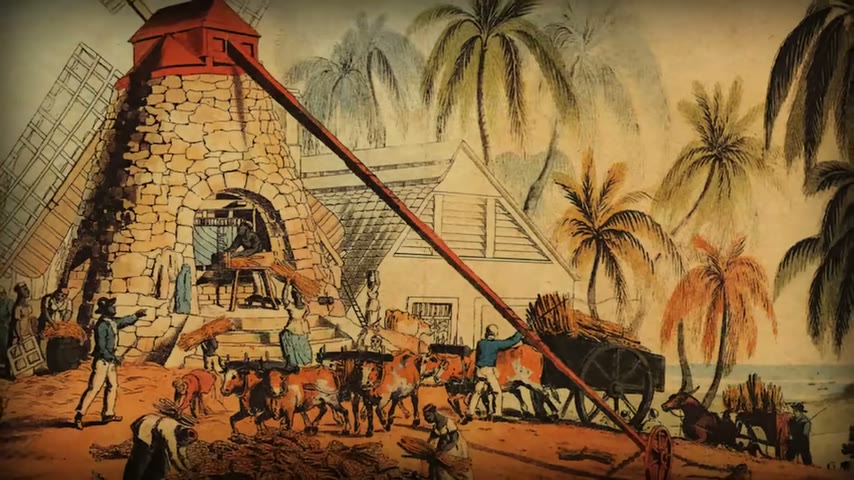
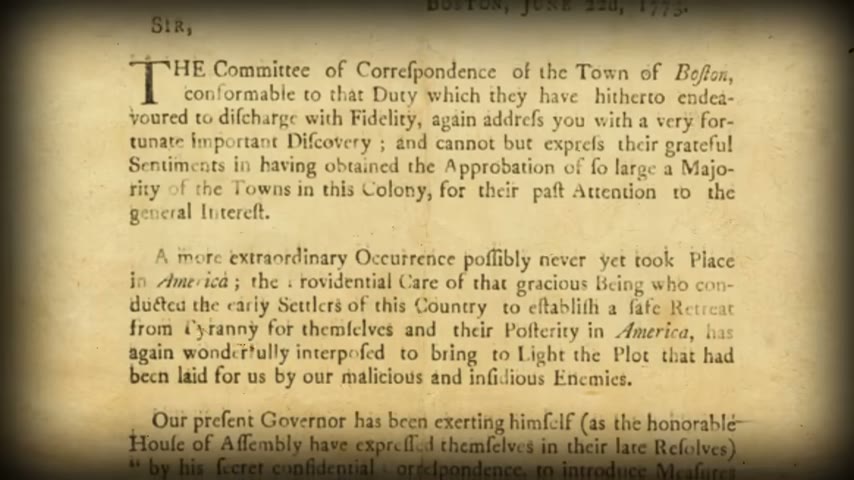
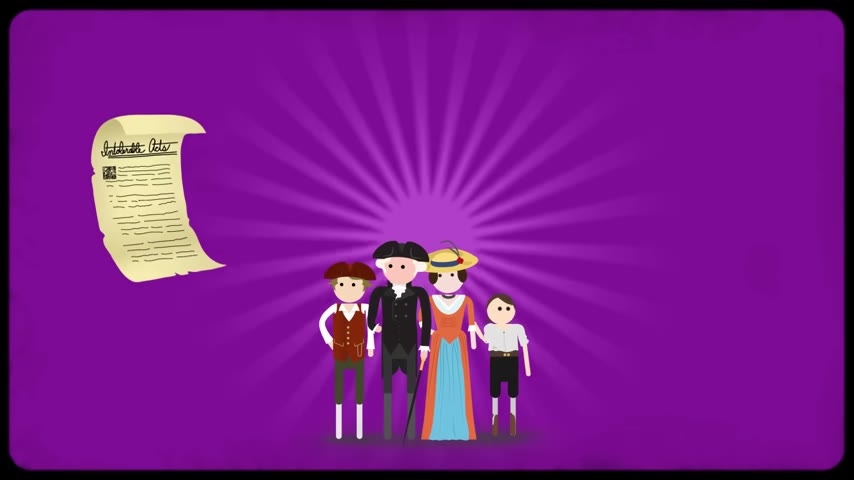
Taxes on colonial trade were already old. Britain had long regulated goods like wool, hats and molasses, but those laws were mercantilist: their purpose was to protect British producers and control trade, not to raise money. They were also easy to evade by smuggling. The new taxes after 1763 were different because they were meant to raise revenue, and this is the heart of the episode. By 1760 some colonial assemblies had been setting their own taxes for about a hundred years. Being taxed by Parliament, where the colonies had no members, broke that habit. The phrase associated with this complaint is “no taxation without representation”. British leaders replied that Parliament represented all British subjects anyway, an idea called virtual representation, which colonists rejected.
1:52 – 2:21 The Sugar Act (1764): a lower tax, actually enforced
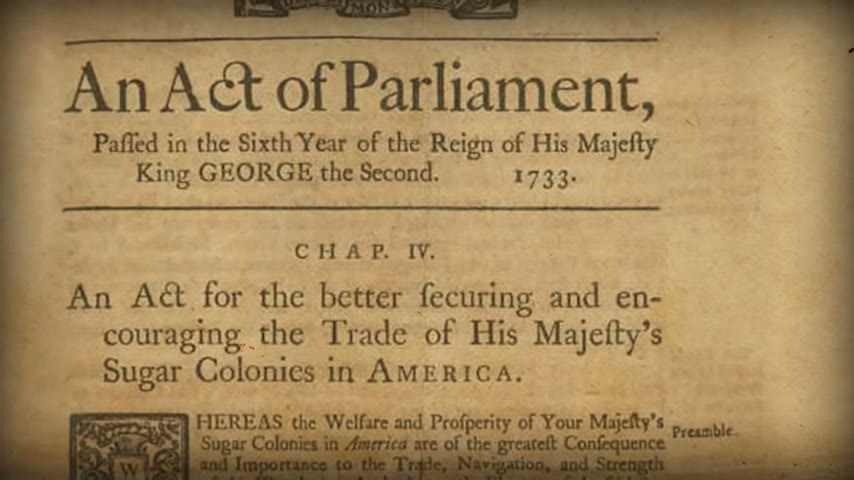
The first of the new taxes, the Sugar Act of 1764, revised the Molasses Act of 1733. Green’s joke is that the tax went “all the way up” from six to three per gallon. In other words, Parliament cut the rate in half. (The units were pence, not cents.) The old rate had been so high that nearly everyone smuggled instead of paying it. The new idea was a lower rate that would actually be collected. To do that, the act moved smuggling cases away from colonial courts, whose juries rarely convicted, into British-run vice-admiralty courts that sat without juries. That change, more than the tax rate, is what worried colonists.

2:21 – 3:42 The Stamp Act (1765): the colonies act together
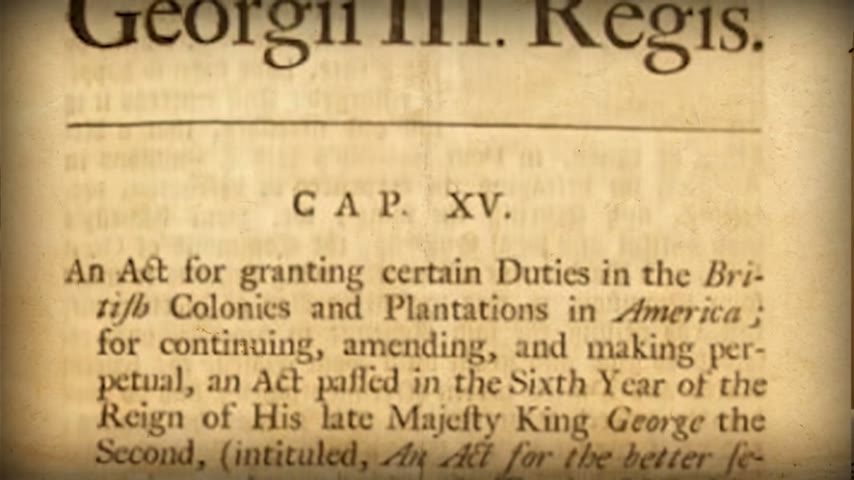
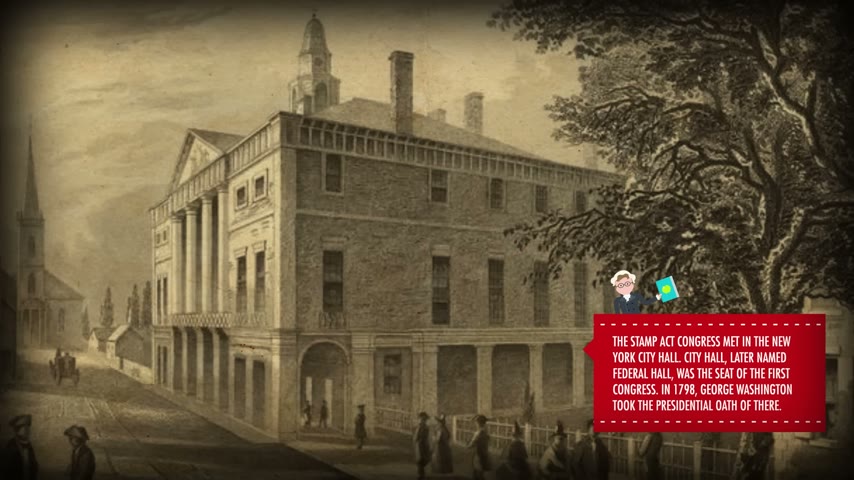
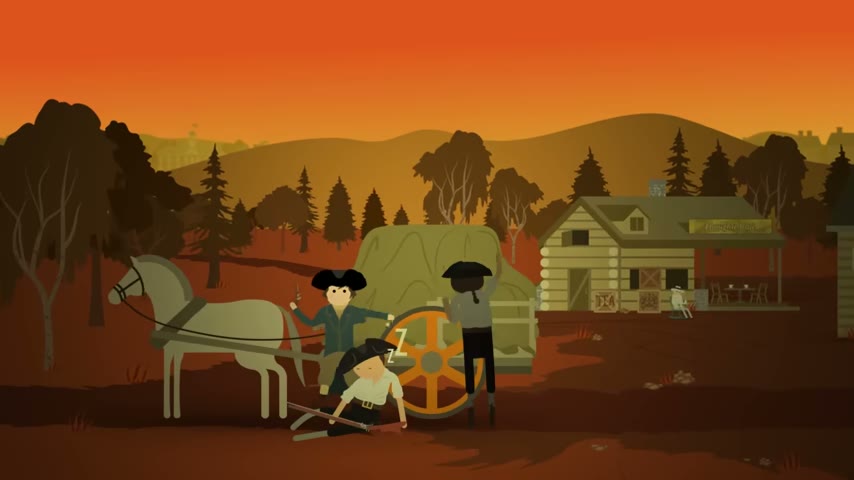
The Stamp Act of 1765 required printed paper (newspapers, legal documents, pamphlets, even playing cards) to carry a paid stamp. It was purely a revenue tax, and it fell hardest on printers and lawyers, the most vocal people in the colonies. In October 1765 delegates from nine colonies met in New York as the Stamp Act Congress, the first major joint action by the colonies. Green says the congress decided on a boycott; more precisely, it sent petitions to the king and Parliament, while merchants in the port cities organized boycotts of British goods, called nonimportation agreements.
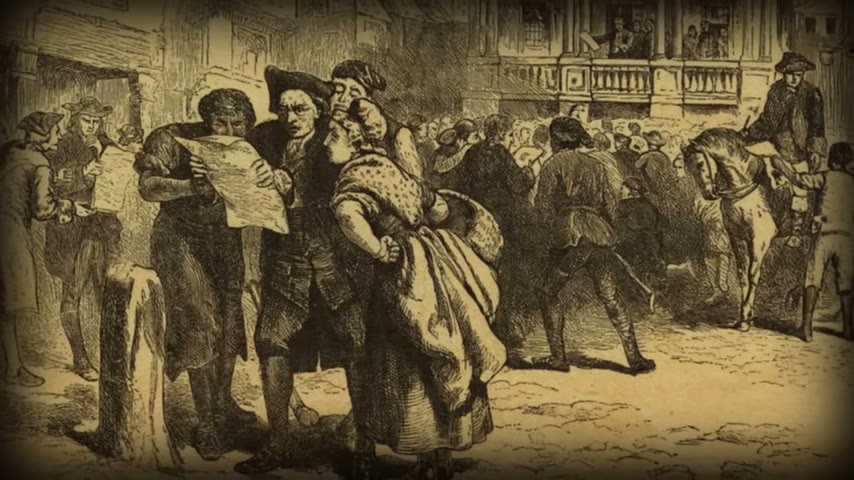
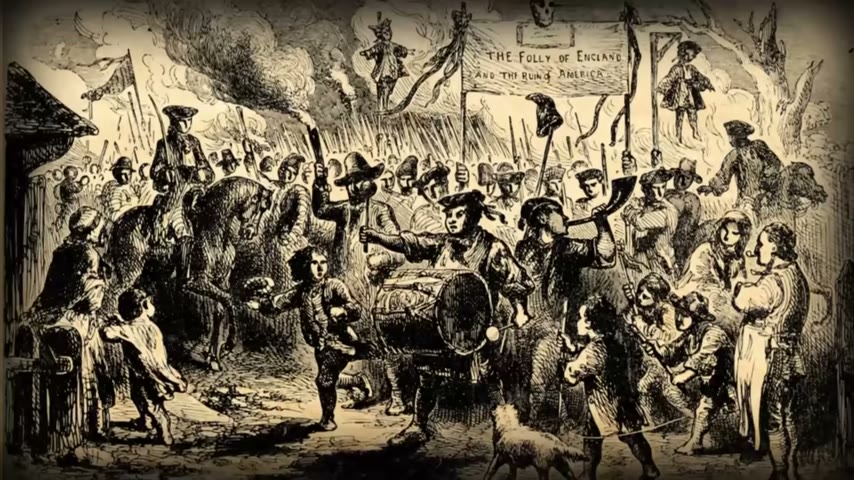
Street pressure came from the Sons of Liberty, who held protests, burned effigies and forced stamp distributors to resign, sometimes violently. Green says committees of correspondence grew up to coordinate this. That is slightly out of order. The best-known committees came later: Boston set one up in 1772 and the colonies linked theirs in 1773. Coordinated resistance worked. Parliament repealed the Stamp Act in 1766 but passed the Declaratory Act the same day, stating that it could make laws for the colonies “in all cases whatsoever”. Green paraphrases it as “we won’t tax you, but we could”. Repeal was a victory led mostly by elites, but once arguments about representation were in the air, ordinary colonists began to want a voice too.
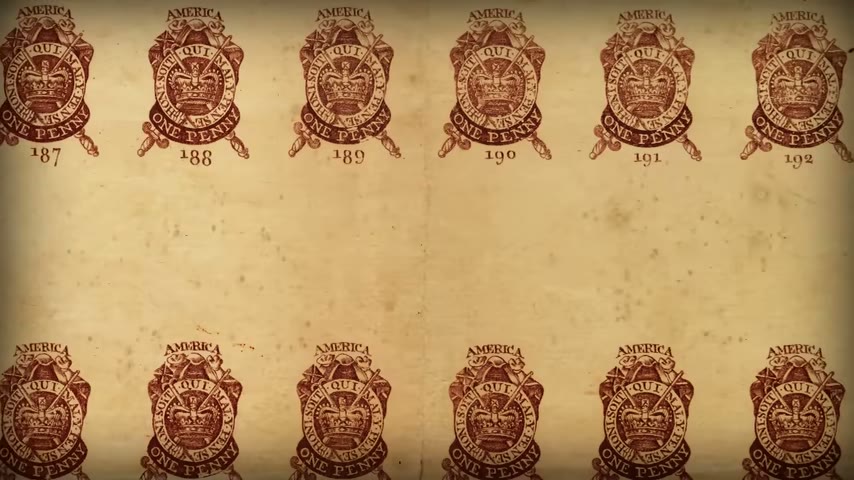

3:42 – 4:53 The Townshend Acts and the Boston Massacre
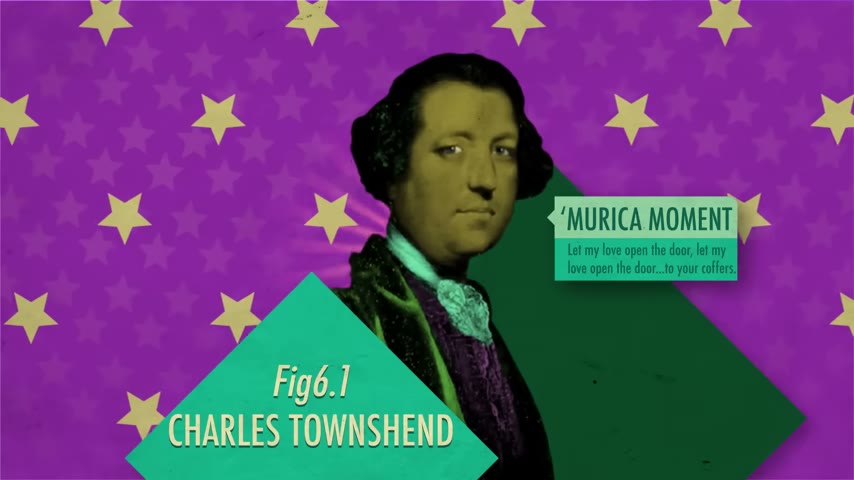
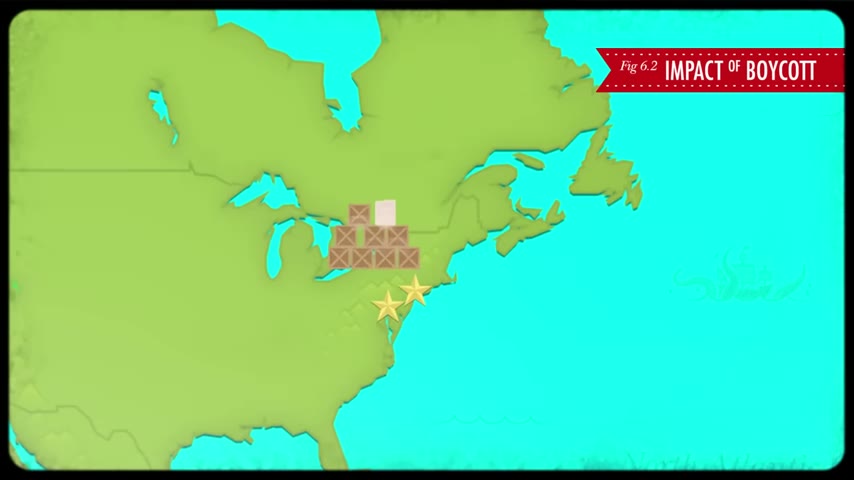
Britain still needed money. In 1767 Charles Townshend, the Chancellor of the Exchequer (Britain’s finance minister), got Parliament to pass new duties on imported glass, lead, paint, paper and tea. The Townshend Acts also created a new customs board to stop smuggling. Colonists answered with another boycott, and this time women organized as the Daughters of Liberty, spinning their own cloth (“homespun”) instead of buying British fabric. Support was not unanimous. Artisans gained from the boycott because people bought local goods, but merchants in Philadelphia and New York lost business by it.
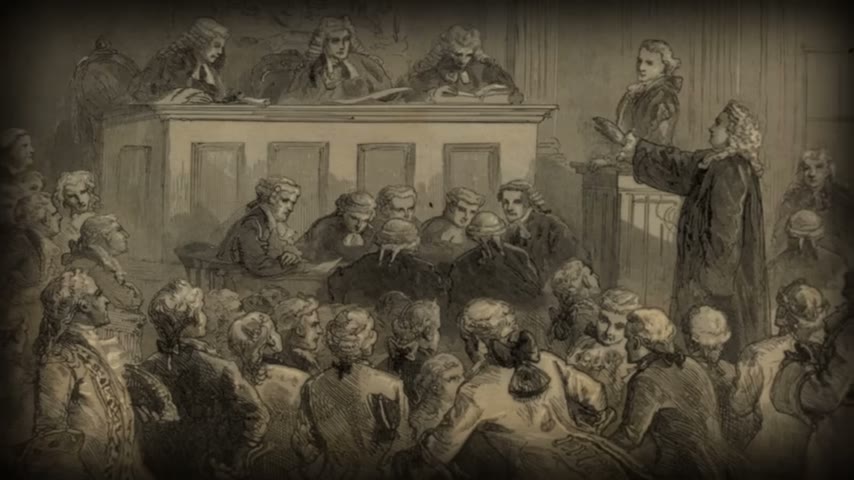
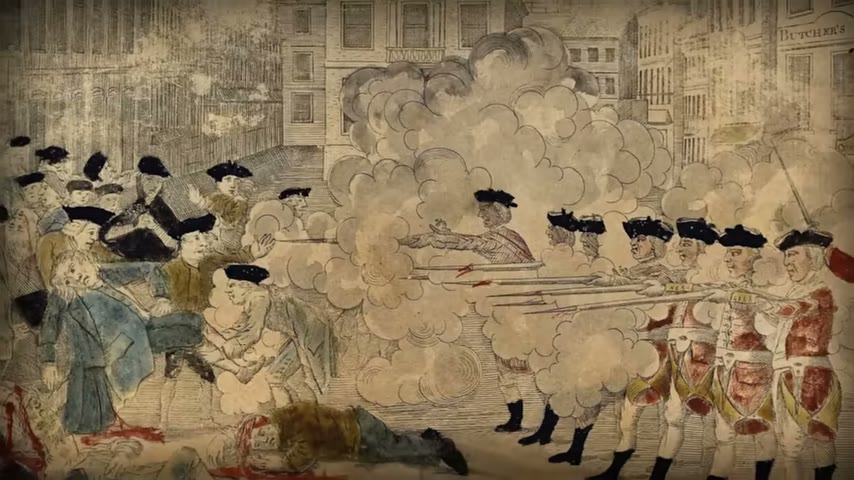
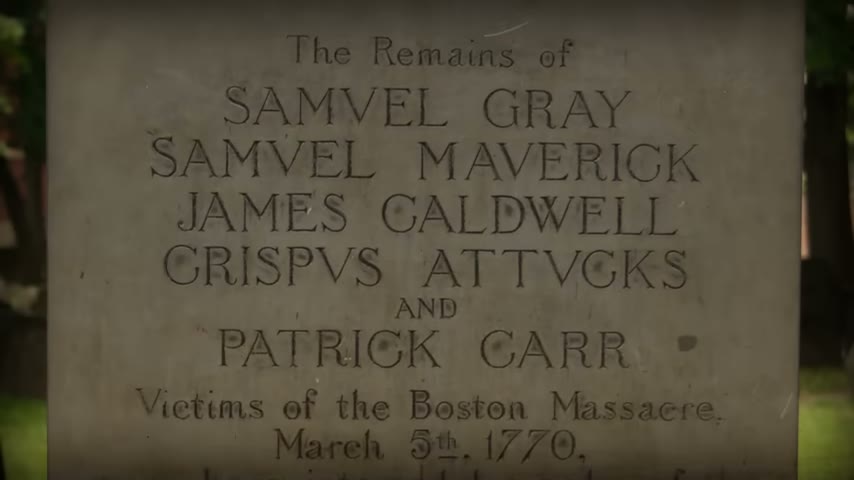
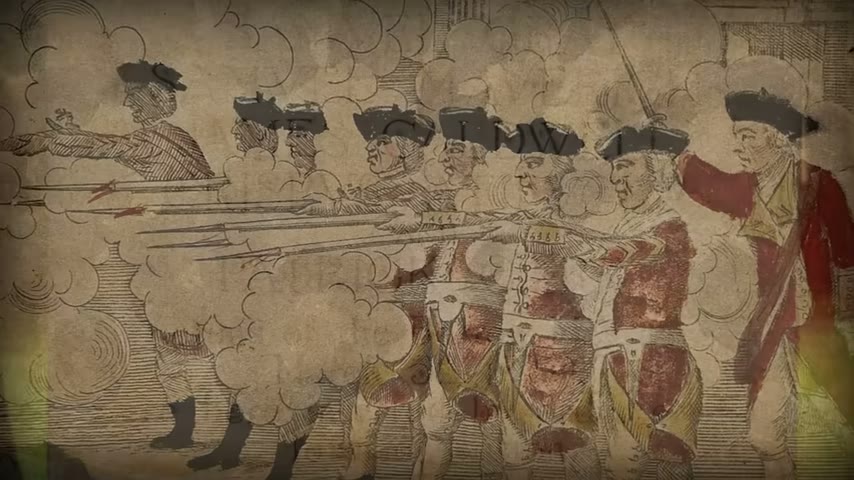
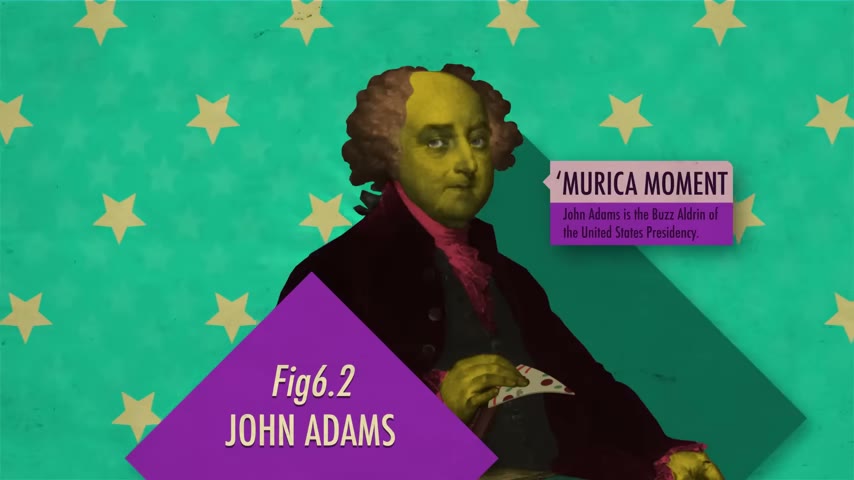
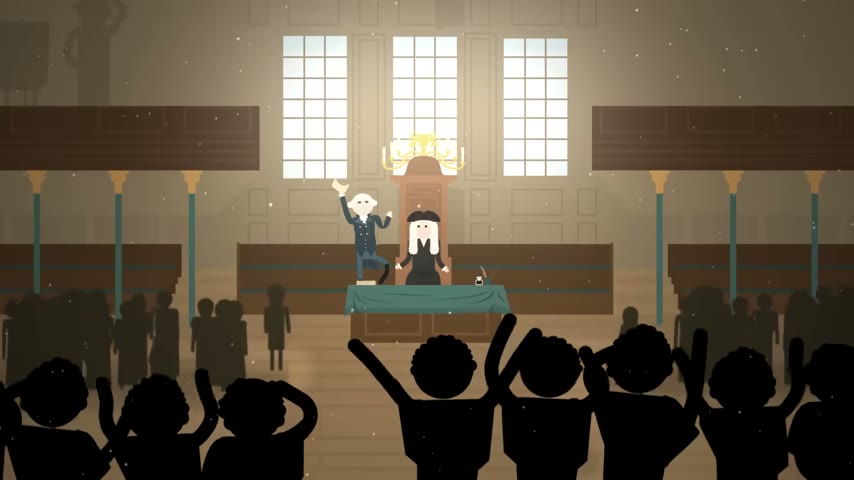
Tension peaked in Boston, where soldiers had been stationed since 1768. On 5 March 1770 a crowd taunted soldiers with snowballs and other objects, and the soldiers fired. Five colonists died, among them Crispus Attucks, a sailor of African and Native descent who is often called the first casualty of the Revolution. Green’s “not much of a massacre” is fair: the name came from patriot propaganda. The trial matters too. John Adams defended the soldiers, believing they deserved a fair trial. The captain, Thomas Preston, was acquitted at a separate trial; of the eight soldiers, six were acquitted and two convicted of manslaughter (they were branded on the thumb and released). That gives Green’s total of seven acquitted out of nine. The boycotts worked, and in 1770 Parliament repealed every Townshend duty except the one on tea.
4:53 – 6:33 Thought Bubble: the Tea Party, the Intolerable Acts and the First Continental Congress
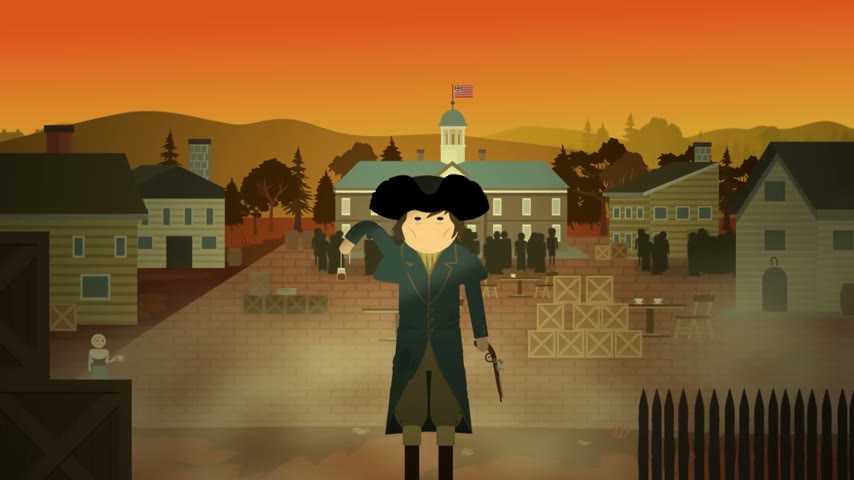
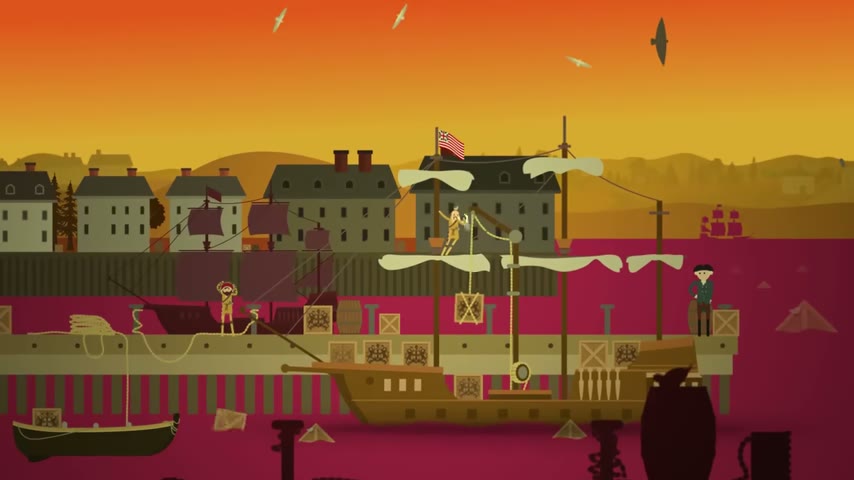
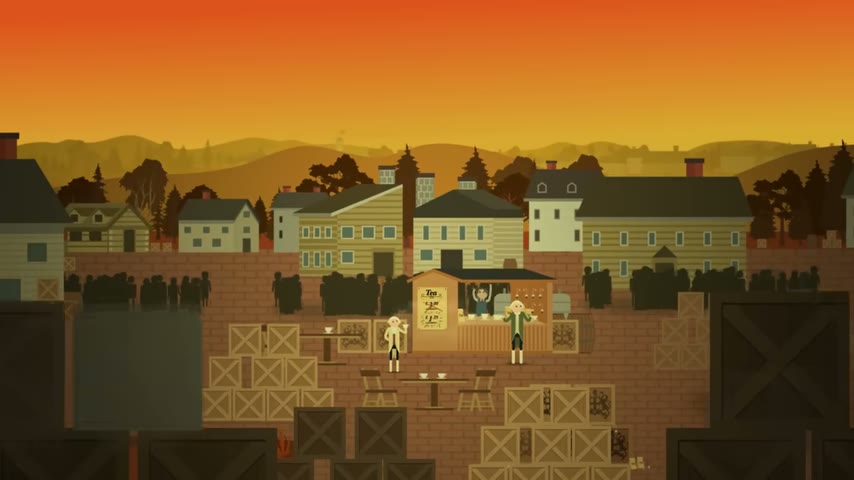
The Tea Act of 1773 was meant to rescue the struggling British East India Company. It let the company sell tea directly in the colonies with tax breaks, so its legal tea became cheaper even with the old Townshend tax still on it. So why the protest? Smugglers and established tea merchants would lose business, but Green says most protesters objected on principle. Tea was drunk almost everywhere, and buying taxed tea would mean accepting Parliament’s right to tax anything. On 16 December 1773, men disguised as Mohawk Indians boarded three ships in Boston Harbor and threw the tea overboard. The episode puts the loss at about $4 million in today’s money.
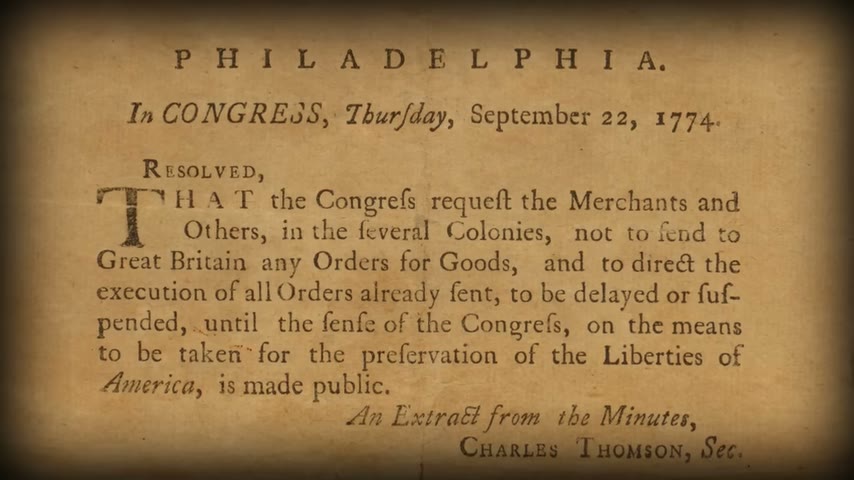
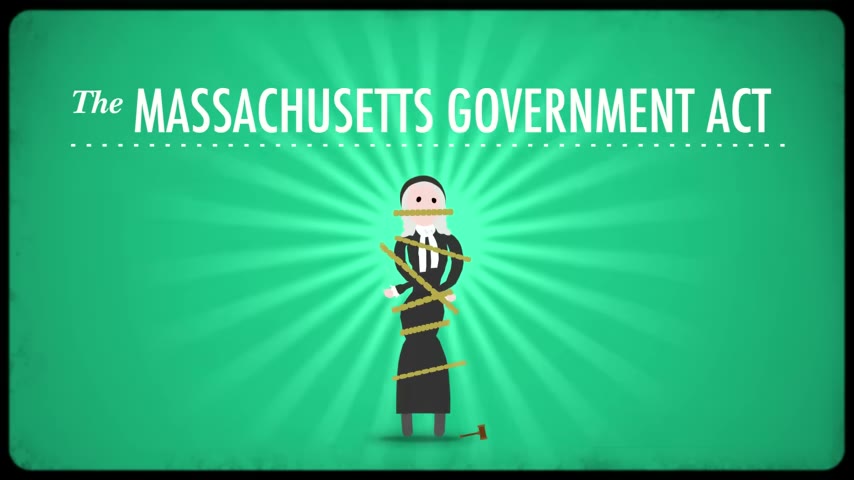
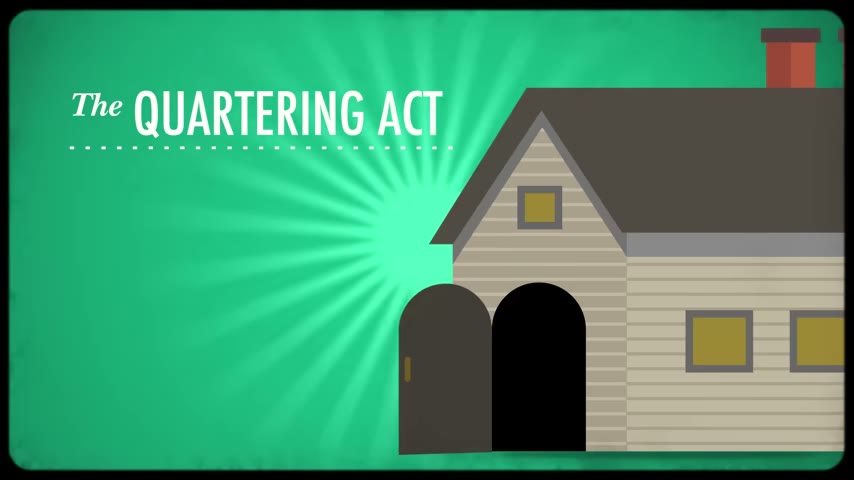
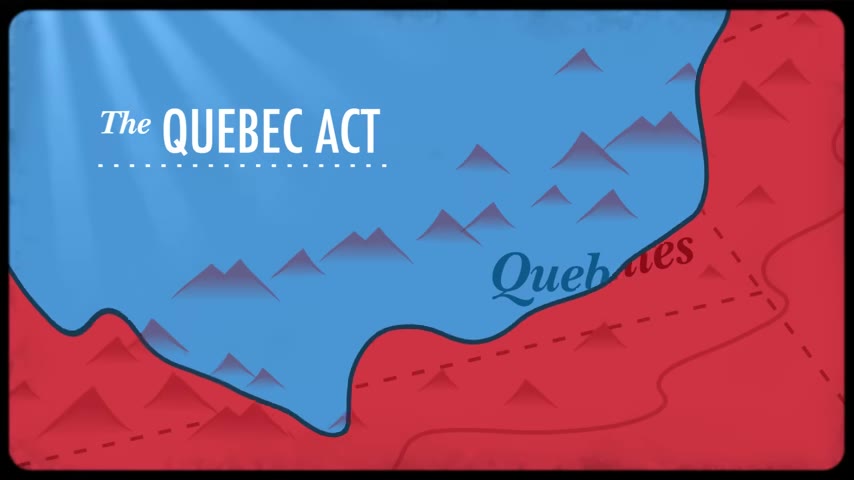
The protesters expected Britain to back down, as it had in 1766 and 1770. Instead Parliament punished Massachusetts with what colonists called the Intolerable Acts (the British name was the Coercive Acts). The Thought Bubble lists three: the Massachusetts Government Act, which curbed town meetings and self-government; the Quartering Act, which let officials house soldiers when needed; and the Quebec Act, which extended Quebec south to the Ohio River and tolerated Catholicism there. Two clarifications. The most immediate punishment, the Boston Port Act, which closed the harbor until the tea was paid for, is not mentioned. And the Quartering Act let soldiers be put in empty buildings such as barns and inns, rather than in people’s private homes, as Green suggests. The Quebec Act was not really aimed at Massachusetts, but Protestant colonists, many shaped by the Great Awakening (episode 4), saw it as part of the same threat.
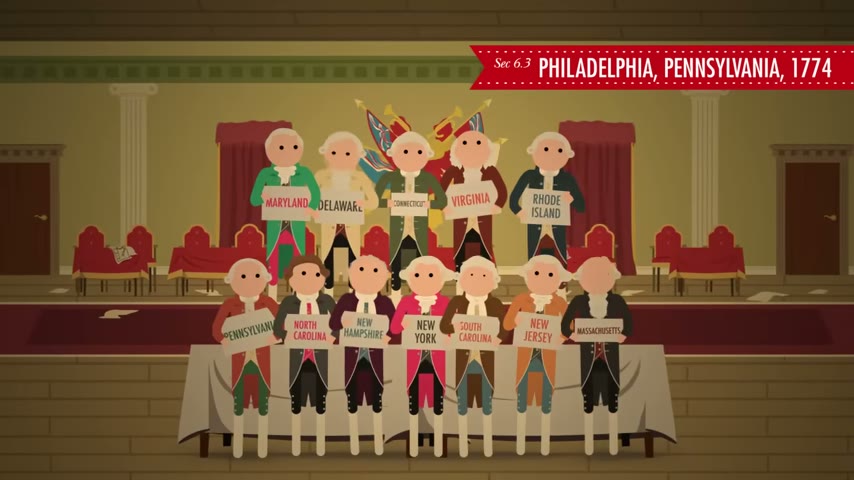
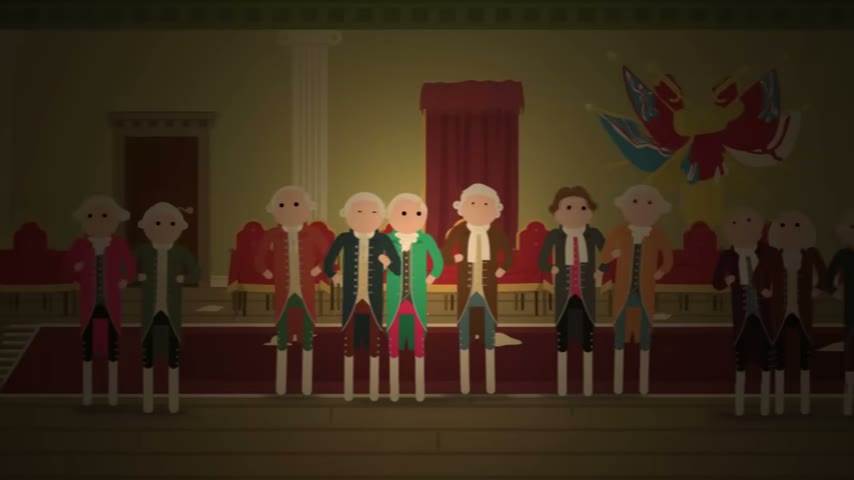
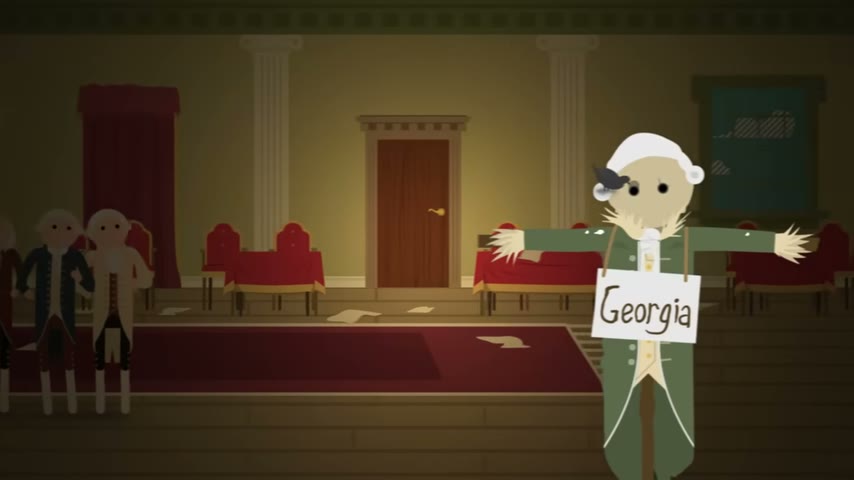
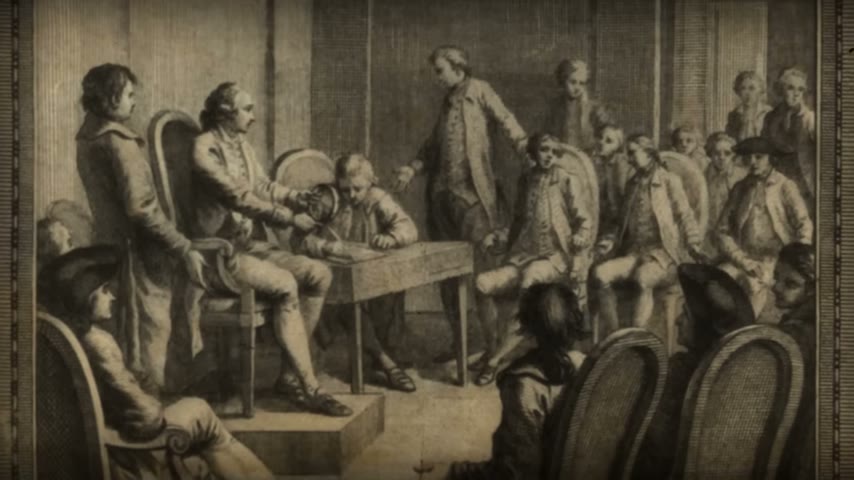
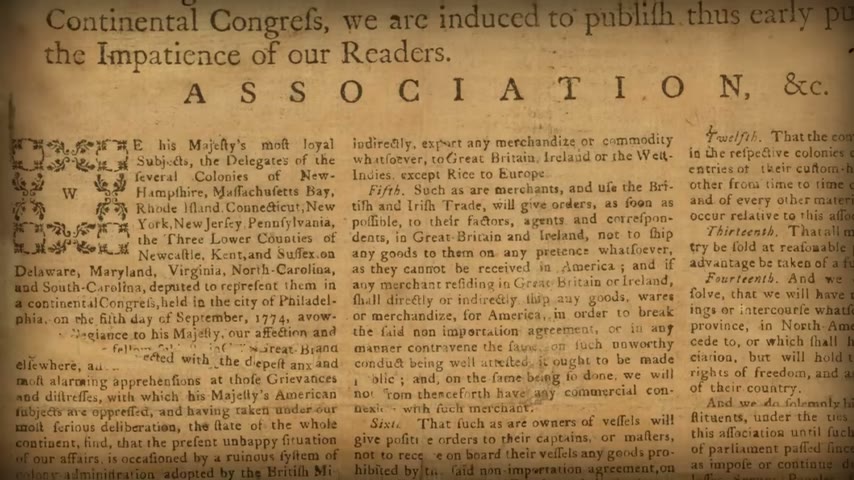
Green calls the colonial response “really the start” of the Revolution. Massachusetts towns adopted resolutions (the best known are the Suffolk Resolves) urging people to disobey the acts, stop paying taxes and prepare to fight. In September 1774 delegates from twelve colonies met in Philadelphia as the First Continental Congress. Georgia, which still relied on British troops against the Creek, stayed away. The Congress created the Continental Association to enforce a boycott and encourage American manufacturing, which made it the first real colony-wide government in British America.
6:33 – 7:34 From the rights of Englishmen to natural rights
Green stresses how big a step the Congress was. Coordinating action is what governments do, so the Congress of 1774 can be called the first American government, and sending delegates to it the first truly revolutionary act. It was still not a call for independence. What changed was the language of protest. At first colonists claimed their rights as English subjects under the English constitution. Now they also appealed to abstract natural rights that belong to all people. The Congress stood between the two: its Declaration and Resolves (October 1774) cited both the English constitution and “the immutable laws of nature”. Green points out that this idea of universal rights later became the modern language of human rights, which leads to his Putin joke.
7:34 – 8:45 Revolution versus war: Lexington, Concord and Bunker Hill
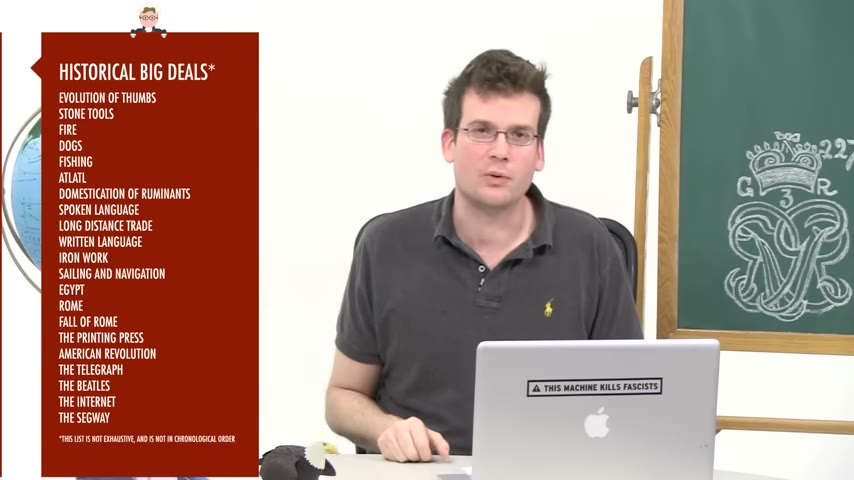
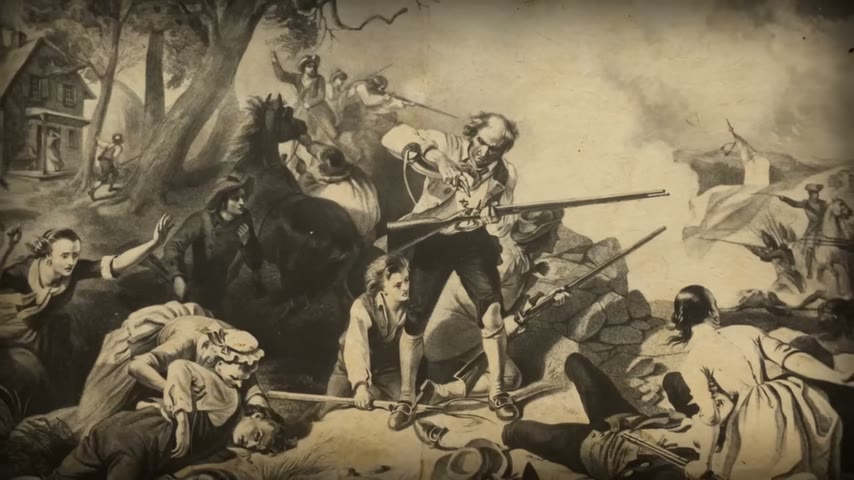
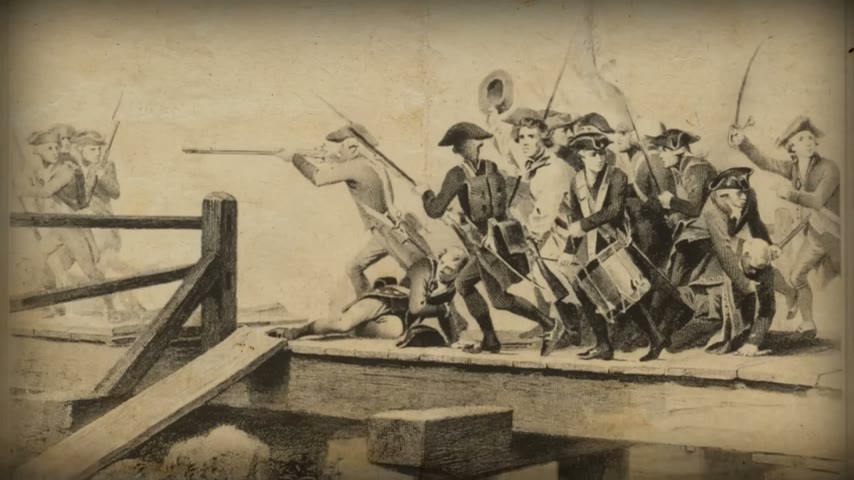
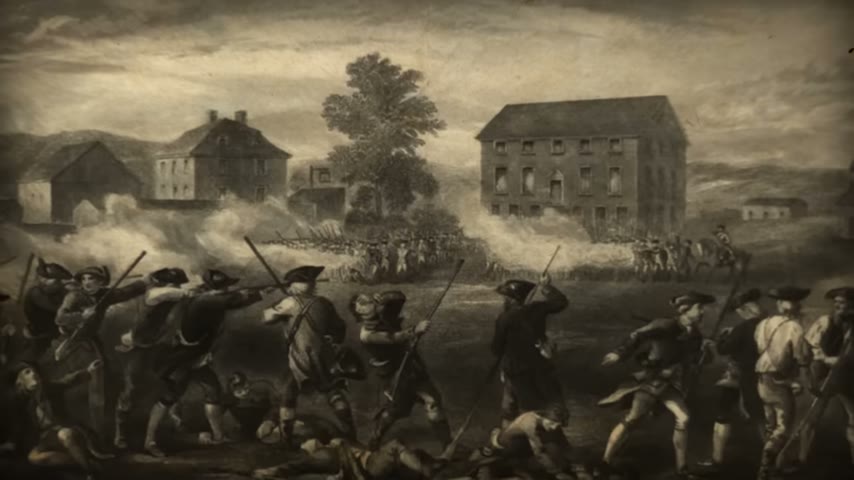
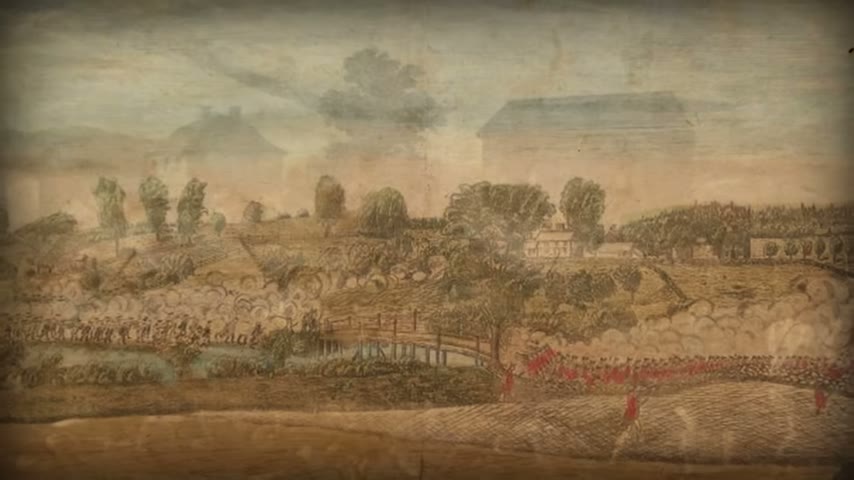
Back to the opening point. The fighting began fifteen months before the Declaration of Independence, and declaring independence does not make a country independent, as Green shows by “founding” John Green-sylvania in his studio. The war began on 19 April 1775, when British troops marched from Boston to seize militia weapons and fought the minutemen at Lexington and then Concord. One correction: the phrase “the shot heard round the world” comes from Ralph Waldo Emerson’s “Concord Hymn” (1837), not from Longfellow, whose poem “Paul Revere’s Ride” (1860) describes the warning ride the night before.
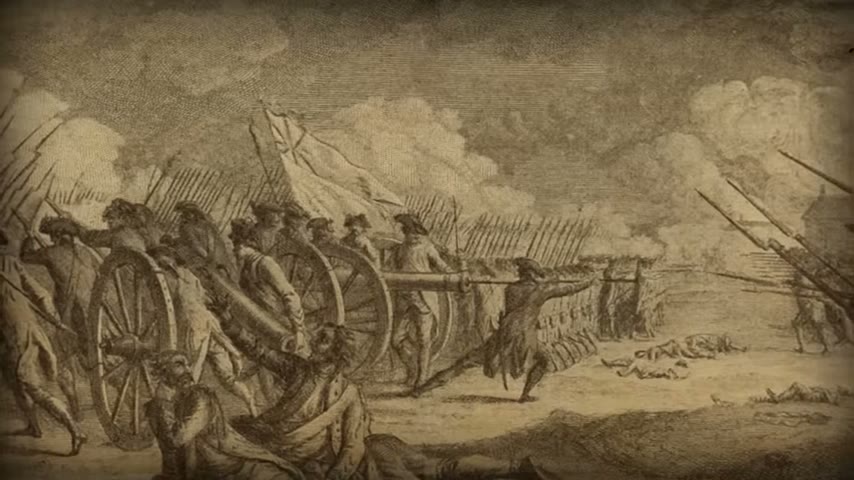
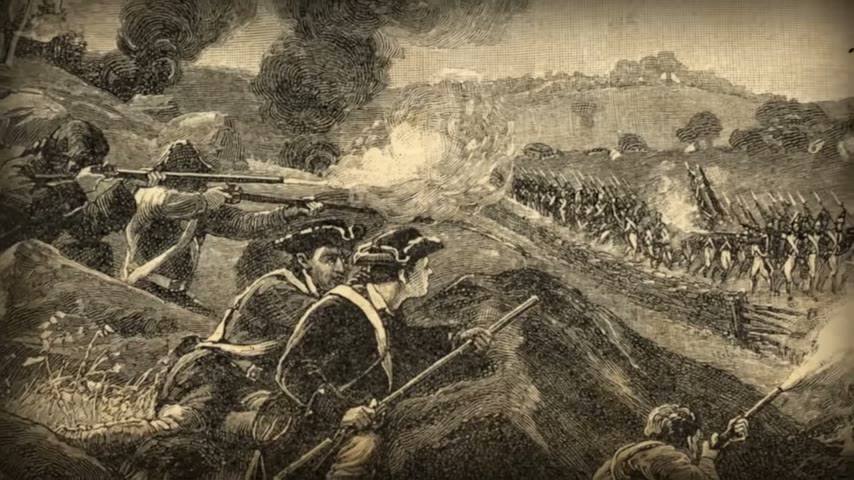
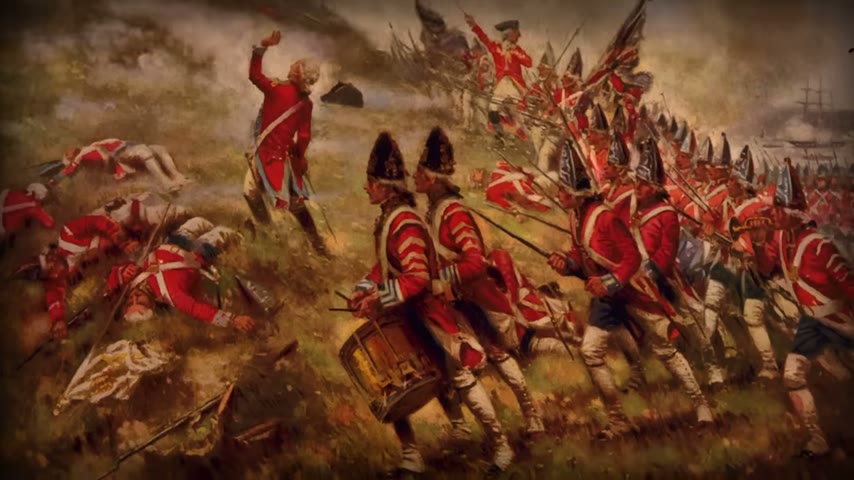
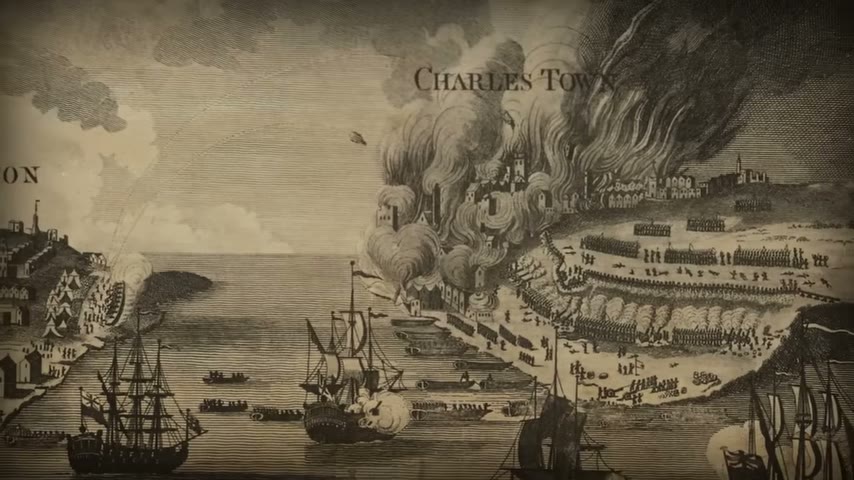
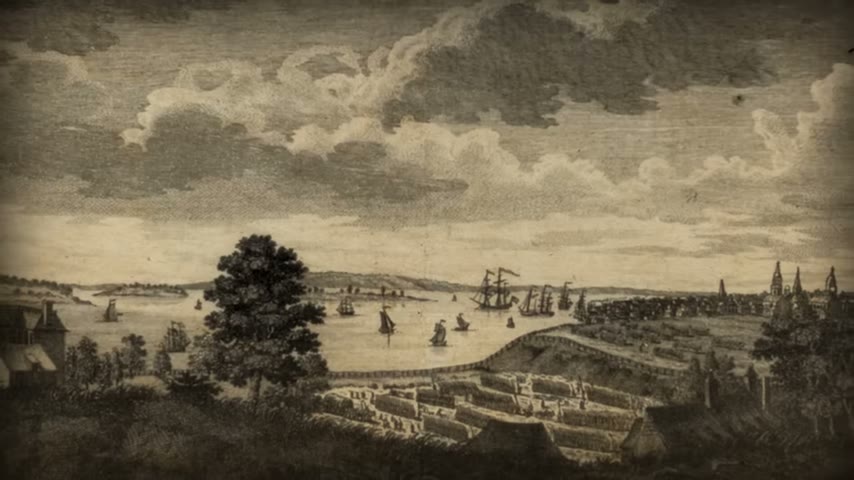
At Bunker Hill (17 June 1775), which was mostly fought on nearby Breed’s Hill, the colonists lost the ground but inflicted heavy British casualties. Green says the British soon had to leave Boston. “Soon” is generous: they withdrew in March 1776, after the Continental Army placed cannon on Dorchester Heights overlooking the town. The British then captured New York in 1776 and held it until the end of the war in 1783. Green closes the chapter with a reminder that many colonists were not for independence. Elites in New York and Pennsylvania especially feared that revolutionary talk would make artisans and small farmers demand a political voice.

8:45 – 10:25 Mystery Document: a Loyalist reply
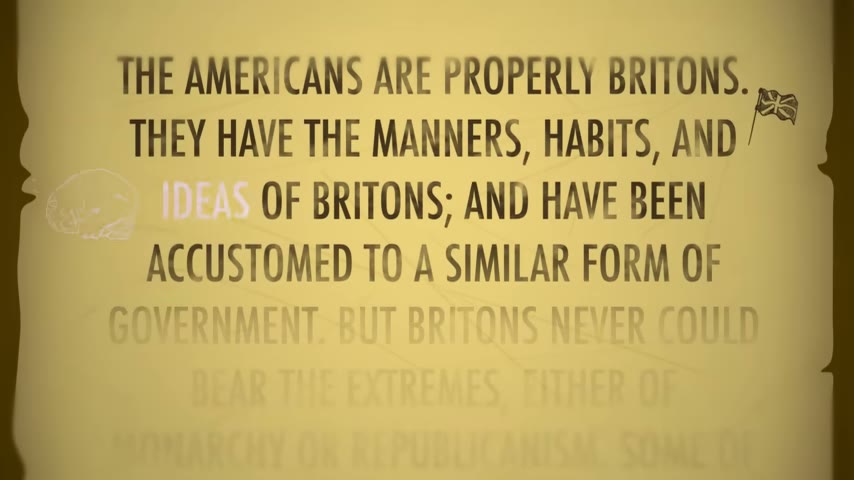
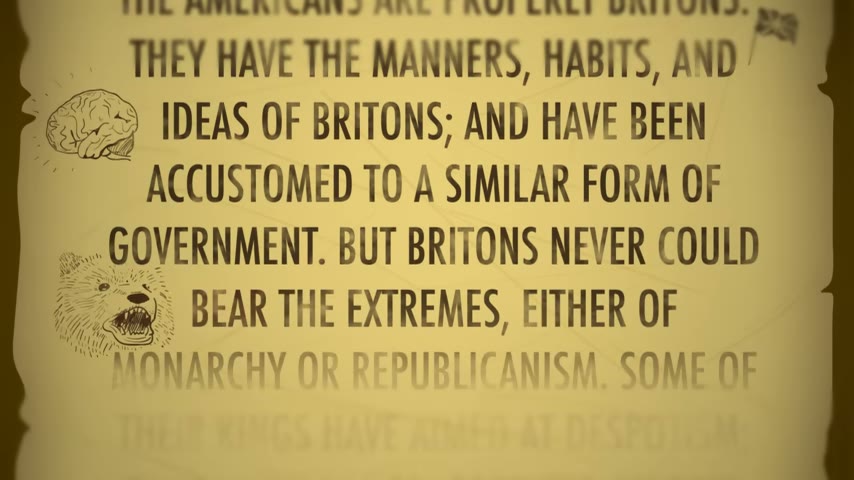
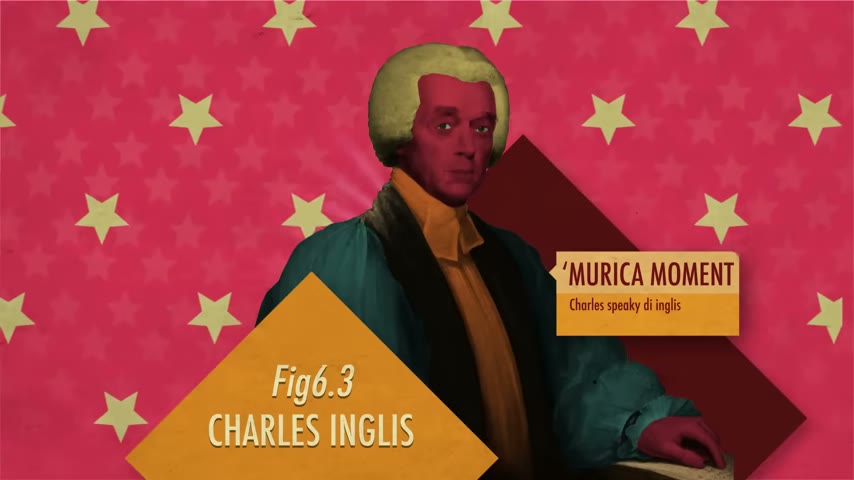
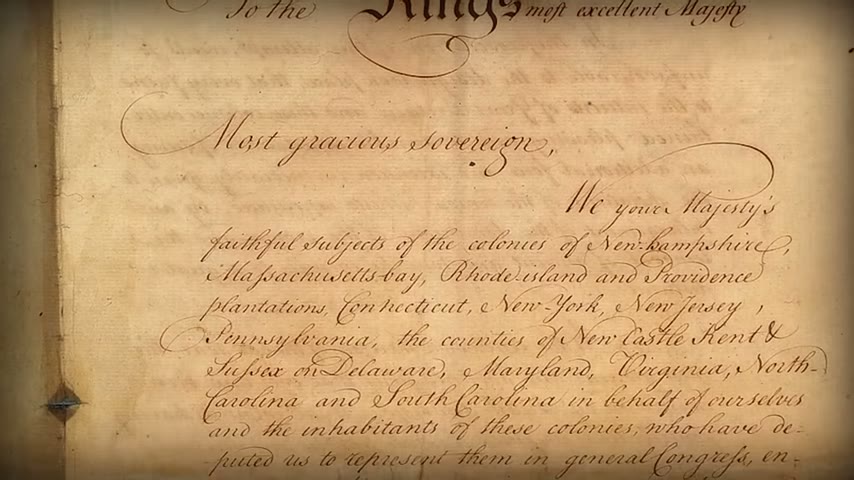
The Mystery Document argues that Americans are really Britons, with British habits and a British kind of government. In this view Britons never accept either extreme, pure monarchy or pure republic, so a republic adopted in the present “ferment” would probably fail in America as it had in Britain. Green correctly works out that the author is an educated colonist opposed to independence, but he guesses William Franklin, Benjamin Franklin’s son, who was the royal governor of New Jersey and a Loyalist. Wrong: it is Charles Inglis (the captions spell it “Ingles”; the on-screen card has the right spelling). Inglis was the Anglican rector of Trinity Church in New York, and the passage comes from his 1776 pamphlet answering Common Sense. Green’s “a bishop or something” is close. Inglis fled to Britain during the war and in 1787 became the first Anglican bishop of Nova Scotia.
Inglis reminds us that many colonists wanted to stay in the empire. Even the Continental Congress, after fighting had begun, sent the Olive Branch Petition to George III in July 1775. It called the colonists loyal subjects who wanted reconciliation. The king refused to receive it and in August declared the colonies to be in rebellion.
10:25 – 11:44 Common Sense
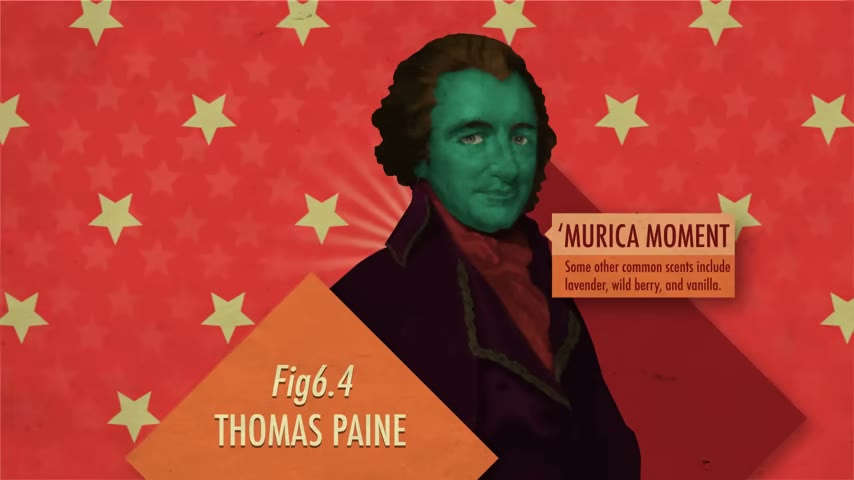
The turning point in opinion was Thomas Paine’s pamphlet Common Sense, published in January 1776. Paine was an Englishman who had arrived in Philadelphia only in late 1774. Green calls it the Harry Potter of its day: written in plain English, quotable and everywhere. Paine attacked the whole idea of hereditary kings, mocked the notion that an island should rule a continent forever, and claimed that America’s cause was the cause of all mankind, an early statement of American exceptionalism (see episode 2). The episode gives sales of about 150,000 copies, a common estimate; it was also read aloud in taverns and camps, so its audience was much larger. One of Green’s “quotations”, about love being our weapon, is a joke and is not from Paine.
Paine’s later life is a footnote: his attacks on organized Christianity in The Age of Reason (1790s) made him so unpopular that only a handful of people came to his funeral in 1809. Green’s conclusion is that Paine’s arguments were one important reason for independence, a case where the pen mattered more than the sword. Within six months of Common Sense, the Second Continental Congress declared independence on 4 July 1776, the subject of episode 7.

Skip list
- 0:27 – 0:36 Theme music.
- 1:13 – 1:21 The “mole-asses” pun.
- 3:54 – 4:03 “Don’t like it when I say we?” and the “Libertage” montage.
- 7:26 – 7:34 The Putin joke.
- 7:51 – 7:58 Declaring John Green-sylvania independent.
- 9:51 – 10:09 The shock-pen reaction (the answer itself is at 9:56).
- 10:56 – 11:02 The fake “weapon we have is love” quotation.
- 11:44 – 12:19 Credits and subscribe reminder.
Key terms
- Mercantilism — an economic policy in which a country regulates colonial trade to benefit itself, for example by taxing foreign goods and limiting colonial manufacturing.
- Sugar Act (1764) — cut the duty on foreign molasses but enforced it, with smuggling cases tried in British courts without juries.
- Stamp Act (1765) — a tax on printed paper in the colonies; repealed in 1766.
- Stamp Act Congress (1765) — meeting of delegates from nine colonies in New York; the first major joint colonial action.
- Sons of Liberty / Daughters of Liberty — patriot groups that organized protests, boycotts and homespun cloth-making.
- Committees of correspondence — local committees that shared news and coordinated resistance between towns and colonies, from 1772.
- Declaratory Act (1766) — stated that Parliament could make laws for the colonies “in all cases whatsoever”.
- Townshend Acts (1767) — duties on glass, lead, paint, paper and tea, plus a new customs board; all repealed in 1770 except the tea tax.
- Boston Massacre (1770) — British soldiers fired on a crowd in Boston, killing five, including Crispus Attucks.
- Tea Act (1773) / Boston Tea Party — tax breaks for East India Company tea, and the protest on 16 December 1773 in which the tea was dumped in Boston Harbor.
- Intolerable (Coercive) Acts (1774) — laws punishing Massachusetts after the Tea Party; colonists also counted the Quebec Act among them.
- First Continental Congress (1774) — meeting of twelve colonies in Philadelphia that set up the Continental Association to enforce a boycott.
- Natural rights — rights believed to belong to all people by nature, not granted by a particular government or constitution.
- Olive Branch Petition (1775) — Congress’s last appeal to George III for reconciliation, which he rejected.
- Loyalists — colonists who stayed loyal to Britain, such as Charles Inglis.
- Common Sense (1776) — Thomas Paine’s pamphlet arguing for independence and against monarchy.
Review questions
- Why does Green say the American Revolution and the American War for Independence are not the same thing?
- Why did Britain decide to tax the colonies after 1763, and how did the new taxes differ from older trade laws?
- If the Sugar Act lowered the tax on molasses, why did colonists object to it?
- Why was the Stamp Act Congress an important step toward colonial unity?
- What did the Declaratory Act claim, and why did it matter even though the Stamp Act was repealed?
- How did the boycotts against the Townshend Acts affect artisans, merchants and women differently?
- Why did colonists destroy tea that had become cheaper, and how did Parliament respond?
- Why does Green call the First Continental Congress the first government of America, even though it did not seek independence?
- How did the colonists’ arguments shift from the rights of Englishmen to natural rights?
- What does Charles Inglis’s argument show about colonists who opposed independence, and why was Common Sense so persuasive by comparison?
FAQ
Was the American Revolution really about taxes?
Only indirectly. Most of the new British taxes of the 1760s and 1770s were small, and the Sugar Act and the Tea Act actually lowered prices. What angered colonists was the principle: Parliament, where they had no members, was taxing them, when their own assemblies had set their taxes for about a century. The slogan 'no taxation without representation' sums up the argument. Over time the dispute widened into a claim to natural rights and, by 1776, into independence.
Why did colonists dump tea in Boston Harbor if the Tea Act made tea cheaper?
The Tea Act of 1773 helped the British East India Company sell tea in America more cheaply, but it kept the old Townshend tax on tea. Smugglers and established tea merchants stood to lose business, and many other colonists feared that if they bought the cheap, taxed tea they would be accepting Parliament's right to tax them. On 16 December 1773 men disguised as Mohawk Indians boarded three ships and threw 342 chests of tea into the harbor.
What were the Intolerable Acts?
The colonists' name for Parliament's punishment of Massachusetts in 1774, which the British called the Coercive Acts. They closed the port of Boston until the tea was paid for (an act the episode does not mention), restricted self-government in Massachusetts, and let officials house soldiers in colonial buildings. Colonists lumped in the separate Quebec Act, which enlarged Quebec south to the Ohio River and tolerated Catholicism there. The acts led directly to the First Continental Congress in September 1774.
What is the difference between the American Revolution and the War for Independence?
In this episode the Revolution means the change in how colonists thought about government and their rights, and the political steps that followed, such as the First Continental Congress. The War for Independence is the fighting, which began at Lexington and Concord on 19 April 1775, fifteen months before the Declaration of Independence. John Adams later made the same point, writing that the real revolution happened in the minds and hearts of the people before the war began.
Who wrote the Mystery Document in this episode?
Charles Inglis, an Anglican clergyman at Trinity Church in New York and a Loyalist. In 1776 he wrote a reply to Thomas Paine's Common Sense arguing that Americans were really Britons and would be better off keeping their mixed British form of government. John Green guesses William Franklin, Benjamin Franklin's Loyalist son, and gets it wrong. Green calls Inglis a bishop; he did become one later, as the first Anglican bishop of Nova Scotia, after fleeing the Revolution.
Studying another course? Paste its YouTube or Bilibili link on the home page to request a handout — or make your own with the desktop app (coming soon).