Crash Course US History #10, Thomas Jefferson & His Democracy — notes and timestamps
Watch the video (13 min)
Watch the original video on YouTube
The full transcript isn't available yet.
The tenth episode of John Green’s Crash Course US History is about Thomas Jefferson as president, from 1801 to 1809. Green opens with the heroic version: the most consistent of the Founders, who built a nation of free, independent farmers. Then he spends 13 minutes showing how messy the record is. Jefferson’s election in 1800 was a real step toward democracy, but his “liberty” left out most people. He wanted a small government, yet he doubled the size of the country with a purchase the Constitution did not mention and stopped all foreign trade with an embargo. Along the way the episode covers Gabriel’s Rebellion, John Marshall and the Supreme Court’s power of judicial review. These notes follow the episode’s order, mark the jokes, and add short corrections where the quick version leaves something out. Episode 9, on the first parties and the fight between Hamilton and Jefferson, is useful background.
Key takeaways
- The election of 1800 was the first peaceful handover of power between rival parties. A flaw in the Electoral College produced a tie, the House picked Jefferson, and the 12th Amendment followed (0:42).
- “Jefferson and Liberty” did not include everyone. Only some white men could vote, and Jefferson enslaved hundreds of people and wrote that Black people were inferior (2:22).
- Enslaved people wanted liberty too. Gabriel’s Rebellion of 1800 was discovered before it began, and Virginia answered with harsher slave laws (3:42).
- Jefferson’s program was a small, cheap government. Lower taxes, less debt, a smaller army and navy, and a republic of farmers, although the Barbary pirates soon showed why a navy mattered (6:01).
- Marbury v. Madison (1803) gave the Supreme Court judicial review, a power not written in the Constitution, under the Federalist chief justice John Marshall (7:07).
- The Louisiana Purchase broke Jefferson’s own rule of strict construction, but it gave him land for the farming republic he wanted (8:31).
- The Embargo of 1807 failed on every count. It did not change British or French policy, it hurt the economy, it encouraged manufacturing, and it expanded federal power (10:16).
Chapter notes
0:00 – 0:42 The heroic version of Jefferson
Green starts with a deliberately wrong summary. In it, America becomes the richest country in the 19th century by staying a nation of small farmers who avoid factories and world trade, all thanks to Jefferson, the most consistent of the Founders. Both halves are false. The US did become a great economic power, but by industrializing, and the episode will show that Jefferson was far from consistent. The true details are thrown in as decoration: Jefferson did found the University of Virginia (in 1819, after his presidency), and he was a keen gardener at Monticello, his Virginia plantation. “Me from the past” falls for it, and Green’s verdict is that Jefferson is more complicated than that.
0:42 – 2:02 The election of 1800
The 1800 race pitted Jefferson, leader of the Republicans (often called Democratic-Republicans), against the sitting president, John Adams, a Federalist. Green calls it the first election in which both parties ran candidates and really campaigned. A small qualification: the 1796 race had also been Adams against Jefferson, but in 1800 the parties were much better organized, with newspapers, local committees and agreed tickets. The Federalists’ tone, which Green sums up as “vote for Adams because he is better than you”, did not win.

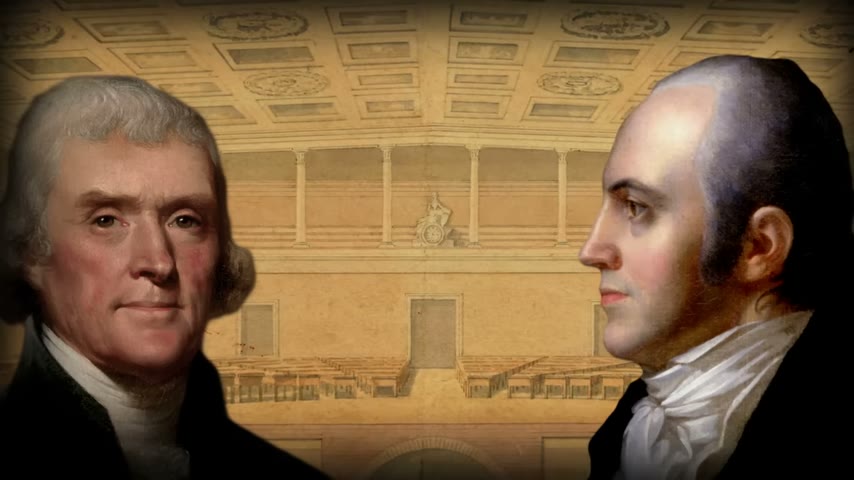
The tie happened because of how the Constitution first worked. Each elector cast two votes for president, without marking one for vice president; the runner-up became vice president. A party’s electors were supposed to give one fewer vote to its vice-presidential candidate, but the Republican elector meant to “throw away” his second vote did not. Jefferson and his running mate, Aaron Burr, tied at 73 votes each.
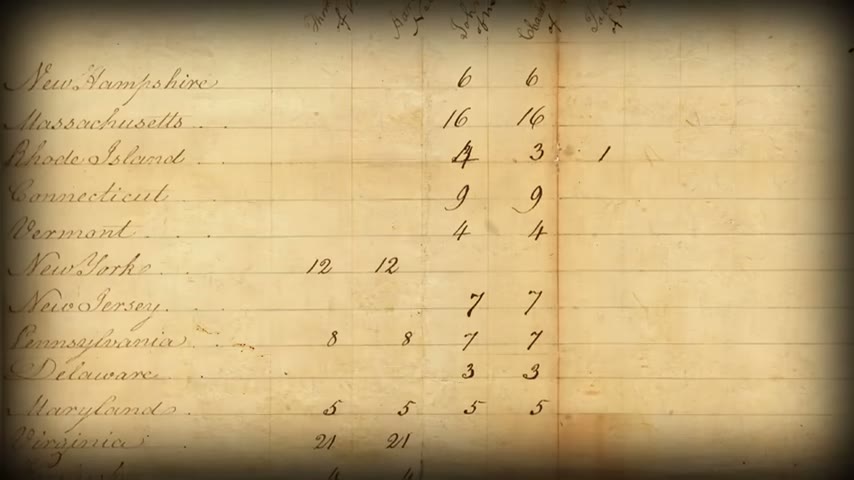
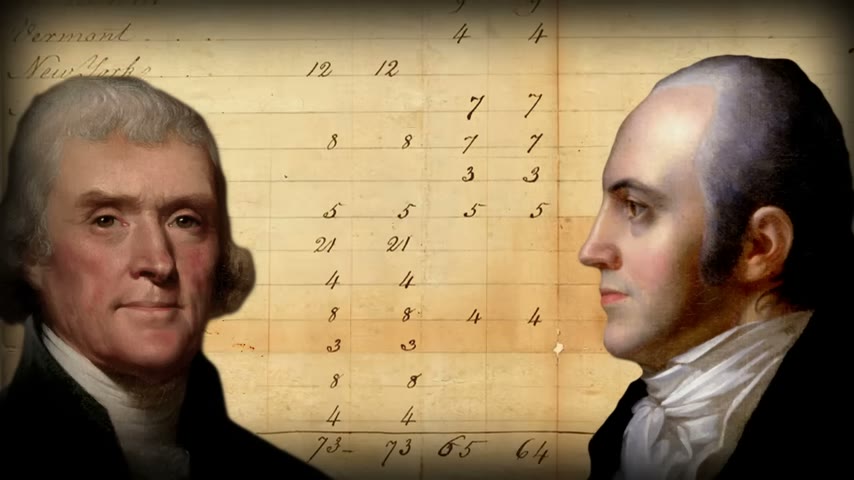
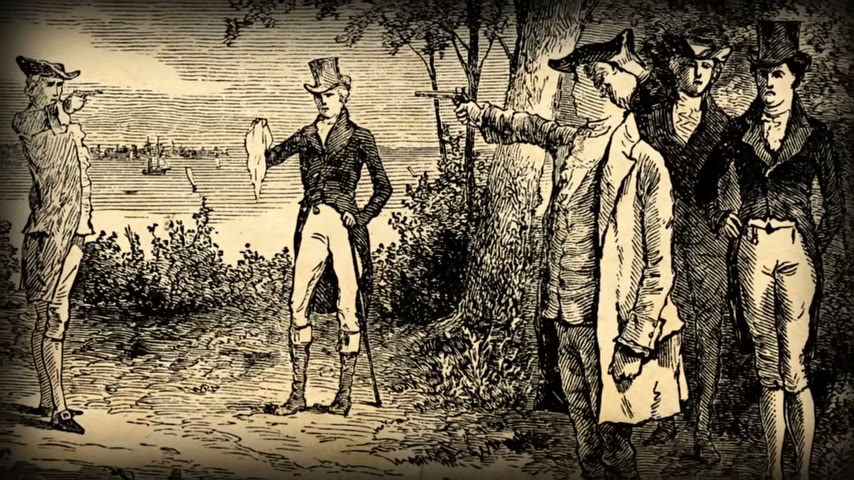
Under the Constitution the tie went to the House of Representatives, where each state delegation had one vote. It took 36 ballots, in February 1801, before Jefferson won. Alexander Hamilton helped by urging Federalists to accept Jefferson, whom he disagreed with, over Burr, whom he distrusted. Green adds that the hatred between Burr and Hamilton was real: in 1804 Burr, then vice president, killed Hamilton in a duel at Weehawken, New Jersey.
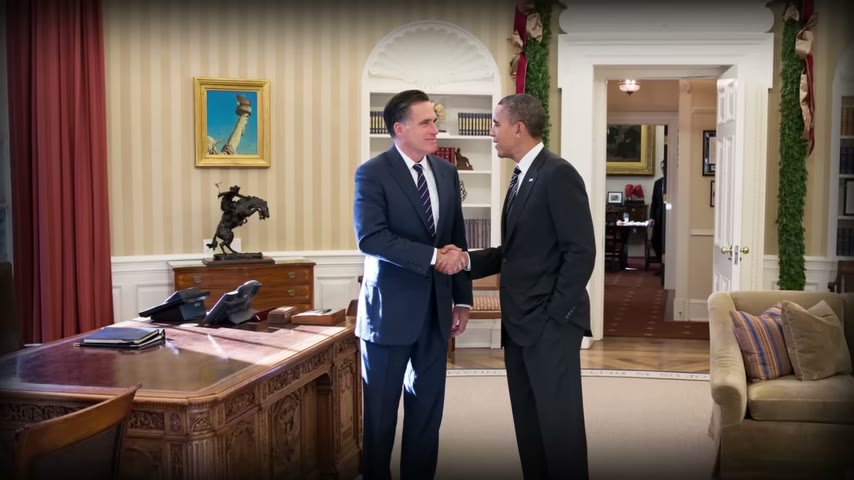
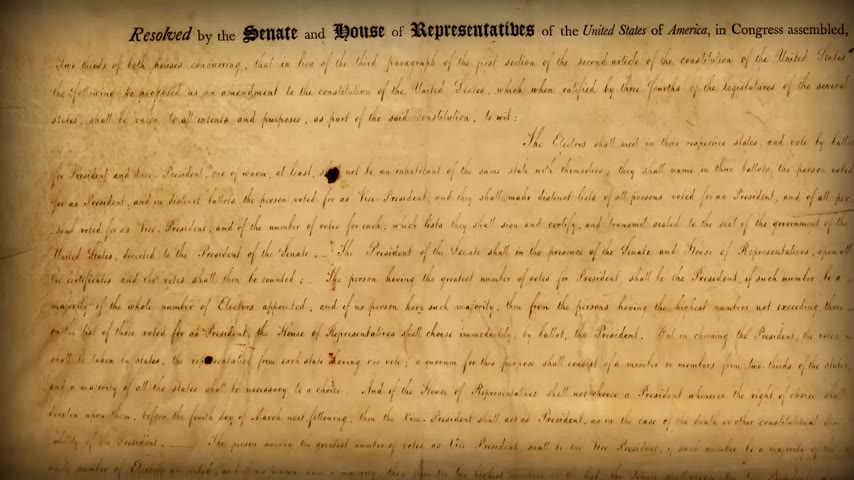
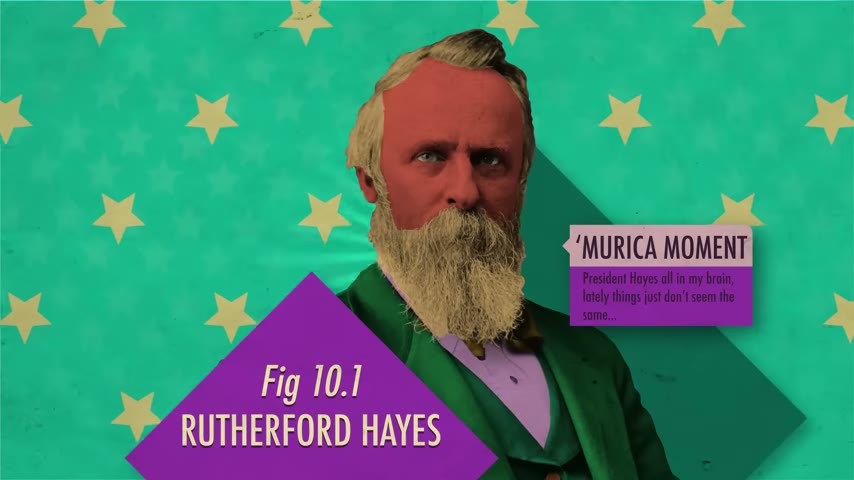
Soon after, the 12th Amendment (ratified 1804) made electors cast separate votes for president and vice president, which ended this kind of tie. Green jokes that the Electoral College is still not as simple as one person, one vote, and that without it the country would not have had Rutherford B. Hayes and his beard. That is roughly true: Hayes lost the popular vote in 1876 and won only after a special commission awarded him disputed electoral votes.
2:02 – 3:11 “Jefferson and Liberty”, and who it left out
Green’s verdict on 1800 is positive. Voters showed that they wanted a more democratic politics, the Federalists never won the presidency again, and Adams handed power to his rival in an orderly way. Historians often call this the “Revolution of 1800” for that reason: power passed between opposing parties without violence. But the Republican slogan, “Jefferson and Liberty”, had limits. Many states still required voters to own property or pay taxes, so only part of the white male population could vote, and enslaved people had no liberty at all.
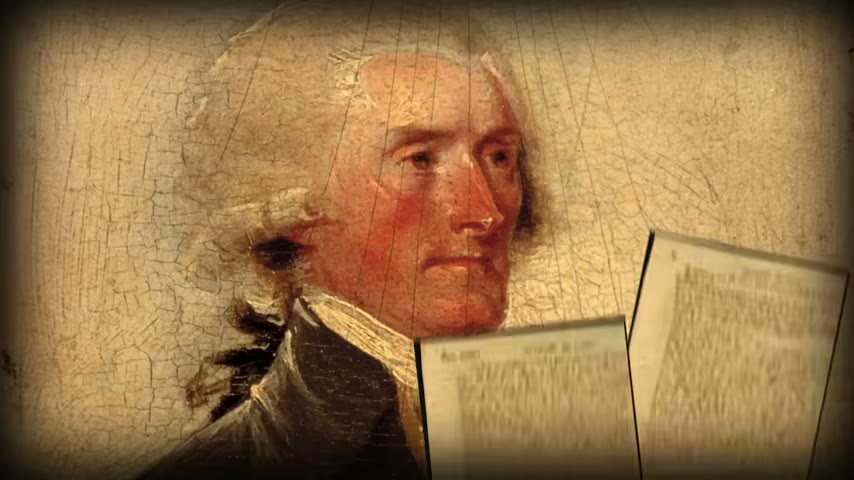
Then Green gives his own view on Jefferson and slavery. Jefferson was a racist by any standard: in his Notes on the State of Virginia he wrote that Black people were inferior to white people and to Native Americans. He also fathered children with Sally Hemings, an enslaved woman at Monticello, and Green says that relationship does not change the judgment. (Historians now generally accept that Jefferson was the father of Hemings’s children, based on DNA evidence and the historical record.)
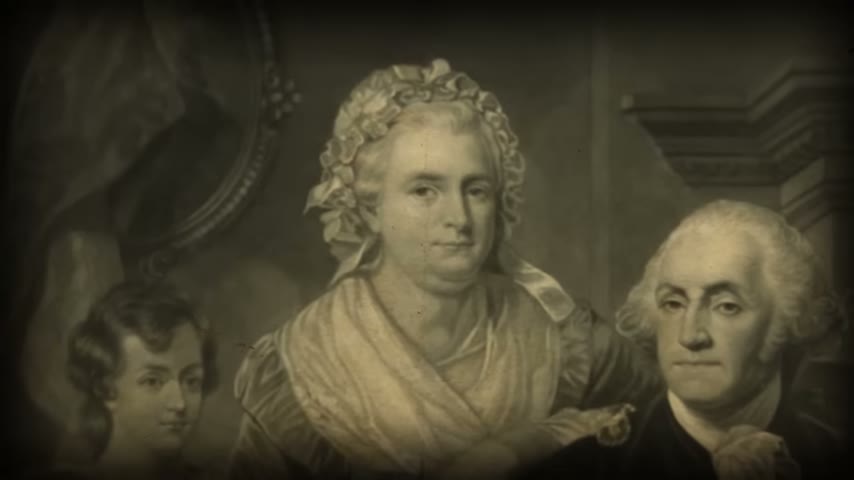
For comparison, Green brings in George Washington. Washington’s will freed the people he enslaved after his wife Martha’s death; Martha, uneasy living among people who were waiting for her to die, freed them early, in 1801. Note that this covered only Washington’s own slaves. The larger group that belonged to Martha’s first husband’s estate stayed enslaved. Jefferson, by contrast, freed only a handful of people, all members of the Hemings family. He sold enslaved people to pay for his way of life, and after his death most of the rest were sold to pay his debts.
3:11 – 3:42 Two hard questions about Jefferson
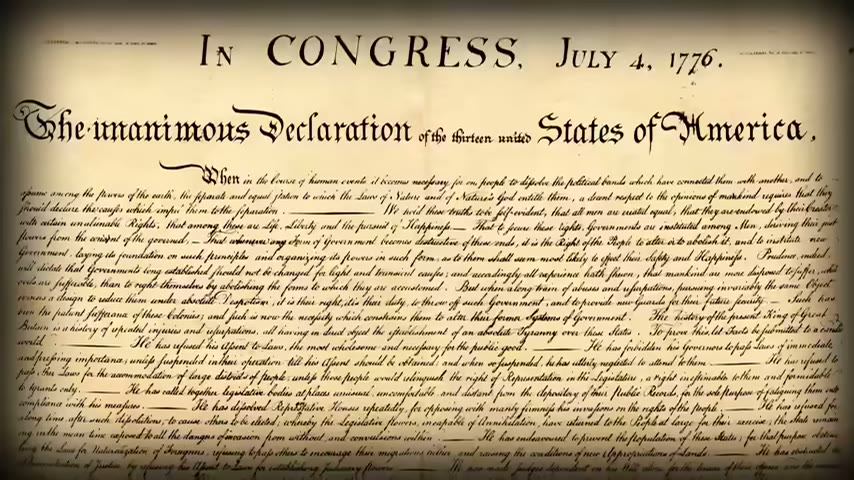
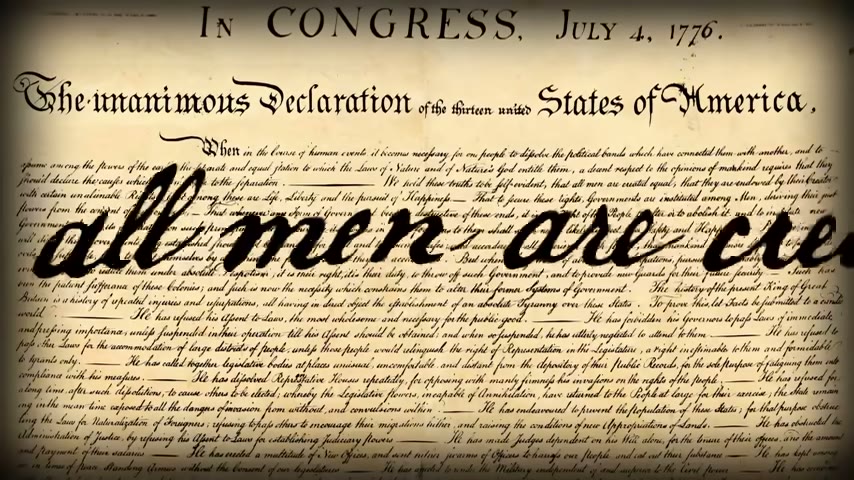
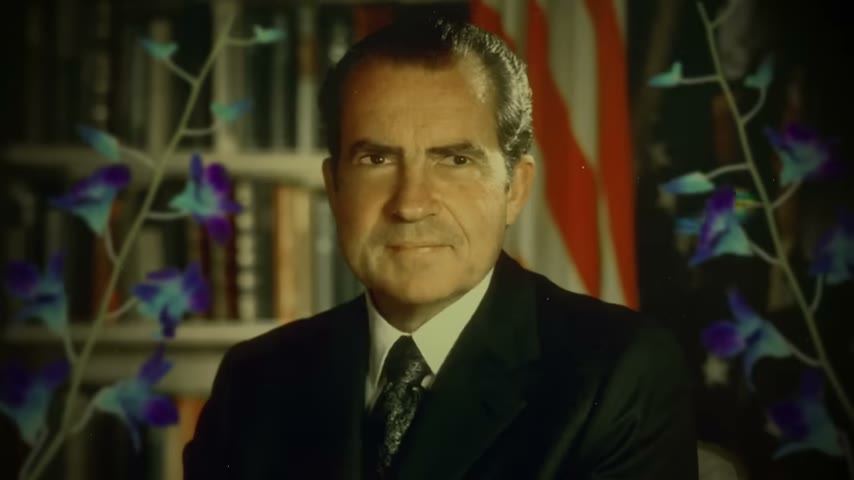
Green turns this into two questions for the viewer. First, if Jefferson did not see Black people as equals and was comfortable keeping them enslaved, what did he mean when he wrote in the Declaration of Independence that “all men are created equal”? Second, and broader: should the bad parts of a historical figure’s character reduce how we judge their achievements? Green says he has no tidy answer. His example is Richard Nixon, who signed the law creating the Environmental Protection Agency in 1970 but is remembered almost entirely for Watergate. Both questions make good essay prompts.
3:42 – 4:25 Gabriel’s Rebellion
Green stresses that enslaved people knew the ideas of liberty and wanted it for themselves. In 1800, the year of the election, an enslaved blacksmith near Richmond named Gabriel (often called Gabriel Prosser, after his enslaver) organized one of the first large slave uprisings in the US. The plan was to take the Virginia capital, kill some of its white residents and hold others hostage until slavery was ended. A storm delayed the attack and two enslaved men told the authorities, so it never began. Gabriel and 25 others were hanged. Virginia’s response was harsher laws: enslaved people could no longer gather on Sundays without white supervision, and it became harder for owners to free the people they enslaved.
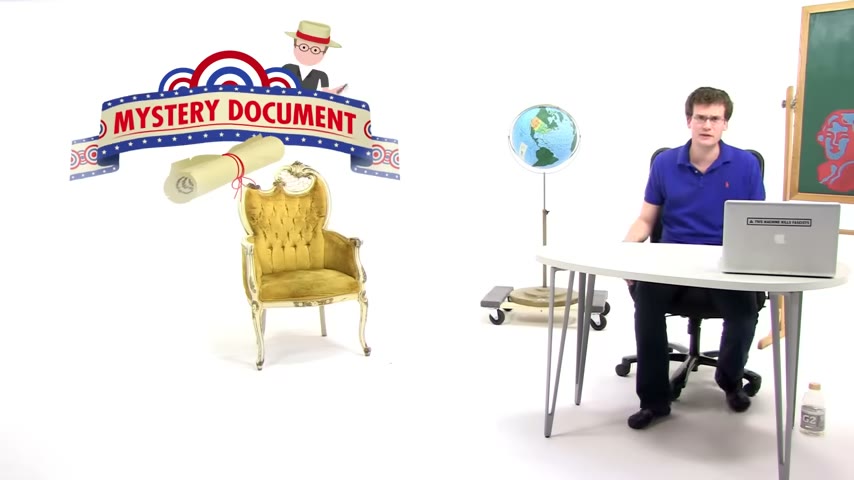
4:25 – 6:01 Mystery Document: George Tucker on slave revolt
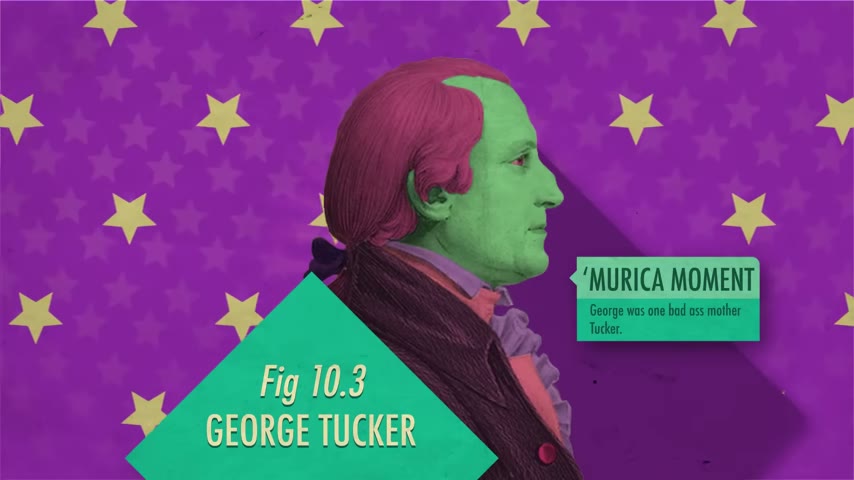
The Mystery Document is a passage arguing that the love of freedom is born into every person, including the enslaved. Slavery can hold that feeling down for a time, the writer says, but knowledge brings it back, and enslaved people everywhere have revolted whenever they had the chance. Green rules out an enslaved author, since enslaved people were kept from education for exactly this reason. He guesses John Jay and is shocked.
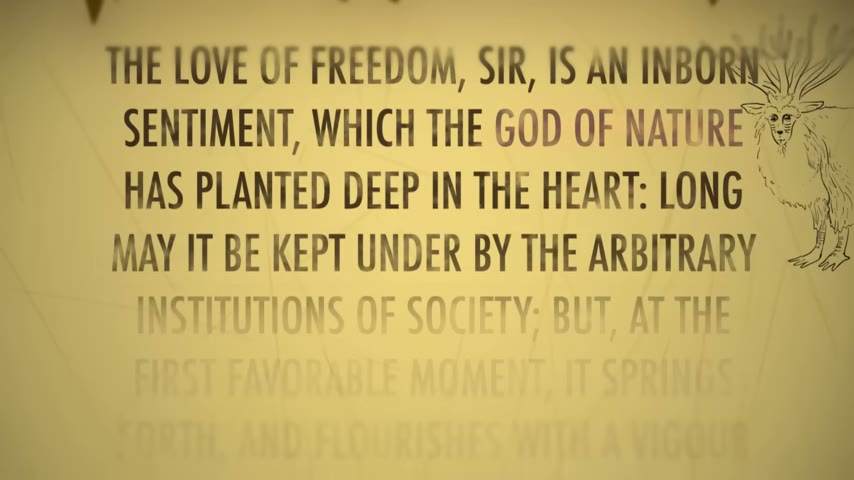
The author was George Tucker, a young Virginia lawyer who later served in Congress and taught at Jefferson’s University of Virginia. He wrote the pamphlet, addressed to a member of the Virginia General Assembly, after Gabriel’s Rebellion. His point was that revolts would keep happening, so his solution was to move freed slaves out of the state to a separate colony; the episode says he proposed land in Georgia’s Indian territory. Green points out the flaw: that land was itself about to be taken from Native nations. Tucker’s argument is a useful example of a white Southerner who saw slavery as dangerous but still could not imagine Black and white Americans living together as free people.
6:01 – 7:07 Small government, and the Barbary pirates
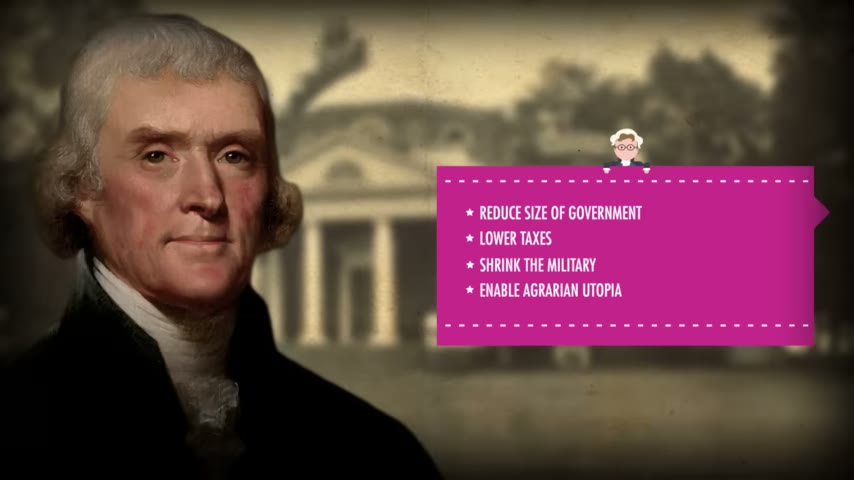
Back to Jefferson’s plan as president: a smaller government, lower taxes, a smaller military, and an “empire of liberty” made of farms rather than an English-style industrial, trading state. At first it worked well. With his Treasury Secretary, Albert Gallatin, he repealed the internal taxes, including the unpopular whiskey tax, leaving the tariff on imports as the main source of federal money. He paid down a large part of the national debt and cut the army and navy. Green’s claim that this kept America from becoming a centralized state for 60 years points ahead to the Civil War, when the federal government grew sharply.
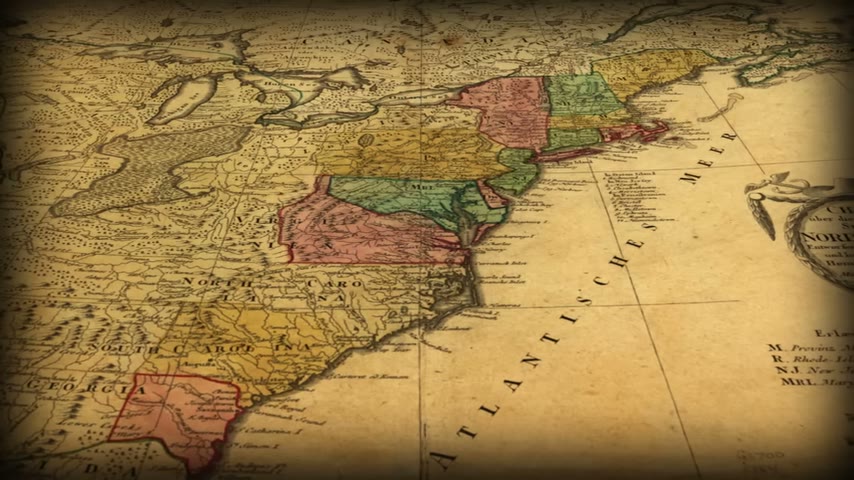
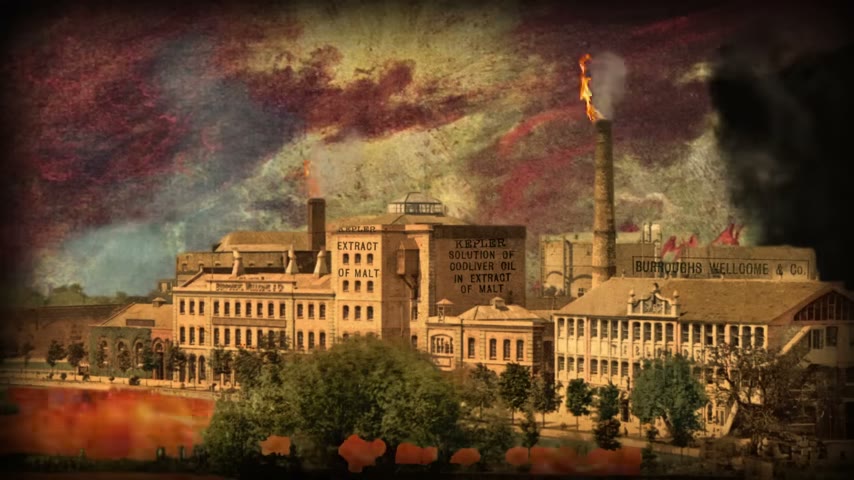
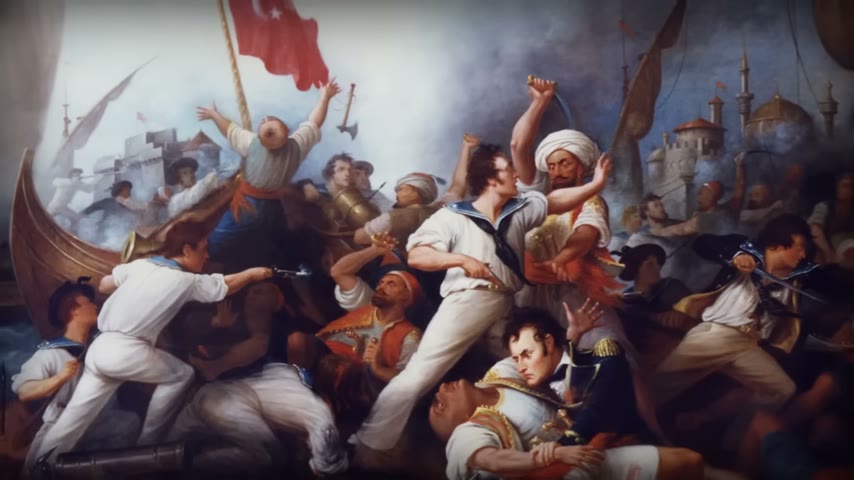
The weak point was the navy. North African states on the Barbary Coast (Tripoli, Algiers, Tunis and Morocco) seized American merchant ships in the Mediterranean and enslaved their crews unless the US paid tribute. Here Green’s “no navy” line goes too far: Jefferson did send warships. When Tripoli demanded more money in 1801, he refused, and the First Barbary War (1801–1805) followed. The Marines’ line about “the shores of Tripoli” comes from the 1805 attack on Derna. Green’s broader point stands: events abroad kept getting in the way of Jefferson’s plan to spend little on defense.

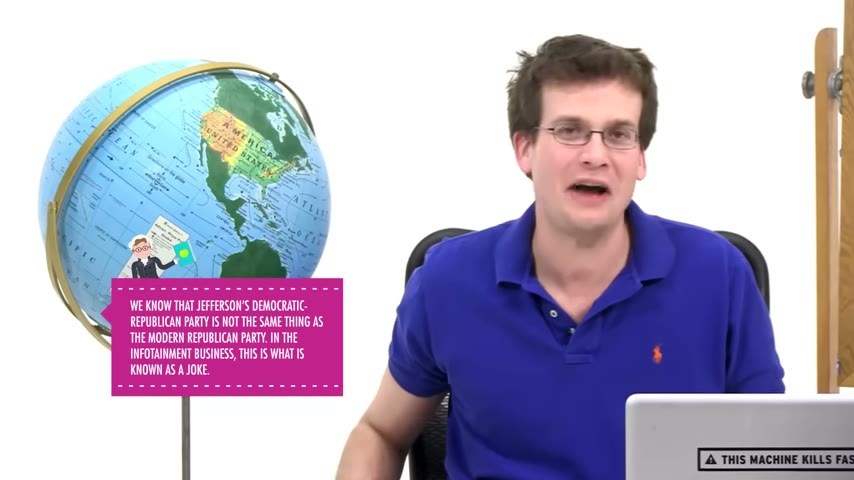
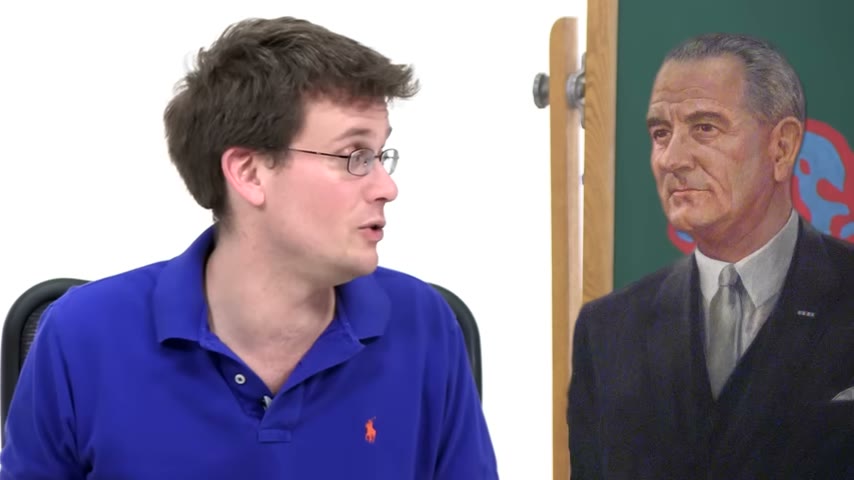
Green then jokes that Jefferson was the last Republican president who did not want to spend money on the military, and adds that Democrats can do it too, with a look at Lyndon Johnson. The on-screen note is the correction: Jefferson’s Democratic-Republicans are not today’s Republican Party. In fact the modern Democratic Party traces its roots to them.
7:07 – 8:31 John Marshall and judicial review
Jefferson filled most government jobs with Republicans, but he could not touch the Supreme Court, whose justices serve for life and had all been appointed by Federalists. (Green says the Court was “imminently conservative”; he means eminently.) The most important of them was the chief justice, John Marshall, a Federalist whom Adams appointed in 1801. Marshall led the Court for 34 years, until 1835, and Green calls him the most important figure in the Court’s history.
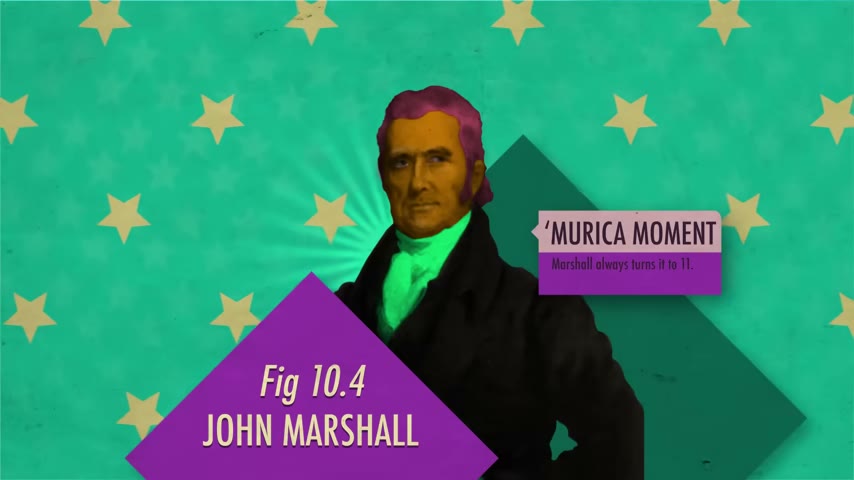
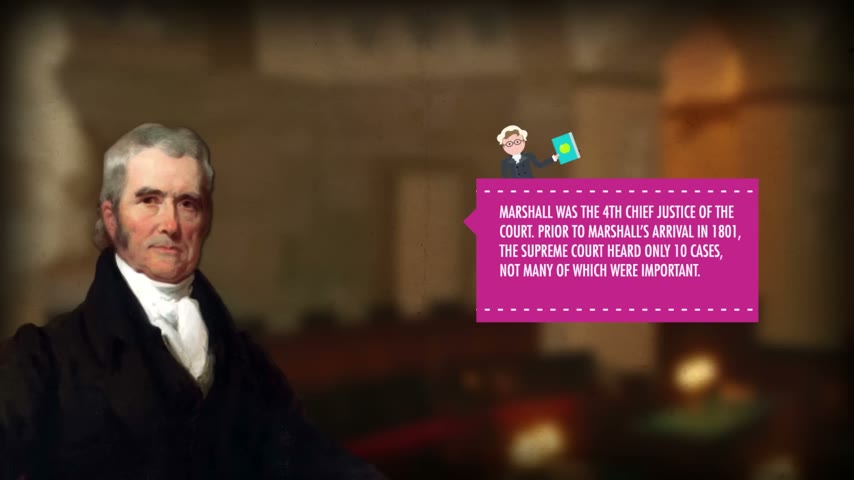
His most important decision was Marbury v. Madison (1803). In it, the Court claimed the power of judicial review: the power to decide whether a federal law fits the Constitution and to strike it down if it does not. The Court later applied this to state laws in Fletcher v. Peck (1810) and, in time, to actions of the president. Green’s key point is that judicial review is not spelled out anywhere in the Constitution. Without it, he argues, the Court would be a footnote. The background, from the on-screen note: Marbury was one of Adams’s last-minute appointees, a justice of the peace, and Jefferson’s Secretary of State, James Madison, refused to deliver his commission. Marshall ruled that Marbury had a right to the job but that the law letting the Court order it was unconstitutional. So Marbury lost, Jefferson got his way, and the Court gained a much bigger power.
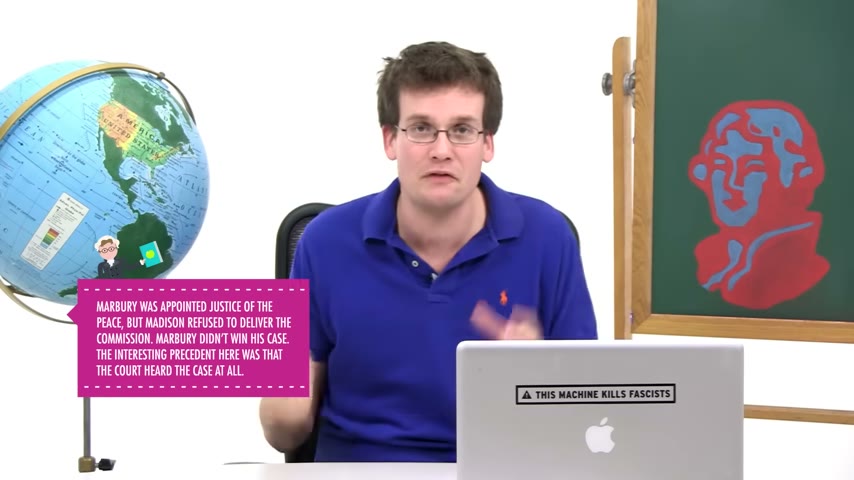
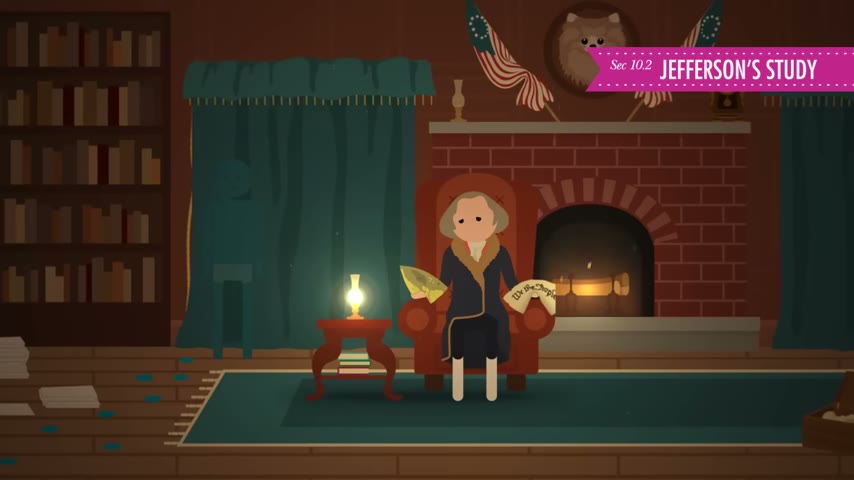
Jefferson and the Republicans believed in strict construction: reading the Constitution as literally as possible, so the federal government could do only what the text clearly allows. The trouble is that a government will sometimes want to do things the framers never thought of, such as buying a huge piece of land from Napoleon.
8:31 – 10:15 Thought Bubble: the Louisiana Purchase
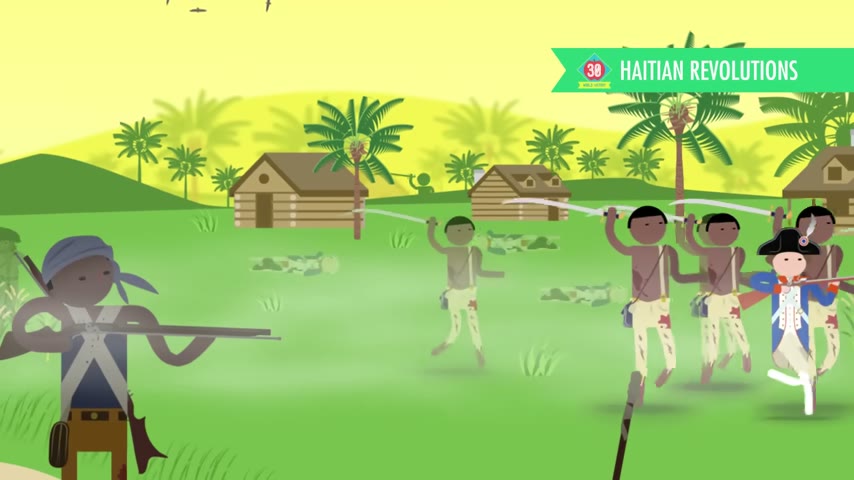
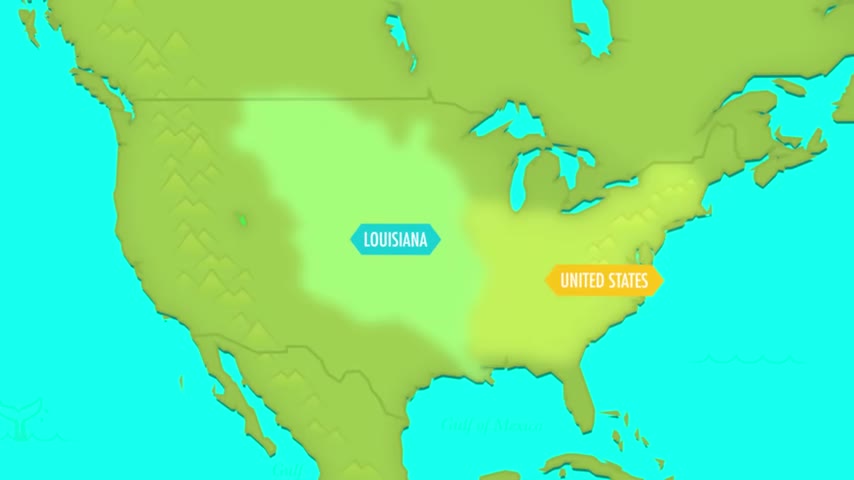
The Thought Bubble tells the story of the Louisiana Purchase of 1803, which roughly doubled the size of the United States. Napoleon was willing to sell for two reasons. The revolution in Haiti, where formerly enslaved people defeated a large French army, had ended his hopes of a rich empire in the Americas, and he needed money for his wars in Europe.
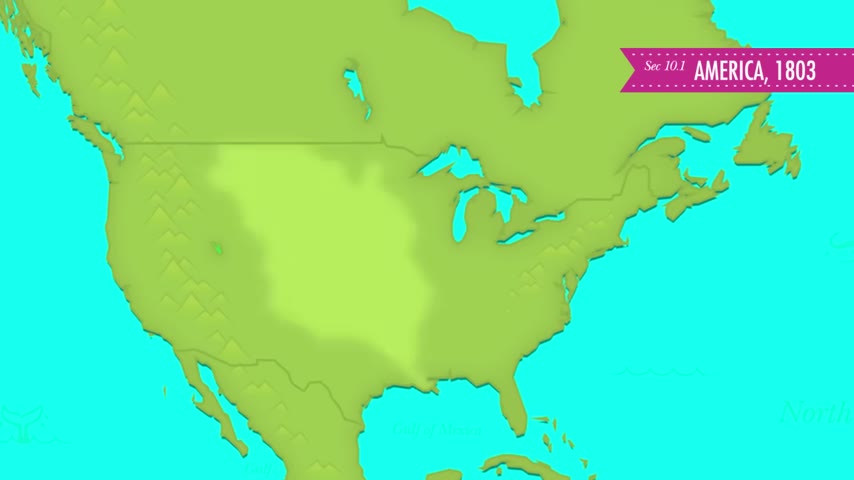
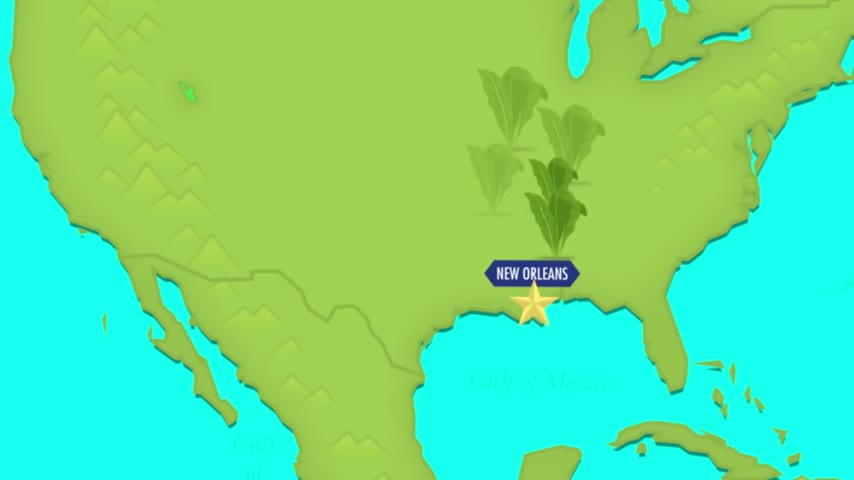
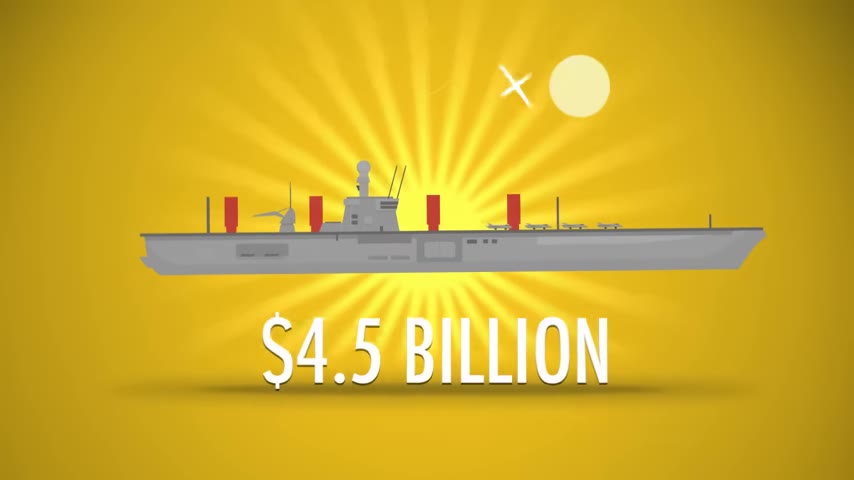
Jefferson had only wanted New Orleans. Western farmers shipped their crops down the Mississippi and out through the port, so whoever held it could cut off their trade. When his diplomats, Robert Livingston and James Monroe, asked about the city, France offered the whole territory. The US paid $15 million. Green says that is about $250 million in today’s money, a bargain beside a $4.5 billion aircraft carrier. Modern estimates of the figure vary a lot depending on the method, but it was cheap by any measure: roughly three cents an acre.
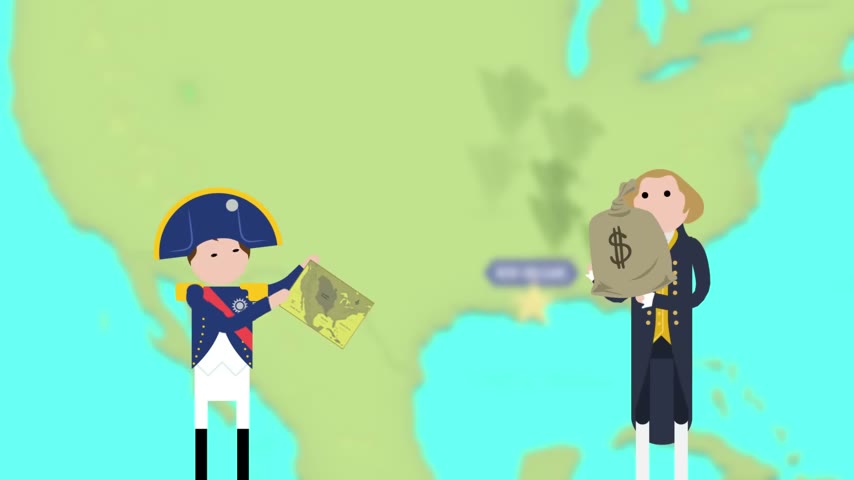
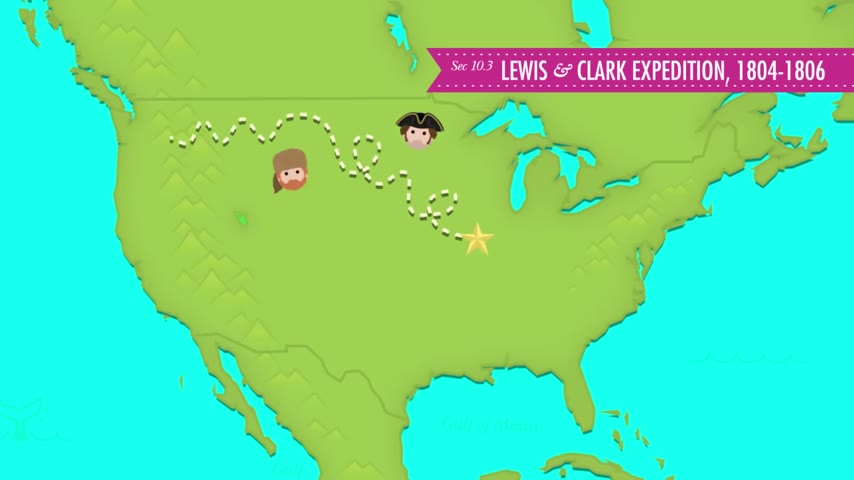
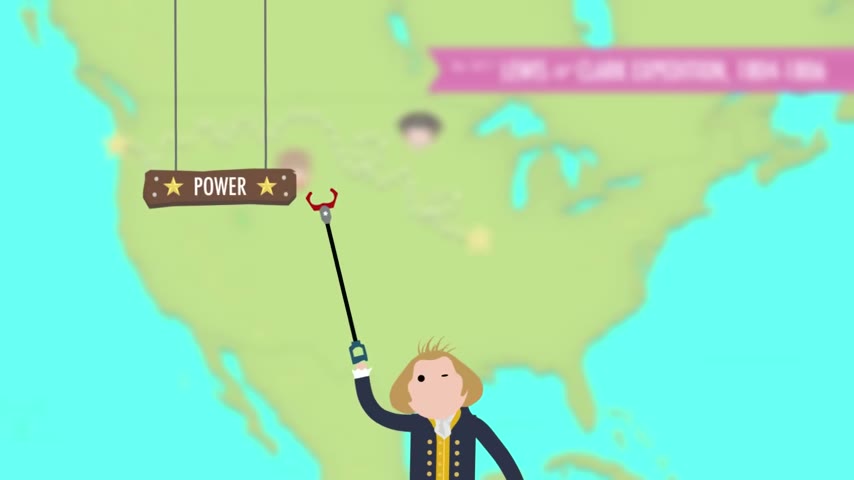
The problem was constitutional. Nothing in the Constitution says the president can buy land to enlarge the country, and Jefferson, the strict constructionist, knew it. He considered asking for a constitutional amendment, then dropped the idea rather than risk losing the deal, and the Senate ratified the treaty. Green calls the purchase “kind of unconstitutional” and a big power grab for the president. Most historians would put it more gently: it rested on the treaty-making power, but it did go against the narrow reading Jefferson had argued for. Jefferson then sent Meriwether Lewis and William Clark to explore the new land (1804–1806), and they went beyond it, all the way to the Pacific.
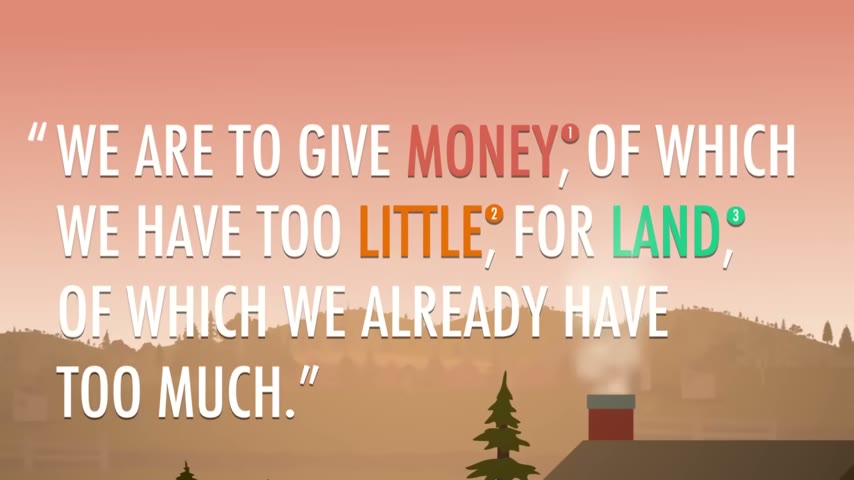
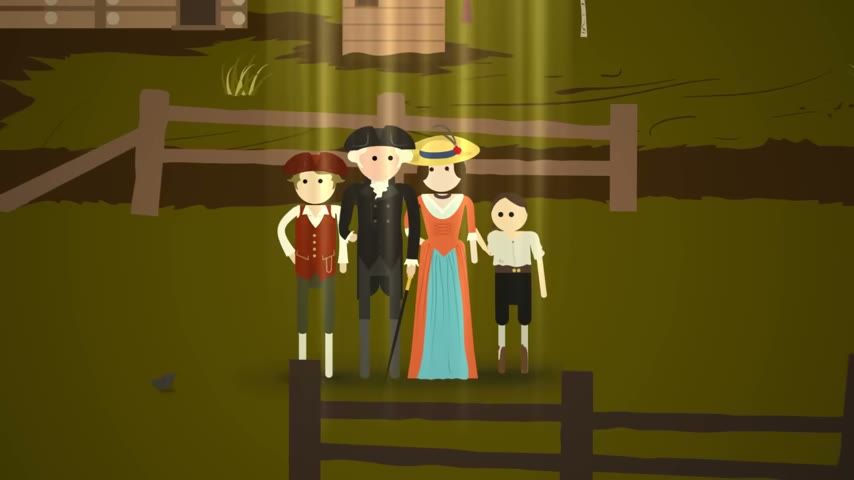
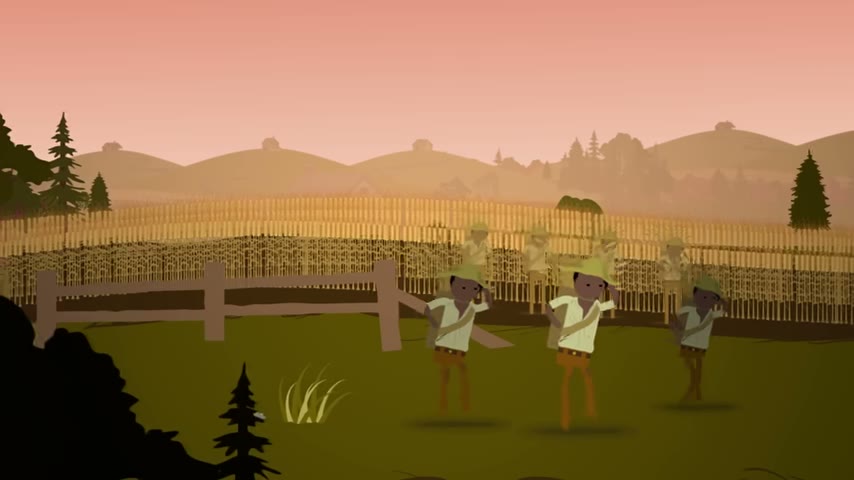
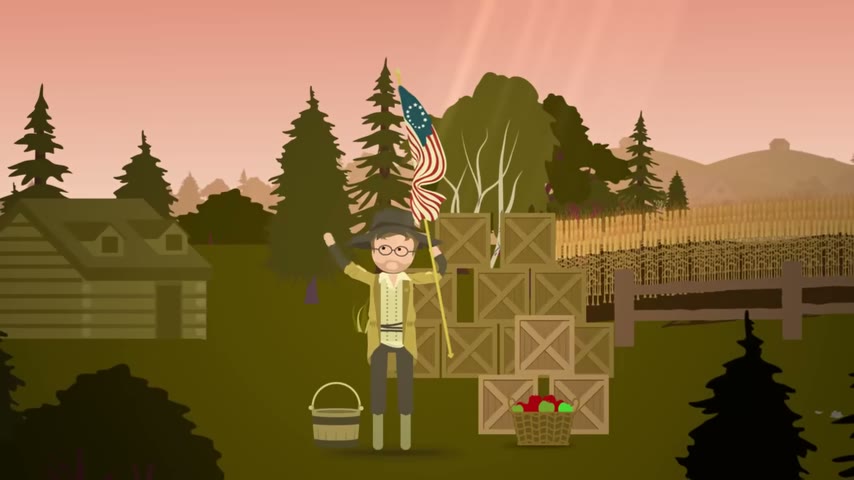
So why did he do it? Federalists complained, in a line the animation shows on screen, about spending money the country did not have on land it already had too much of. Jefferson’s reason was his ideal of the agrarian republic. With twice as much land, every white man could own a farm. A farmer who fed and housed himself did not depend on a boss or the market, and Jefferson believed only such independent men could be good citizens of a free nation. Green adds the uncomfortable exception: many of those independent farmers, Jefferson among them, depended on enslaved labor.
10:15 – 12:02 The Embargo of 1807
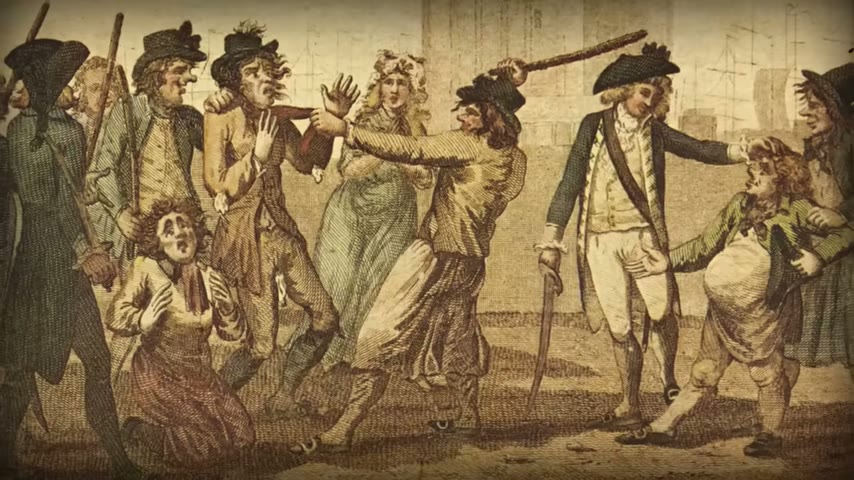
The same farming ideal helps explain Jefferson’s other big controversy, the embargo. Britain and France were at war again (or still: the fighting had only paused). Britain blockaded France and practiced impressment, stopping American ships and forcing sailors into the Royal Navy, often claiming they were British deserters. The 1807 attack by HMS Leopard on the US frigate Chesapeake made Americans furious. Jefferson’s answer was the Embargo Act of December 1807, which banned American ships from sailing to any foreign port.
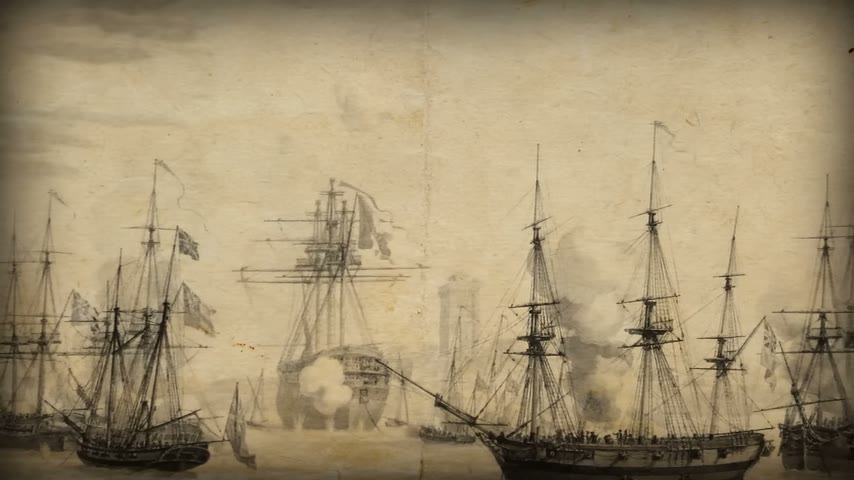
Green points out the irony: Jefferson wanted free trade among nations, and his tool was to stop all American trade. The theory was that Britain needed American raw materials, such as timber and cotton, so badly that it would give in. It also fit his ideal: America would sell farm goods and buy Europe’s manufactures, so it would never need factories of its own.
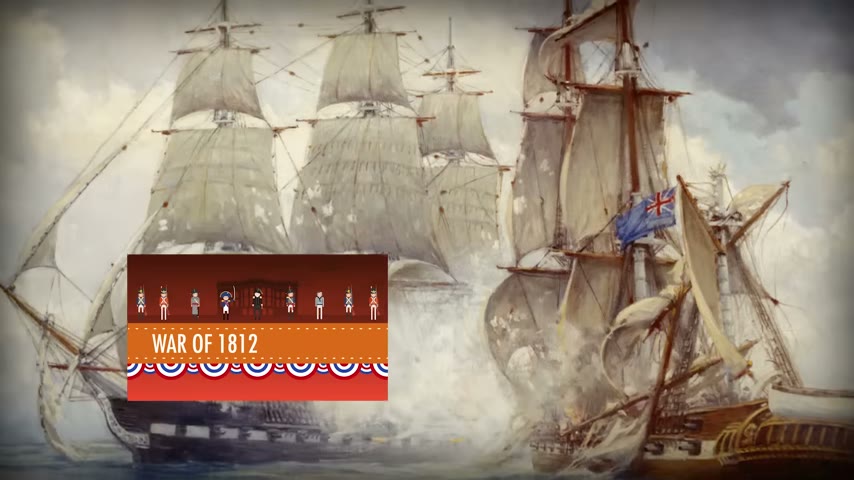
It failed on every count. Britain and France were too busy with each other to change course. The American economy suffered badly, with exports down about 80 percent, and smuggling became common, especially through New England and Canada. Without European imports, Americans began making those goods themselves, which pushed the country toward the manufacturing Jefferson hoped to avoid. (Green’s list of imports ends with microwaves, which is a joke.) And enforcing the embargo was a huge use of federal power over citizens’ lives, the opposite of small government. Congress repealed it in 1809, just as Jefferson left office. The underlying dispute with Britain did not go away, and it led to the War of 1812, the first war the US formally declared. The earlier Quasi-War with France and the Barbary War were never declared.

12:02 – 12:44 The best and the worst
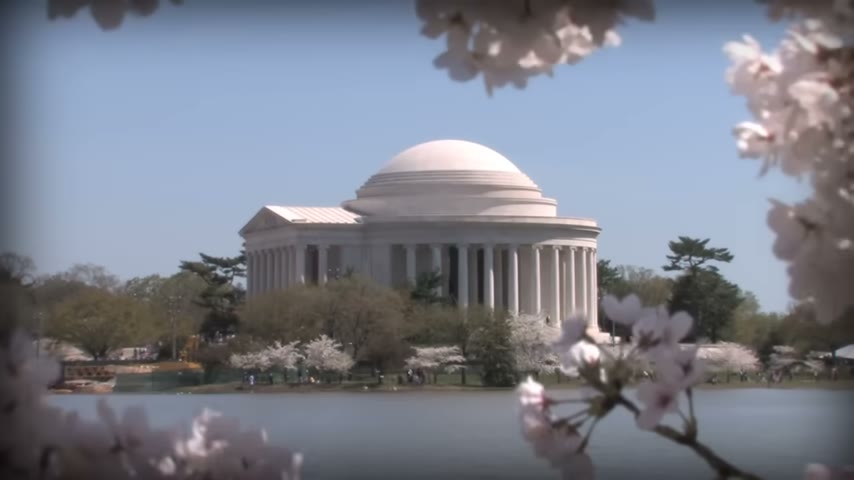
Green’s closing verdict is that Jefferson is both admired and condemned in almost equal measure. The Declaration of Independence, which he mainly drafted, stated heroic ideals and also built in some of the country’s deepest failures. His presidency was the same: he championed small government but expanded federal power more than Washington or Adams; he imagined a republic of farmers but his policies boosted manufacturing; he praised freedom while enslaving people and taking Native land. Green says this is why he is worth studying closely, not just praising or dismissing.
Skip list
- 0:33 – 0:42 Theme music.
- 1:55 – 2:02 The Rutherford B. Hayes beard joke.
- 5:26 – 5:44 Green’s wrong guess and the shock.
- 6:58 – 7:07 The Republican/LBJ military-spending joke.
- 11:31 – 11:37 The microwave aside.
- 12:44 – 13:19 Credits and the closing fake-out.
Key terms
- Election of 1800 (“Revolution of 1800”) — Jefferson’s defeat of John Adams; the first transfer of the presidency between rival parties.
- Electoral College — the body of electors from each state who formally choose the president; before 1804 each elector cast two votes for president.
- 12th Amendment (1804) — requires electors to cast separate votes for president and vice president.
- Gabriel’s Rebellion (1800) — a planned slave uprising near Richmond, Virginia, discovered before it began; Gabriel and 25 others were executed.
- First Barbary War (1801–1805) — US naval war with Tripoli over attacks on American shipping and demands for tribute.
- Judicial review — the power of courts to strike down laws or government actions that conflict with the Constitution.
- Marbury v. Madison (1803) — the case in which John Marshall’s Supreme Court first struck down part of a federal law, establishing judicial review.
- Fletcher v. Peck (1810) — the case in which the Court first struck down a state law.
- Strict construction — reading the Constitution narrowly, so that the federal government has only the powers it clearly lists.
- Louisiana Purchase (1803) — the US purchase of France’s claim to the territory between the Mississippi and the Rocky Mountains for $15 million.
- Lewis and Clark Expedition (1804–1806) — the Corps of Discovery sent to explore the Louisiana territory; it reached the Pacific.
- Agrarian republic / “empire of liberty” — Jefferson’s ideal of a nation of independent landowning farmers.
- Impressment — the British navy’s practice of forcing sailors, including Americans, into service.
- Embargo Act (1807) — the law banning American ships from foreign trade, repealed in 1809.
Review questions
- What went wrong in the Electoral College in 1800, and how did the 12th Amendment fix it?
- Why does Green count the election of 1800 as a step toward democracy, and what limits did “Jefferson and Liberty” have?
- What two questions does Green raise about Jefferson, slavery and the Declaration of Independence?
- What did Gabriel’s Rebellion show about enslaved people’s views of liberty, and how did Virginia respond?
- What did George Tucker argue about slave revolts, and what was the flaw in his proposed solution?
- Which parts of his small-government program did Jefferson carry out, and how did the Barbary pirates complicate it?
- How did Marbury v. Madison give the Supreme Court the power of judicial review, and why does Green call it so important?
- Why was the Louisiana Purchase hard to square with strict construction, and why did Jefferson go ahead anyway?
- What was the Embargo of 1807 meant to achieve, and in what ways did it backfire?
- In what three ways, according to Green, did Jefferson’s presidency contradict his own ideals?
FAQ
Why did the election of 1800 end in a tie between Jefferson and Burr?
Under the original Constitution, each elector cast two votes for president and did not say which one was meant for vice president. The plan was for one Republican elector to leave Aaron Burr off his ballot so that Jefferson would finish first, but nobody did, and the two men tied at 73 votes each. The House of Representatives, voting by state delegation, needed 36 ballots in February 1801 to choose Jefferson. The 12th Amendment, ratified in 1804, fixed the problem by having electors vote separately for president and vice president.
What did Marbury v. Madison decide?
William Marbury had been named a justice of the peace in John Adams's last days in office, but Jefferson's Secretary of State, James Madison, never delivered his commission. In 1803 Chief Justice John Marshall ruled that Marbury deserved the job but that the Court could not order it, because the part of the Judiciary Act of 1789 that gave the Court that power went against the Constitution. Marbury lost, but the Court gained the power of judicial review: the power to strike down a federal law as unconstitutional.
Why was the Louisiana Purchase a problem for Jefferson?
Jefferson was a strict constructionist: he believed the federal government could do only what the Constitution clearly allowed, and the Constitution says nothing about buying land from a foreign country. He even thought about asking for a constitutional amendment, then gave up the idea so as not to lose Napoleon's offer. The Senate ratified the treaty in 1803. Buying about 828,000 square miles for $15 million was popular, but it was a large use of federal and presidential power by a man who had argued against exactly that.
What was the Embargo Act of 1807, and why did it fail?
It banned American ships from sailing to foreign ports. Jefferson hoped that cutting off American food, timber and cotton would force Britain to stop impressing American sailors and to lift its blockade of France. Britain and France, busy fighting each other, did not change course. American exports fell by about 80 percent, smuggling spread, and shortages of imported goods pushed Americans to start making those goods themselves. Congress repealed the embargo in 1809, and the dispute with Britain helped lead to the War of 1812.
Did Jefferson's presidency match his small-government ideas?
Only partly, which is the episode's main point. He cut internal taxes, paid down the national debt and shrank the army and navy. But the Louisiana Purchase and the embargo were two of the biggest uses of federal power up to that time, and the embargo pushed the country toward manufacturing, the opposite of his ideal of a republic of farmers. He also spoke for liberty while enslaving more than 600 people over his lifetime.
Studying another course? Paste its YouTube or Bilibili link on the home page to request a handout — or make your own with the desktop app (coming soon).