Crash Course US History #1, The Black Legend — notes and timestamps
Watch the video (11 min)
Watch the original video on YouTube
The full transcript isn't available yet.
This is the first episode of John Green’s Crash Course US History, an 11-minute opener that starts the story of the United States long before the United States existed. It covers three things: what Native North American societies were like before Europeans came, how Spain explored and settled Florida and New Mexico, and why historians have to be careful with the “Black Legend” of Spanish cruelty. The final minutes set out a rule for the whole series: always ask who wrote a source, why, and whose voices are missing. No background is needed. The episode moves fast and mixes facts with jokes, so these notes separate the two and flag where its quick generalizations need a qualifier.
Key takeaways
- US history starts with the people already here, not with Columbus or George Washington (0:29).
- “Primitive” is the wrong frame. Lacking wheels or writing does not make a society less evolved, and history is not a straight line toward us (1:12).
- Disease did most of the killing. Estimates for the pre-contact population vary hugely, but losses were far worse than one in ten (1:51).
- Native and European ideas of land were different: use rights held in common versus property that is owned (3:58).
- Spain came first and struggled. Florida missions collapsed in the Guale uprising of 1597; New Mexico produced the first large-scale Native revolt, in 1680 (6:27).
- The Black Legend is true but was used selectively. Spanish cruelty was real, and English colonizers used the story to justify their own empire (9:43).
- Every source has a point of view. Because Native peoples left few written records, most of what we read about them was written by Europeans (10:32).
Chapter notes
0:00 – 0:45 “U.S. history” before there was a U.S.
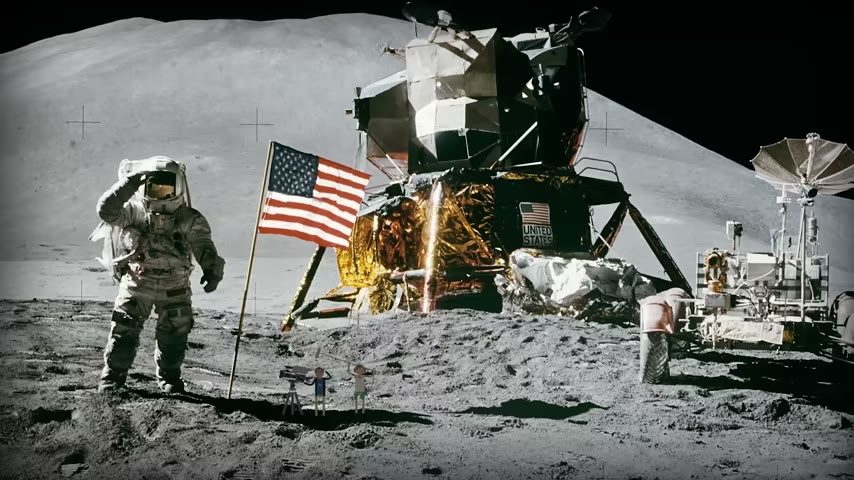
The episode opens with a framing joke: a globe with the United States highlighted is the wrong prop, because in the 16th century this land was “neither united nor states”. The banter about Alaska and the moon is just Crash Course humor. The serious point comes at 0:29: the series will not begin with the founders. It begins with the millions of people who lived in North America before any Europeans arrived.
It is worth noticing how the series starts, because many US history textbooks used to begin with Columbus. Starting with Native peoples changes whose story the first chapter is about.
0:45 – 1:51 What North America had, what it lacked, and the “primitive” trap
Green gives two broad generalizations. First, when Europeans arrived there were no empires with huge monumental cities in North America like the Aztec or Inca to the south. Second, North Americans had no gunpowder, wheels or written languages, and few domesticated animals. On the other side of the ledger they had farming, complex social and political structures, and long trade networks.
Both lists need a footnote. Several groups worked copper by hammering, so “no metalwork” really means no smelting of iron or bronze. The show’s own on-screen note corrects “no domesticated animals”: dogs were domesticated, and in the Southwest so were turkeys. Cahokia, near modern St. Louis, had earthen mounds on a monumental scale, though it had declined by around 1350, long before Europeans came.
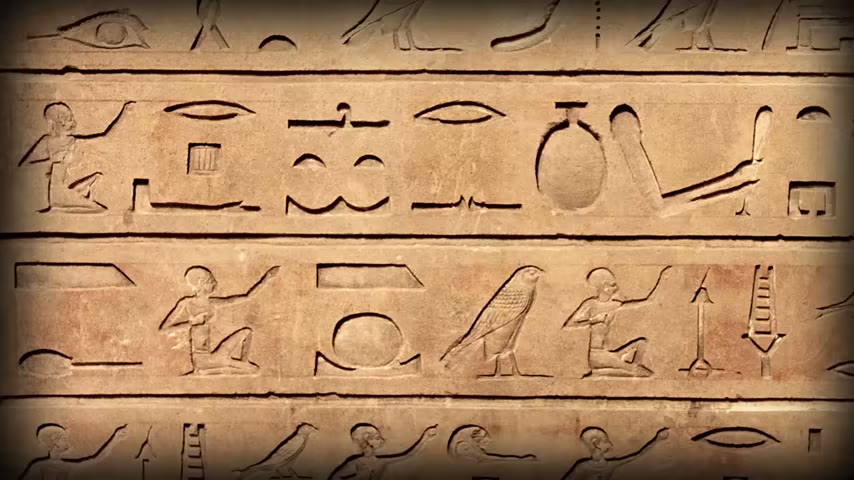
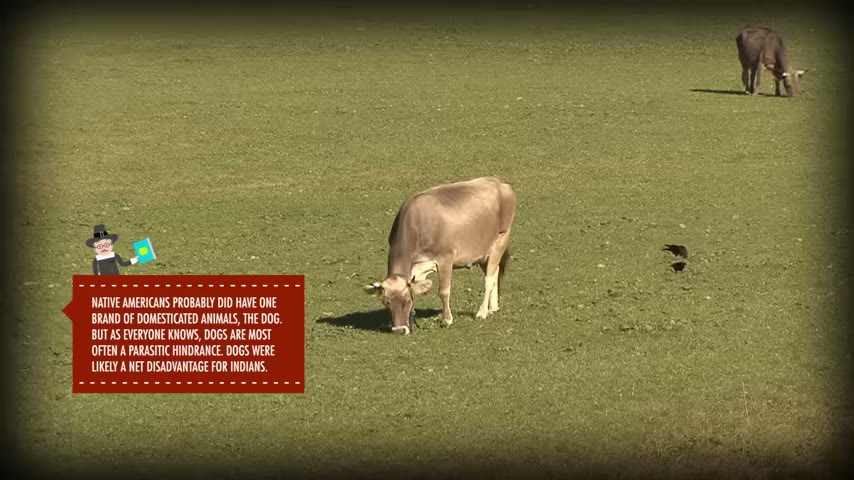
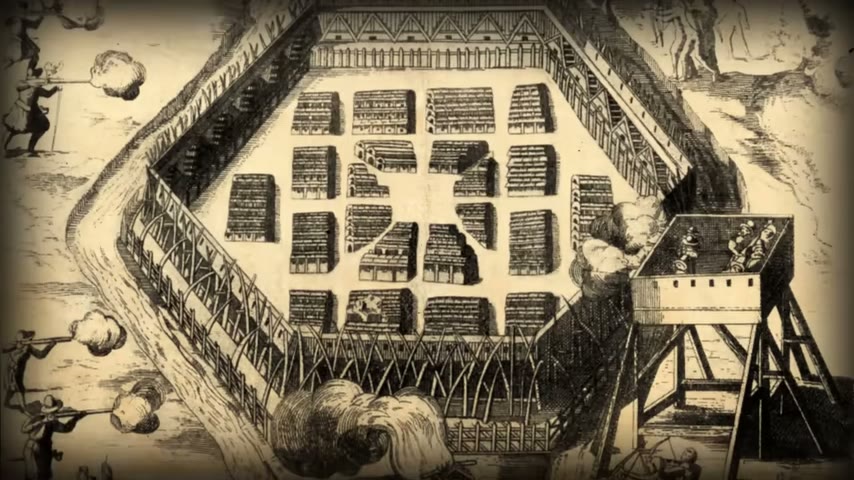
A student voice then asks whether that makes Native peoples “backwards”, or at least “primitive”. Green’s answer is the most important idea in this chapter. The word “primitive” does two bad things at once. It romanticizes people as simple and pure, and it infantilizes them as less evolved. Underneath both is the assumption that human history runs in one line from primitive to civilized, ending in us. Green calls that view not only Eurocentric but “contemporary-centric”: it ranks every society by how much it resembles the present.

1:51 – 3:05 How many people, how many died, and the civilizations that came before
No one knows how many people lived in the Americas before 1492. Green cites estimates as high as 75 million for the whole hemisphere and 2 to 10 million inside the present US borders. The range is so wide because there were no censuses and because disease often spread ahead of the Europeans who could have counted.
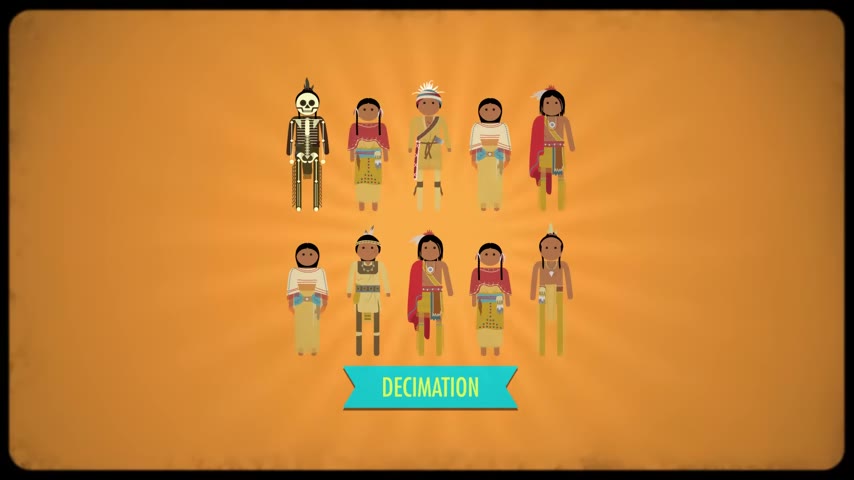
Then comes the core demographic fact of the colonial era. Smallpox, influenza and other diseases new to the Americas killed a large share of Native people. Green’s wordplay on “decimation” has a serious point: the word literally means one in ten, and the real losses were closer to eight in ten, with some regions worse.
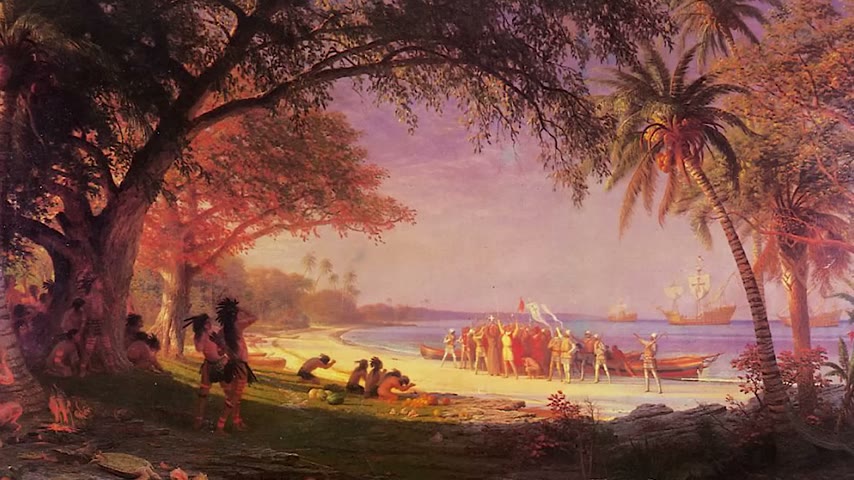
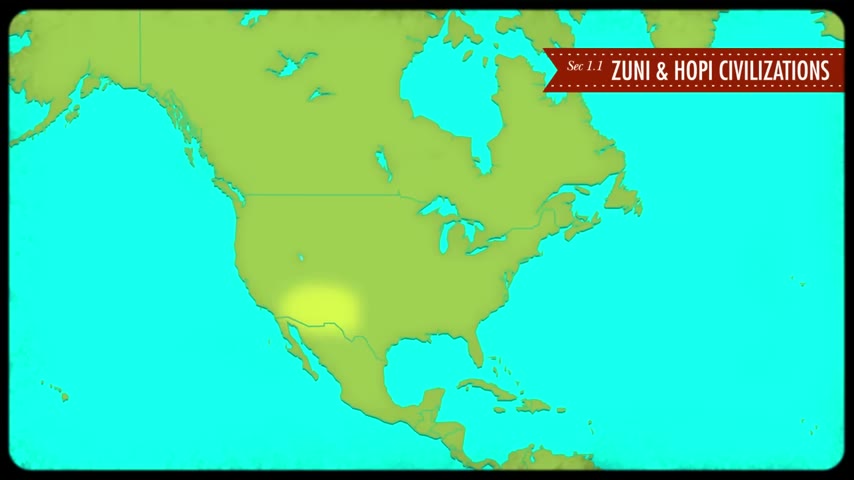
Green adds that complex civilizations had existed in North America but had peaked before contact. His example is the Zuni and Hopi, whom he dates to around 1200 CE, along with the cliff dwellings that were probably abandoned because of drought. A small correction: the famous cliff dwellings were built by the Ancestral Puebloans, the ancestors of the Hopi, Zuni and other Pueblo peoples. Those peoples did not disappear; they moved and still live in the Southwest today.
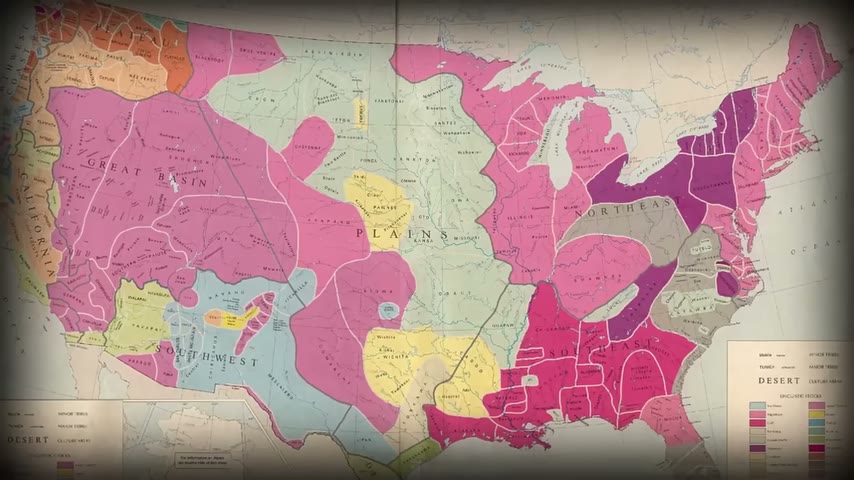
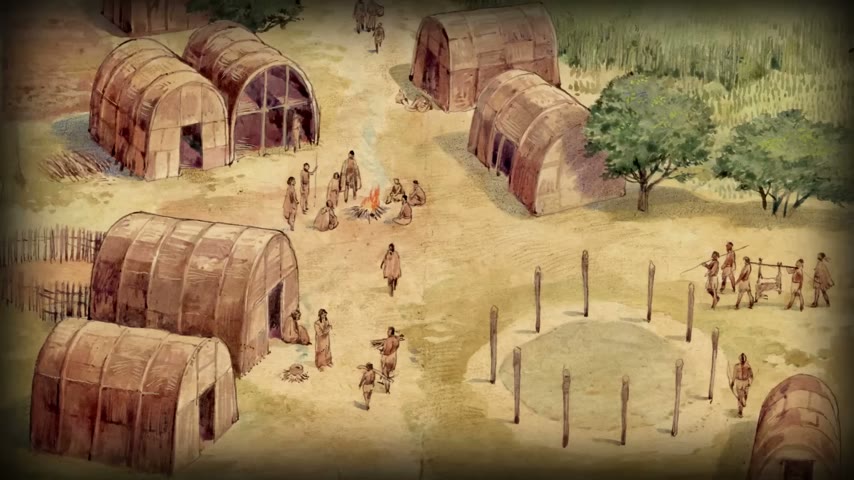
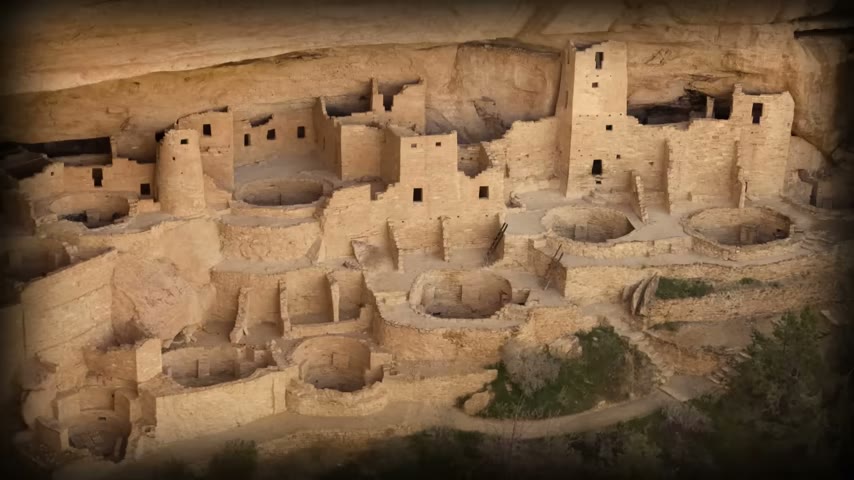
Before going on, Green admits he is about to generalize, and says why historians do it: the record is thin, and Eurocentric historians have long simplified other peoples. Lumping together someone from 1000 BCE and someone from 1000 CE is, in his words, “inherently problematic”. Keep that warning in mind for the next chapter, which is all generalization.
3:05 – 4:23 Thought Bubble: tribes, leagues, religion and land
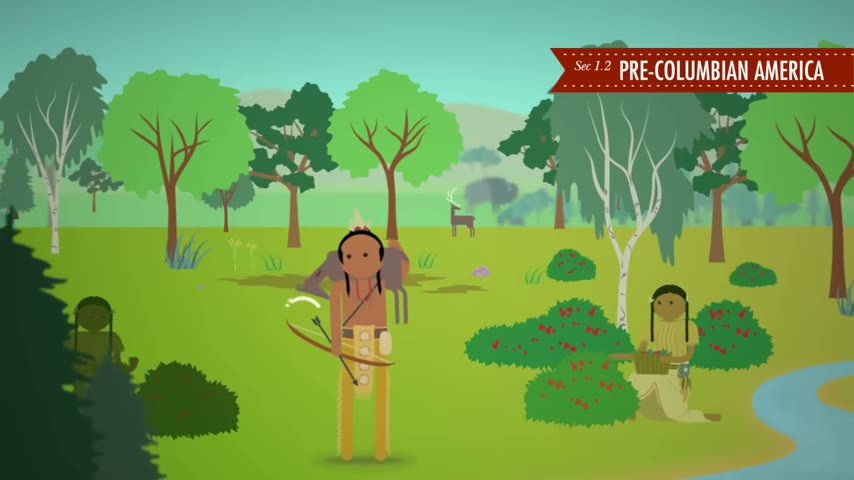
The animated Thought Bubble covers four features shared by many, though not all, Native groups.
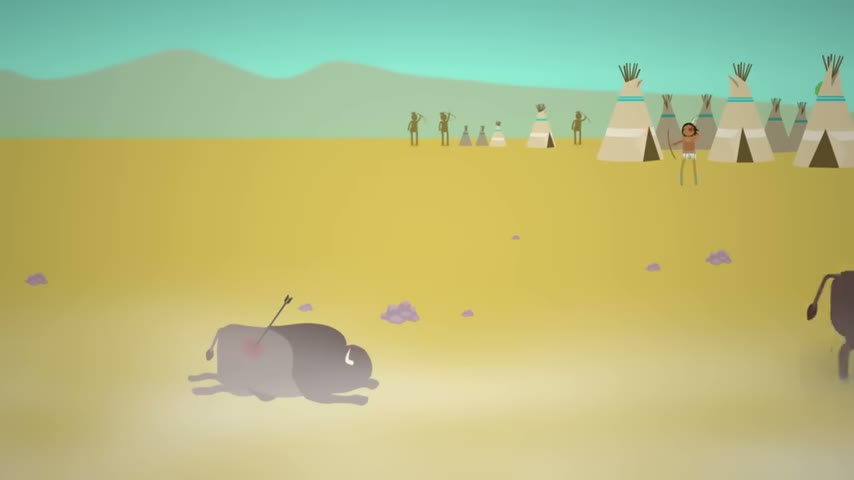
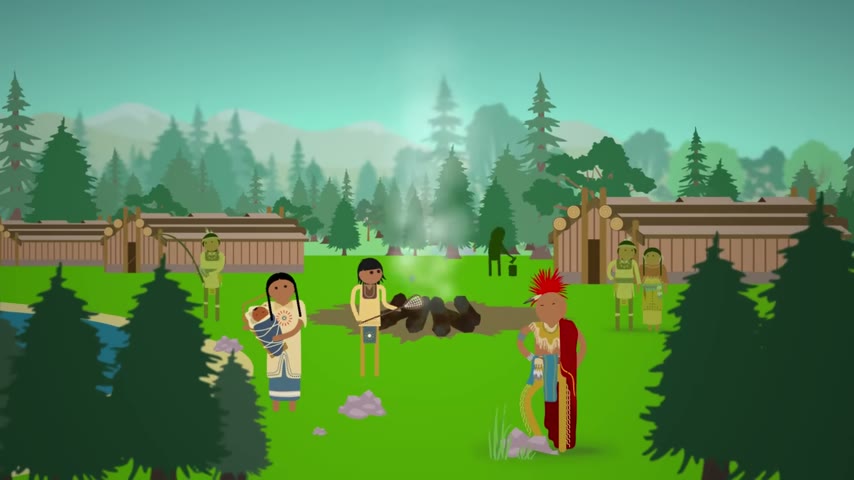
- Tribes shaped by environment. Most groups were organized as tribes whose way of life depended on local resources: fishing and sea-mammal hunting on the West Coast, buffalo hunting on the Great Plains.
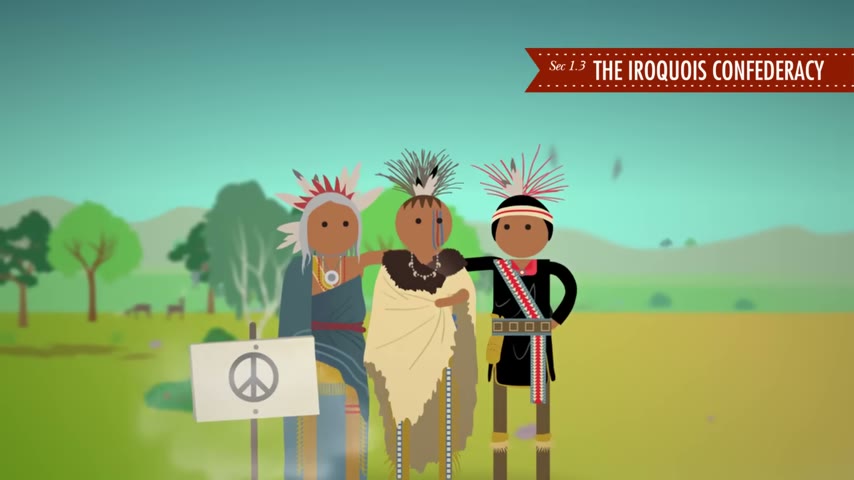
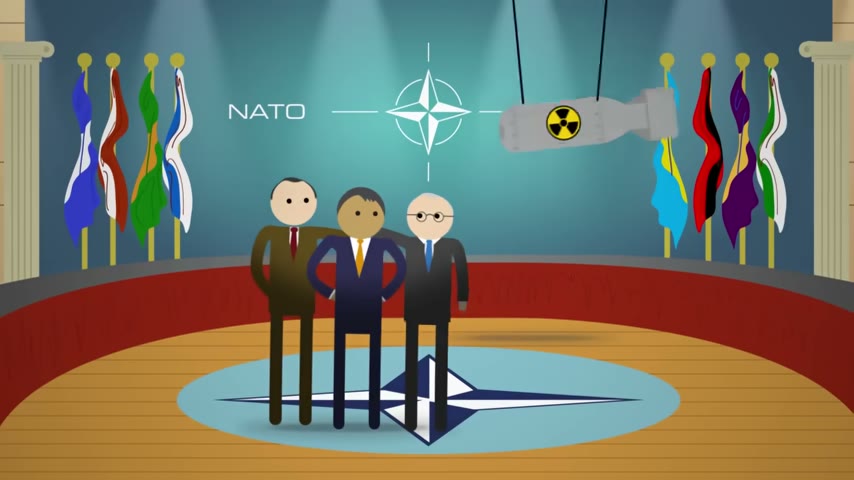
- Confederacies. Bands often joined loose leagues. The best known is the Iroquois Confederacy, or Great League of Peace, of what is now upstate New York. Green compares it to NATO and then takes the comparison back. The real parallel is narrow: separate nations agreeing to settle disputes peacefully and act together.
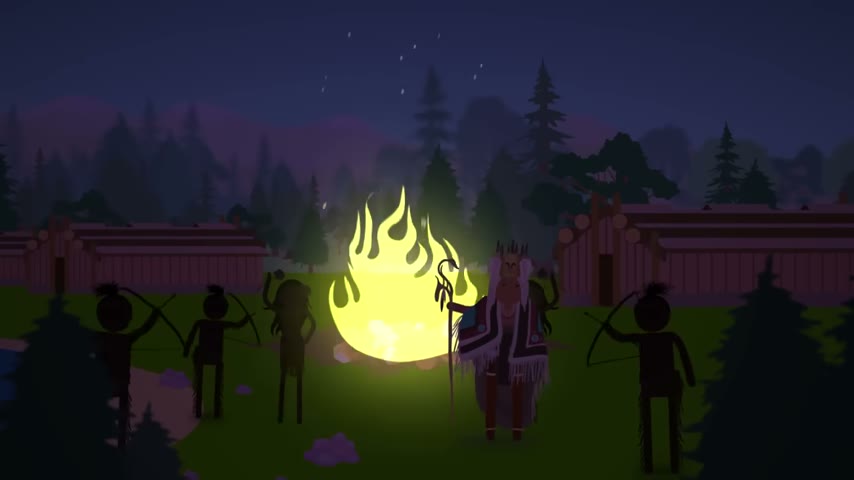
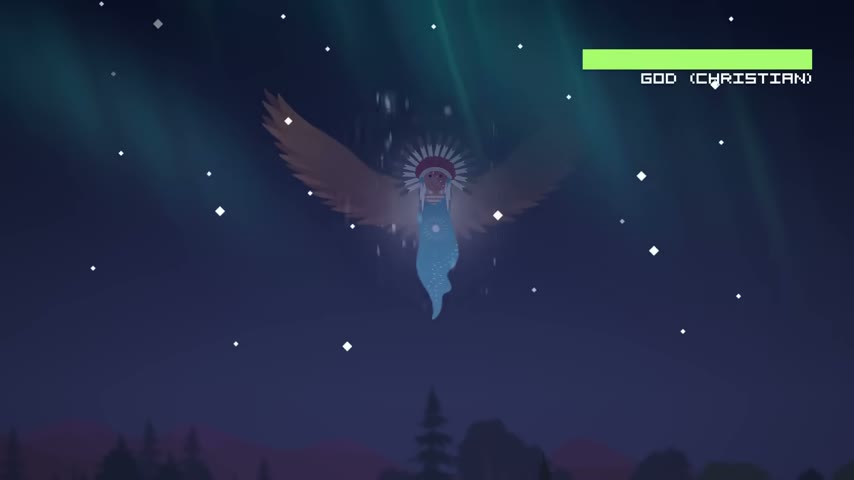
- Religion. Ceremonies fit the tribe’s way of life, with hunting peoples focused on animals and farmers on harvests. Many groups recognized a creator above other spirits, but that is not the same as Christian monotheism. This is one of the episode’s broadest claims, and beliefs varied widely.
- Land. Land was a common resource. Leaders could assign families land to use, but nobody owned it in the sense of being able to sell it.
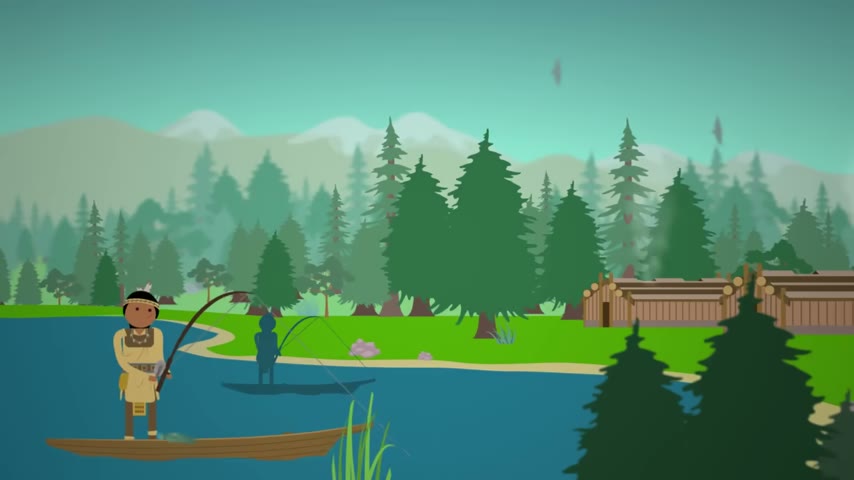
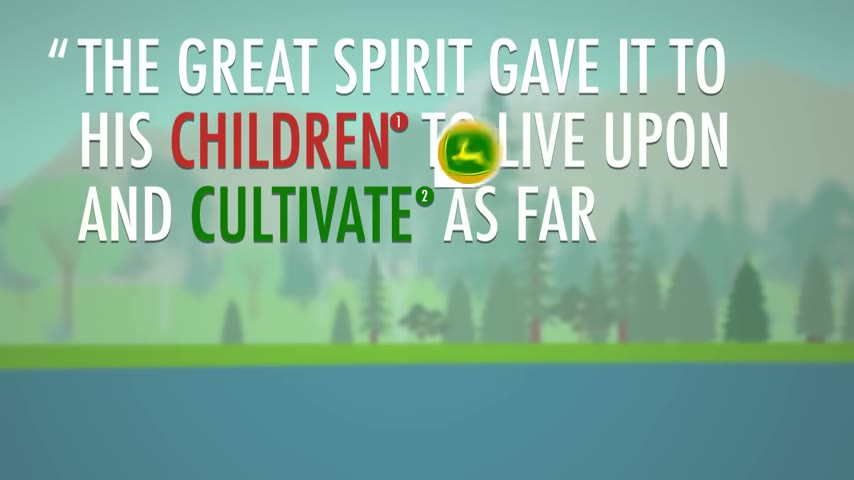
The land idea is the one to remember. When Europeans “bought” land through treaties, Native signers often understood that they were sharing use rights, not giving up the land forever. Much of the conflict in later episodes grows out of that gap.
4:23 – 5:32 Class, gender, and the “noble savage”
Green now pushes back against romantic views. Native societies were not free of greed or class. Rulers often came from the same families, although wealth was spread far more evenly than in Europe.
On gender, most leaders were men, but many tribes were matrilineal: children belonged to their mother’s family. Women were often religious leaders and owned houses and tools (though not land, since nobody owned land). Many groups also cared much less about female premarital chastity than Europeans did. Green’s joke about the name “Virginia” plays on this; the colony was named for Elizabeth I, the “Virgin Queen”.
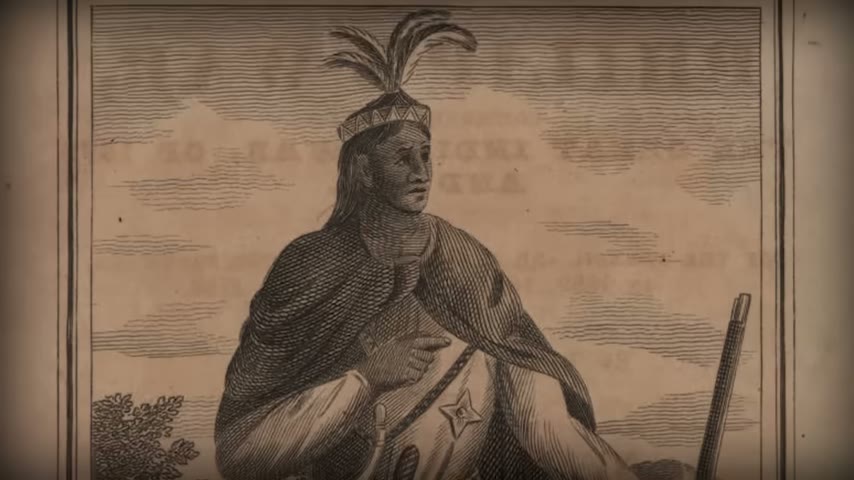
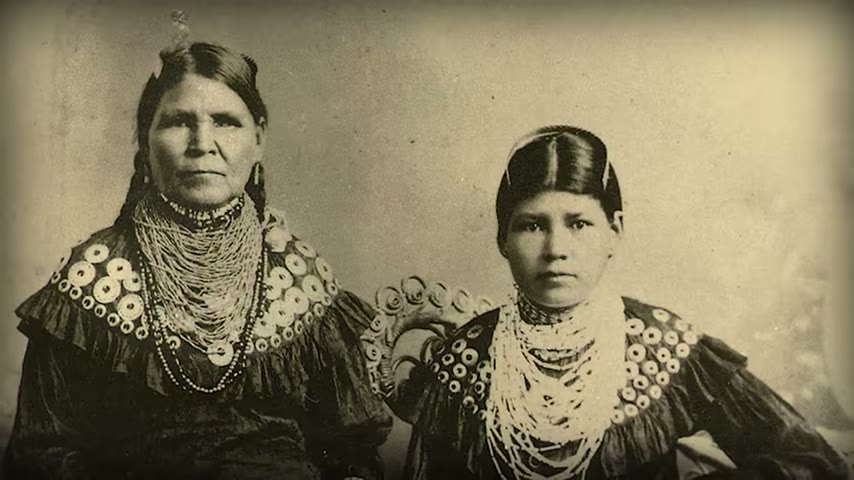
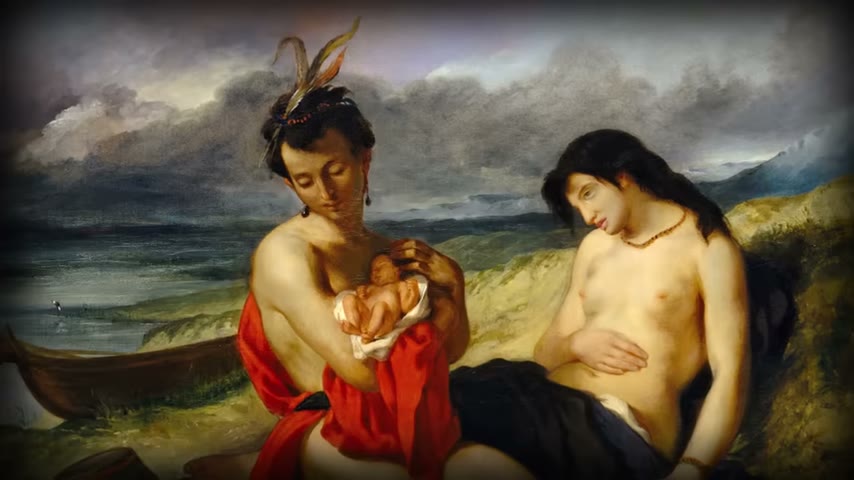
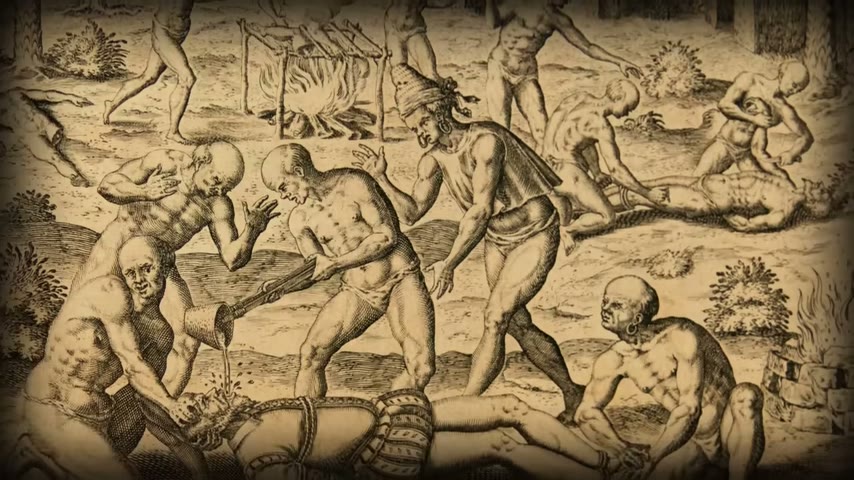
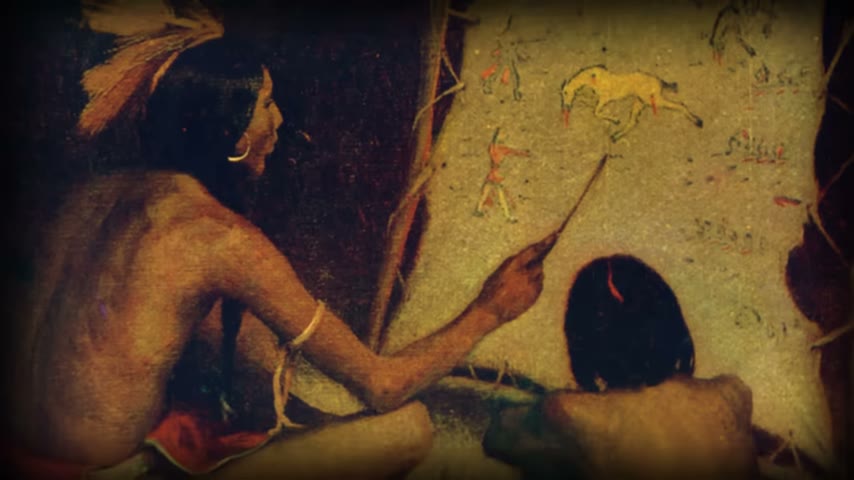
The chapter ends on the noble savage myth. Some early Europeans described Native people as beautiful and innocent of European vices. Most Europeans saw “savagery” instead, for three reasons Green lists: no writing, no sexual shame and, above all, no Christianity. The two images look opposite, but they share a flaw. Both turn real, varied people into a symbol for a European argument.
5:32 – 6:38 Spanish explorers and the failure in Florida
The Spanish were the first Europeans to explore what is now the US. Juan Ponce de León reached Florida in 1513 and died after being wounded by a Calusa arrow in 1521. Green repeats the popular story that he was looking for the Fountain of Youth. Most historians think that story was attached to him by later writers; his own goals were gold, land and a royal grant to govern. The Diet Dr Pepper line is a sponsor-style joke.
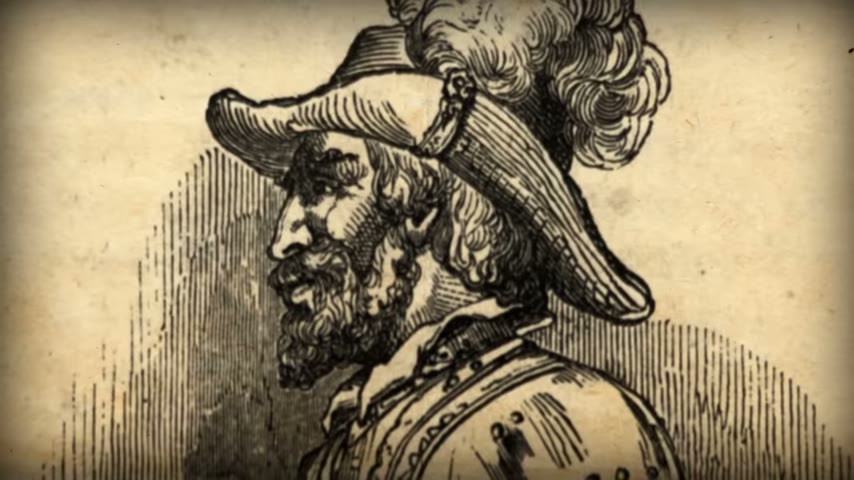
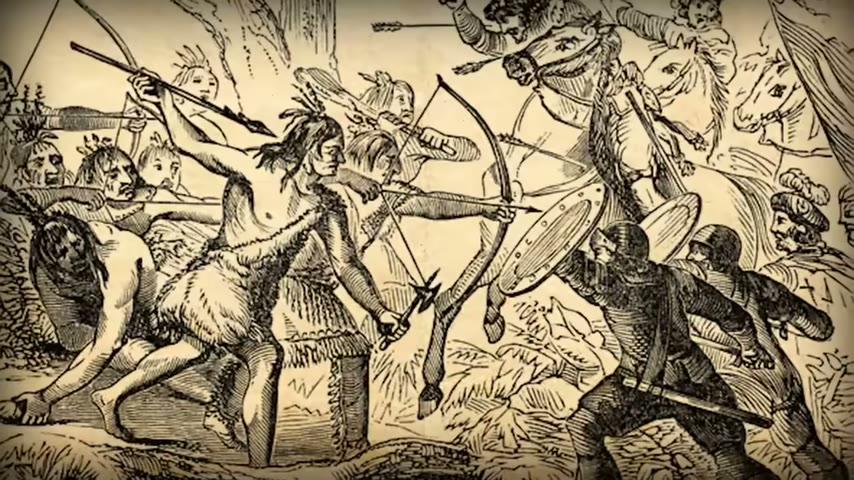
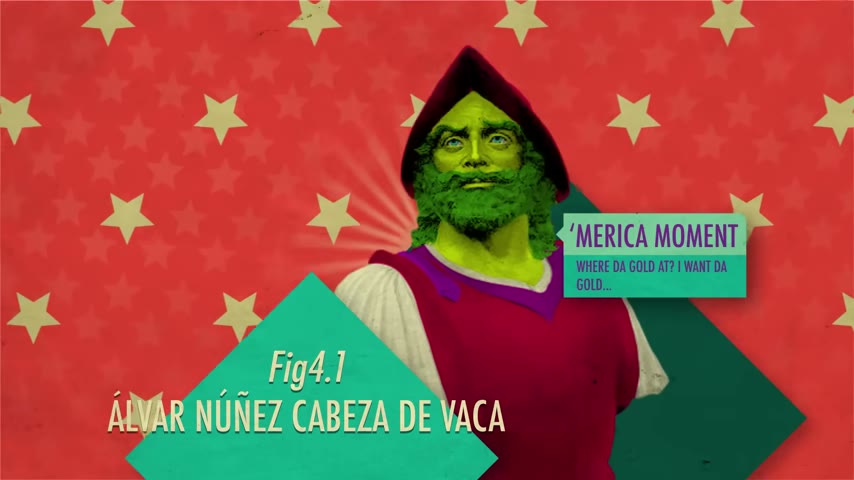
Green then names Álvar Núñez Cabeza de Vaca, mostly for the joke that his surname means “cow head”. The real story is more interesting. He survived a failed 1528 expedition and spent about eight years crossing the Gulf Coast and Southwest on foot, partly as a captive and partly as a healer. His account fed the rumors of rich cities that sent later expeditions north. The larger point is that none of these men found gold, but they did spread disease that made later colonization easier.
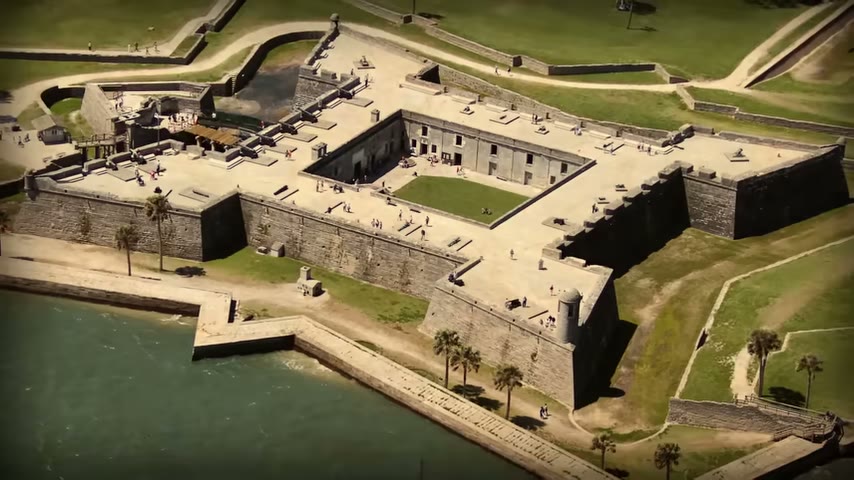
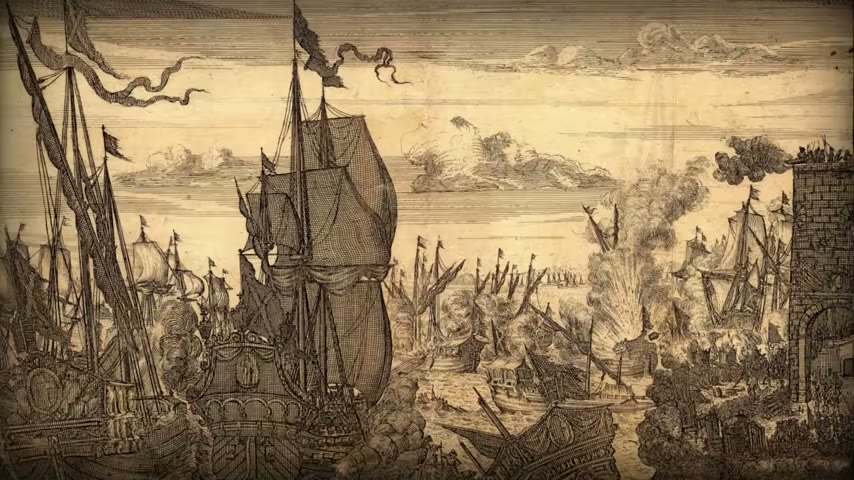
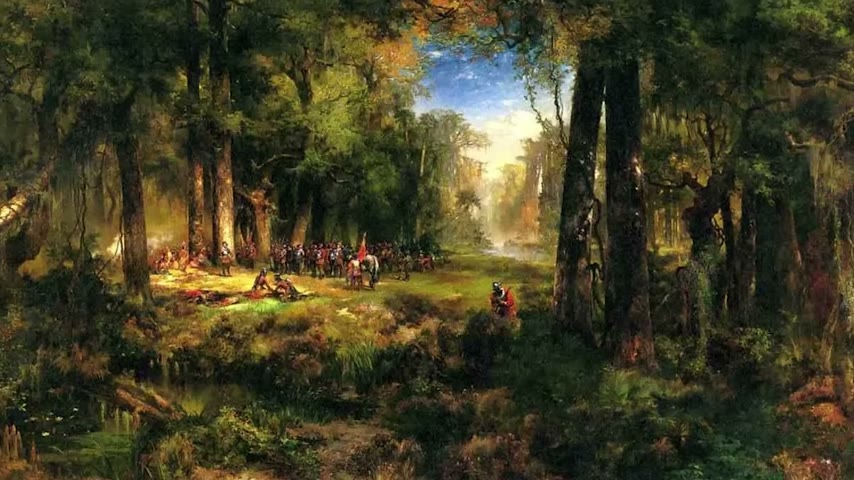
Why Florida at all? Spain wanted bases on the coast to protect treasure fleets carrying silver from Mexico against pirates and rivals. Missionaries also came to convert Native peoples, but the Guale uprising of 1597 destroyed many of the missions. Green sums up Florida as hot and full of mosquitoes. Spain did keep St. Augustine, founded in 1565 and the oldest continuously occupied European-founded city in the US.
6:38 – 7:59 New Mexico and the Pueblo Revolt
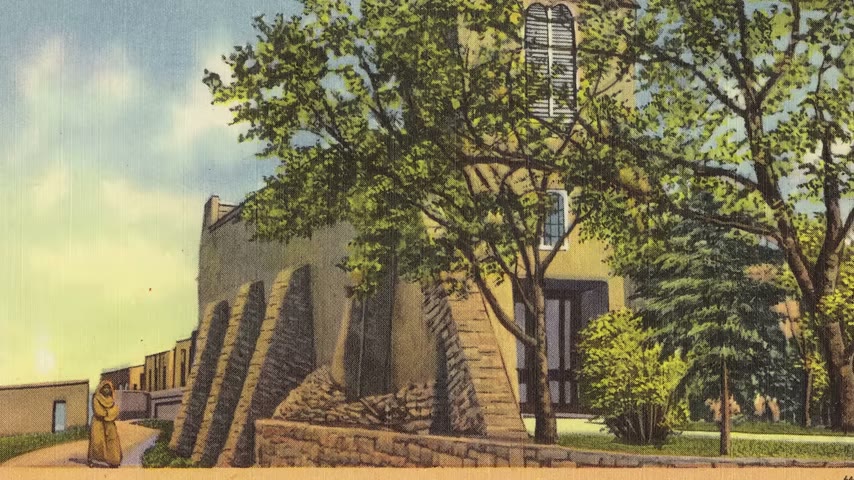
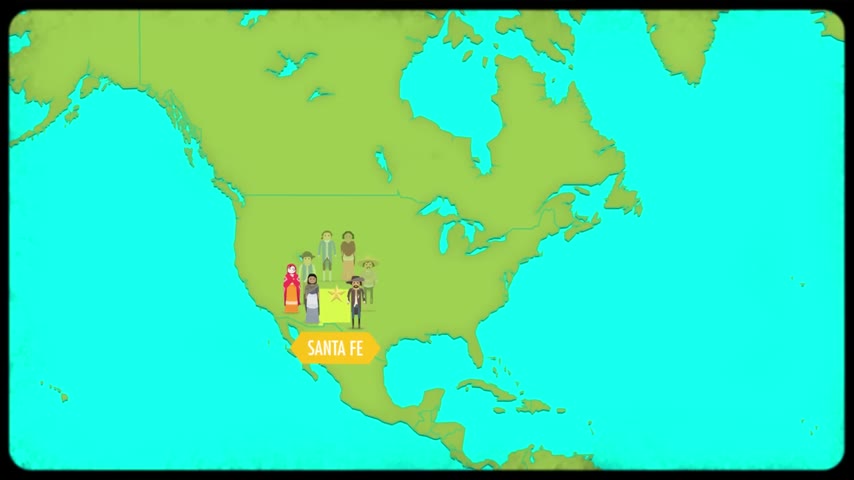
Spain did better in the Southwest. Santa Fe, founded around 1610, was its first permanent settlement there, though it never grew much past 3,000 people. New Mexico matters for a bigger reason: it was the site of the first large-scale Native uprising against European colonizers.
The causes build up in three layers. First, collapse: Green cites a Pueblo population drop from about 60,000 in 1600 to about 17,000 by 1680. Second, religious pressure: Franciscan friars moved from tolerating some blending of beliefs to trying to stamp out Native religion entirely. Third, forced labor under the encomienda system. Spain assumed that differences among the Pueblo towns would stop them from uniting. They were wrong.
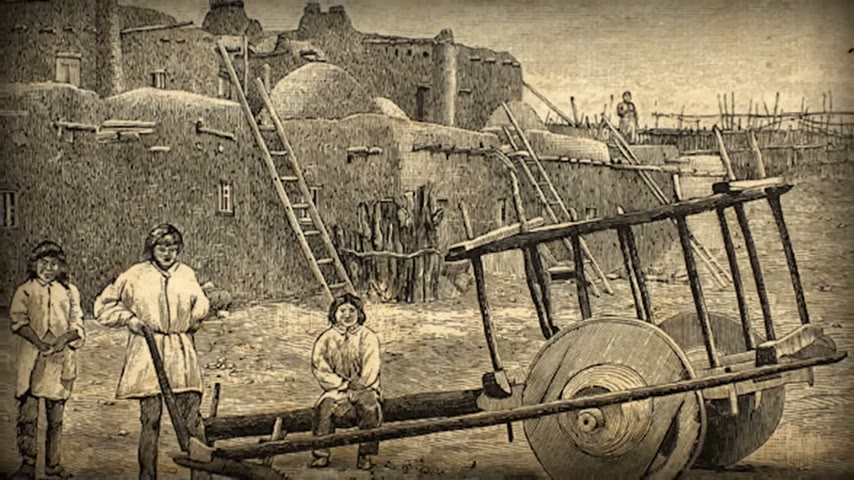
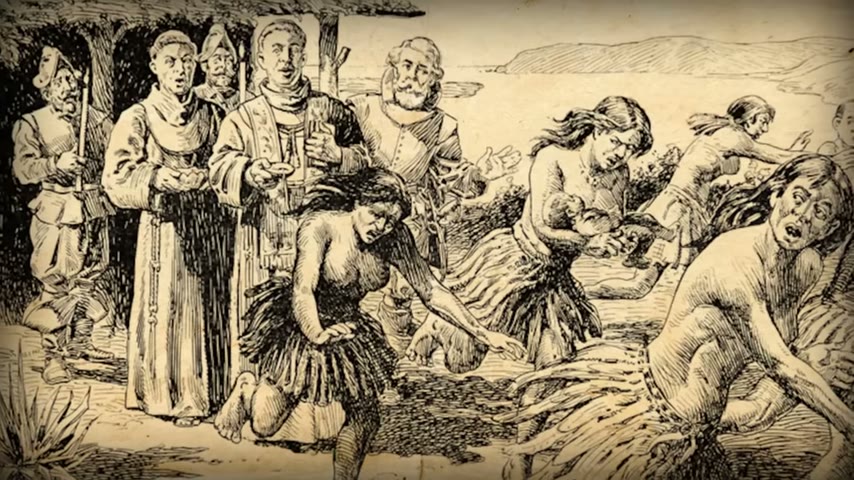
In 1680 a religious leader named Popé coordinated an uprising. About 2,000 warriors killed some 400 colonists and forced the rest out of Santa Fe. The Pueblos tore down churches and rebuilt their own ceremonial chambers, called kivas. The victory did not last: Spain reconquered the region in the 1690s. But it came back changed. It tolerated more Native religion and gave up the encomienda system in New Mexico. The revolt is a clear example of Native people forcing colonial policy to change.
7:59 – 9:27 Mystery Document: a Spanish critic of Spain
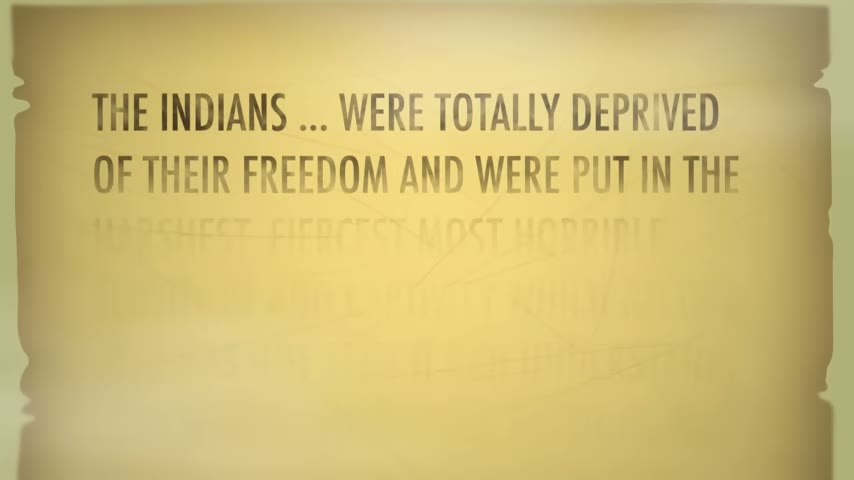
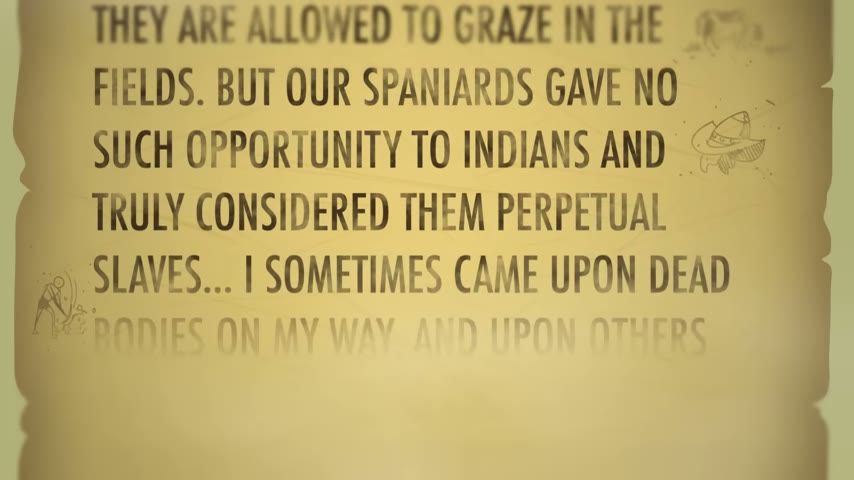
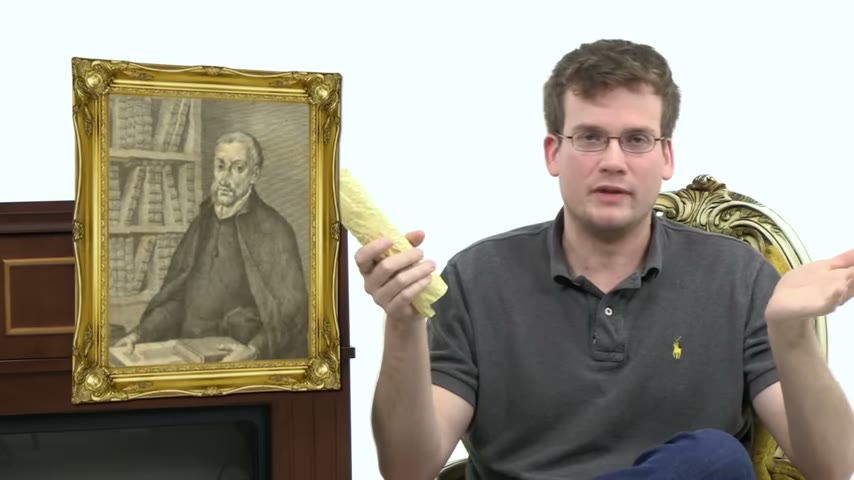
The first Mystery Document segment is a game: Green reads a primary source and guesses its author, and a wrong guess earns a shock from a pen. The passage describes Native people held in servitude worse than animals and dying of hunger, and ends with bitter irony about the “Christianity” they received. Green reasons from the phrase “our Spaniards” that the author is a Spaniard sympathetic to Native people. He rules out Juan Ginés de Sepúlveda, who defended Spanish conquest. Green says Sepúlveda doubted that Native people were fully human; more precisely, Sepúlveda argued in a 1550–51 debate with Las Casas that they were “natural slaves” in Aristotle’s sense. He names Bartolomé de las Casas correctly but picks the wrong book. The source is Las Casas’s History of the Indies, not his Short Account of the Destruction of the Indies.
The game hides a skill worth practicing: use clues inside a text (pronouns, tone, who is being criticized) to place its author. That is how historians read sources whose authors are unknown.
9:27 – 10:46 The Black Legend and whose voices are missing
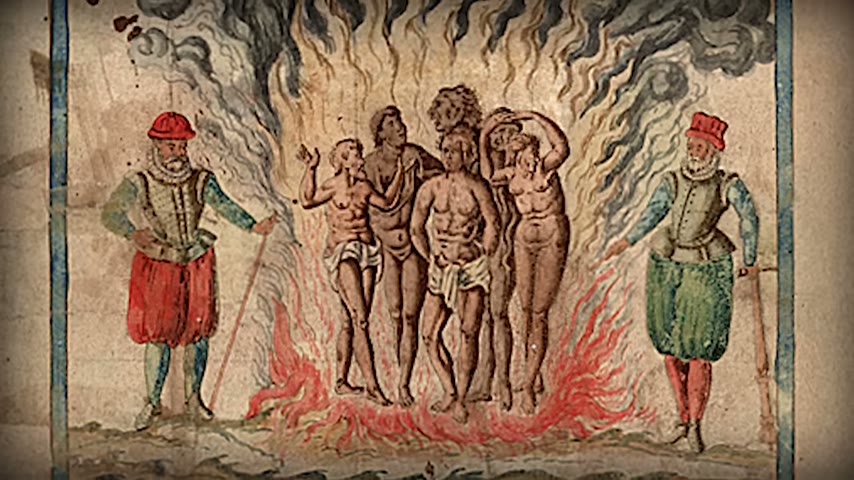
Las Casas shows that at least one Spaniard saw and condemned what his countrymen did. Green then defines the Black Legend as the story that the Spanish treated Native peoples with extreme cruelty. His twist is to call the story true, and then show how it was used. English colonizers, and other Protestant rivals of Catholic Spain, retold Spanish cruelty, often using Las Casas’s own writings, to argue that their empire would rescue Native people from Spain. Green’s verdict is that the English were probably not much better.
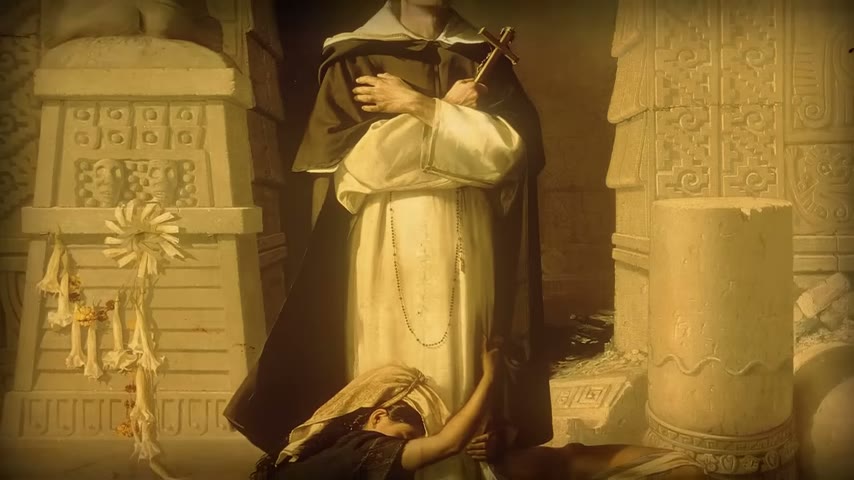
There is a nuance worth adding. The term “Black Legend” was popularized in the early 1900s by Spanish writers who argued that foreign propaganda had exaggerated Spain’s crimes and ignored everyone else’s. So historians use it in two ways: for the real record of Spanish violence, and for a biased tradition that singled Spain out. Green’s version holds both at once: the facts are real, and the way they were used was self-serving.
The episode closes with a method for the whole series. American history has a great many written sources, partly because the US formed late in historical time. But almost every early source about Native peoples was written by Europeans, and most of those writers regarded them as heathens. So for every source, ask who is speaking, why, and which voices are missing and why.
Skip list
- 0:00 – 0:29 Intro banter about the globe, Alaska and the moon.
- 5:45 – 5:51 The Diet Dr Pepper Fountain of Youth gag.
- 10:46 – 11:19 Credits and subscribe reminder.
Key terms
- Eurocentrism — judging other societies by European standards, or telling history with Europe at the center.
- Contemporary-centrism — Green’s term for judging past societies by how close they come to the present.
- Decimation — literally the loss of one in ten; Green uses it to show how badly the word understates Native population losses.
- Iroquois Confederacy (Great League of Peace) — an alliance of five, later six, nations in the Northeast with a shared council.
- Matrilineal — tracing family membership through the mother’s line.
- Noble savage — the European stereotype of Native people as pure and innocent; the flip side of the “savage” stereotype.
- Encomienda — a Spanish colonial system that granted colonists the labor or tribute of Native people.
- Kiva — a Pueblo ceremonial chamber, often round and partly underground.
- Pueblo Revolt (1680) — the uprising led by Popé that drove the Spanish out of New Mexico for about twelve years.
- Black Legend — the story of unique Spanish cruelty in the Americas, true in substance but used by rivals to justify their own colonies.
- Primary source — a document or object created at the time being studied, such as Las Casas’s History of the Indies.
Review questions
- Why does Green reject the word “primitive”, and what two problems does he say it carries?
- Why are estimates of North America’s pre-contact population so uncertain, and why does the word “decimation” understate the losses?
- How did many Native groups understand land differently from Europeans, and why would that difference cause conflict?
- In what ways were Native societies less unequal than European ones, and in what ways did they still have hierarchy?
- What did Spain want from Florida, and why did its colony there struggle?
- What three pressures led to the Pueblo Revolt of 1680, and what changed in Spanish policy after Spain returned?
- How does Green use clues in the Mystery Document to identify its author?
- If the Black Legend is “true”, why does Green still treat it as a problem for historians?
FAQ
What is the Black Legend in US history?
The Black Legend is the long-running story that Spanish colonizers were uniquely cruel to Native Americans. The episode's point is that the cruelty was real, but English and other rival colonizers used the story to cast themselves as kinder rescuers and to justify their own colonies, even though their own record was not much better. Historians also use the term for anti-Spanish propaganda that exaggerated or singled out Spain.
Why did Native American populations decline so sharply after Europeans arrived?
The main cause was epidemic disease such as smallpox and influenza, which Native peoples had no prior exposure to. The episode suggests losses closer to eight in ten than the one in ten that "decimation" literally means. War, forced labor and the disruption of food supplies made the losses worse, as the Pueblo population drop in New Mexico shows.
What was the Pueblo Revolt of 1680?
It was a coordinated uprising in Spanish New Mexico led by a religious leader called Popé. About 2,000 warriors killed some 400 colonists and drove the survivors out of Santa Fe, then pulled down churches and restored their own places of worship. Spain returned in the 1690s, but afterwards tolerated more Native religion and dropped the encomienda labor system there.
Who was Bartolomé de las Casas?
He was a Spanish friar who had taken part in colonization and became its sharpest critic, writing detailed accounts of Spanish abuses of Native peoples. The episode's Mystery Document is a passage from his History of the Indies. His writings are a key primary source and were later used as evidence by Spain's rivals.
Did Native Americans own land before Europeans arrived?
Not in the European sense of private property that can be bought and sold. In most groups land was a shared resource: leaders could assign families land to use, and the right to it lasted as long as they occupied and worked it. That difference in how land was understood shaped conflict for centuries.
Studying another course? Paste its YouTube or Bilibili link on the home page to request a handout — or make your own with the desktop app (coming soon).