Crash Course US History #2, Colonizing America — notes and timestamps
Watch the video (12 min)
Watch the original video on YouTube
The full transcript isn't available yet.
The second episode of John Green’s Crash Course US History takes on the founding story most Americans learn first: brave English people sailing across the ocean for religious freedom. Green’s answer, in 12 minutes, is “partly true”. The first lasting English colony, Jamestown in Virginia, was about money and tobacco, and it was built on the work of indentured servants and, from 1619, enslaved Africans. Only then does he turn to New England: the Pilgrims, Squanto, Thanksgiving, and the Puritans of Massachusetts Bay with their city upon a hill. These notes follow the episode’s order, mark the jokes, and add short corrections where the quick version leaves something out. Episode 1 (Native America and the Spanish) is useful background but not required.
Key takeaways
- The religious-freedom founding story is only part of the picture. It fits a minority of settlers in New England, not the first English colony (0:43).
- Jamestown (1607) was a business venture. The Virginia Company wanted gold, found none, and lost most of its colonists to hunger and disease (1:37).
- Tobacco saved Virginia and shaped it. Profits drove the headright system, a society of a few landowners over many servants, a five-to-one ratio of men to women, and the arrival of enslaved Africans in 1619 (3:03).
- Maryland (1632) was a proprietary colony, granted to one man, Cecilius Calvert, and open to Catholics (4:38).
- Pilgrims and Puritans are not the same. Pilgrims were Separatists who left the Church of England; Puritans wanted to purify it. Plymouth survived its first winter only with Native help (5:30).
- Massachusetts Bay put the community first. Winthrop’s “city upon a hill” sermon is about collective duty, and it later became a source for American exceptionalism (8:15).
- Puritan self-government was not equality. Only church members could vote, dissenters like Roger Williams and Anne Hutchinson were banished, and slavery was legal (9:51).
Chapter notes
0:00 – 0:43 The myth version of the founding
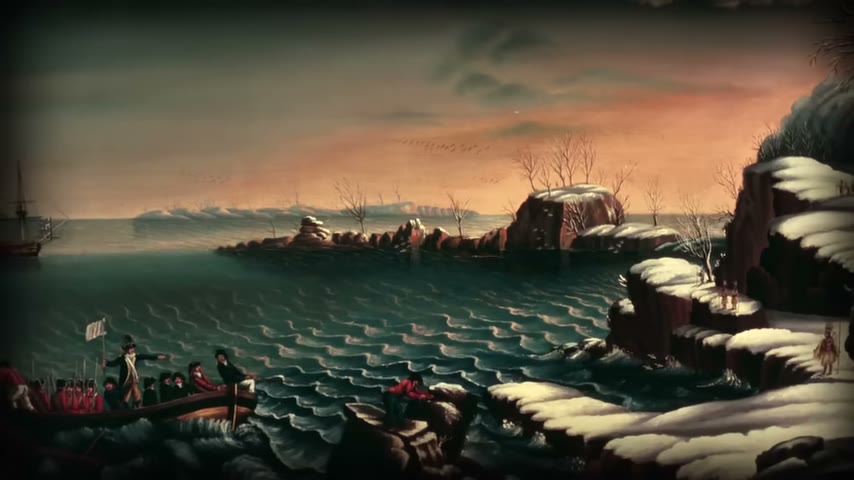
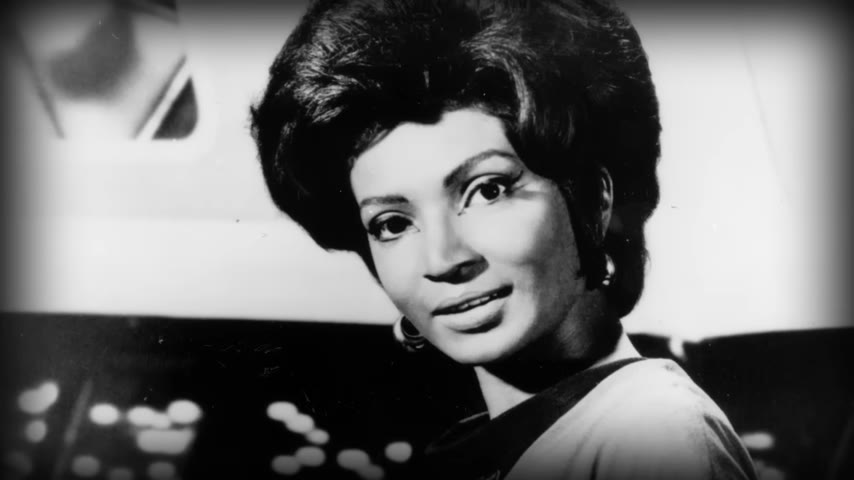
Green opens by telling the founding story the way a proud, careless textbook might: plucky English people strike a blow for religious freedom, land in an empty country, and invent baseball and Star Trek. Every part of that sentence is wrong on purpose. The land was not “barren” or empty, as episode 1 showed, and the settlers’ motives were mixed. “Me from the past” thinks this means an easy A, which is the setup for the rest of the episode taking the story apart.
0:43 – 1:37 The Pilgrims were not first
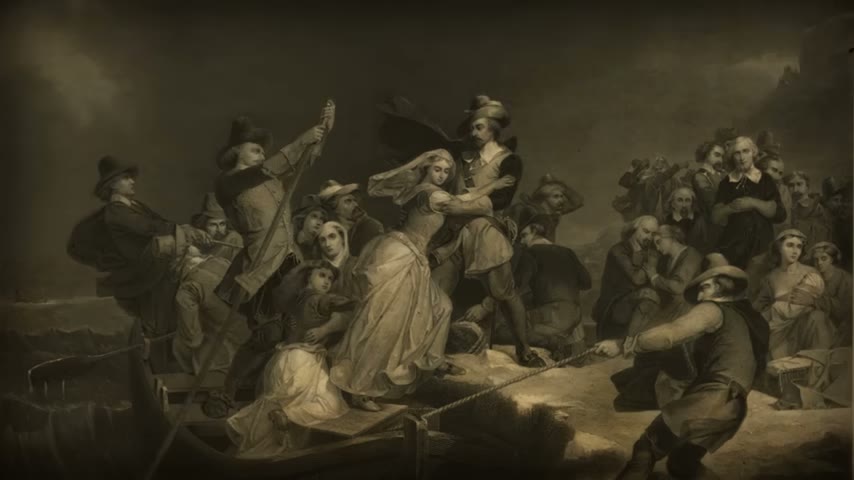
The usual story has the country founded by people escaping religious persecution. Green says that is true of the relatively small group who settled Massachusetts Bay, but those Pilgrims and Puritans were not the first people here, not the first Europeans, and not even the first English. The first English colonists went to Virginia, and they came to get rich.
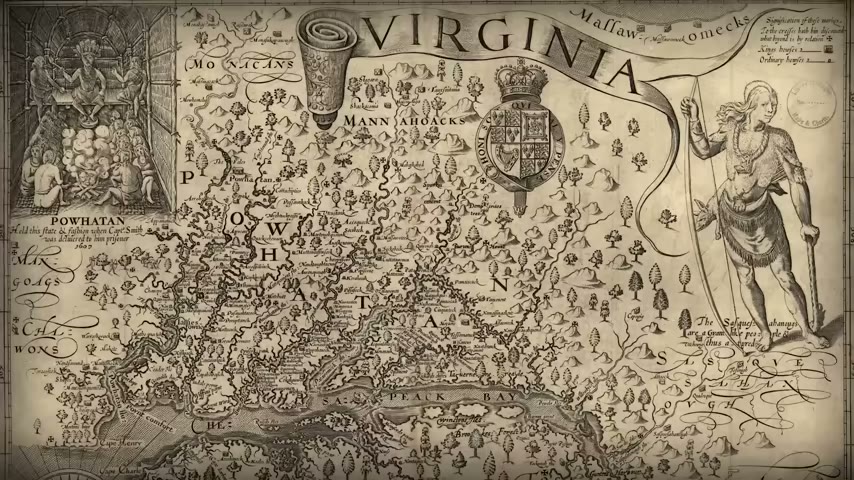
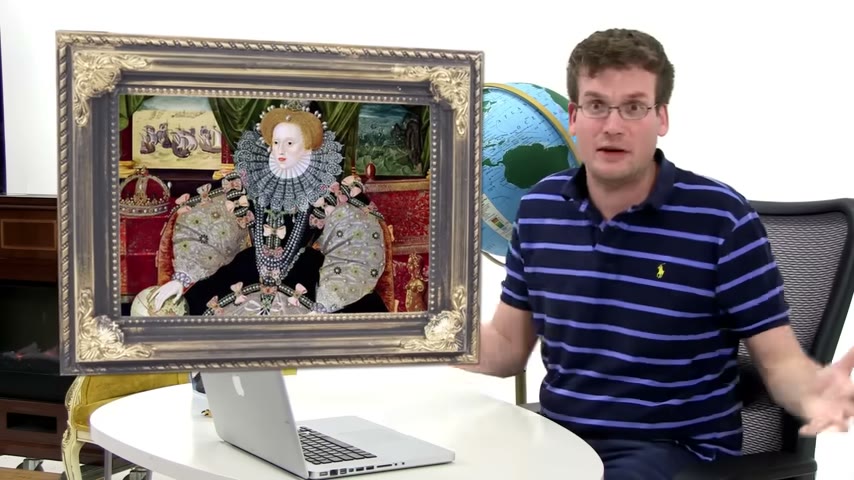
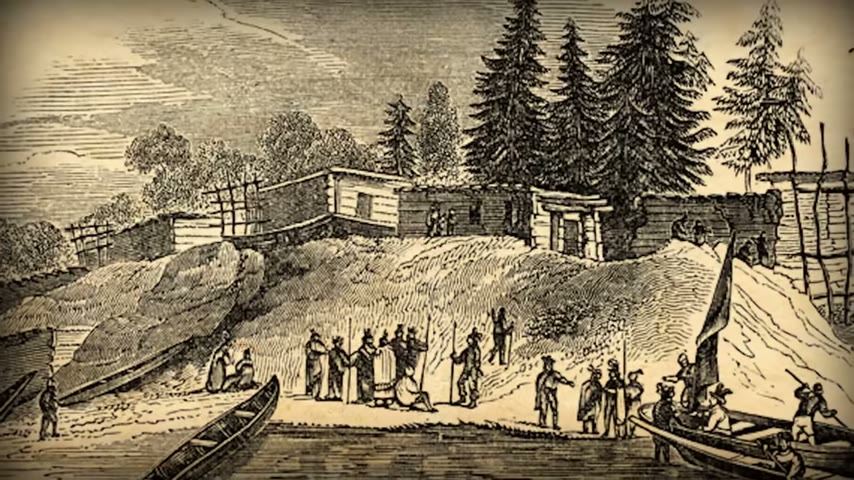
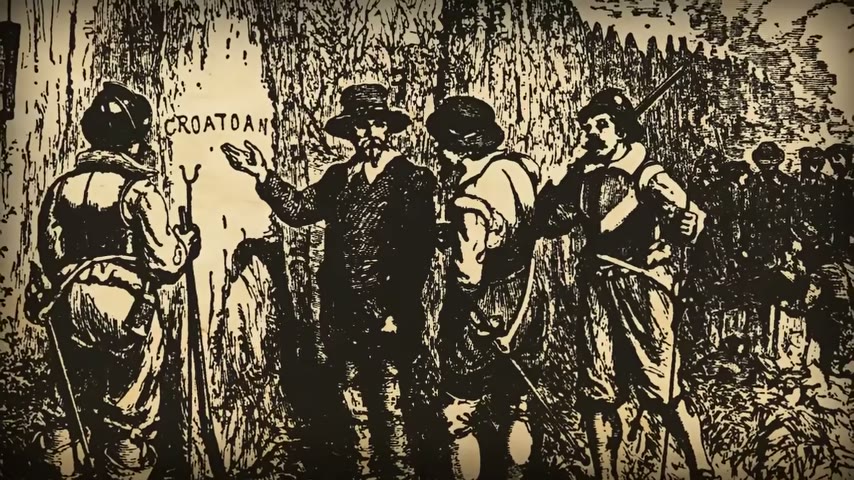
Green adds an aside: Virginia was named for Elizabeth I’s reputation as the “Virgin Queen”. Then the first real history of the episode: before Jamestown there were two failed English attempts in the region. The famous one is Roanoke Island, sponsored by Sir Walter Raleigh, whose colonists vanished and left behind only the word “Croatoan” carved into wood. For context: Raleigh organized the voyages but did not go himself, and the lost colony was planted in 1587. When a supply ship finally returned in 1590 it found the settlement abandoned. “Croatoan” was the name of a nearby island and its people, so the colonists may have moved there; their fate is still unknown.
1:37 – 3:03 Jamestown: gold, hunger, and servants
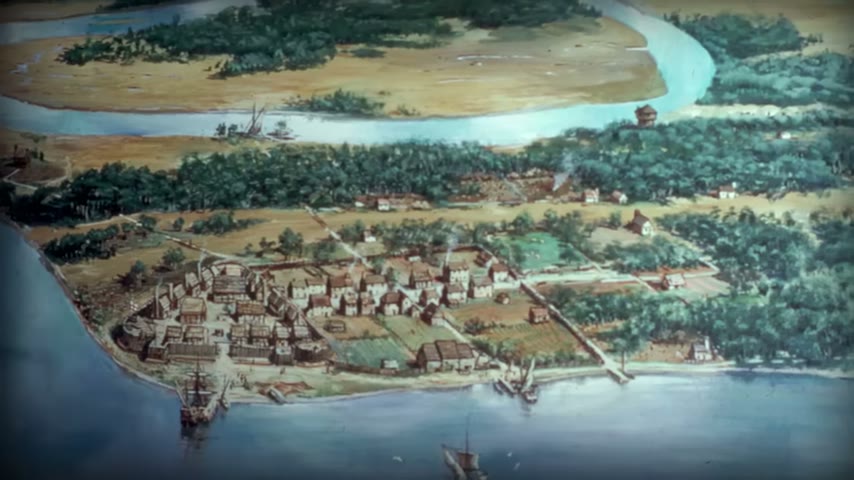
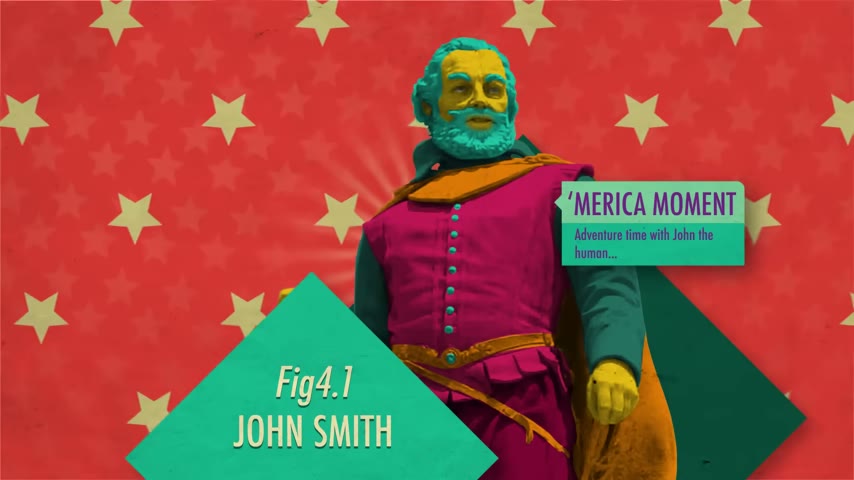
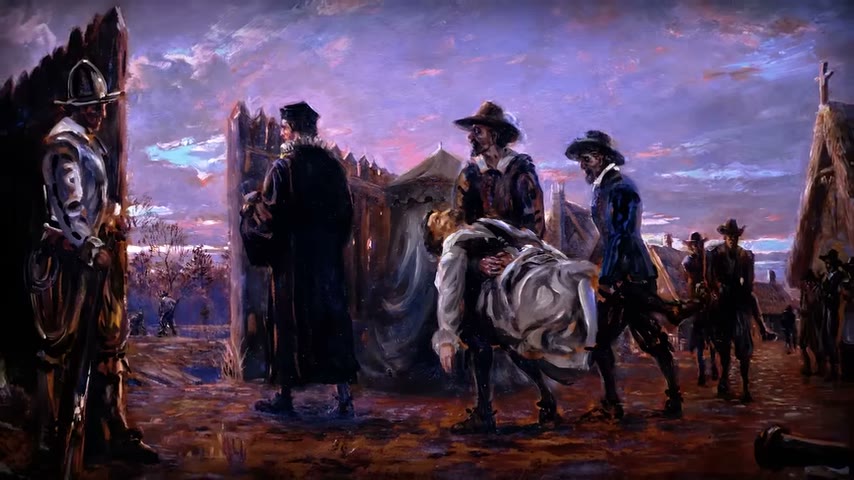
Jamestown, founded in 1607, was run by the Virginia Company, a joint-stock company meant to make money for its investors. It never did. The settlers expected gold like Spain had found further south, so the colony brought too many goldsmiths and jewelers and too few farmers. Captain John Smith, who soon took charge, complained that they would rather starve than farm. Half the colonists died in the first year. Hundreds more arrived, but after the “Starving Time” winter of 1609–10 only 65 were left. Word got around that the colony’s first-year survival rate was about one in five, and recruiting became hard.

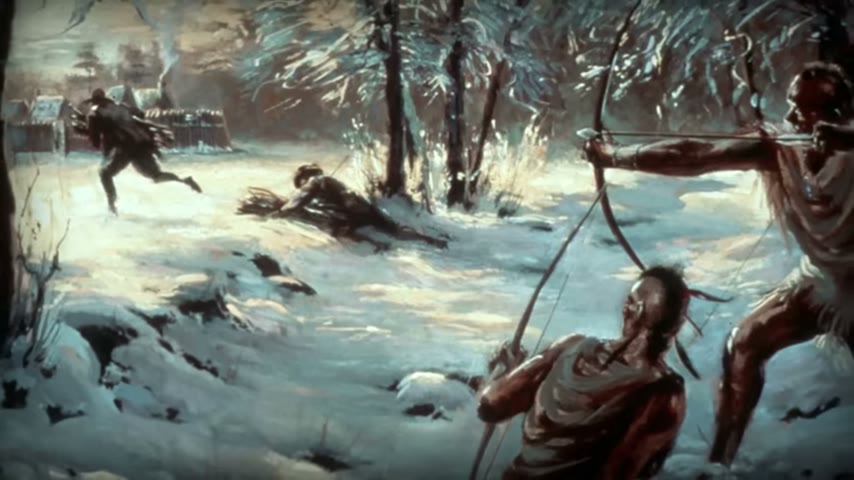
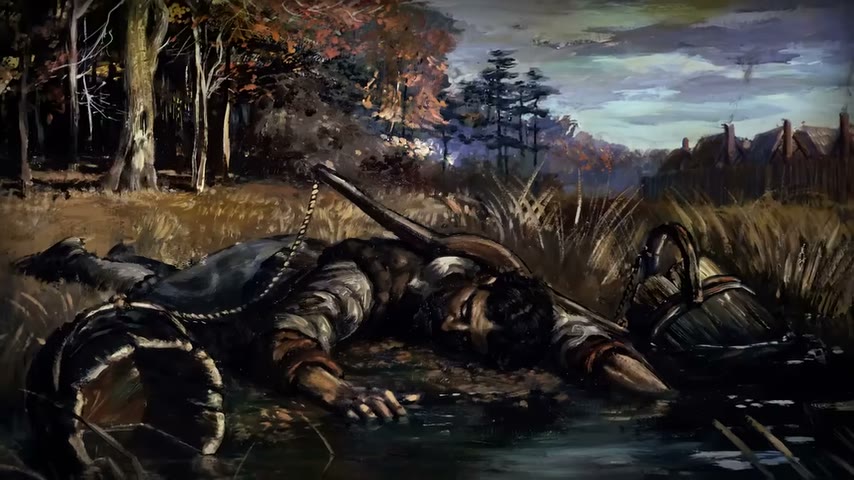
The fix, in 1618, was the headright system: 50 acres for every person a settler paid to bring over. This let wealthy men build large estates, worked mostly by indentured servants. Green calls them “temporary slaves”: they could be bought and sold and had to obey their masters, but after seven to ten years they were owed “freedom dues” that might let them buy a farm. Often the dues were too small, or the servant had died first.
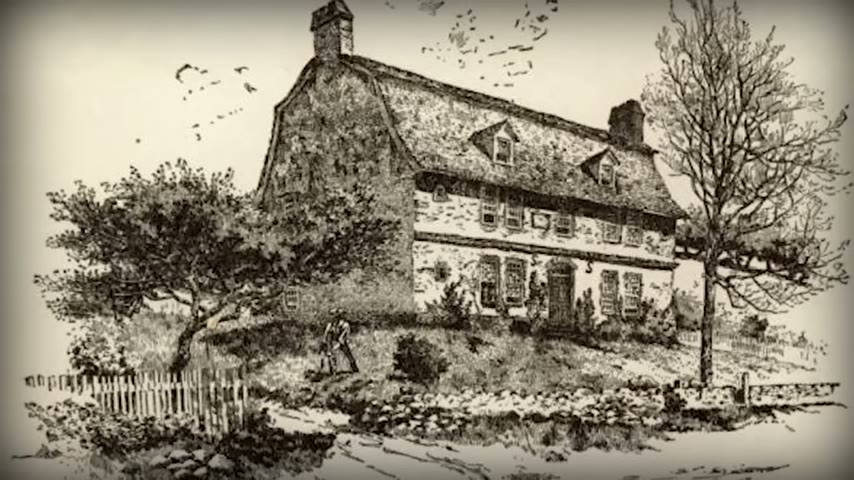
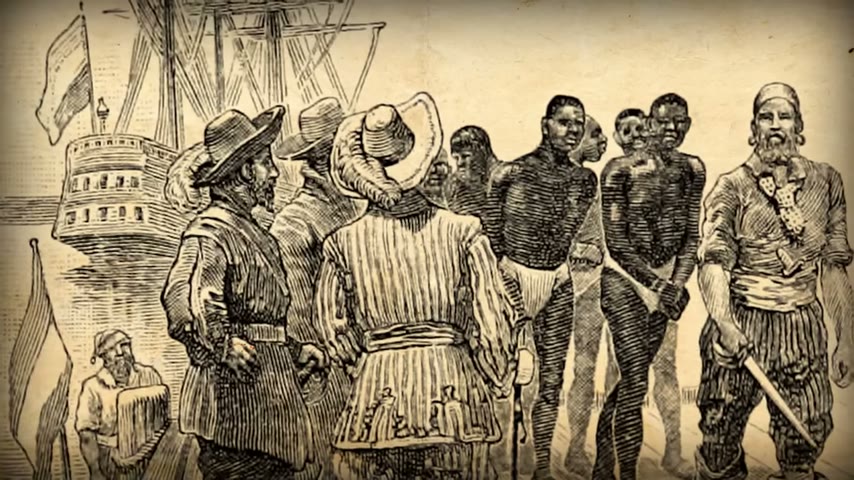
Then the ominous date: in 1619, twelve years after Jamestown’s founding, the first Africans were brought to Virginia. A short footnote is useful. The “twenty and odd” Africans who arrived at Point Comfort in August 1619 had been taken from a Portuguese slave ship by English privateers. Their exact legal status in Virginia at first is debated, since slavery was not yet written into Virginia law. But they arrived as captives, and over the following decades Virginia built a system of hereditary, race-based slavery. The same year, Virginia’s first elected assembly met, so representation and slavery began in the colony almost together.
3:03 – 4:38 Tobacco builds Virginia society
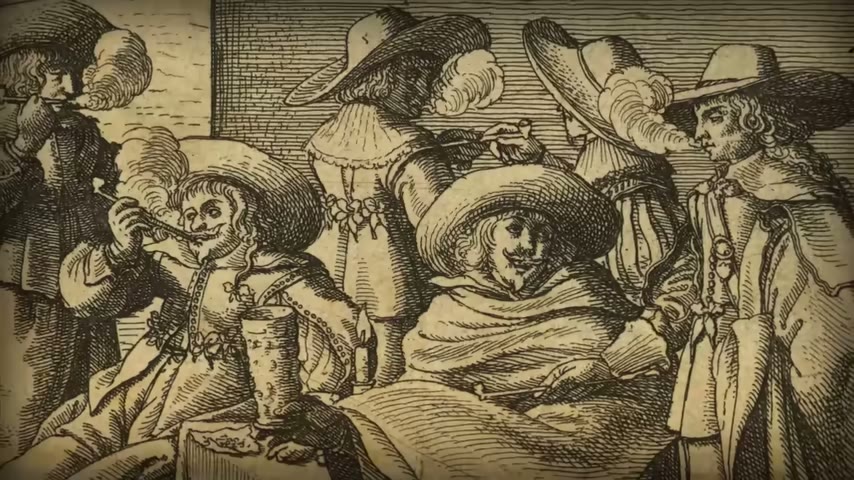
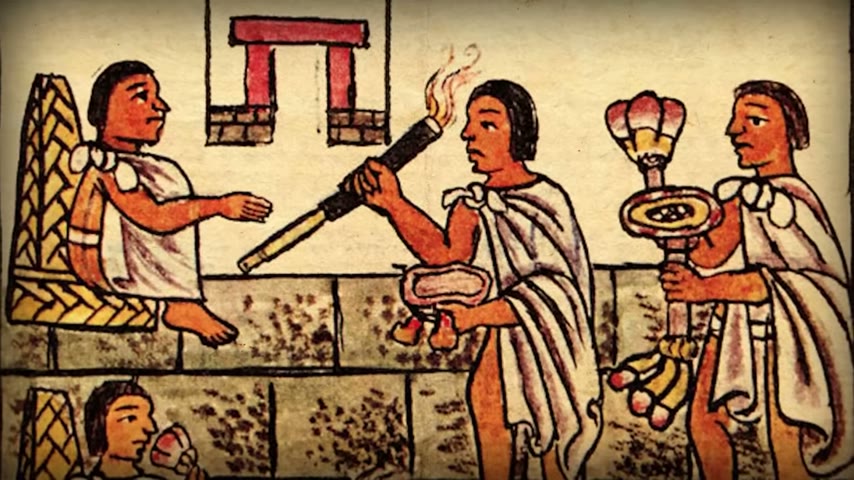
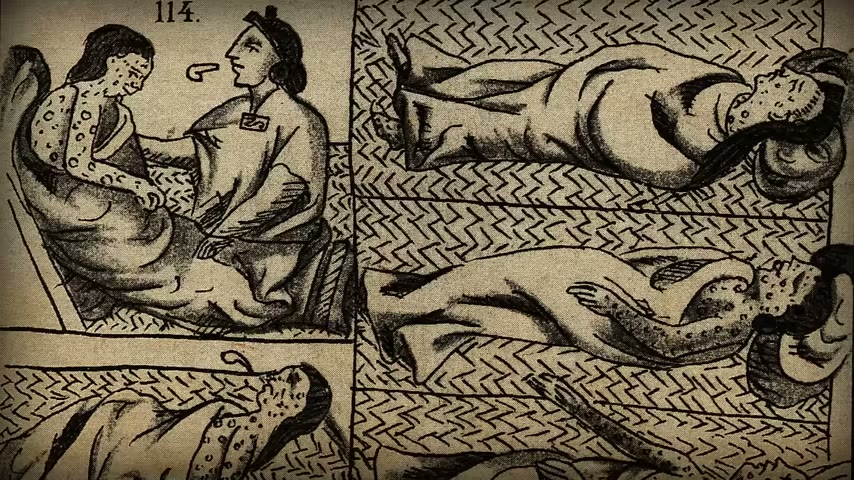
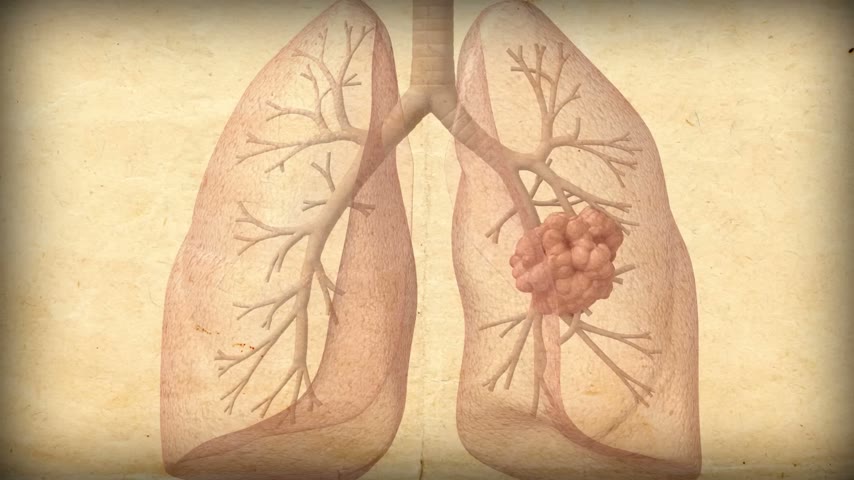
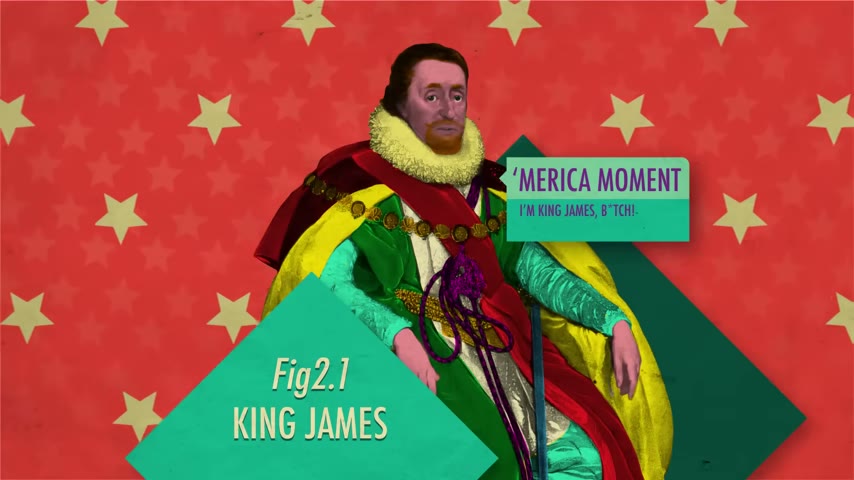
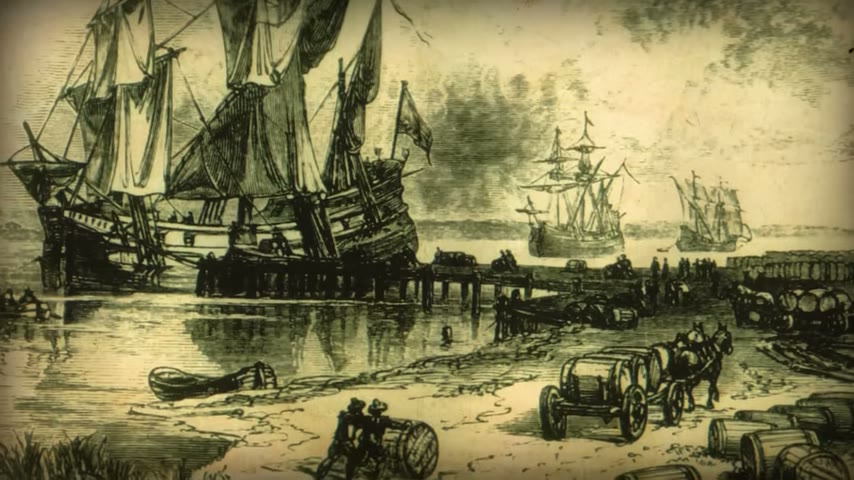
What kept Virginia going was tobacco. It had been grown in Mexico since at least 1000 BCE, but Europeans had not known it. Green calls it the Native world’s return gift for smallpox. King James I hated smoking and called it “a custom loathsome to the eye, hateful to the nose” in a 1604 pamphlet, A Counterblaste to Tobacco, but he liked the tax revenue. Exports grew fast: more than 200,000 pounds a year by 1624 and more than 30 million by the 1680s. The settler usually credited with the breakthrough is John Rolfe, who around 1612 began growing a milder Caribbean variety that sold well in England.
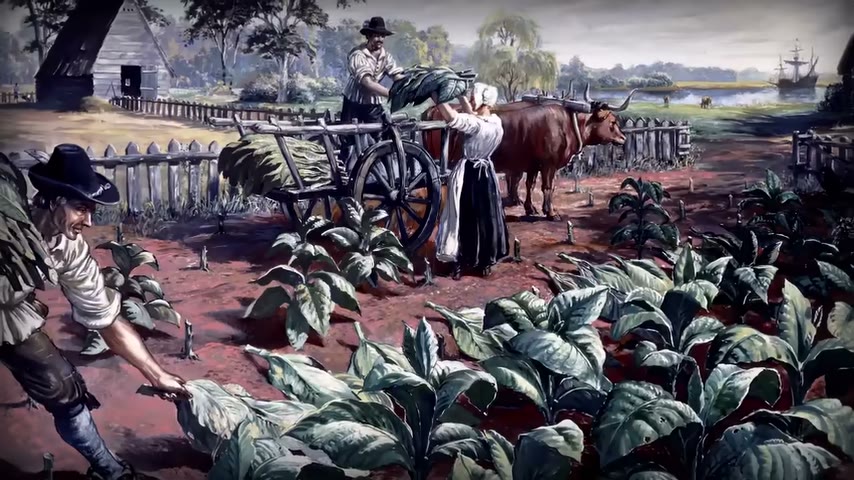
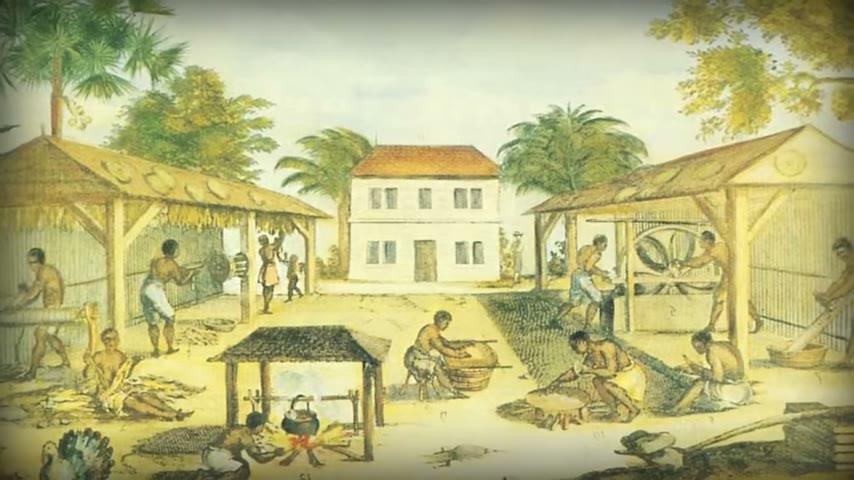
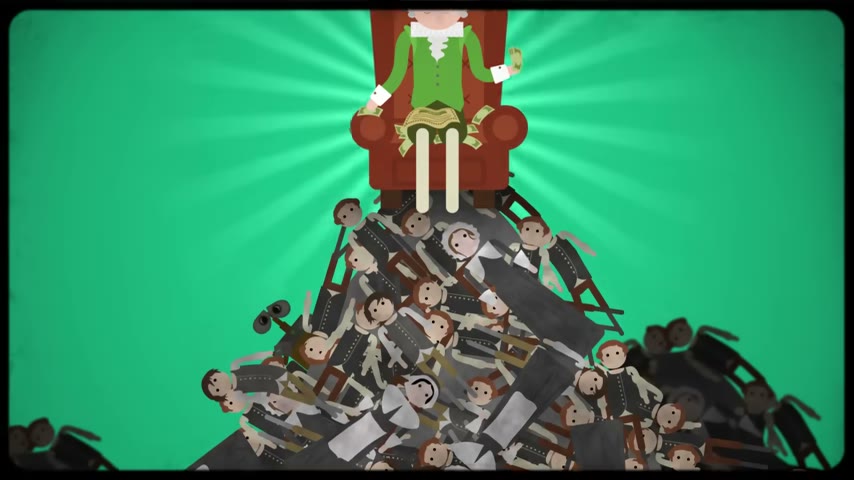
Tobacco also shaped who lived in Virginia. About three-quarters of 17th-century arrivals were servants, so the colony became a small class of rich landowners on top of many servants, a sharper version of England’s own class system. Green’s line that plantations had “very little in the way of towns or infrastructure to hold the social order together” is sarcasm: a scattered, unequal society was unstable, as later episodes will show.
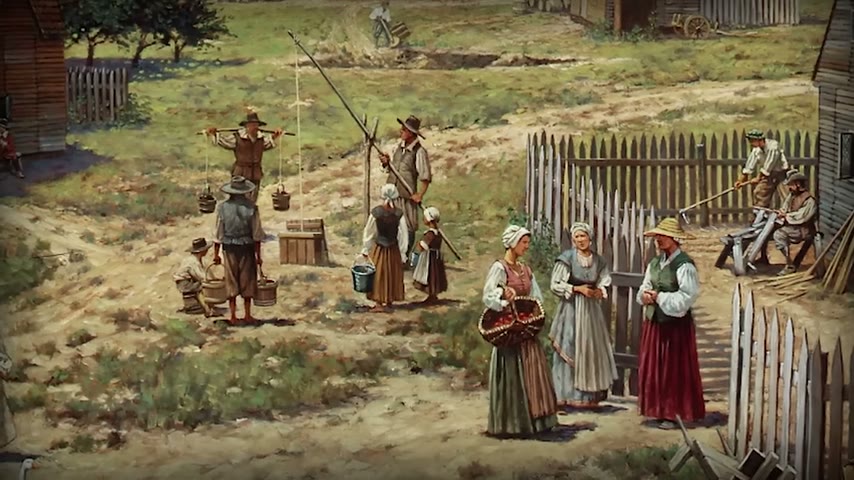
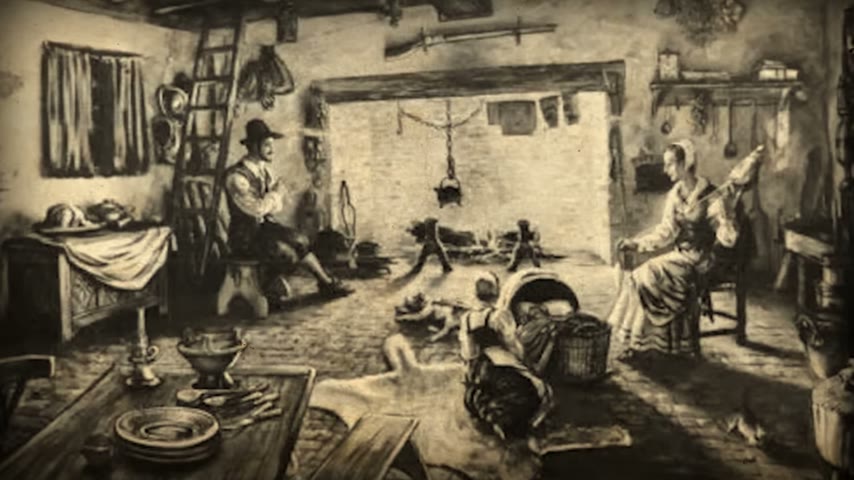
The colony was also overwhelmingly male, because men were preferred for field work. Men outnumbered women about five to one. Most women came as servants and could not marry until their term was up, which meant later marriages, fewer children and a slow-growing population. One odd upside: so many husbands died young that a class of widows emerged who could, unusually for the time, make contracts and own property.
4:38 – 5:27 Maryland: a colony owned by one man
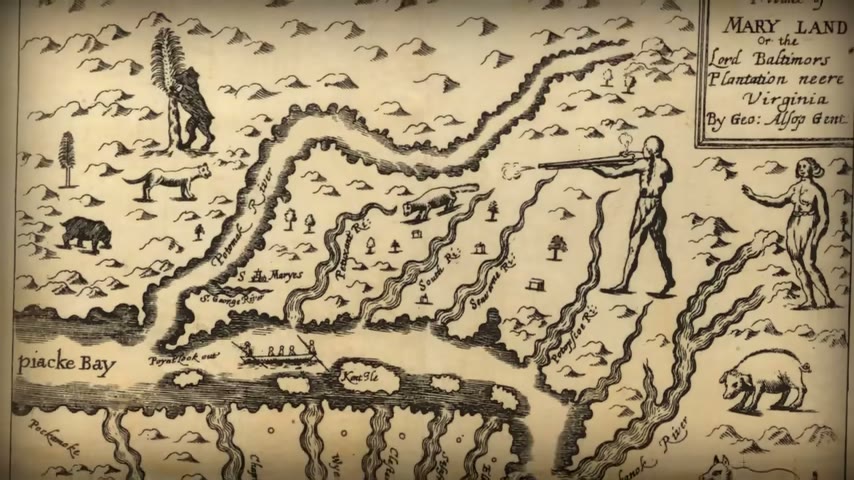
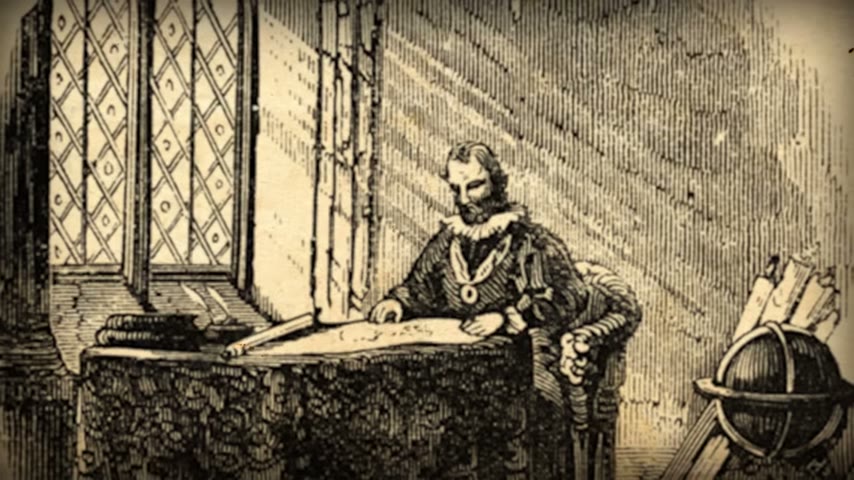
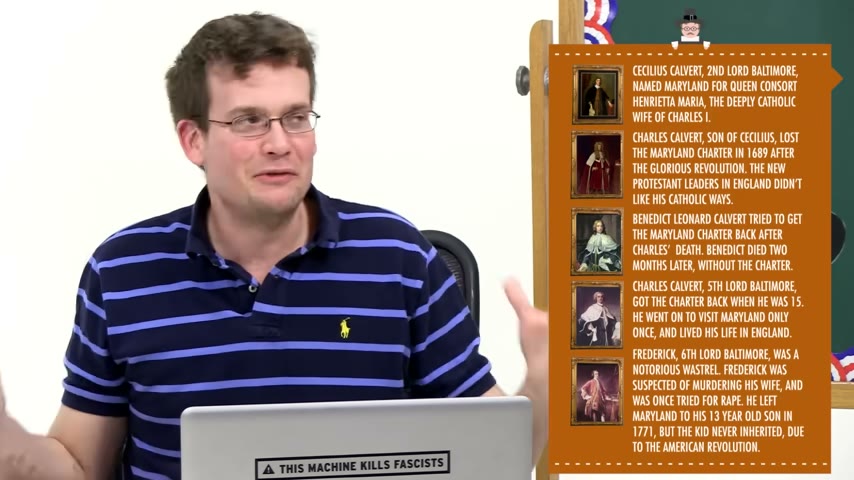
Maryland, the second Chesapeake colony, was chartered in 1632 as a proprietorship: a huge land grant to one person, Cecilius Calvert, rather than to a company. Calvert hoped to run it almost like a feudal estate for his family and disliked the representative institutions growing up in Virginia. He was Catholic, and Catholics were welcome in Maryland, which was rare in the English world. Two dates help: the first settlers arrived in 1634, and in 1649 the colony passed a Toleration Act protecting Christians of different kinds. Like Virginia, Maryland’s economy came to rest on tobacco.
5:27 – 7:02 Thought Bubble: Puritans, Pilgrims and the first Thanksgiving
After a fake-out (“I will not be talking about Thanksgiving”), the Thought Bubble sorts out two groups that are often mixed up.
- Puritans were strict Protestants who thought the Church of England was still too Catholic, with its kneeling, incense and bishops. The name was an insult used by others. Those who settled New England were Congregationalists: each congregation chose its own leaders and form of worship, with no bishops above them.
- Pilgrims went further. They were Separatists who wanted to leave the Church of England more or less completely. They moved first to the Netherlands, then raised money from investors for a colony of their own in 1620.
Green says they left the Netherlands because the Dutch were “too corrupt” for them. A fairer summary: the Dutch tolerated them, but the Pilgrims found it hard to make a living and worried that their children were becoming Dutch.
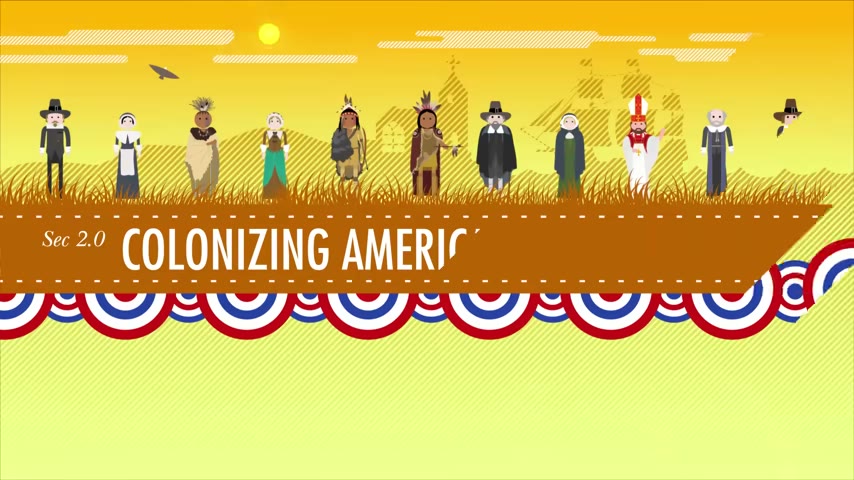
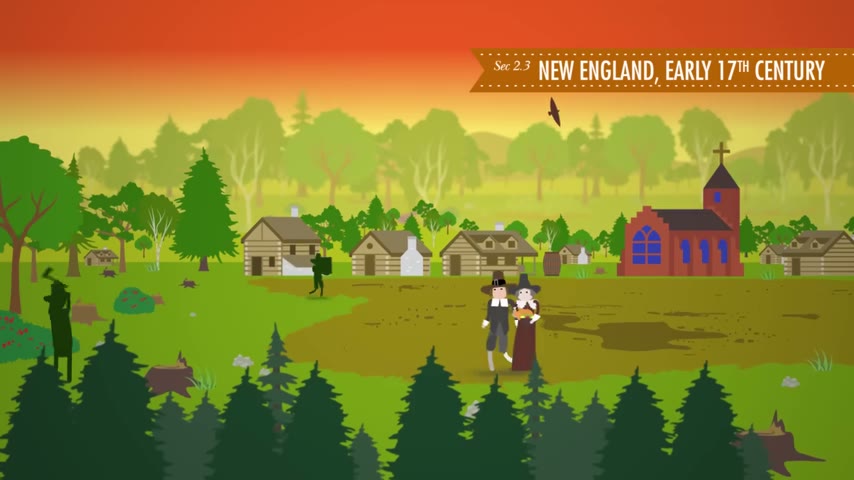
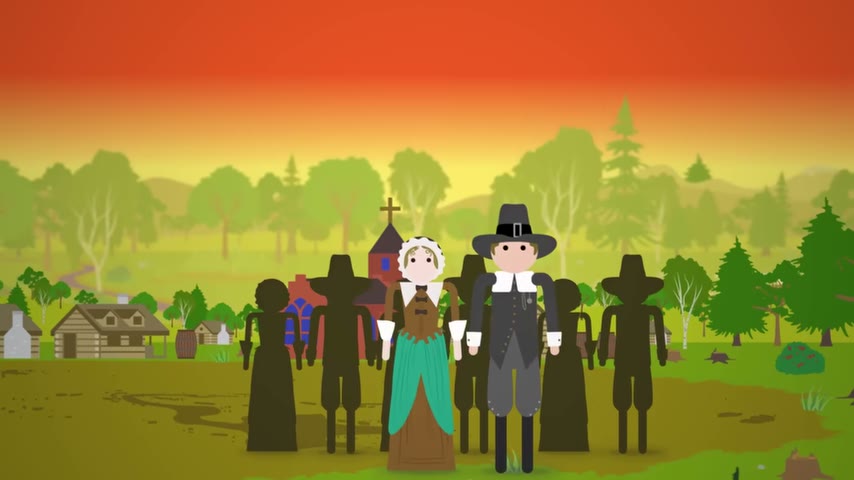
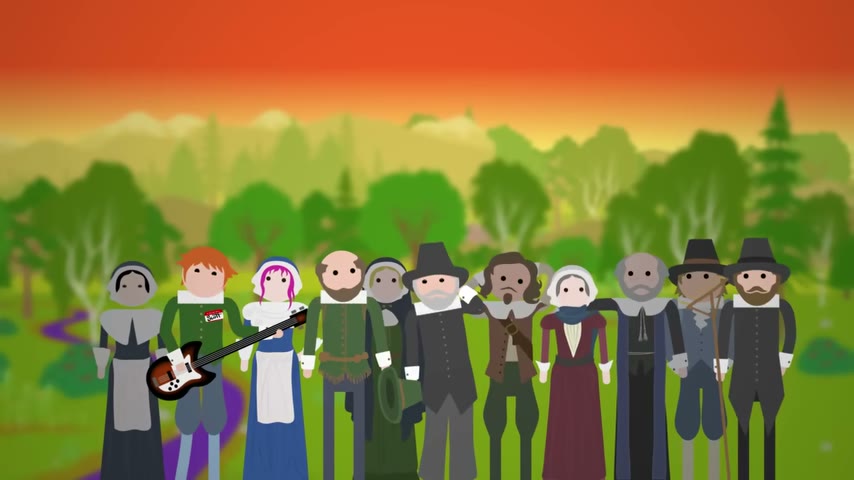
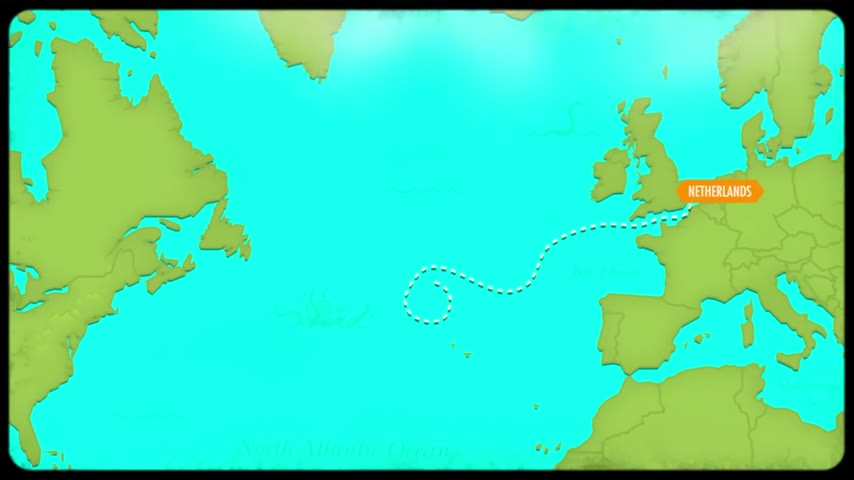
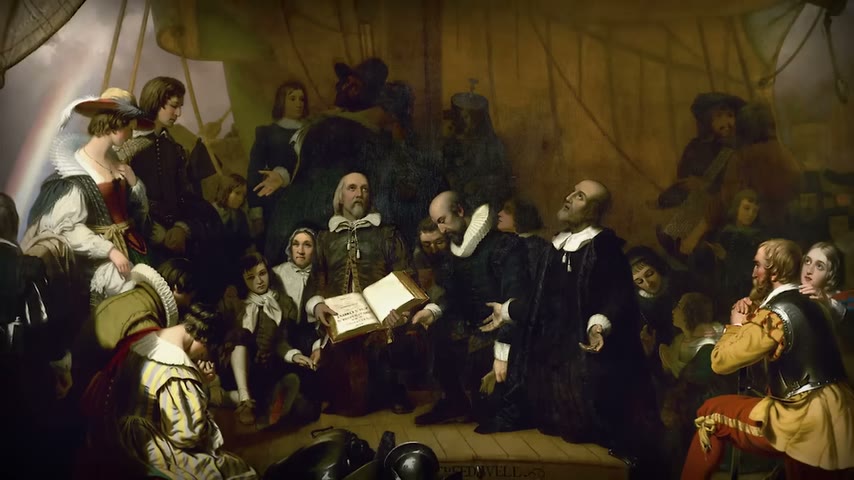
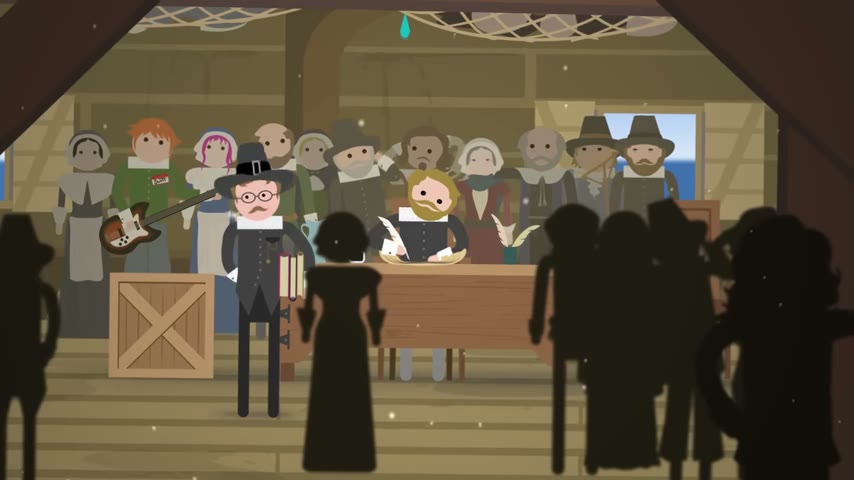
The Pilgrims were meant to land in Virginia but were blown off course and founded Plymouth in what is now Massachusetts. Before landing, still aboard the Mayflower, 41 of the passengers signed the Mayflower Compact, promising to obey “just and equal laws” made by their chosen leaders. Green calls it the first written framework for government in what became the US. One number needs fixing: the Mayflower carried about 102 passengers, not 150, and the 41 signers were the adult men. It is worth knowing that Virginia already had an elected assembly from 1619, so the Compact was not the first self-government in English America, but it was the first written agreement of its kind.
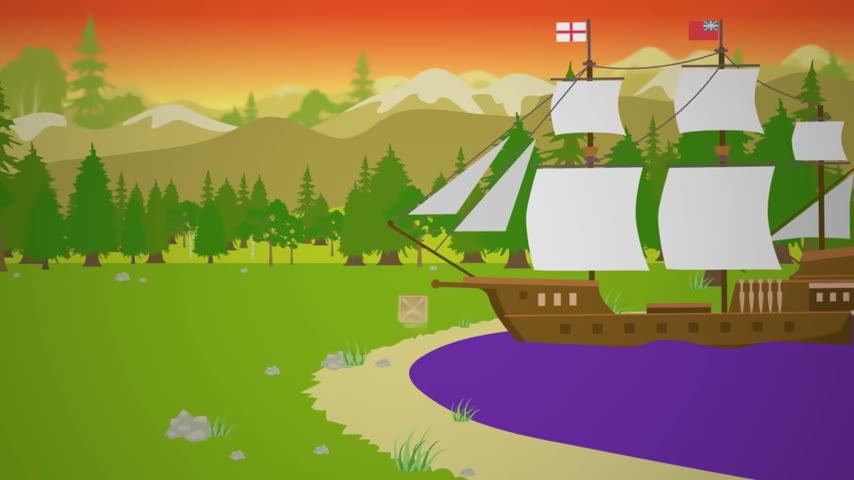
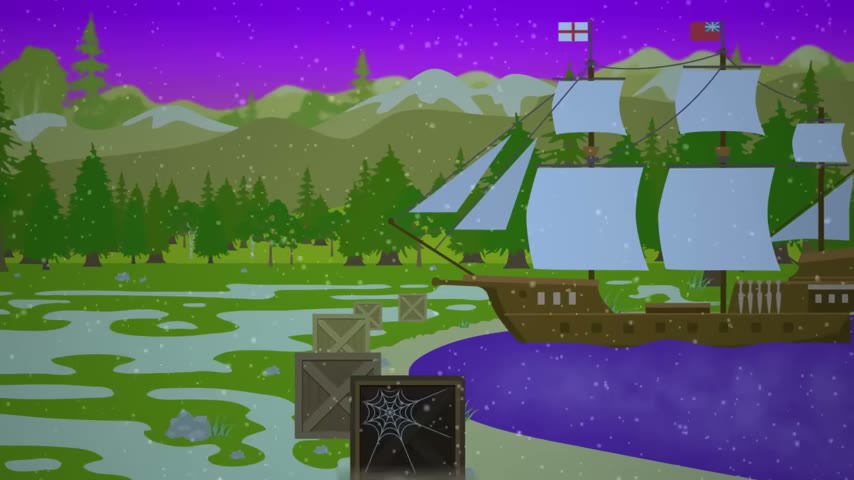
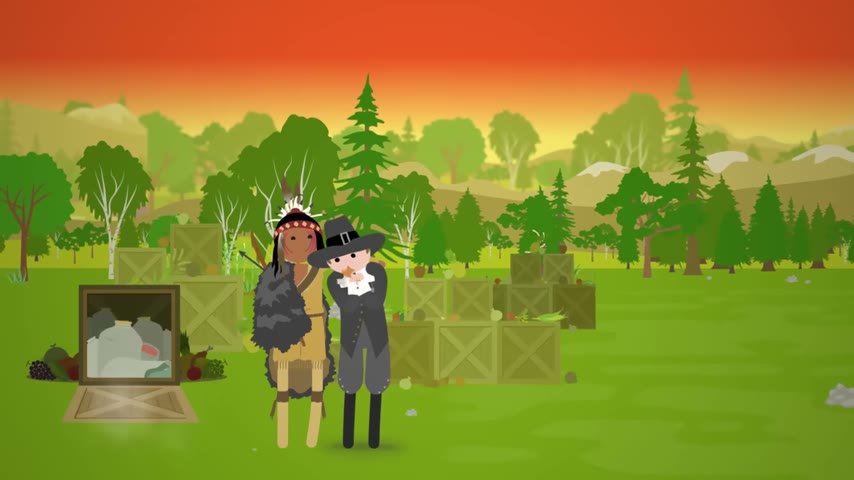
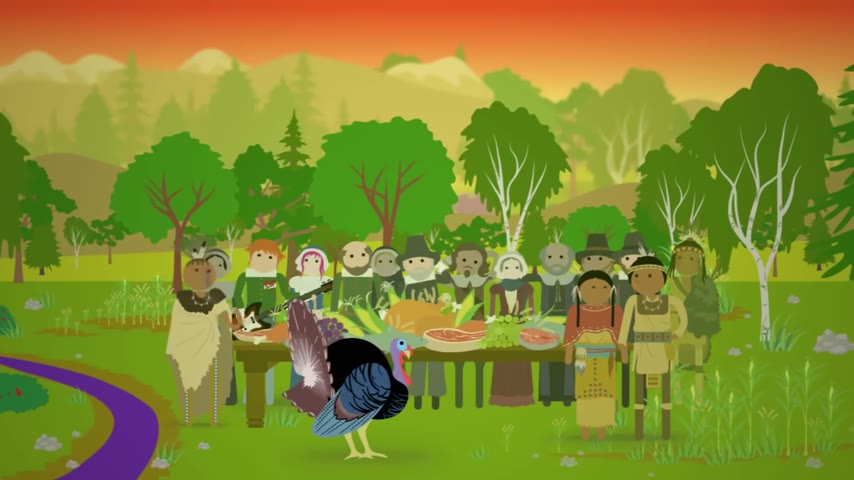
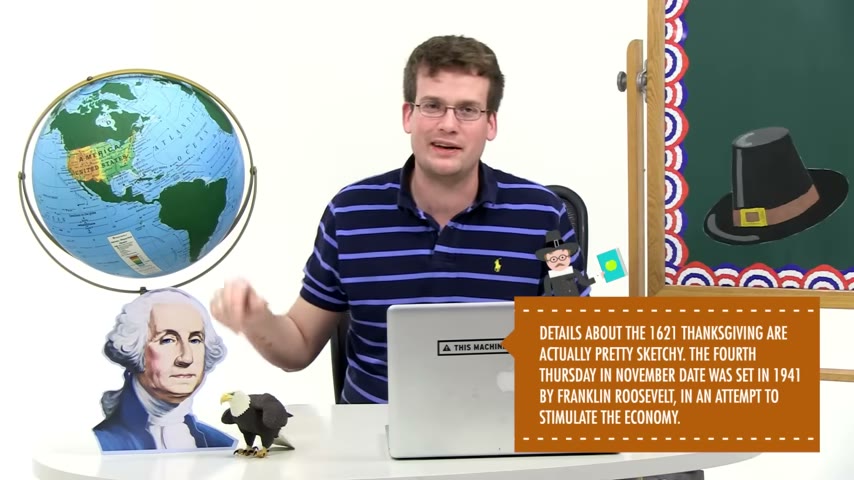
They survived because local Native people gave them food and taught them to plant corn and where to fish. A year later, with the help of an alliance with the Wampanoag leader Massasoit, the Pilgrims held a harvest feast, the “first Thanksgiving”. Green’s statement that it happened on the fourth Thursday in November is a joke, and the show’s on-screen note admits it: details of the 1621 feast are thin, and the fourth-Thursday date was fixed only in 1941. The jab at “mid-October” is aimed at Canada, which celebrates Thanksgiving on the second Monday of October. That is the “When is Thanksgiving?” of the episode title.
7:02 – 8:01 Squanto, and Massachusetts Bay takes over
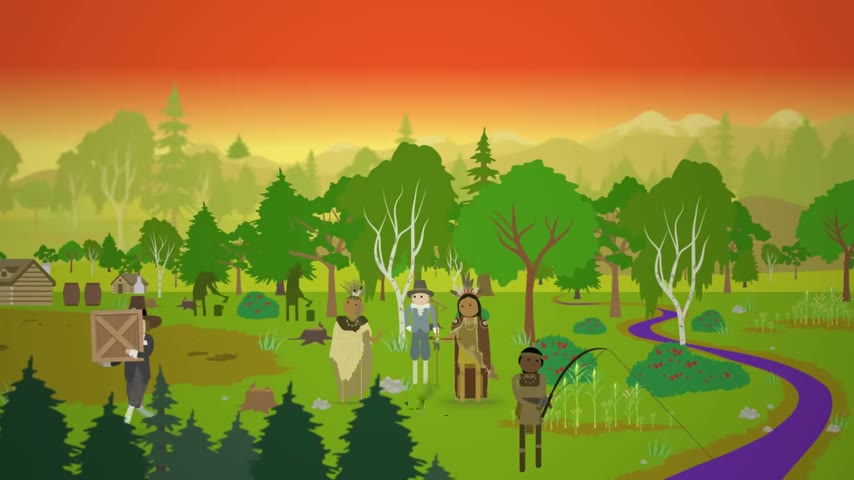
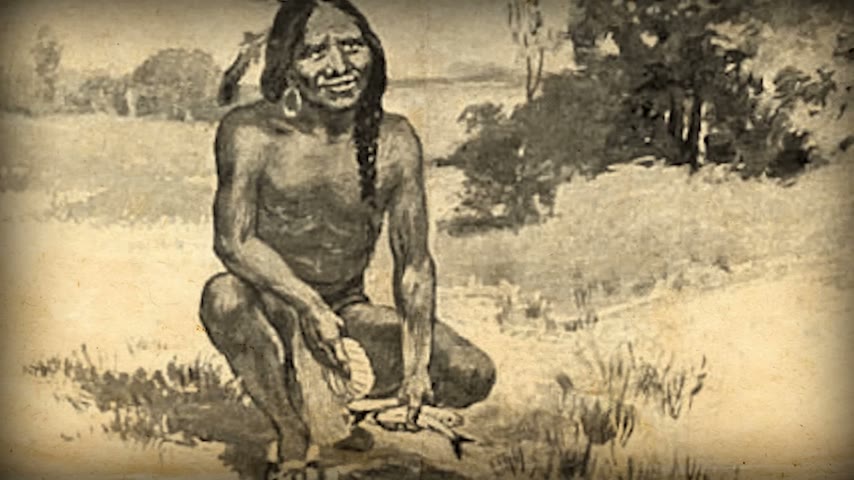
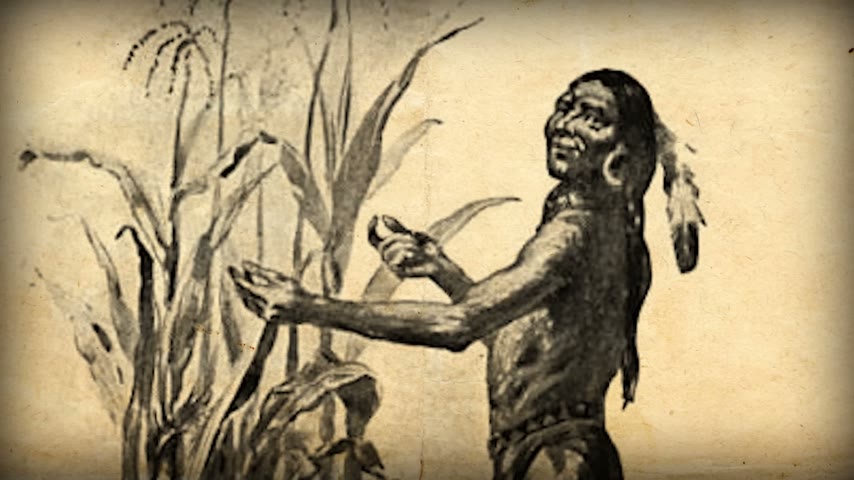
Green singles out Squanto (Tisquantum), who returned to find almost all of his Patuxet people dead of disease, settled with the Pilgrims on the site of his old village, and later died of disease himself. The episode leaves out the reason Squanto could help at all. In 1614 an English captain kidnapped him and others and took them to Spain to be sold; he made his way to England, learned English, and only got home in 1619. Two small corrections: Squanto was an interpreter and go-between, not the leader of the local Native people (that was Massasoit), and he died in 1622.
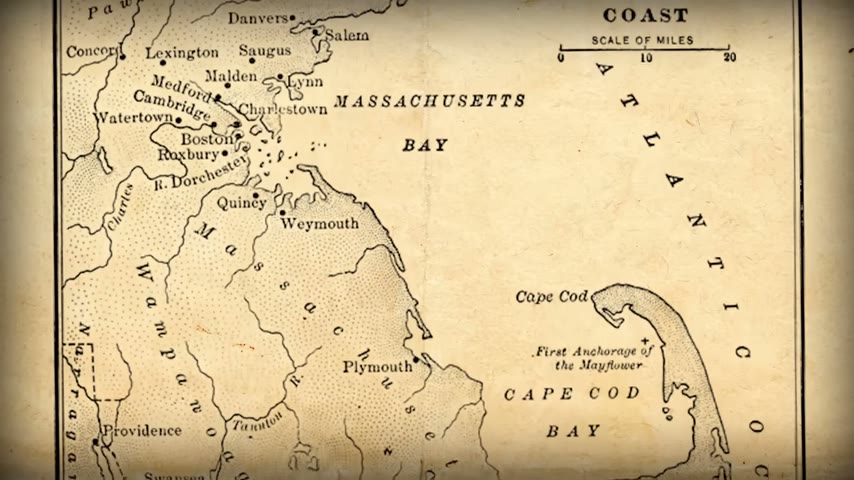
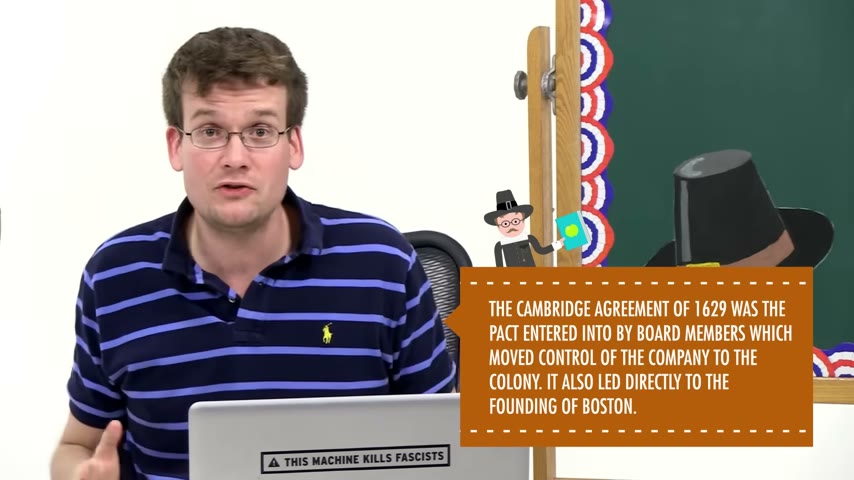
Plymouth struggled on until 1691, when it was absorbed into the much larger Massachusetts Bay Colony. Massachusetts Bay was chartered in 1629 by London merchants who, like the Virginia Company, hoped to profit. The key difference is that its board of directors moved to America, taking the charter with them. That gave the colony far more self-government than Virginia had. Its Puritan mission also meant that, at least at first, the common good came before individual rights. Green ends the chapter by linking this North–South difference in ideas about government to the present day.
8:01 – 9:51 Mystery Document: a city upon a hill
The Mystery Document returns, with the same rules as episode 1: guess the author or get shocked. The passage asks the community to be “knit together in this work as one man”, to give up its extras for the needs of others, and to remember that it shall be “as a city upon a hill” with all eyes on it. If it breaks faith with God, it will become a byword for failure around the world.

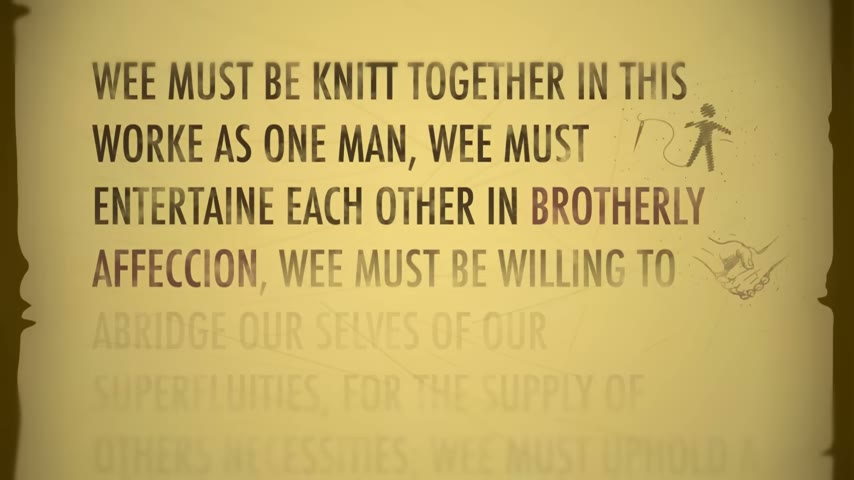
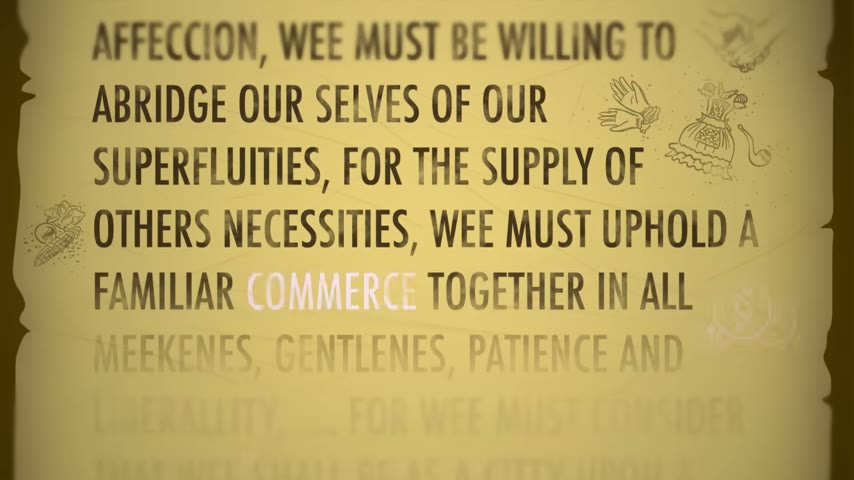
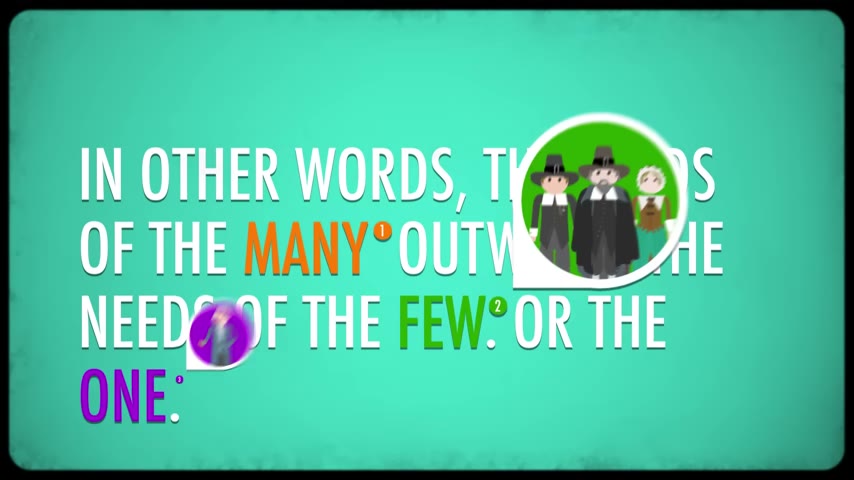
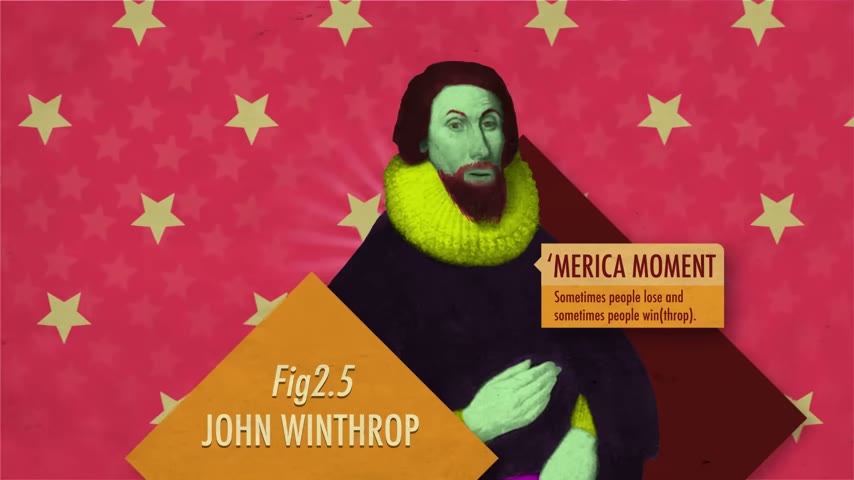
Green spots the city-upon-a-hill metaphor and correctly names the source: John Winthrop’s sermon “A Model of Christian Charity”, given in 1630 as the first big wave of Massachusetts Bay settlers arrived. (The image comes from Jesus’s Sermon on the Mount in the Gospel of Matthew.) Green draws two lessons. First, the Puritan mission was collective, not individualist: the needs of the many outweigh the needs of the few, a line borrowed from Star Trek. Second, the metaphor became one root of American exceptionalism, the idea that America is specially chosen to be a model for other nations, though for Winthrop only as long as the community held together. Ronald Reagan made it the centerpiece of his farewell address in January 1989.

9:51 – 11:22 Self-government without equality
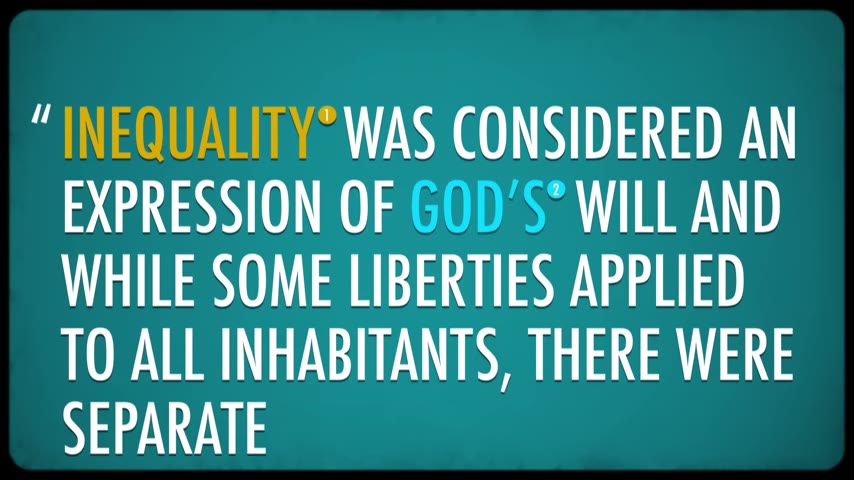
New England towns were governed democratically, but only within limits. Only church members could vote or hold office, and full membership required being judged a “visible saint”, so power stayed with the church elite. Society was less unequal than in the Chesapeake or England, but far from equal. Winthrop himself said that “some must be rich, some poor”. Green also quotes the historian Eric Foner: Puritans saw inequality as God’s will, and the colony kept separate lists of rights for freemen, women, children and servants. Slavery existed in Massachusetts too; the episode dates the first recorded slaves to 1640.
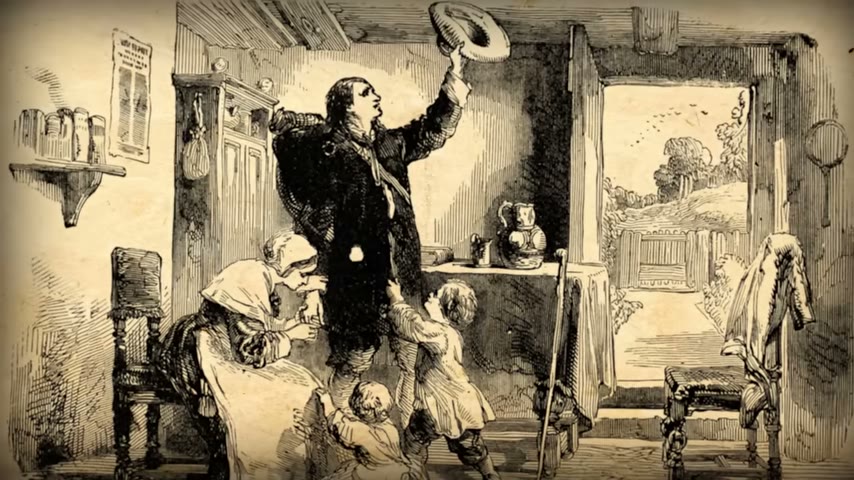
In one way the Puritans did promote equality: they wanted everyone to be able to read the Bible, and town councils could punish parents who did not teach their children to read. Massachusetts later turned this into laws requiring towns to keep schools (1647). But religious dissent was not tolerated. Roger Williams, who argued that people should be free to practice any religion, was banished and went on to found Rhode Island. Anne Hutchinson, who taught that church membership should depend on inner grace rather than outward behavior like church attendance, was banished too. She was doubly threatening because she was a woman preaching unorthodox ideas.
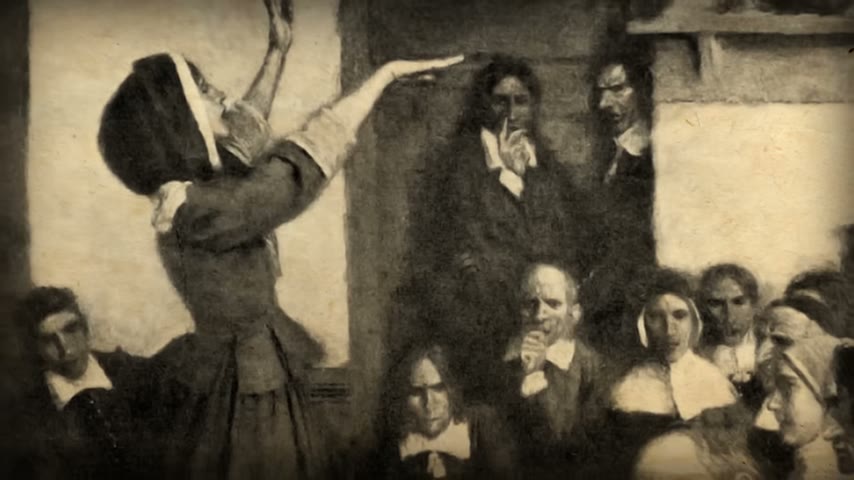
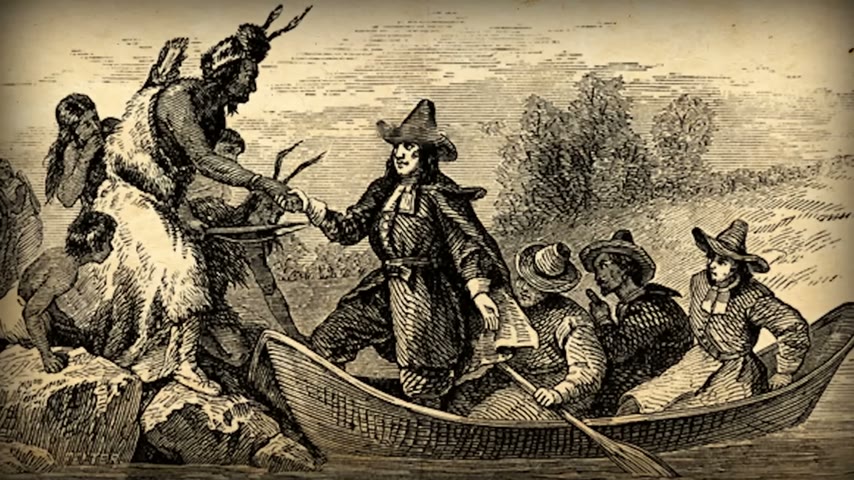
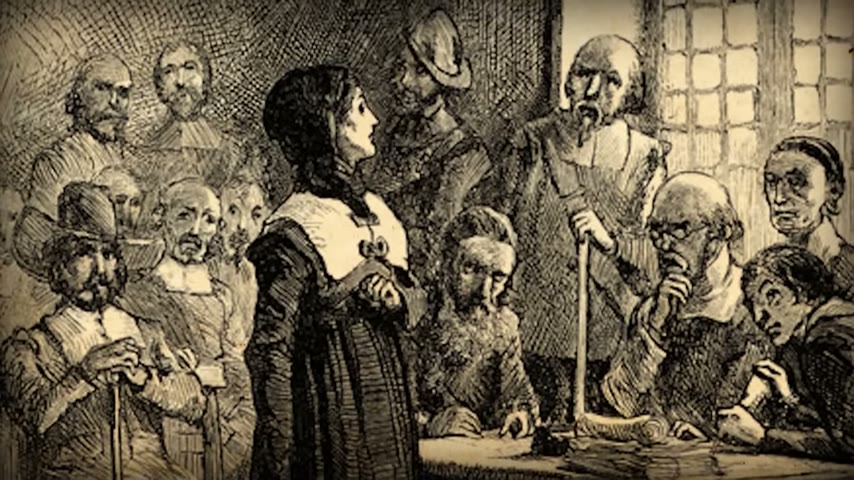
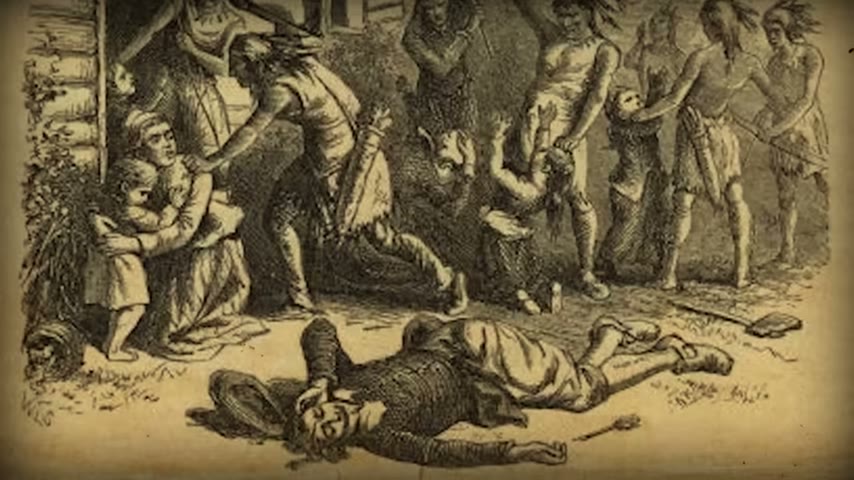
Green says Hutchinson was then “further banished” to Westchester, New York, where Native people killed her and her family. The outline is right, but two details need adjusting. She was not banished a second time; after a few years in Rhode Island she moved by choice to the Dutch colony of New Netherland. And she was killed in 1643, during a war between the Dutch and local peoples, near what is now Pelham Bay in the Bronx. Green’s “finally, somebody who doesn’t die of disease or starvation” is gallows humor about how many people in this episode die.
11:22 – 11:53 Mythology versus history
The closing argument ties the episode together. Americans like to think the country was founded by pioneers of religious liberty escaping English oppression. That is only partly true. Puritan “equality” and “representation” were narrow; America was also founded by Native peoples and Spanish settlers; and the earliest English colonies were about money, not religion. Green promises that this tension between American mythology and American history will come back every week, which makes it a good question to bring to the rest of the series.
Skip list
- 0:15 – 0:34 The “Libertage” montage and the Star Trek joke.
- 5:19 – 5:27 The “I will not be talking about Thanksgiving” fake-out.
- 11:53 – 12:26 Credits and subscribe reminder.
Key terms
- Joint-stock company — a business owned by many investors who share profits and losses; the Virginia Company that founded Jamestown was one.
- Starving Time — the winter of 1609–10 at Jamestown, when the colony fell to about 65 people.
- Headright system — from 1618, 50 acres of Virginia land for each person whose passage a settler paid.
- Indentured servant — a worker bound to a master for a fixed term, usually seven to ten years in this episode, in exchange for passage and “freedom dues” at the end.
- Proprietary colony — a colony granted to one person or family, such as Maryland under Cecilius Calvert.
- Puritans — English Protestants who wanted to purify the Church of England of Catholic practices.
- Congregationalism — church government in which each congregation chooses its own leaders and worship, without bishops.
- Separatists (Pilgrims) — Puritans who broke away from the Church of England entirely; they founded Plymouth.
- Mayflower Compact (1620) — the agreement signed aboard the Mayflower to form a government and obey its “just and equal laws”.
- “A Model of Christian Charity” (1630) — John Winthrop’s sermon calling Massachusetts Bay “a city upon a hill”.
- American exceptionalism — the idea that the United States is uniquely chosen or destined to be a model for other nations.
- Visible saint — a person judged by a Puritan church to show signs of God’s grace; only such members could vote in early Massachusetts.
Review questions
- What parts of the “plucky English people seeking religious freedom” story does Green accept, and what parts does he reject?
- Why did Jamestown nearly fail in its first years, and what changes allowed it to survive?
- How did the headright system and indentured servitude shape who lived in Virginia and who owned its land?
- How did tobacco affect Virginia’s towns, class structure and balance of men and women?
- What made Maryland different from Virginia in how it was founded and governed?
- What is the difference between Puritans and Pilgrims, and where did each group settle?
- Why was the Mayflower Compact important, and what are its limits as a “first framework for government”?
- What two lessons does Green draw from Winthrop’s “city upon a hill” sermon?
- In what ways was Massachusetts Bay democratic, and in what ways was it unequal or intolerant?
FAQ
What is the difference between the Pilgrims and the Puritans?
Both were English Protestants who thought the Church of England was still too close to Catholicism. Most Puritans wanted to reform that church from within; the Puritans who settled Massachusetts Bay from 1630 ran their churches as self-governing congregations. The Pilgrims were Separatists who wanted to break away from the Church of England altogether. They went first to the Netherlands and then, in 1620, founded Plymouth, a much smaller colony that Massachusetts Bay absorbed in 1691.
Why was Jamestown founded, and how did it survive?
Jamestown (1607) was a business venture of the Virginia Company, whose investors hoped to find gold as Spain had. There was no gold, and about half the settlers died in the first year; after the Starving Time of 1609–10 only about 65 were left. The colony survived because tobacco turned out to be hugely profitable, and because the headright system of 1618 gave land to anyone who paid for settlers to come, which brought in thousands of indentured servants.
What was the Mayflower Compact?
It was an agreement signed aboard the Mayflower in November 1620 by 41 of the male passengers before they landed at Plymouth. The signers agreed to form a 'civil body politic' and to obey the 'just and equal laws' made for the colony. The episode calls it the first written framework for government in what became the US. It was a short pledge of self-government, not a full constitution.
Was the first Thanksgiving really on the fourth Thursday in November?
No. That line in the episode is a joke, and the show's own on-screen note says the details of the 1621 feast are sketchy. The Pilgrims and their Wampanoag allies held a harvest celebration some time in the autumn of 1621. The fourth-Thursday date was fixed in 1941 under Franklin Roosevelt. Canada's Thanksgiving, the 'mid-October' one Green mocks, falls on the second Monday of October.
What does John Winthrop's "city upon a hill" mean?
In his 1630 sermon 'A Model of Christian Charity', Winthrop told the Massachusetts Bay settlers that the whole world would be watching them, so they had to live together as one community under God. If they failed, they would become a byword for failure. The phrase, borrowed from the Gospel of Matthew, later became a basis for one strand of American exceptionalism, and Ronald Reagan used it in his 1989 farewell address.
Studying another course? Paste its YouTube or Bilibili link on the home page to request a handout — or make your own with the desktop app (coming soon).