Crash Course US History #7, Who Won the American Revolution? — notes and timestamps
Watch the video (13 min)
Watch the original video on YouTube
The full transcript isn't available yet.
Episode 7 of John Green’s Crash Course US History asks a simple question with a complicated answer: who actually won the American Revolution? Green runs through the War for Independence in about two minutes, then spends the rest of the episode on what the war meant for ordinary soldiers, Loyalists, enslaved people, Native Americans and women. His conclusion is that the Revolution changed less in society than Americans like to think, but changed a great deal in ideas, and that those ideas, above all equality, did their work slowly over the following decades. These notes follow the episode’s order, mark the jokes, and add short corrections where the quick version gets a date or detail wrong. Episode 6 (taxes and the road to independence) is the useful background.
Key takeaways
- The episode’s test is whether things changed. Green contrasts revolutions that swap one ruler for another with ones that transform life, and says the American Revolution was a bit of both (0:02).
- Britain took the cities; the Americans kept the countryside. The Continentals did not need to win every battle, only to stay in the fight. Saratoga (1777) and Yorktown (1781) were the turning points (1:23).
- The heroic version leaves most people out. Soldiers went hungry and unpaid, many colonists were Loyalists, and for enslaved people the British side often offered the better chance of freedom (3:14).
- Native Americans and women gained little. Most Native nations lost land and rights whichever side they took, and women stayed legally dependent, with Republican Motherhood as a limited new role (4:31).
- The ideas were the revolutionary part. Equality and natural rights led to wider voting, the separation of church and state, and a turn away from bound labor in the North (6:17).
- Slavery is the Revolution’s central contradiction. Leaders who called British taxation “slavery” held slaves themselves, yet every state north of Maryland began to end slavery between 1777 and 1804 (9:07).
- The lasting legacy is the idea that birth is not destiny. Following the historian Gordon Wood, Green argues that the Revolution’s real novelty was the belief that no American is inherently better than any other (11:13).
Chapter notes
0:00 – 1:15 What makes a revolution revolutionary?
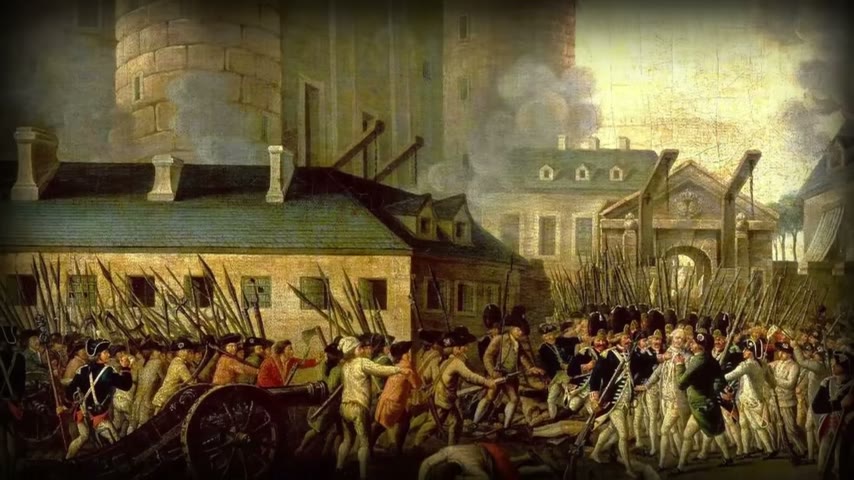
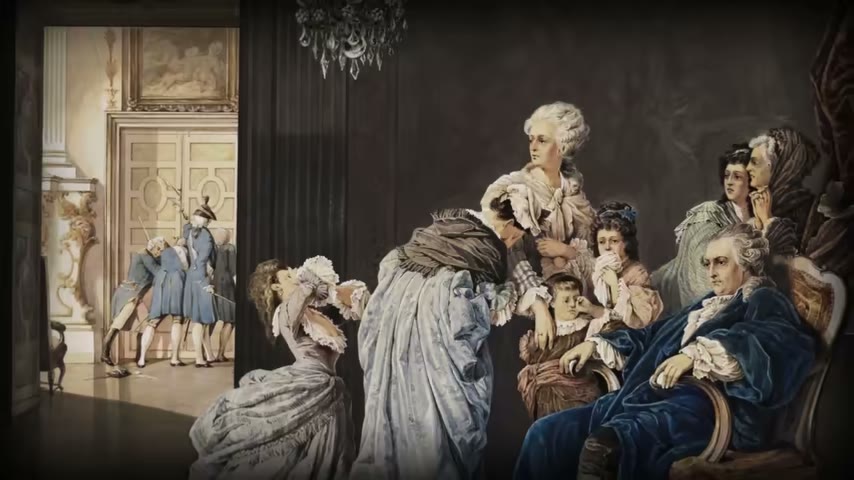
Green starts with a distinction: some revolutions leave things roughly where they were, and some change everything. His math joke plays on “revolution” as a full turn that brings you back to the start. His example of the first kind is the French Revolution, which he says simply swapped a Bourbon king for Bonaparte. That is a deliberate exaggeration. The French Revolution abolished noble privileges and feudal dues, and Napoleon kept many of its reforms in his law code; it was the Bourbon restoration of 1814–15, not Napoleon, that brought the old dynasty back. The Industrial Revolution is his example of real change.
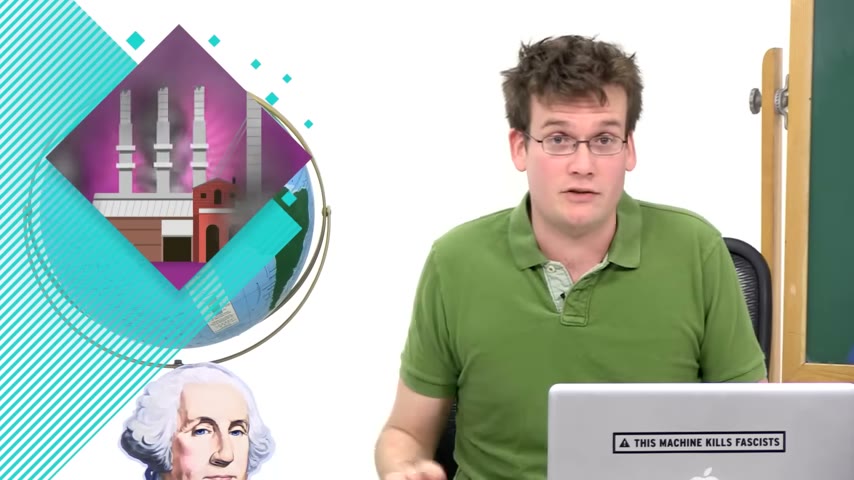
“Me from the past” offers the cynical answer: America went from rich white men in charge to rich white men in charge. Green agrees, but notes that the same was true across 18th-century Europe. What set the United States apart was its rhetoric. Even when the country did not live up to its own words, the words were powerful. So whether you think the Revolution was revolutionary depends on whether you care more about who held power or about the ideas it released.

1:15 – 2:50 The war in two minutes
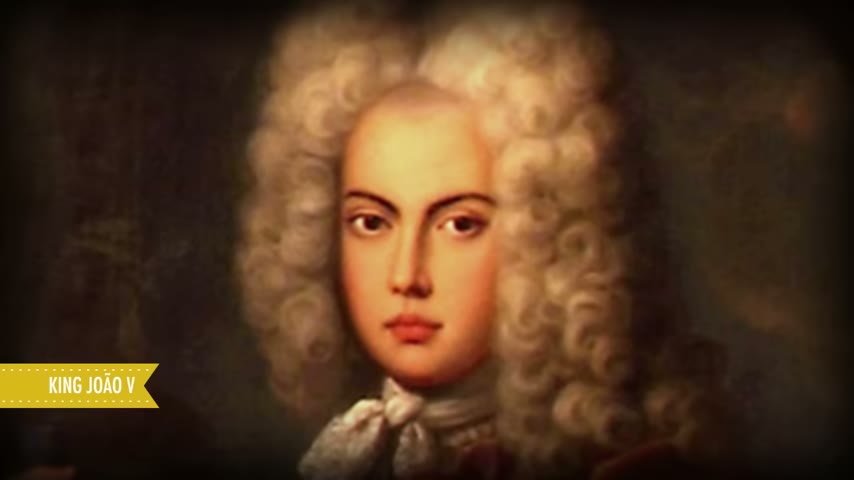
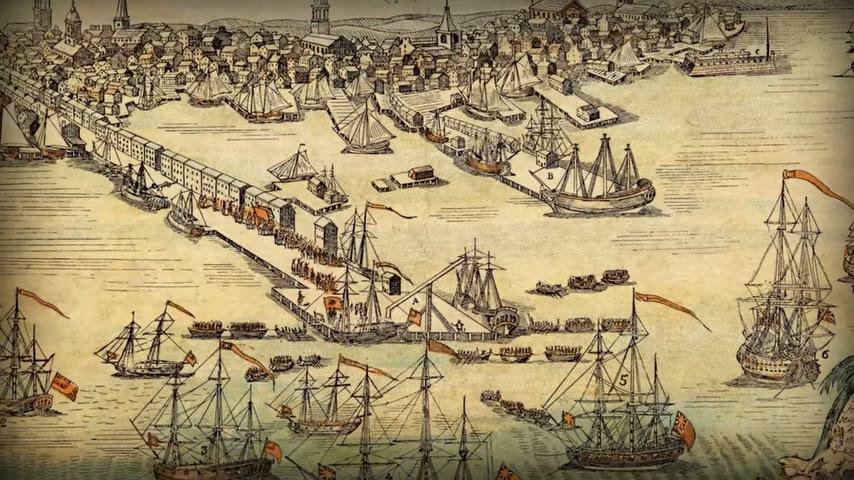
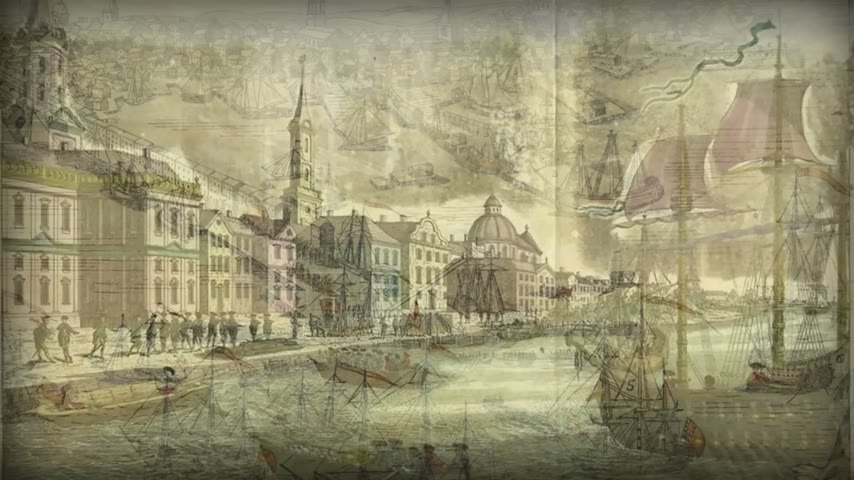
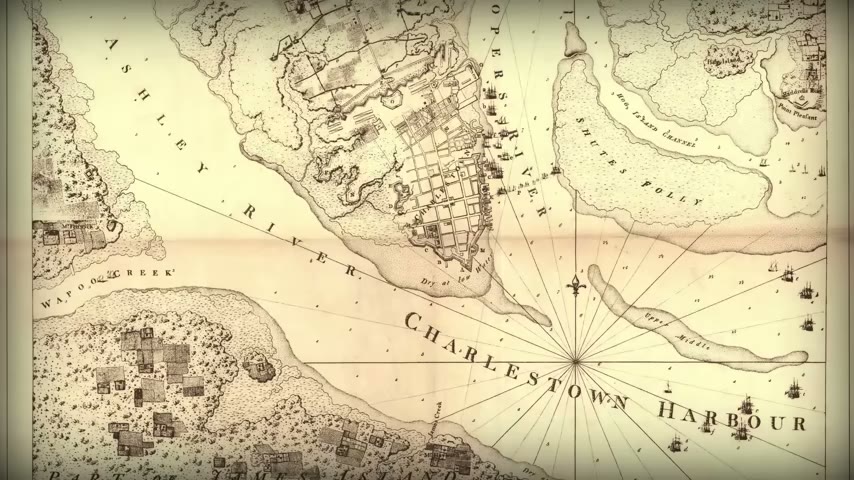
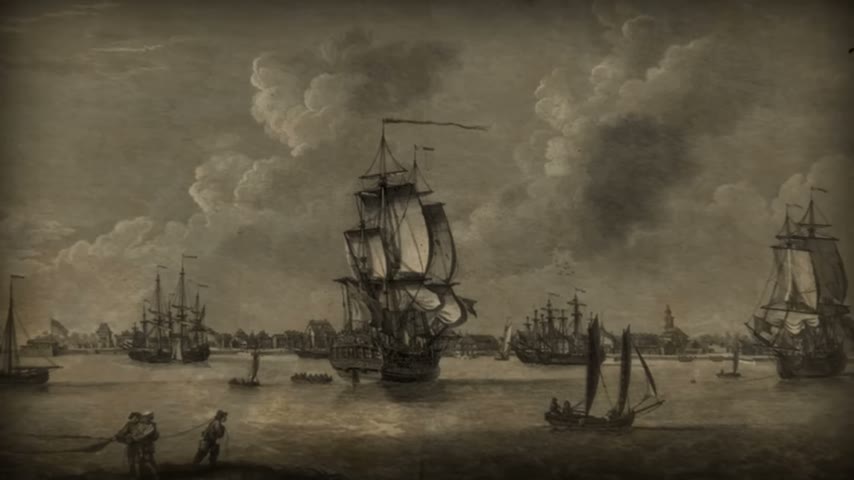
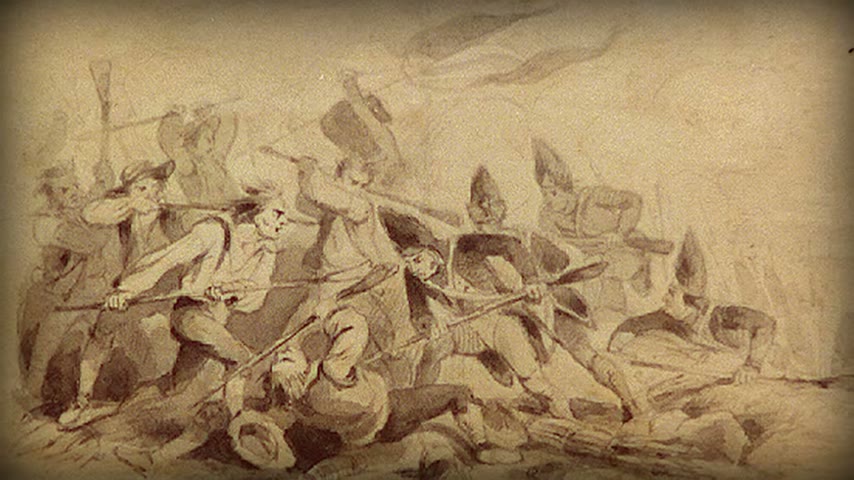
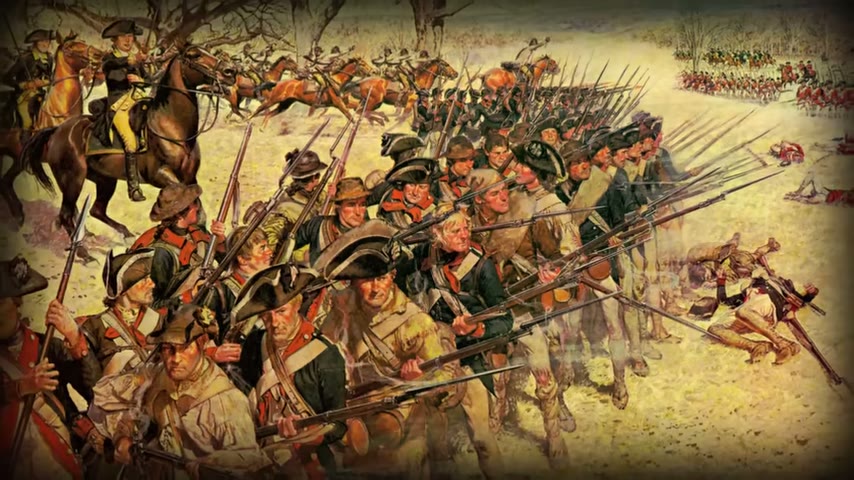
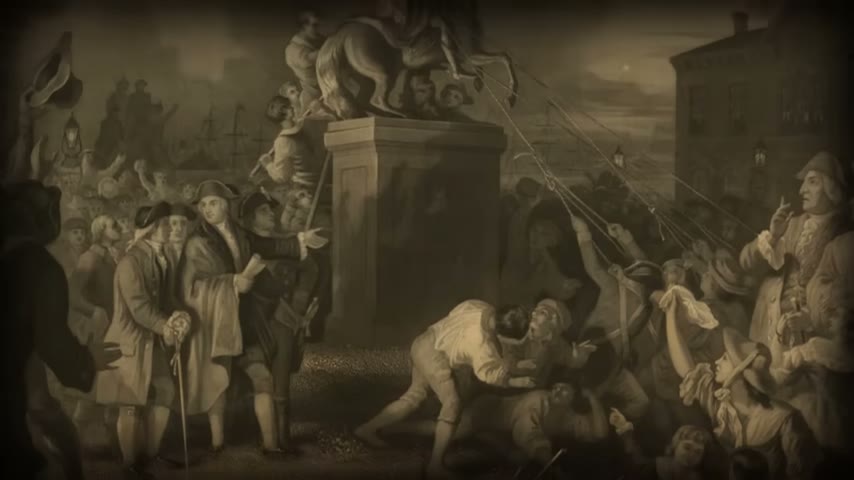
Green says Crash Course avoids “gratuitous war details”, so this is the short version. Britain’s plan was to take the colonies’ main cities and force a surrender. It worked as far as the cities went: the British held Boston, New York and Charleston at different points. The colonists only had to keep going. They knew the ground, had shorter supply lines and had George Washington, so while the British held the ports, the Continental Army held the countryside.
A small fix on Boston: the British army was already in Boston when the fighting began in 1775 and was forced to leave it in March 1776. New York fell in 1776 and stayed in British hands until 1783; Charleston fell in 1780.
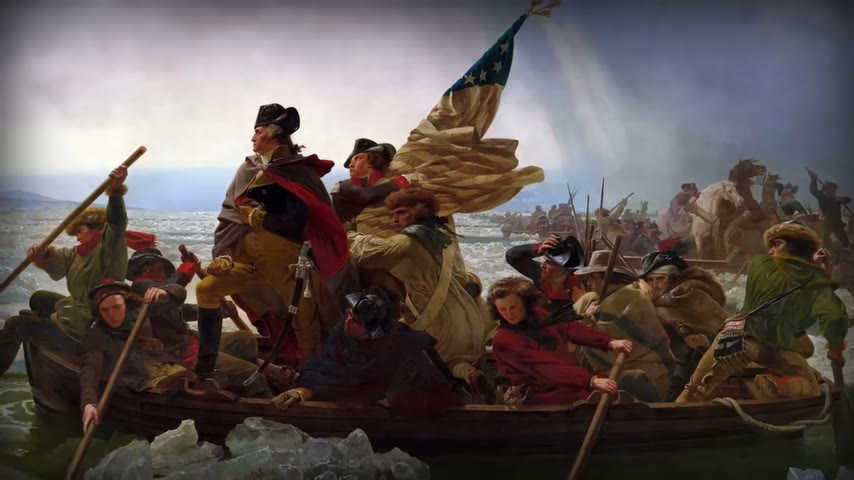
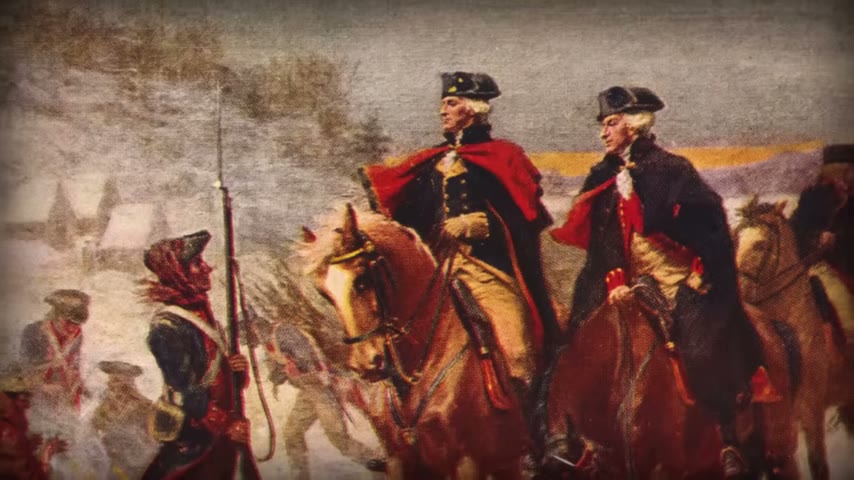
The most famous battle is Trenton, where Washington crossed the Delaware and surprised a garrison of Hessians (German soldiers hired by Britain). The “funny voice” is a made-up fact, as Green immediately admits. Two corrections: the crossing was on Christmas night of 1776, and the attack came the next morning, December 26. And Washington did not go straight from Trenton to Valley Forge. He won again at Princeton days later and wintered at Morristown; the famously miserable Valley Forge winter came a year later, in 1777–78, after the British took Philadelphia.
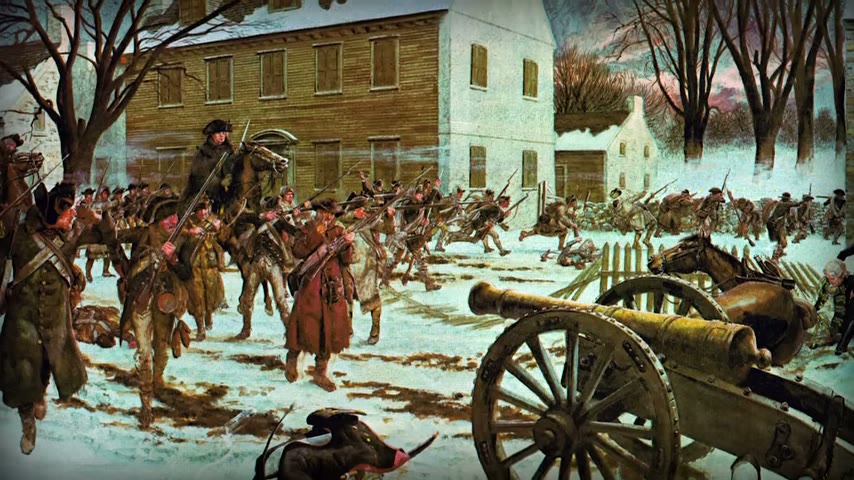
The most important battle in the North, Green says, was Saratoga in New York in 1777. He credits the British defeat mostly to “terrible generalling”, which is fair: General Burgoyne’s plan depended on support that never arrived, and he was cut off and surrounded. What the episode leaves implicit is why Saratoga mattered so much. It persuaded France that the Americans could win, and in 1778 France signed a treaty of alliance with the United States. Green’s line that France later bankrupted itself helping the Americans is a fair summary: war debt was one of the causes of the French Revolution of 1789. The “French fries” thanks is a joke; the name has nothing to do with the alliance.
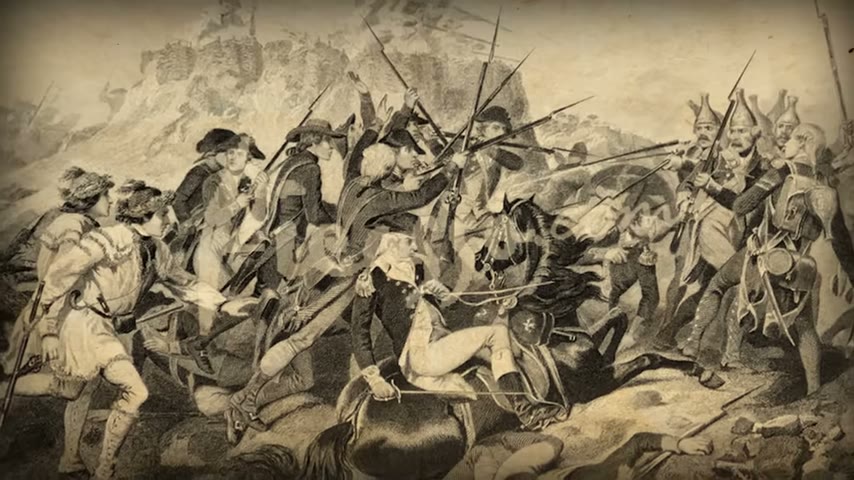
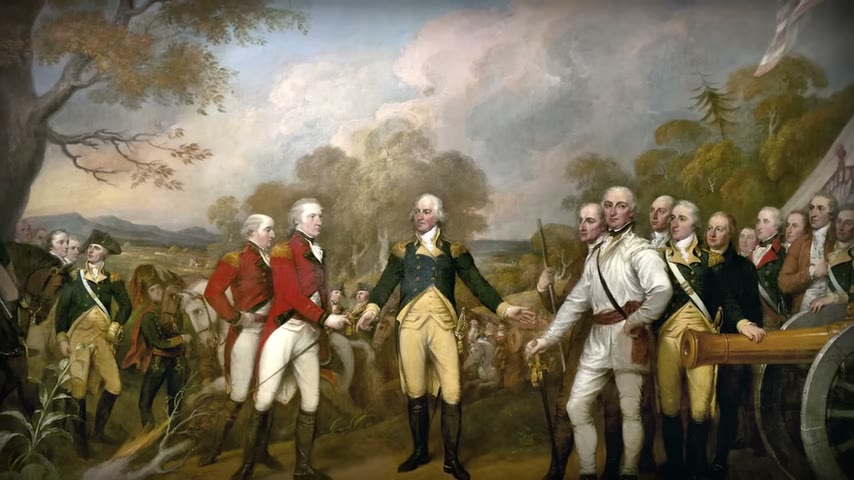
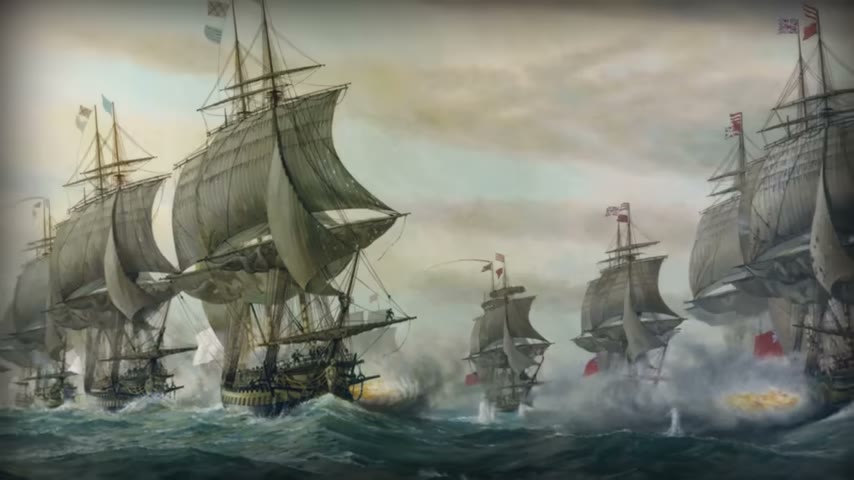

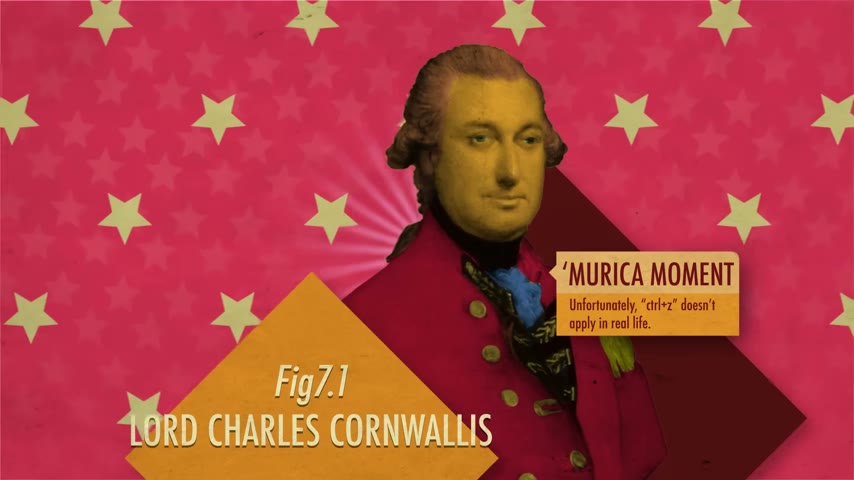
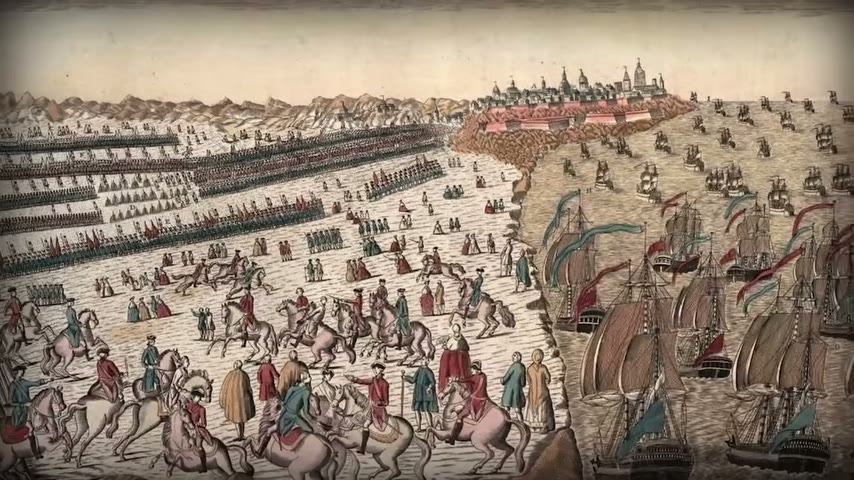
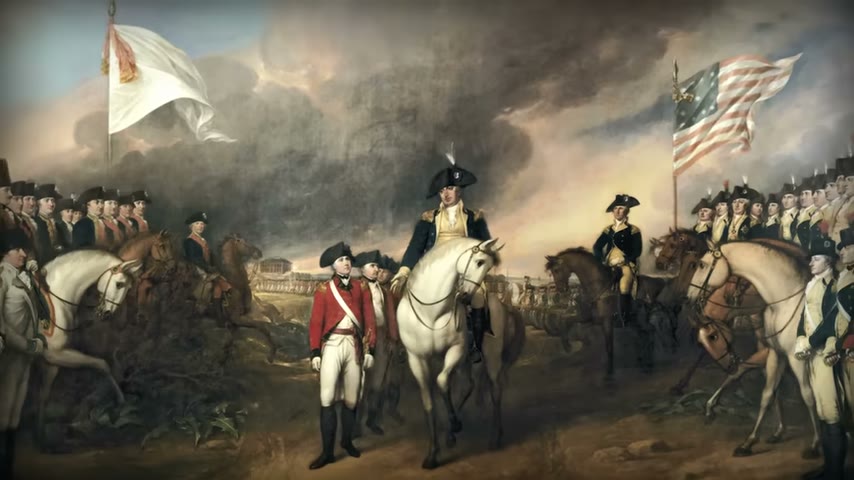
In the South, the pattern repeated. The British took Charleston but kept losing smaller battles and were worn down by guerrilla raids. The war effectively ended at Yorktown, Virginia, in 1781. Green’s sarcastic version is that Lord Cornwallis parked his army on a peninsula surrounded by water full of French ships. Behind the joke: Cornwallis moved to the coast expecting the Royal Navy to supply or evacuate him. Instead a French fleet under de Grasse won control of Chesapeake Bay, and Washington and the French general Rochambeau besieged him by land. Cornwallis surrendered in October 1781. Fighting went on in small ways, and the Treaty of Paris formally ended the war in 1783.
2:50 – 3:13 The heroic version
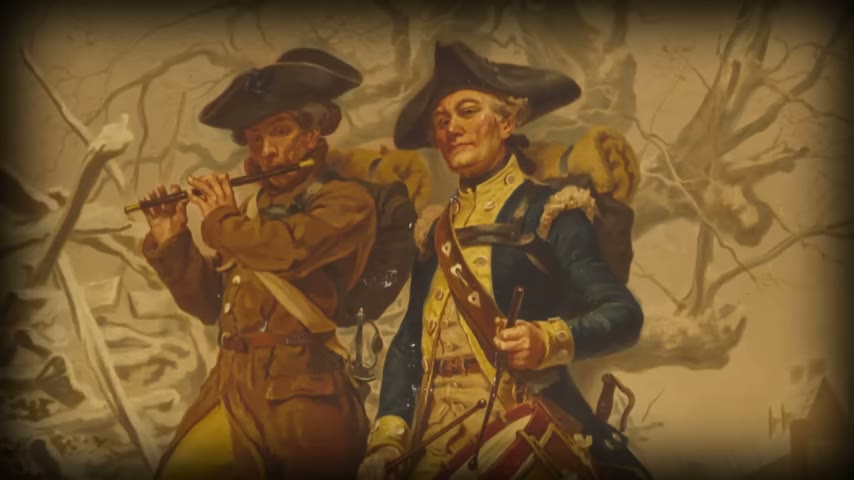
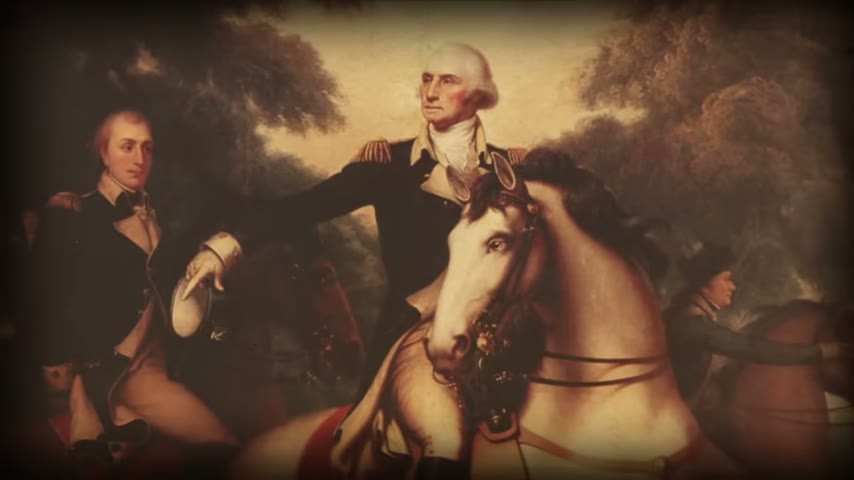
Green sums up the story Americans like to tell: everyone pitched in, threw off British tyranny and lived happily ever after, led by the bravest and most loyal army in history under George Washington. The patriotic music is the cue that he is about to take this story apart in the Thought Bubble.
3:13 – 4:29 Thought Bubble: soldiers, Loyalists and enslaved people
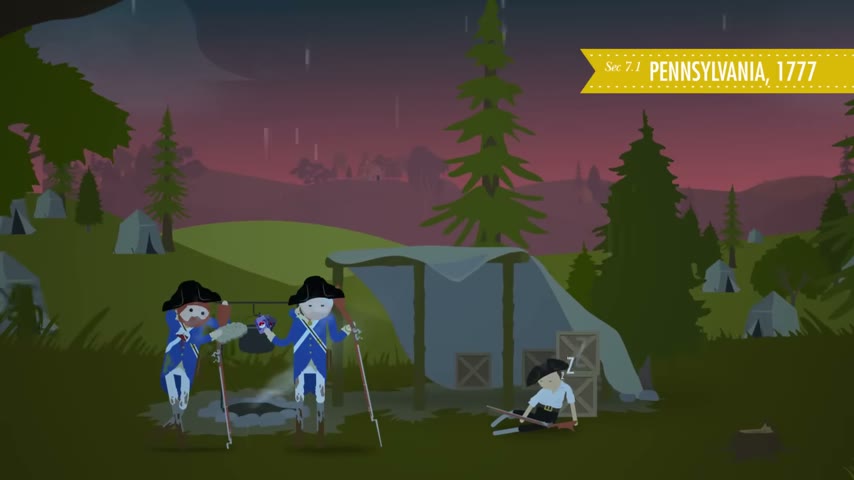
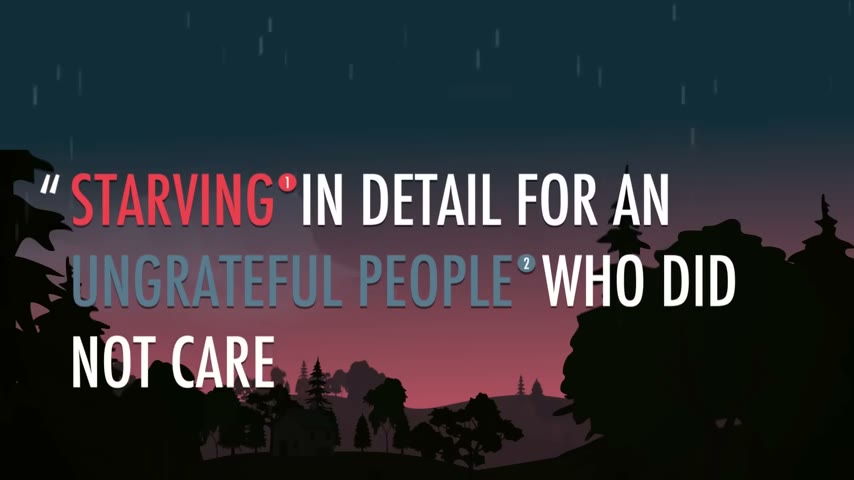
The Thought Bubble starts with the Continental soldiers themselves. Morale was often low, food was poor and pay rarely came. Joseph Plumb Martin, a private from Connecticut who later published a memoir of the war, wrote that the soldiers felt they were starving for an “ungrateful people”. Many colonists did not fight for independence at all. Loyalists sided with Britain; historians often estimate them at around a fifth of the white population. Pacifists such as the Quakers refused to fight, and some had property taken, which in a world where voting depended on property also meant losing political rights.
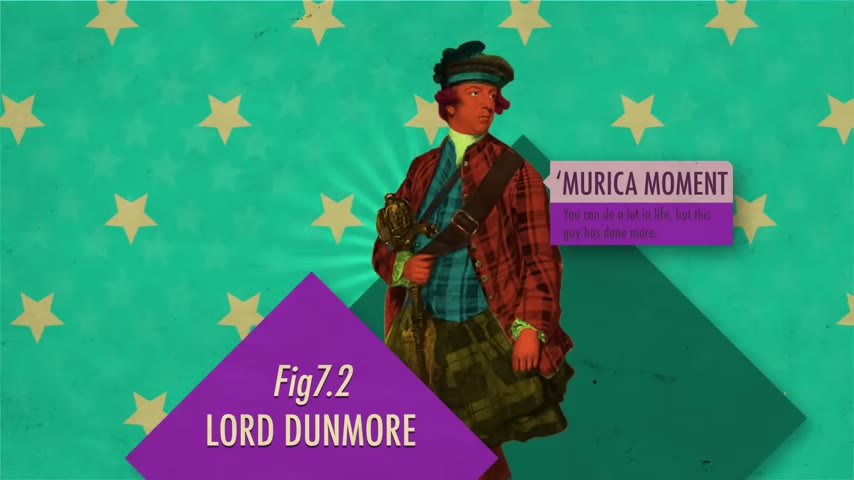
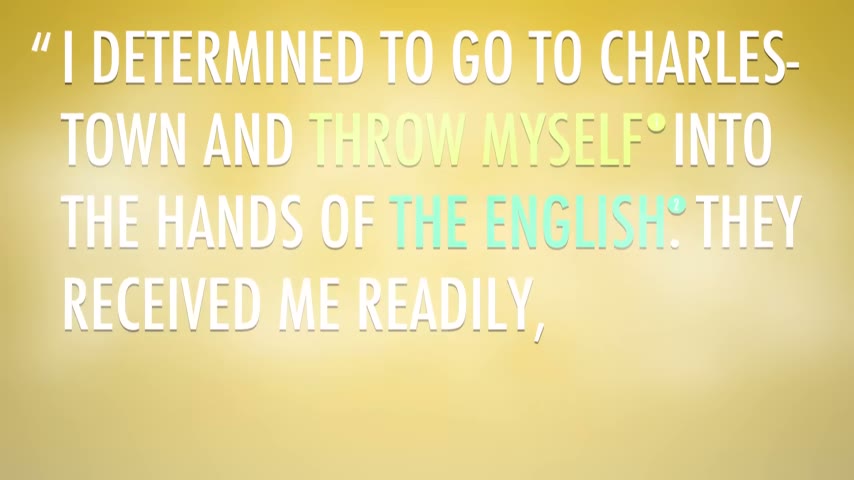
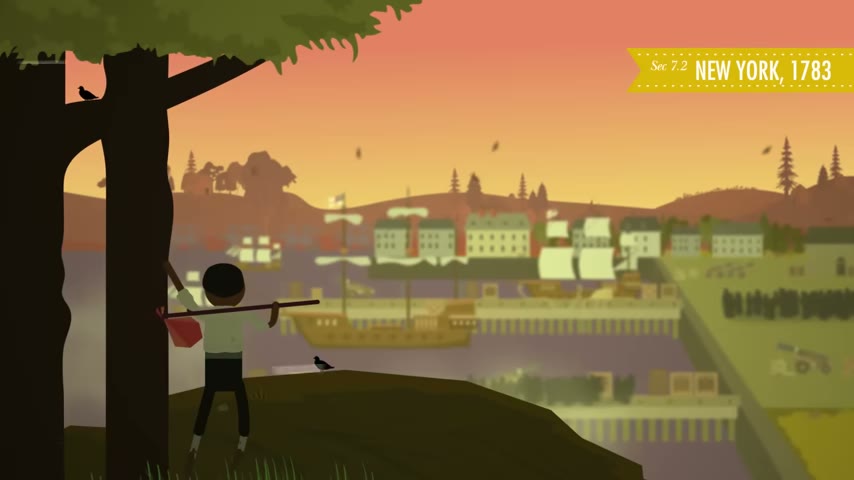
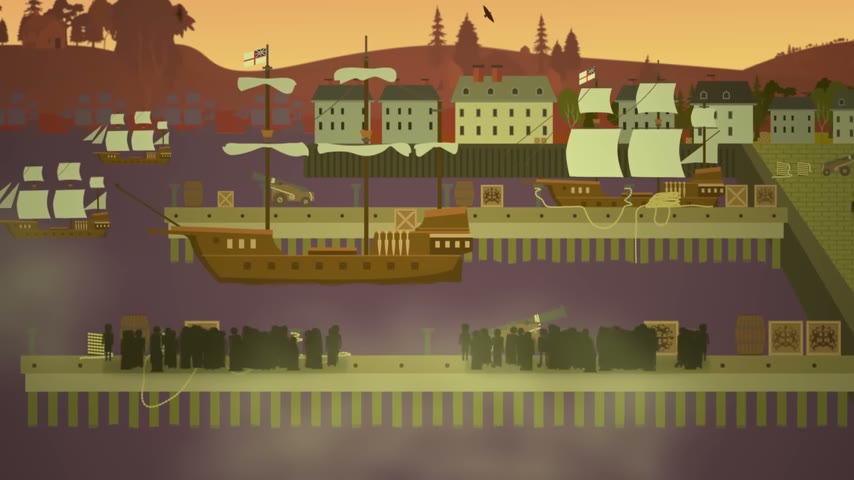
For enslaved people, the “fight for freedom” ran the other way. In 1775 Lord Dunmore, the royal governor of Virginia, offered freedom to slaves who left their masters and fought for the British. About 5,000 took up the offer, according to the episode. One detail matters: the offer applied only to people held by rebels, not to those owned by Loyalists, because Dunmore’s aim was to weaken the rebellion rather than to end slavery. Many more simply ran to British lines. Boston King, who escaped a cruel master in South Carolina, described feeling free for the first time.
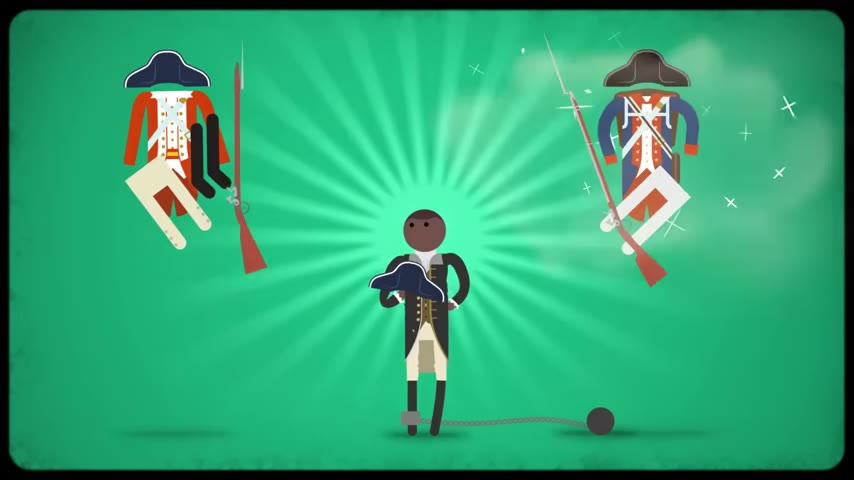
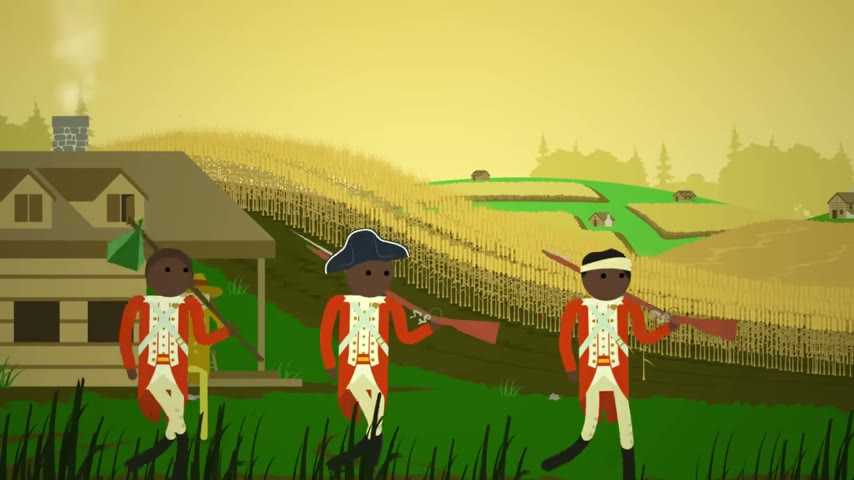
The episode estimates that 100,000 enslaved people fled to the British during the war. Many were returned, but more than 15,000 left when the British pulled out in 1783. Green adds that the British Empire abolished slavery by 1843 without a civil war. Two qualifications help. The main abolition law was passed in 1833 and took effect in 1834, followed by a forced “apprenticeship” until 1838 (the 1843 date fits British India). And Britain paid slaveholders, not the enslaved, about £20 million in compensation. Not every Black Loyalist got freedom either: some who left with the British were sold back into slavery in the Caribbean.
4:29 – 5:30 Native Americans: a “family quarrel”
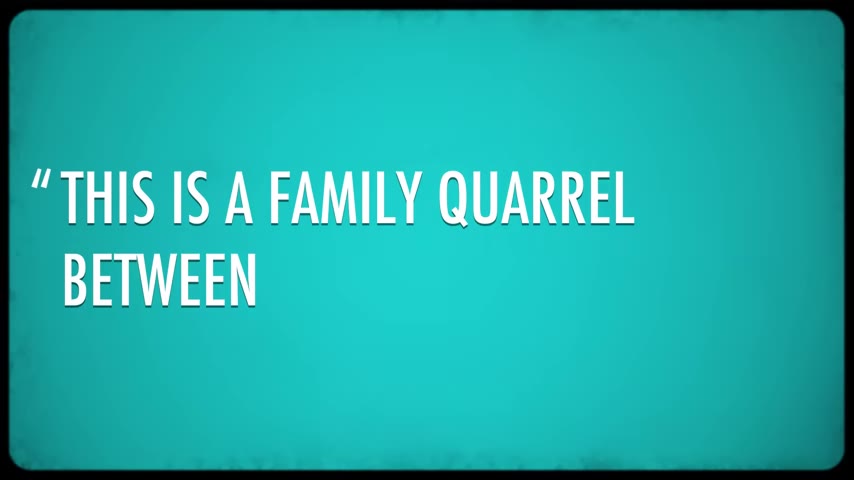
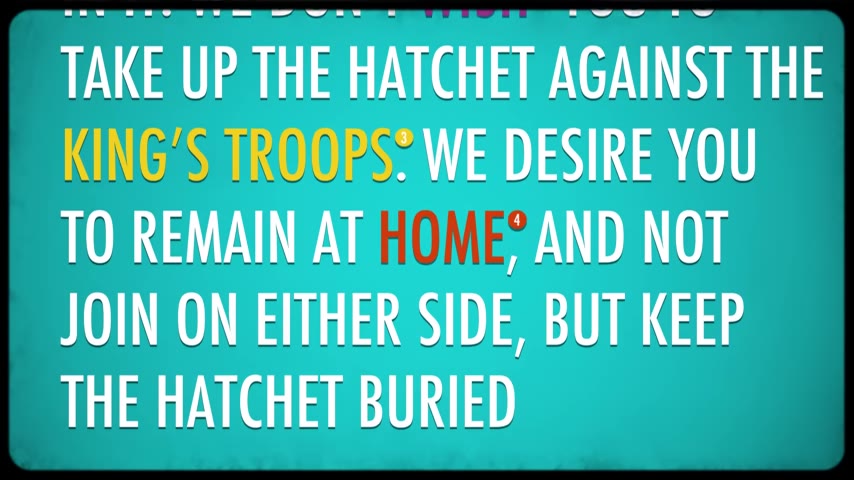
Most Native nations wanted to stay out of the war, and at first the Continental Congress wanted that too. Its message to the Iroquois called the conflict “a family quarrel” between the colonists and Britain and asked them to keep the hatchet buried. Many Iroquois fought for Britain anyway. They had good reason: Britain had tried to limit settlement west of the Appalachians with the Proclamation of 1763, while colonists wanted that land.
Green says the Oneidas joined the Patriots “fighting against the Iroquois”. The show’s own on-screen note corrects this: the Oneida were Iroquois. The Iroquois Confederacy of six nations split. The Oneida and Tuscarora sided with the Patriots, while the Mohawk, Seneca, Onondaga and Cayuga backed the British. The Cherokee divided as well, with younger leaders such as Dragging Canoe fighting the Americans and older chiefs seeking peace. American forces were especially harsh toward Native nations that fought for Britain; in 1779, for example, an expedition under General John Sullivan destroyed dozens of Iroquois towns and their crops.
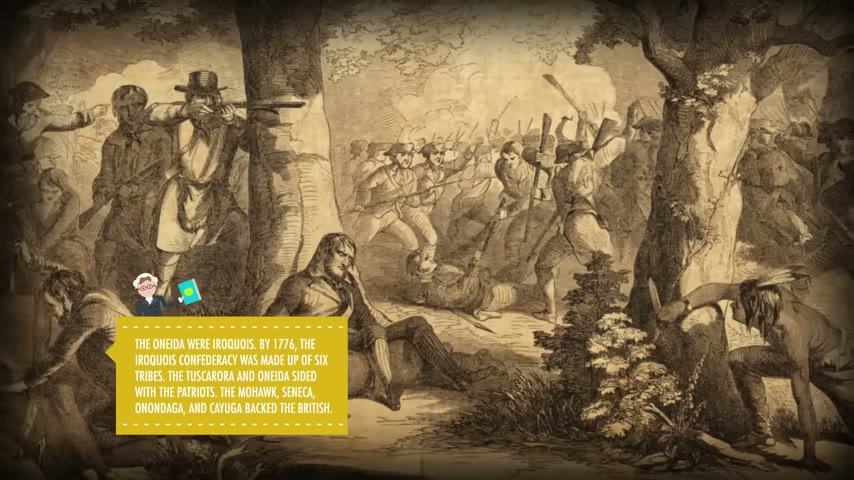
Green’s verdict is that if the Revolution was about the rights to “life, liberty, and the pursuit of happiness”, Native Americans were clearly its losers. The peace treaty of 1783 handed Britain’s claim to the land between the Appalachians and the Mississippi to the United States without consulting Britain’s Native allies, and the new country treated that land as its own.
5:30 – 6:17 Women and Republican Motherhood
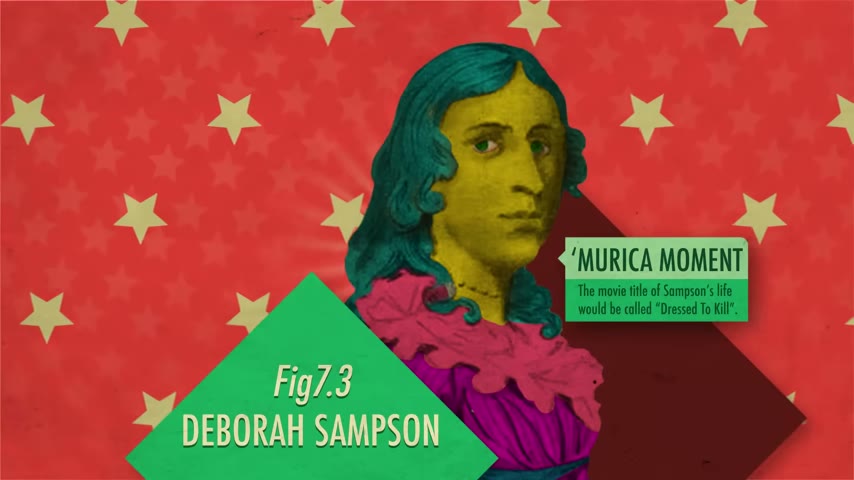
Some women fought. Deborah Sampson disguised herself as a man and served in the Continental Army, once removing a musket ball from her own leg to avoid being found out. She enlisted under the name Robert Shurtleff in 1782. But the Revolution changed little in women’s legal status. Under the English common-law rule of coverture, a married woman’s legal identity and property were absorbed into her husband’s, and Green’s line about unmarried daughters being “saleable assets” of their fathers is a deliberately sharp version of that dependence.
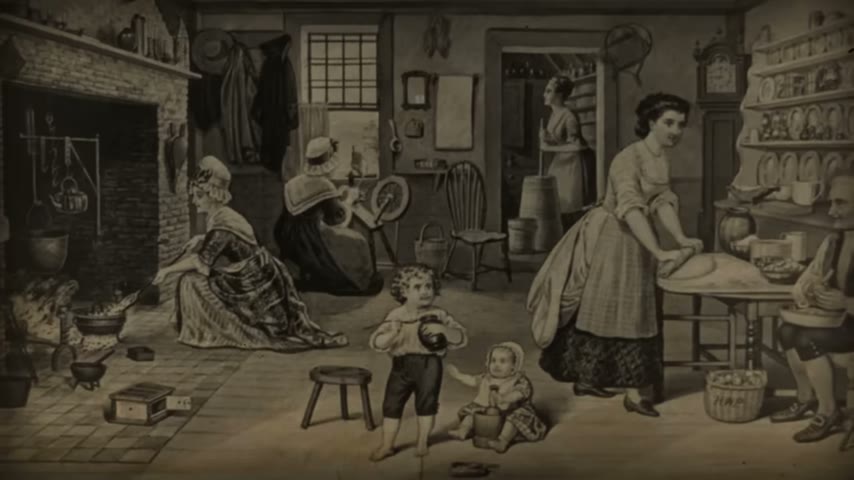
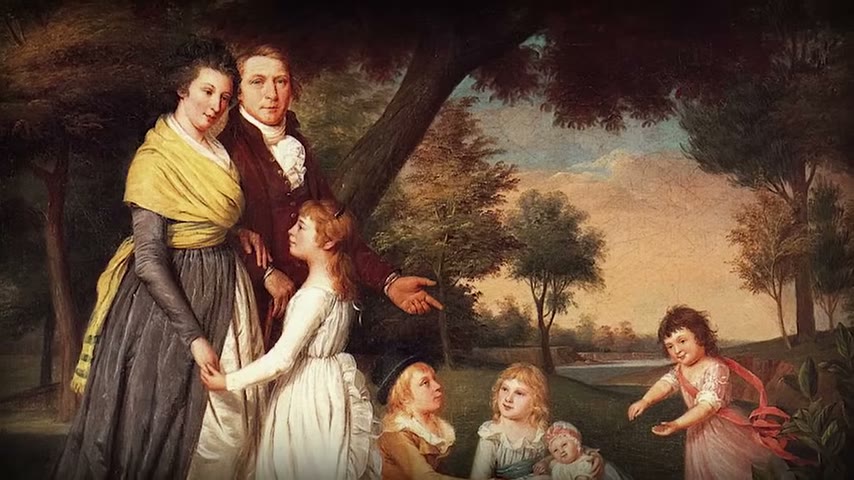
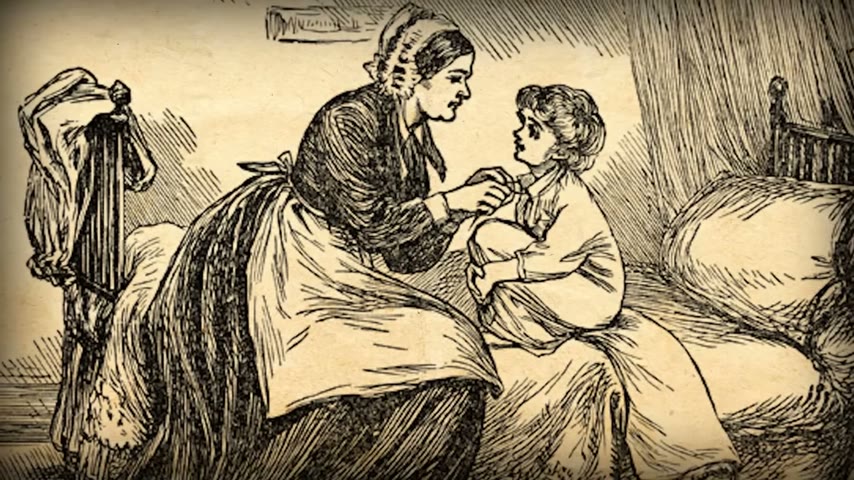
What did change was an idea: Republican Motherhood. A republic needed educated, virtuous citizens, and mothers raised the next generation of citizens, so women should be educated too. Benjamin Rush, a Philadelphia doctor and signer of the Declaration, wanted them able to teach their sons the principles of liberty. As Green says, this did not mean voting or owning property. It did help open schools and academies to girls in the decades after the war. One exception to the “no vote” rule is worth knowing: New Jersey’s 1776 constitution let property-owning women vote until the state took that right away in 1807.
6:17 – 7:44 The revolutionary ideas
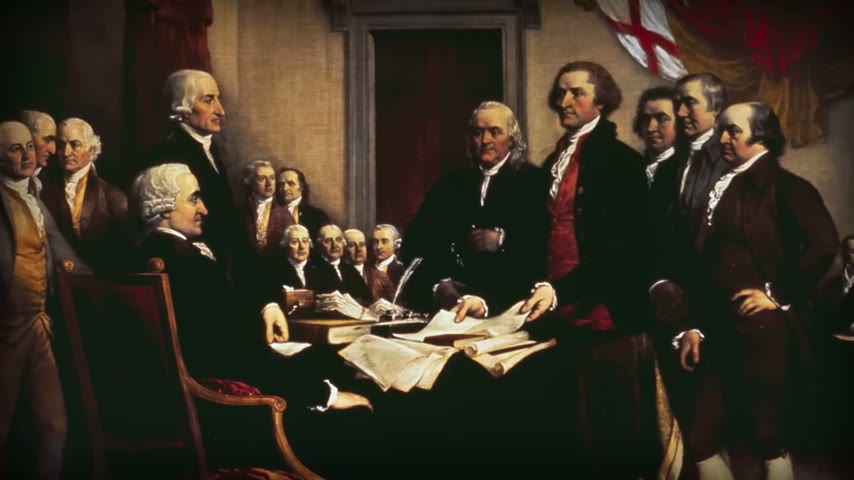
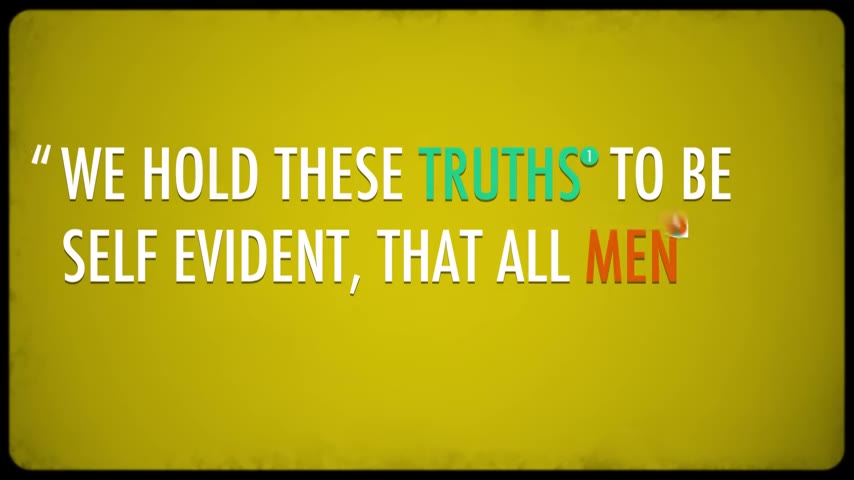
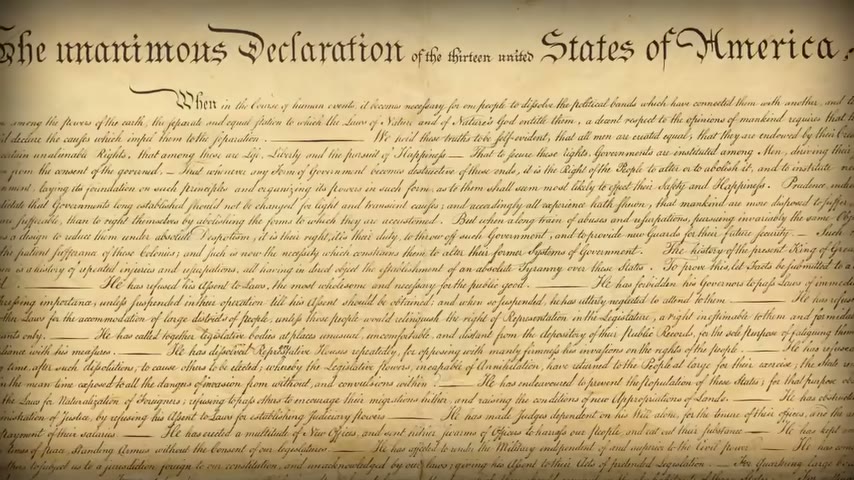
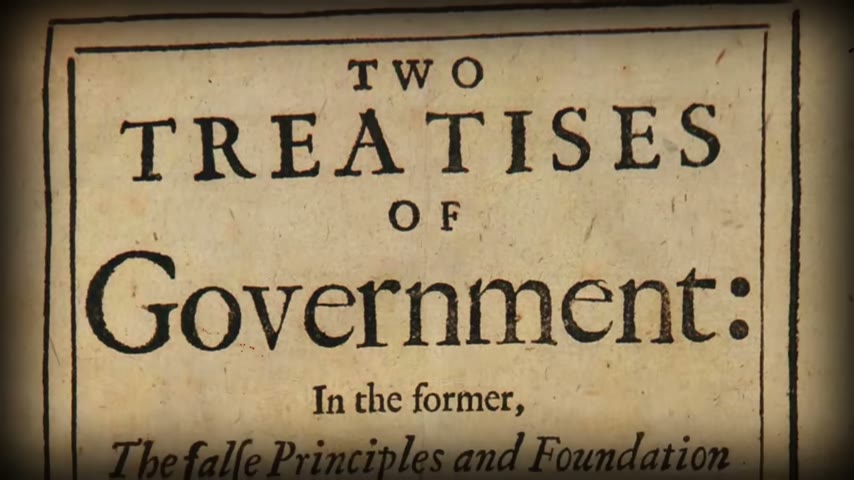
So the war did not end slavery, did not change women’s roles much, and did not remove the land-owning elite. What was revolutionary, Green says, was the ideas, many of them packed into one sentence of the Declaration of Independence: all men are created equal and have rights to life, liberty and the pursuit of happiness. (A small text point: the signed Declaration says “unalienable”, not “inalienable”; the meaning is the same.)
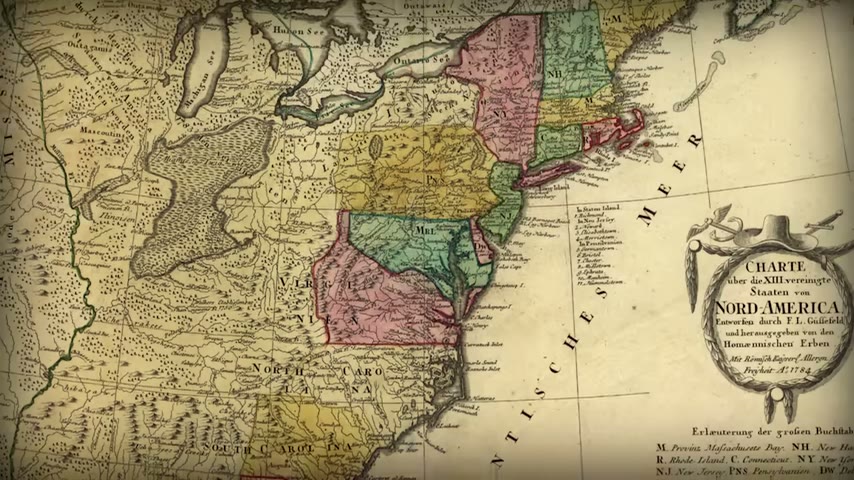
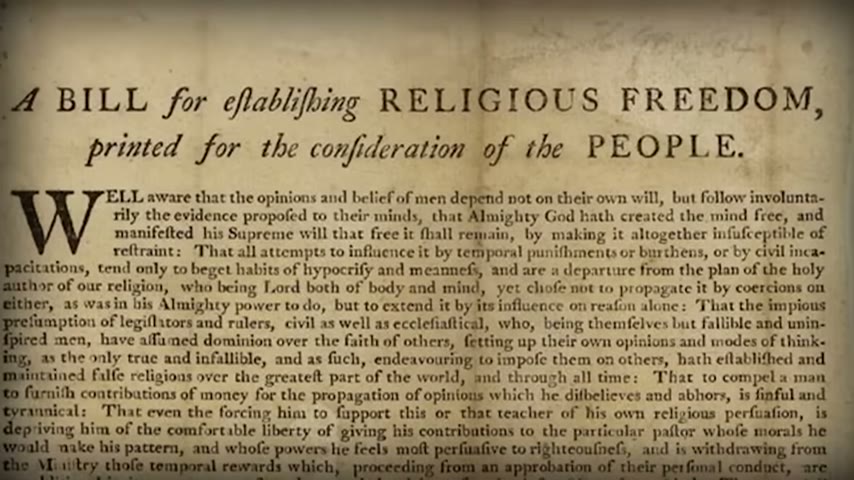
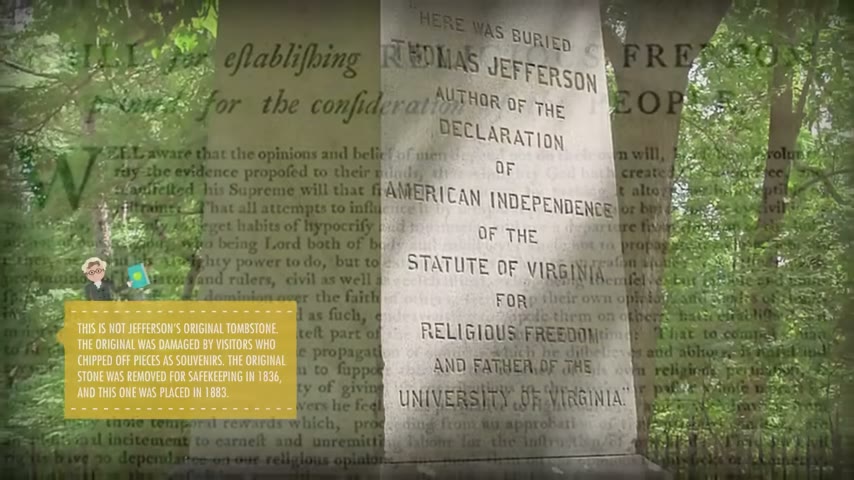
When the colonies became states, each wrote a constitution, and most lowered the property needed to vote, so many more men could vote than before, although they were still mostly white men. A second change was religious freedom. The Church of England lost its official status, and Jefferson’s Bill for Establishing Religious Freedom made Virginia’s government neutral in religion. Some background helps here. Jefferson drafted the bill in 1777, but it passed only in 1786, steered through by James Madison. His famous phrase “wall of separation” comes from a later letter, written in 1802 to the Danbury Baptists, not from the bill. And disestablishment came state by state: Massachusetts kept tax support for its Congregational churches until 1833.
Green also describes Jefferson as a Deist, someone who believes God created the world and then left it alone, and adds a joke about God building a boulder too heavy to lift. The joke is not part of Deism. Deism is a fair label for some founders, though Jefferson’s own views are debated, and most Americans of the time were ordinary Protestant Christians.
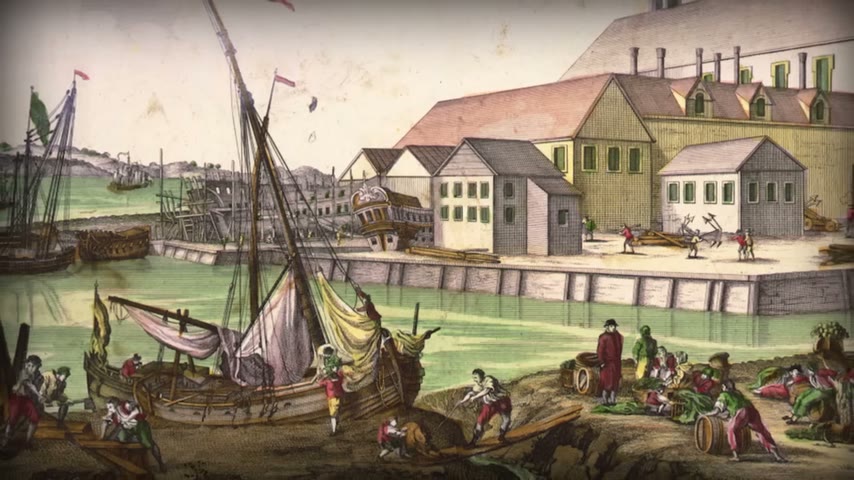
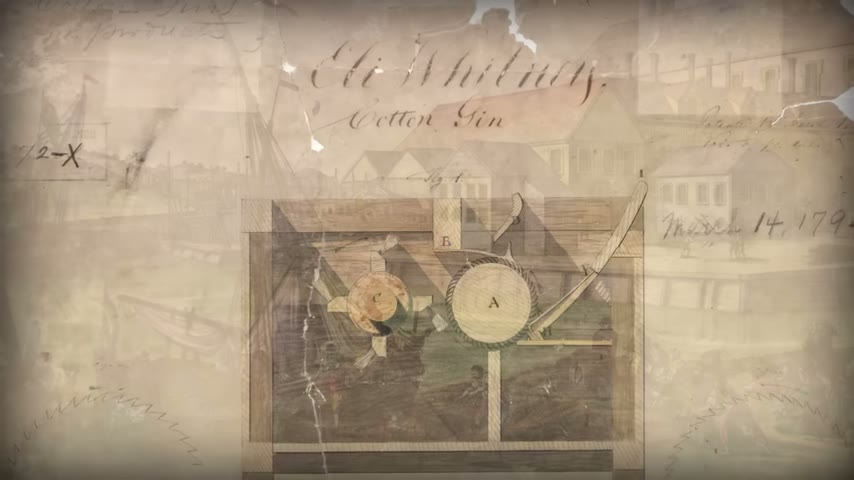
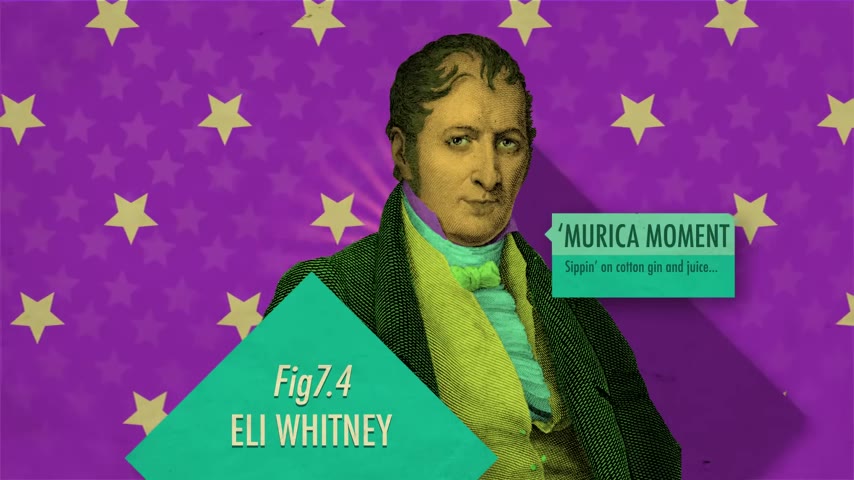
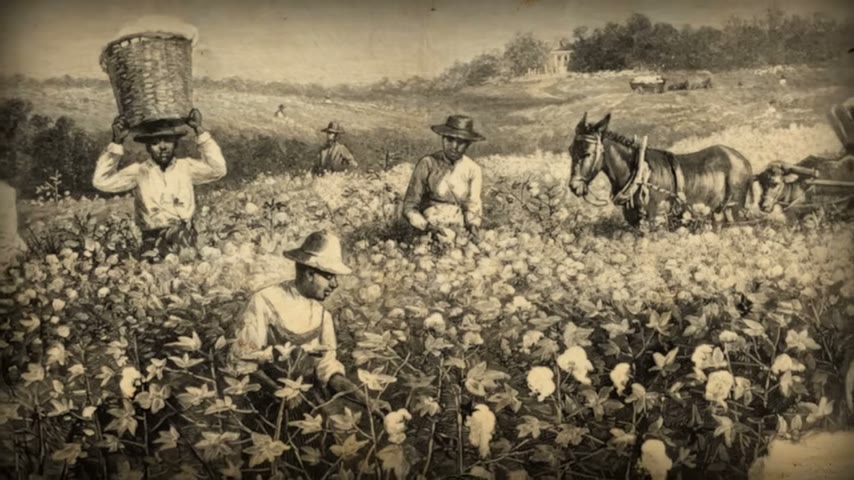
The economy changed too. The new language of liberty helped weaken apprenticeship and indentured servitude, and after the war a split opened between a North based on wage labor and a South based on slavery. Green says slavery was declining in the South until Eli Whitney’s cotton gin of 1793 made it profitable to grow American cotton. That is the standard story, but “declining” overstates it. In the Upper South, tobacco was less profitable and some Virginians freed their slaves after a 1782 law made that easier, but slavery remained the base of the southern economy. What the gin did was make short-staple cotton, which grew in the southern interior but had sticky seeds that were slow to remove by hand, cheap to clean. That set off the spread of cotton and slavery to the west.
7:44 – 9:07 Mystery Document: property and power
The Mystery Document game returns: guess the author or get shocked. The passage claims that an equality of property, which keeps powerful families from combining, is the “very soul of a republic”. As long as property is widely spread, the people keep their power and their freedom, and they will use that power to defend a free press, trial by jury and their other privileges. When that equality is lost, liberty dies.
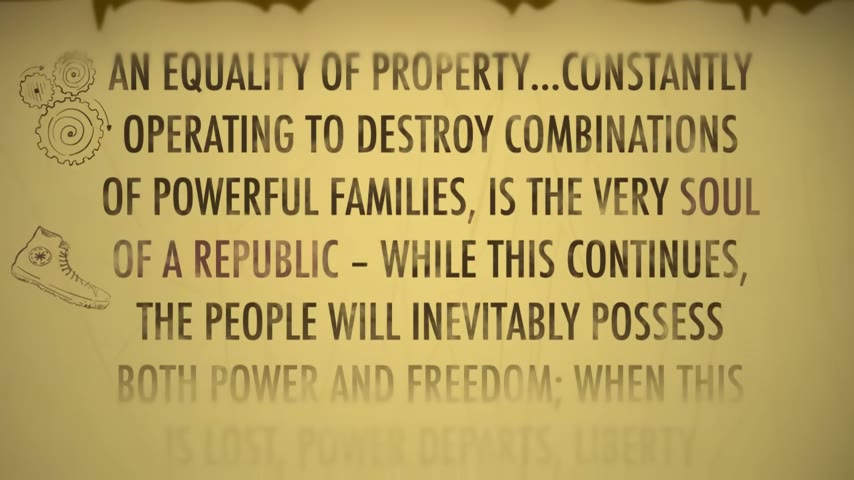
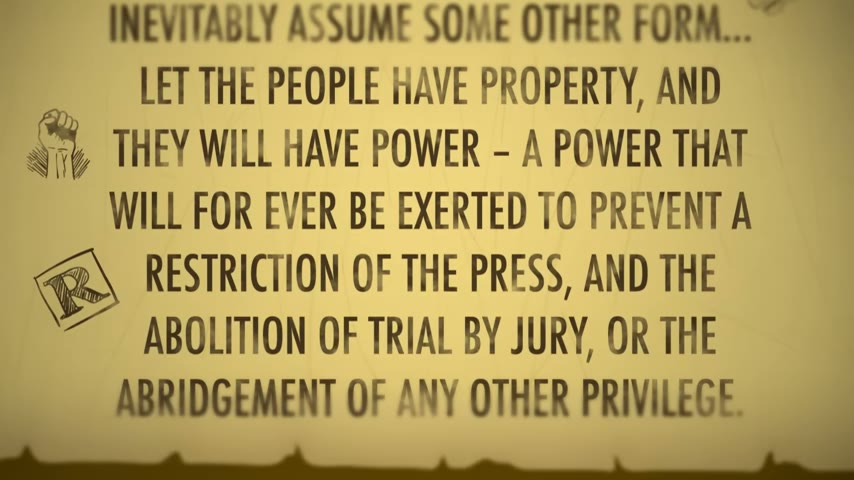
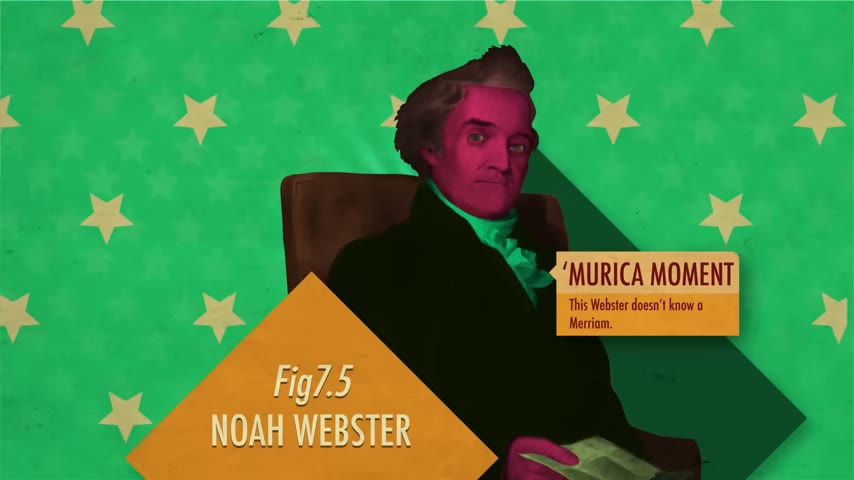
Green rules out Karl Marx (not American, and not yet born; Marx was born in 1818) and guesses Noah Webster, correctly. Webster is now known mostly for his dictionary of 1828, but in the 1780s he was also a political writer who supported the new Constitution. The lesson Green draws is that some early Americans built their idea of liberty on equality of property, which is very different from how liberty is usually understood today.
9:07 – 11:06 Slavery and the hypocrisy question
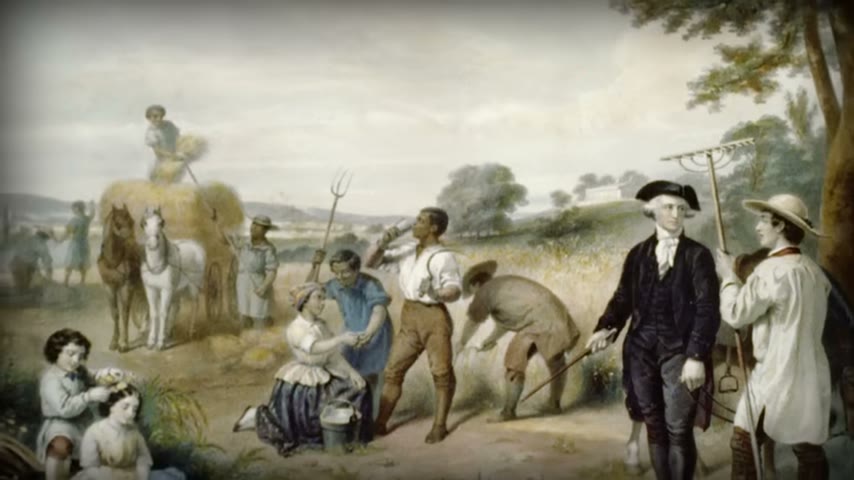
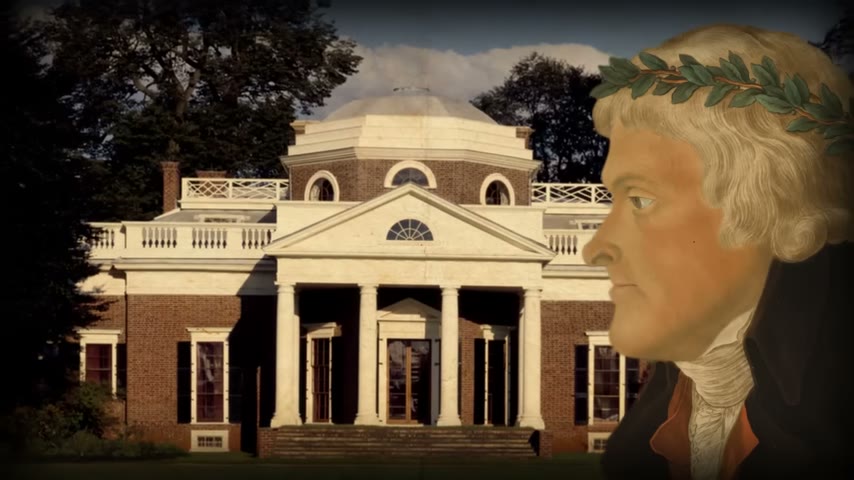
Green turns to the most common complaint students make about the Revolution: hypocrisy. How could Jefferson write that all men are created equal while holding slaves? He adds that Jefferson had children with one of them. That refers to Sally Hemings, an enslaved woman at Monticello; most historians accept, on DNA and documentary evidence, that Jefferson fathered her children. Stranger still, colonists often described themselves as “slaves” because they had no vote on the taxes Parliament imposed.
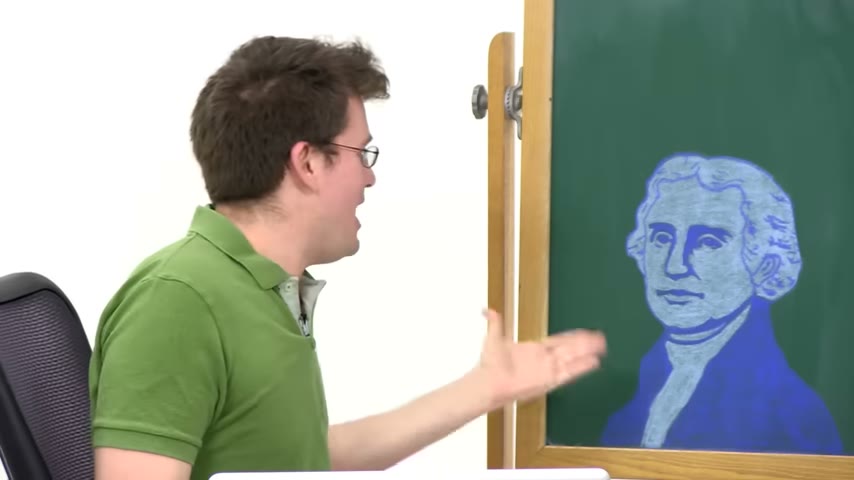
A few people saw the contradiction clearly. James Otis of Massachusetts asked what man could be born free if every man is not. His pamphlet, The Rights of the British Colonies Asserted and Proved, came out in 1764. But most founders, including Washington and Jefferson, were members of the colonial elite who held slaves and argued against abolition.
Green says many historians think Jefferson tried to condemn slavery in the Declaration. That refers to a passage in Jefferson’s draft blaming George III for the slave trade, which Congress cut. Green’s joke that Jefferson “stole” ideas from John Locke points to a real influence: Locke wrote of rights to “life, liberty, and estate”, and Locke tied liberty closely to property. A revolution to protect property from tyranny could hardly take away property in slaves. Jefferson even calculated that his slaves earned him a better return than land.
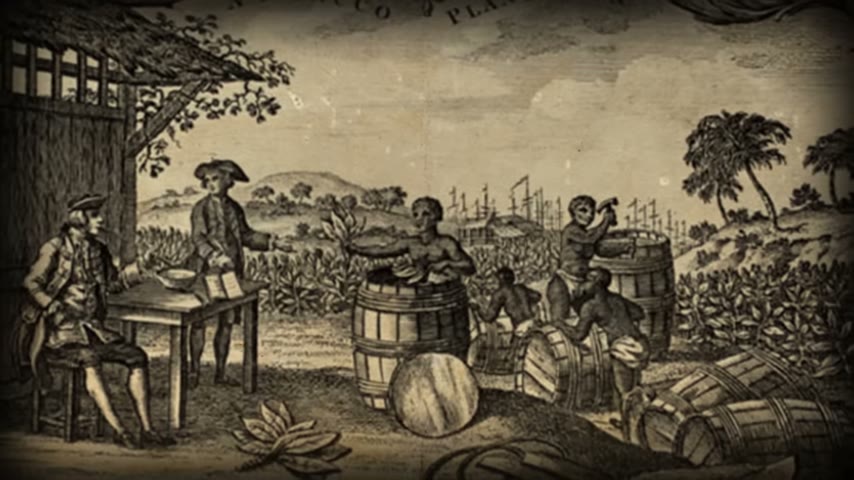
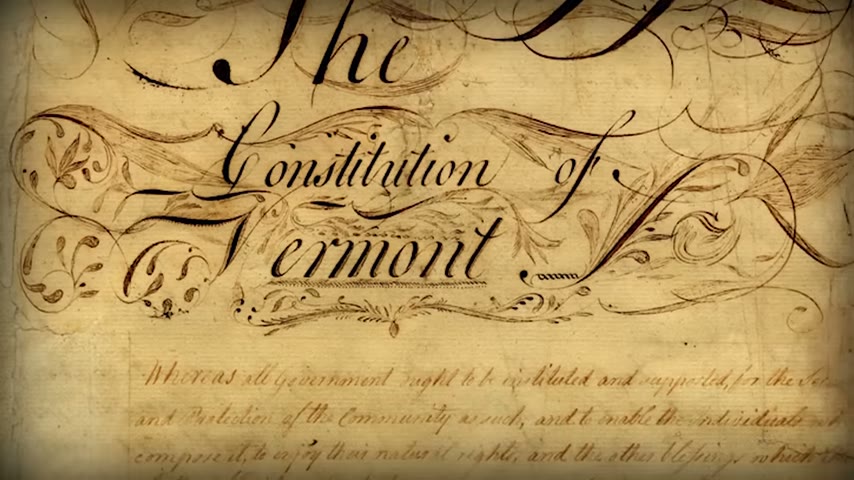
Still, there were frequent protests against slavery, and the loudest came from African Americans themselves, through petitions and lawsuits. In the North they were heard. Between 1777 and 1804 every state north of Maryland moved to end slavery, but mostly slowly. Vermont’s 1777 constitution banned adult slavery; Pennsylvania passed a gradual abolition law in 1780; Massachusetts courts ended slavery in the early 1780s; New York and New Jersey passed gradual laws in 1799 and 1804. Gradual laws usually freed only children born after a certain date, and only once they were adults, which is why about 3,500 people were still enslaved in the North in 1830, and why New Jersey still had 18 on the eve of the Civil War. The free Black population rose from under 10,000 in 1776 to nearly 200,000 by 1810.
11:06 – 12:09 Equality as the lasting idea
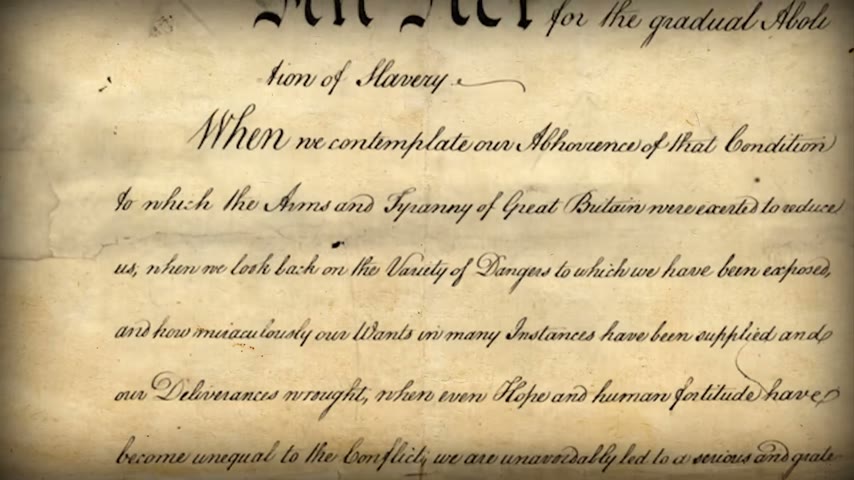
Green ends with his answer. Real change came, as it usually does, through a slow revolutionary process rather than a single event. The new idea was American equality, in the sense used by the historian Gordon Wood in The Radicalism of the American Revolution (1992): not equal wealth or equal rights in practice, but the belief that no American is inherently better than another. Before the Revolution, and especially in Europe, people were expected to know their place and defer to their “betters”, usually decided by birth. The talk of rights made birth seem less like destiny. Green admits the US no longer leads in equality of opportunity, but argues that the idea that all people are equal in their ability to reason and work inspired many later revolutions.
Skip list
- 0:19 – 0:28 The “French-y” accent bit and the “Southern Canada” joke.
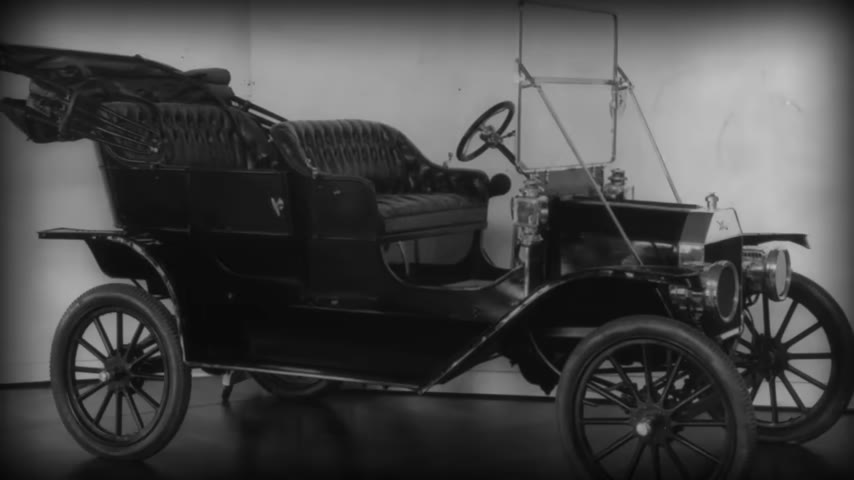
- 0:46 – 0:55 The baseball, Model T and competitive eating list.
- 1:50 – 1:58 The made-up fact about Washington’s “funny voice”.
- 8:24 – 8:53 Green’s shock-pen worries and victory celebration after the Mystery Document.
- 12:09 – 12:40 Credits and subscribe reminder.
Key terms
- Continental Army — the army of the united colonies, created by the Continental Congress in 1775 and commanded by George Washington.
- Hessians — German soldiers hired by Britain; Washington surprised a Hessian garrison at Trenton in December 1776.
- Battle of Saratoga (1777) — the surrender of a British army in New York, which brought France into the war on the American side.
- Siege of Yorktown (1781) — the American and French siege that forced Lord Cornwallis to surrender and effectively ended the war.
- Treaty of Paris (1783) — the peace treaty in which Britain recognized American independence.
- Loyalists — colonists who stayed loyal to Britain during the Revolution.
- Dunmore’s Proclamation (1775) — the Virginia governor’s offer of freedom to slaves of rebels who fought for the British.
- Iroquois Confederacy — an alliance of six Native nations in New York; the Revolution split it.
- Coverture — the legal rule that a married woman’s legal identity and property were absorbed into her husband’s.
- Republican Motherhood — the idea that women should be educated so they can raise virtuous citizens for the republic.
- Deism — the belief that God created the universe but does not intervene in it.
- Virginia Statute for Religious Freedom (1786) — Jefferson’s law making Virginia’s government neutral in matters of religion.
- Cotton gin (1793) — Eli Whitney’s machine for separating cotton fiber from seeds, which made short-staple cotton profitable.
- Gradual emancipation — laws that ended slavery over time, usually by freeing children born after a set date once they reached adulthood.
Review questions
- What are Green’s “two kinds of revolutions”, and where does he place the American Revolution between them?
- Why could Britain capture the major cities and still lose the war?
- Why was the Battle of Saratoga a turning point, and how did France help win the war at Yorktown?
- How did the war look different to an ordinary Continental soldier, a Loyalist and a Quaker?
- Why did many enslaved people see the British, not the Patriots, as the side of freedom?
- How did the Revolution divide the Iroquois Confederacy, and why did most Native nations end up as losers?
- What did Republican Motherhood offer women, and what did it leave out?
- Which changes in voting, religion and labor does Green count as truly revolutionary?
- How did the founders reconcile the language of liberty with slavery, and what did the northern states do about it between 1777 and 1804?
- What does Gordon Wood mean by the “radicalism” of the American Revolution?
FAQ
Who won the American Revolution, according to this episode?
Green's answer has two parts. In terms of who held power, not much changed: wealthy white men ran the new states much as they had run the colonies, and enslaved people, Native Americans and women gained little. In terms of ideas, a great deal changed. Equality, natural rights, wider voting and religious freedom became the standards Americans measured themselves against, and the episode argues that the real winners were people who later used those ideas to claim rights the founders had not given them.
How did the Americans win the War for Independence?
Britain captured the major port cities but could not control the countryside, and the Continental Army only had to avoid being destroyed. The American victory at Saratoga in 1777 brought France into the war as an ally in 1778. In 1781 Washington's army and a French army trapped Lord Cornwallis at Yorktown, Virginia, while a French fleet blocked rescue by sea. Cornwallis surrendered, and the Treaty of Paris of 1783 recognized American independence.
What was Lord Dunmore's Proclamation?
In November 1775 Lord Dunmore, the royal governor of Virginia, promised freedom to enslaved people who left masters in rebellion against the king and fought for the British. It did not apply to people owned by Loyalists. The episode says about 5,000 joined him, and many more enslaved people fled to British lines during the war; more than 15,000 left with the British in 1783.
What is Republican Motherhood?
It was the idea that a republic depends on virtuous, educated citizens, and that mothers, as their children's first teachers, should be educated so they could raise sons who understood liberty and government. It helped expand schooling for girls after the Revolution, but it kept women in the home and gave them no vote or property rights of their own.
Who wrote the Mystery Document in this episode?
Green guesses correctly that it is Noah Webster, now best known for his American dictionary of 1828. The passage argues that a rough equality of property is what keeps a republic free, because it stops a few powerful families from taking control. It shows that some early Americans tied liberty to the spread of property rather than to individual rights alone.
Studying another course? Paste its YouTube or Bilibili link on the home page to request a handout — or make your own with the desktop app (coming soon).