Crash Course US History #5, The Seven Years War and the Great Awakening — notes and timestamps
Watch the video (11 min)
Watch the original video on YouTube
The full transcript isn't available yet.
Episode 5 of John Green’s Crash Course US History covers what Green calls the events that led to the events that led to the American Revolution. In 11 minutes it does two jobs. The first half explains the Seven Years War in North America: why Britain and France collided in the Ohio Country, how the fighting went, what the 1763 peace changed, and why Native Americans lost the most. The second half turns to ideas: republicanism, John Locke’s liberalism and the religious revivals known as the Great Awakening, all of which taught colonists to question authority. These notes follow the episode’s order, flag the jokes, and correct a few dates and simplifications. Episodes 2 to 4 on the English colonies are useful background but not required.
Key takeaways
- The war had many names and ran longer than seven years. In North America it began in 1754 and is called the French and Indian War; the official European war ran from 1756 to 1763 (0:07).
- Its roots were economic. Under mercantilism, colonies existed to supply raw materials and buy finished goods, which meant empires always wanted more land. Slave labor was central to that system (1:10).
- The spark was the Ohio Country. Virginia’s land grant to the Ohio Company clashed with French forts and Native claims, and a young George Washington’s first campaign in 1754 ended in defeat (3:06).
- Britain won, but the biggest losers were Native Americans. The 1763 peace removed France from the continent, leaving Native nations without a European counterweight to British settlers (4:43).
- Pontiac’s War led to the Proclamation Line of 1763, which closed land west of the Appalachians to settlers. Colonists ignored it (6:57).
- New political ideas weakened traditional authority. Republicanism prized civic “virtue” among property owners; Lockean liberalism said government exists to protect natural rights (7:47).
- The Great Awakening did the same in religion. Revival preachers such as George Whitefield made faith personal and emotional, and people who criticized their ministers could also criticize Parliament (8:41).
Chapter notes
0:00 – 0:32 One war, many names
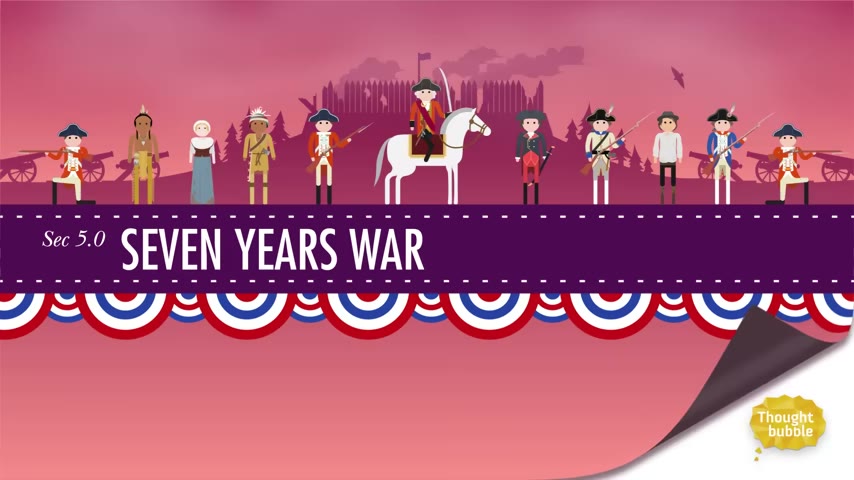
Green starts by naming the war, which turns out to be a small lesson in point of view. Winston Churchill called it the first world war, because it was fought in Europe, North America, the Caribbean, West Africa and India. Americans call it the French and Indian War, after their enemies. Prussians, for whom it was a fight with Austria over the province of Silesia, called it the Third Silesian War; Swedes, who fought Prussia in Pomerania, called it the Pomeranian War. Green settles on “Seven Years War” and jokes that it lasted nine years. The joke is accurate for North America: fighting there began in 1754, two years before Britain and France formally declared war in 1756, and the peace came in 1763.
0:32 – 2:09 Causes, not battles: mercantilism and slavery
Green explains that the show will skip most battle details and focus on causes and effects. He says this war, like most, was about economics. When “Me from the Past” complains that this is not an economics class, Green makes one of the series’ recurring arguments: history cannot be sorted into separate school subjects, because what happened depended on what people wanted, believed and valued.

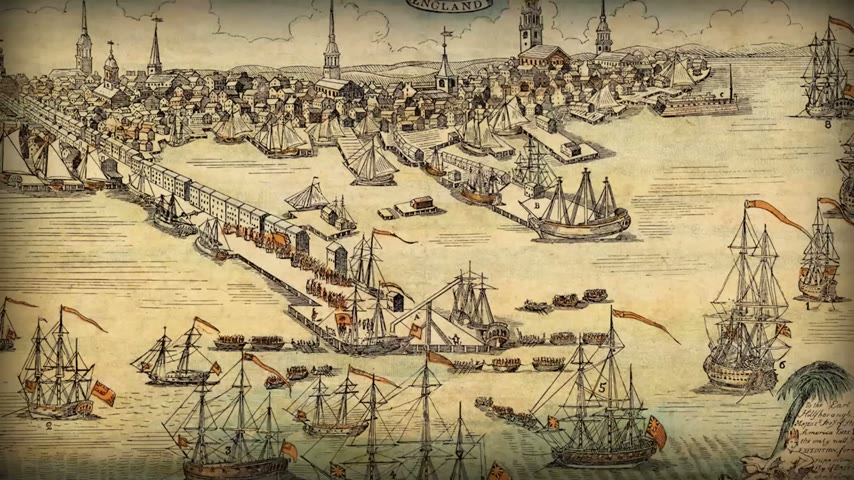
The economic idea is mercantilism, the ruling economic theory of 18th-century Britain. It held that the government should manage the economy to make the nation powerful: protect home industry with tariffs and monopolies, and aim for a favorable balance of trade, selling more abroad than you buy. Colonies fit perfectly. They sent raw materials to the mother country and bought back the finished goods made from them. The catch is built into the logic: the system needs ever more land, for more raw materials and more colonial customers, which pushes empires into each other.
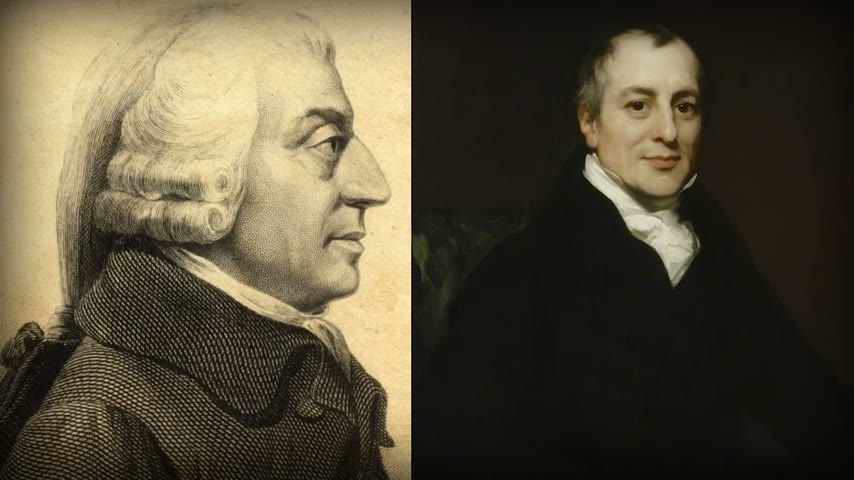
One correction. Green says Adam Smith and David Ricardo were arguing for free trade but that by 1750 nobody was listening. In fact neither had published yet. Smith’s The Wealth of Nations came out in 1776, the year of the Declaration of Independence, and Ricardo was born in 1772. Free-trade thinking was still in the future during this war; mercantilism had no serious rival.
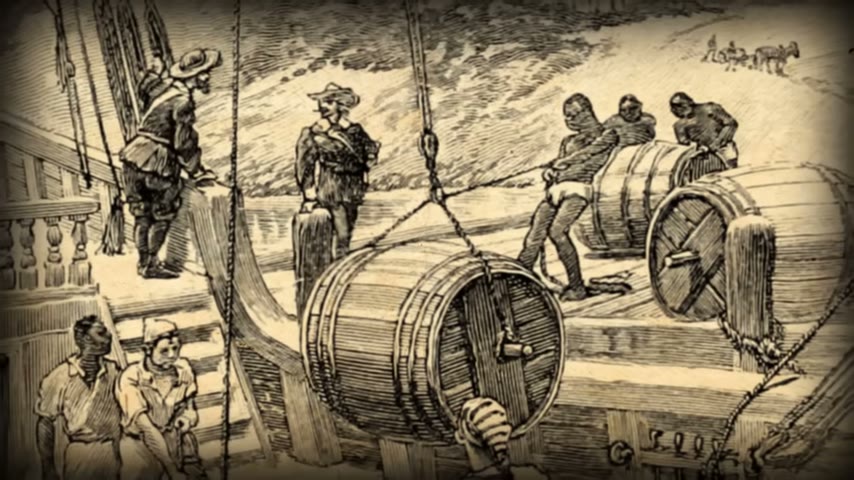
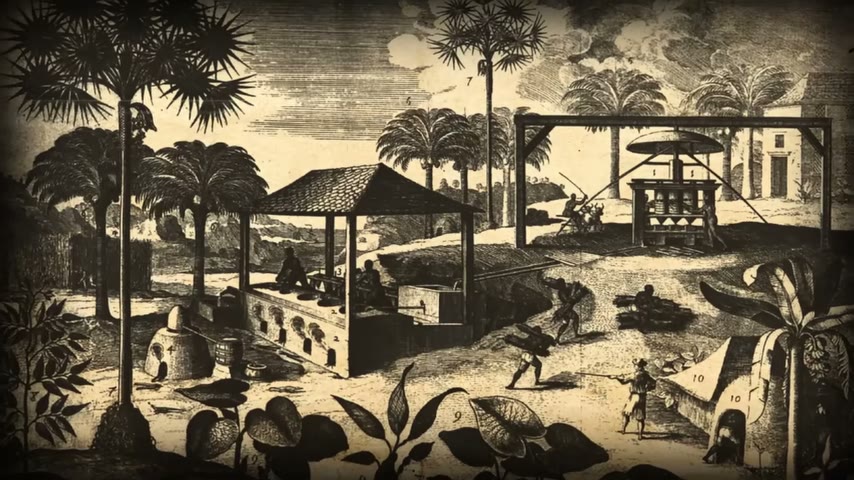
Green then insists on something older textbooks often left out: slavery was at the center of this colonial economy. The two most valuable colonial products were tobacco and sugar, and both were grown mainly by enslaved people. Enslaved Africans were themselves a major trade good in the so-called triangular trade linking Europe, Africa and the Americas. He quotes a historian’s verdict that the prosperity of free colonial British America was achieved through slave labor. The point to remember: the wealth Britain and France were fighting over was largely produced by enslaved workers.
2:09 – 2:49 Britain’s rivals in North America
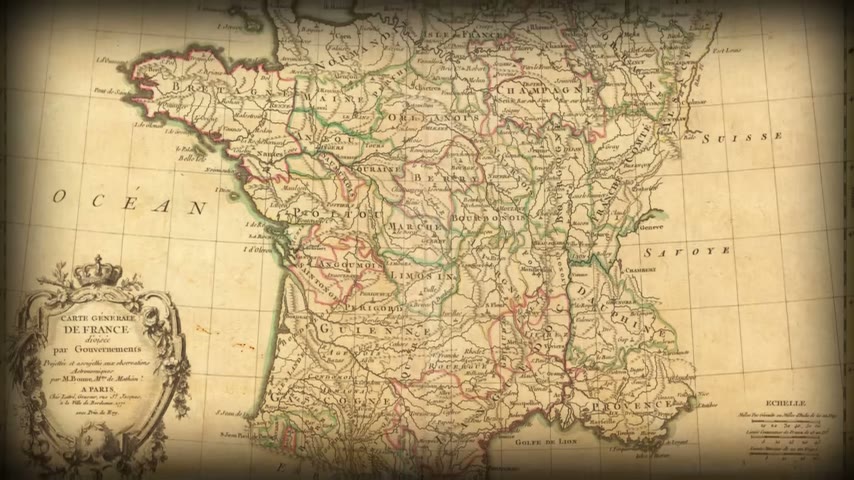
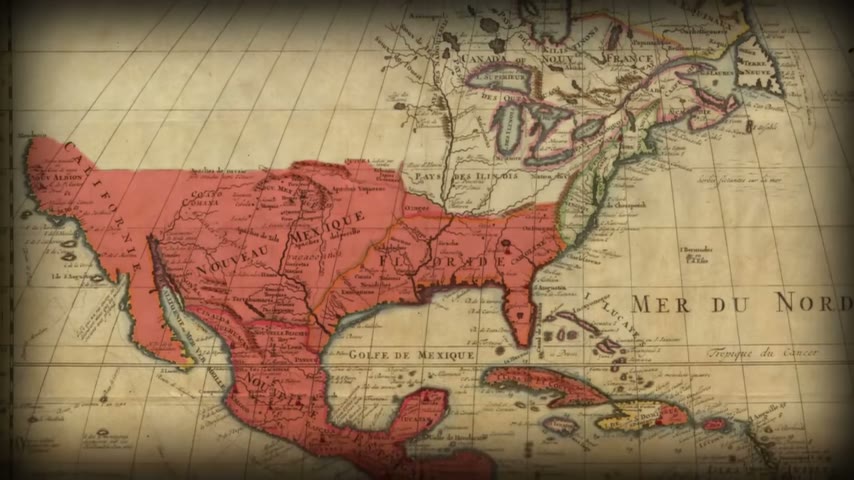
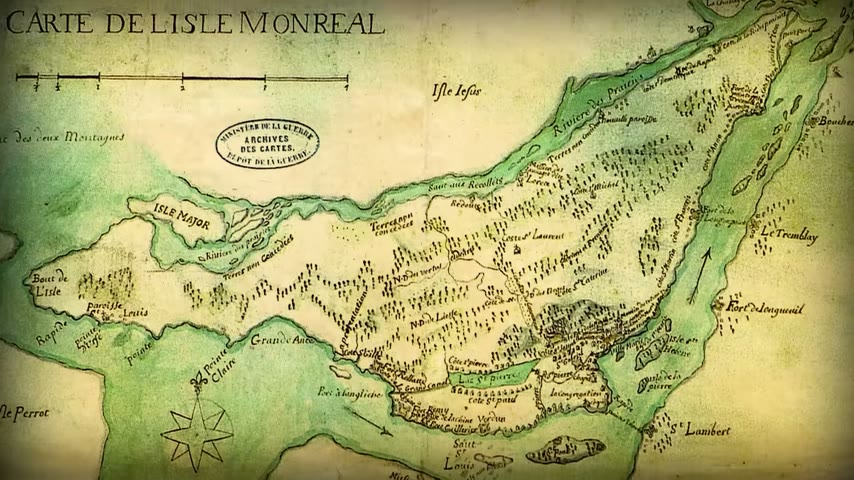
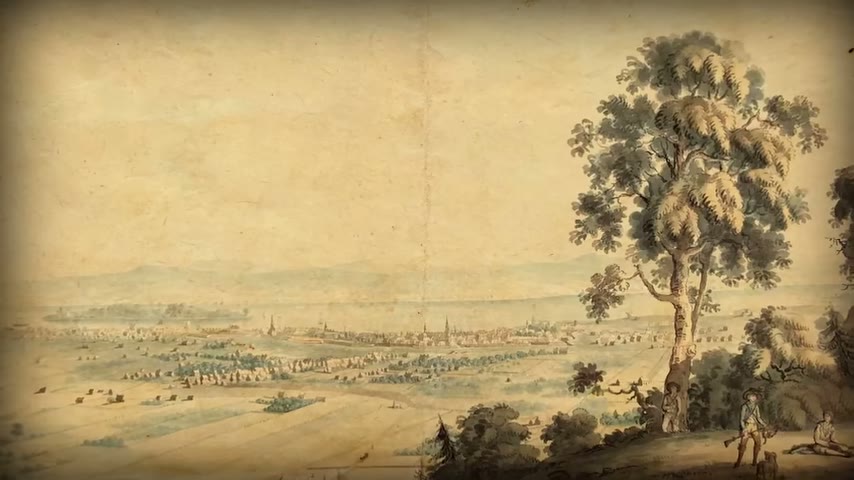
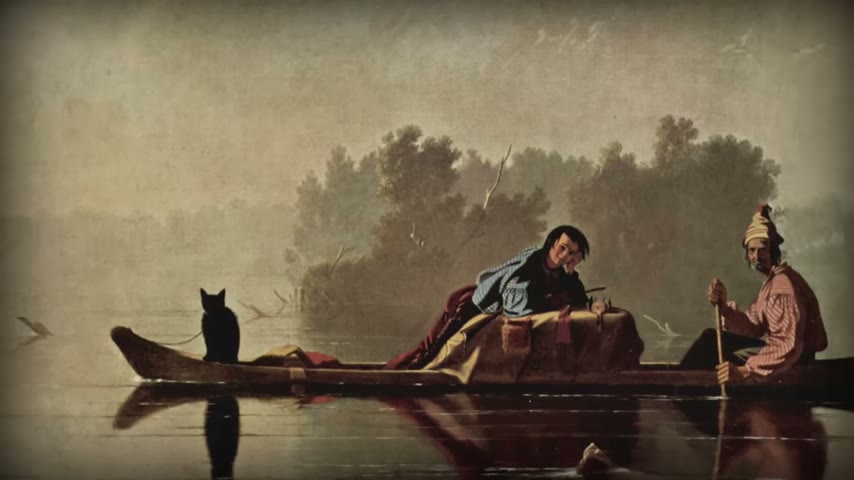
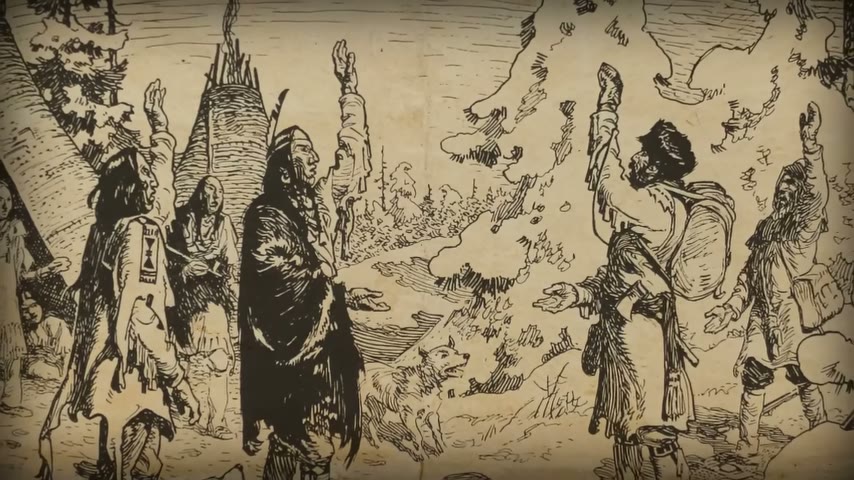
Britain’s main rival was France. Spain’s empire in North America was bigger on paper and older, but thinly settled. Green’s example: Los Angeles, the largest town in Spanish California, had about 300 people in 1800 (and, he adds, 17 freeways, which is a joke). France had more colonists than Spain in North America, but still only about 65,000 by 1750, most of them along the St. Lawrence River. For scale, the British mainland colonies had well over a million people by then, which is the imbalance behind the whole war. France made up for its small numbers with alliances: it was pushing into the Ohio and Mississippi valleys and partnering with Native nations to control the fur and deerskin trades.
2:49 – 3:26 The spark: Virginia’s Ohio Company
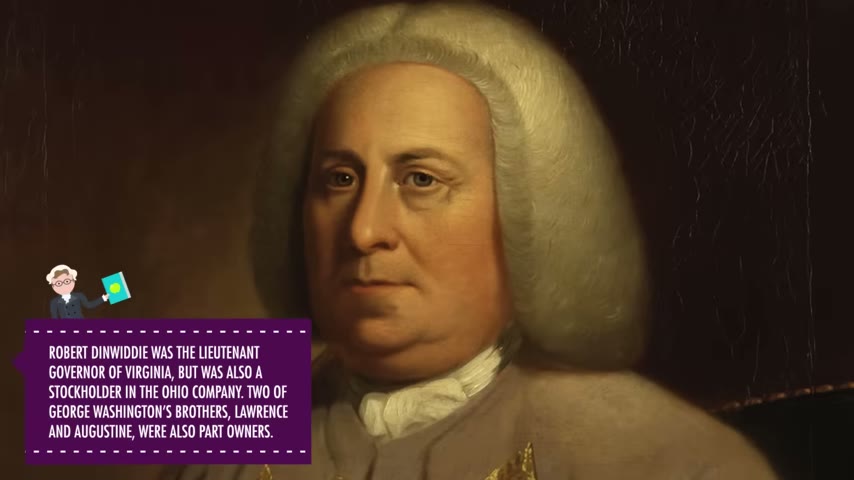
Green says wars almost never have a single cause, then calls the Seven Years War the exception (and cues the “Mongol-tage”, a running gag from Crash Course World History in which the Mongols show up whenever he says “exception”). The single cause: in 1749 Virginia granted a huge tract of land west of the mountains, about 200,000 acres, to the Ohio Company, a land-speculation firm. Green calls it a real-estate company for the governor’s friends. The French, and the Native nations who lived there, considered the Ohio Country theirs. When the company asked France to recognize its claims, France refused.
“Exception” is generous. The Ohio grant was the trigger, but the deeper causes were the ones already described: competing mercantile empires, rival claims to the interior, and the fur trade. Native nations of the Ohio valley, such as the Delaware, Shawnee and Mingo, were not just “French supporters” either; they were defending their own land against both empires.
3:26 – 4:42 Thought Bubble: the war in North America
The Thought Bubble gives the war’s outline in about a minute.
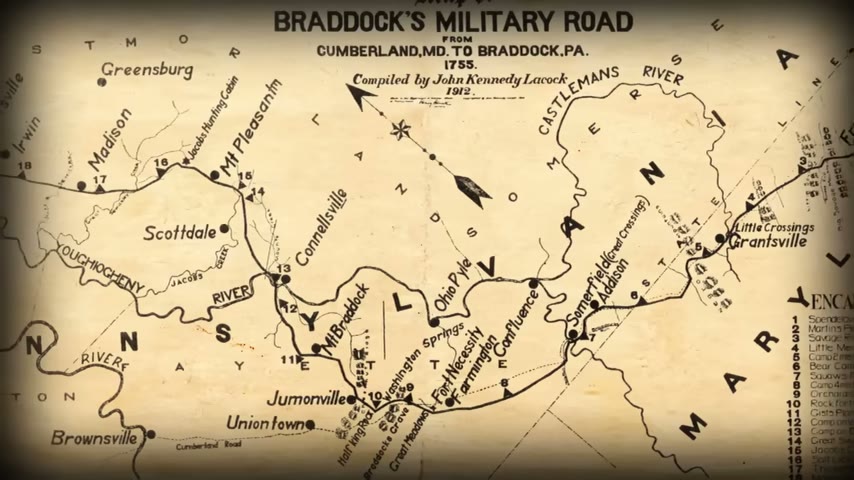
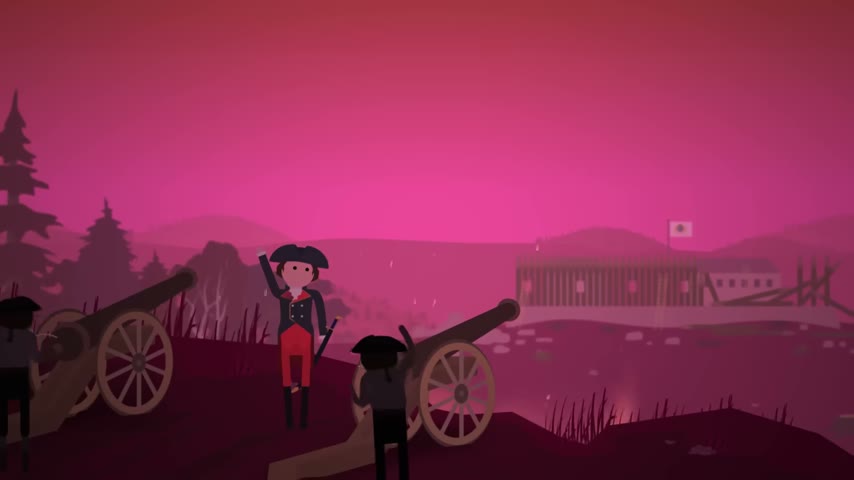
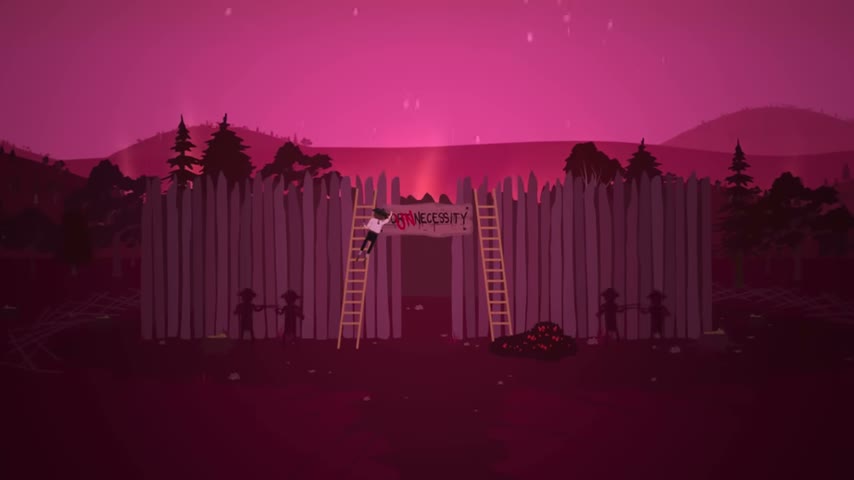
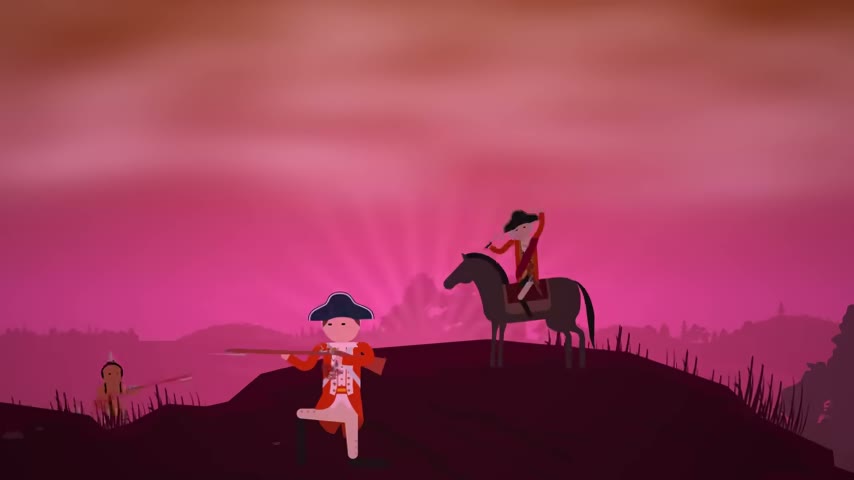
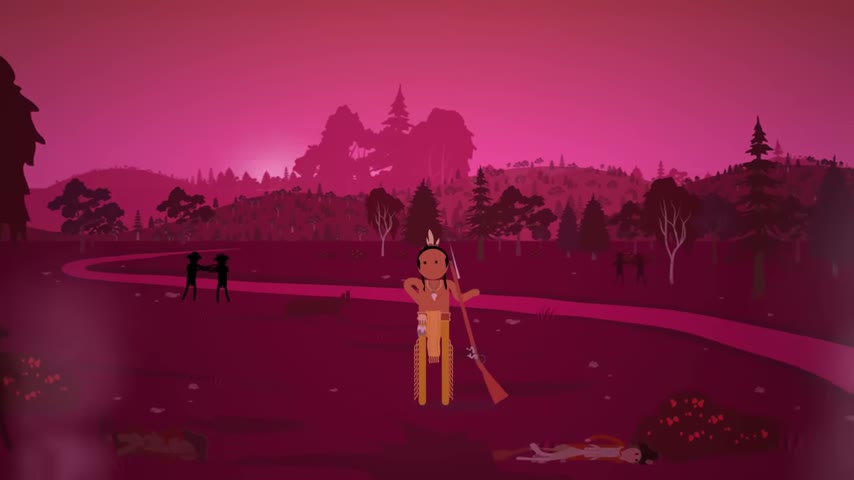
- 1754, Fort Necessity. Virginia sent militia under a young George Washington to drive the French from forts they were building in western Pennsylvania. Green calls him a 21-year-old colonel; he was 22 and a lieutenant colonel. After a skirmish with a French party, Washington built a small stockade he named Fort Necessity, was surrounded, and surrendered it in July 1754, having lost about a third of his men.
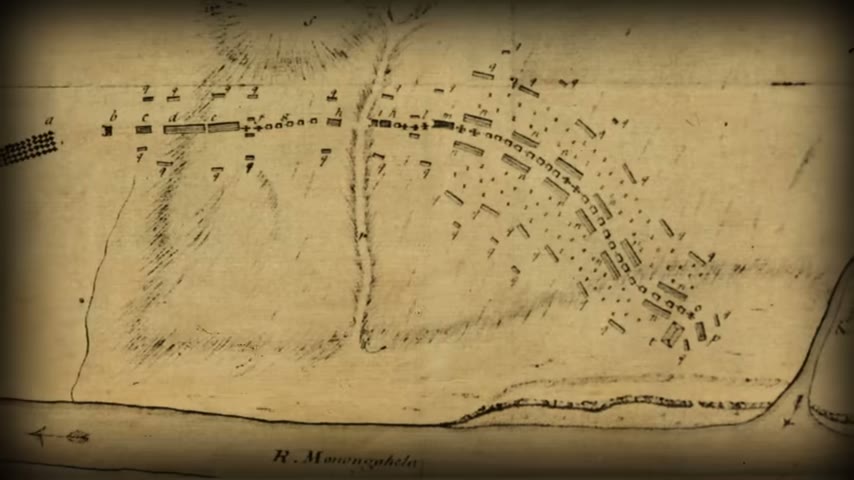
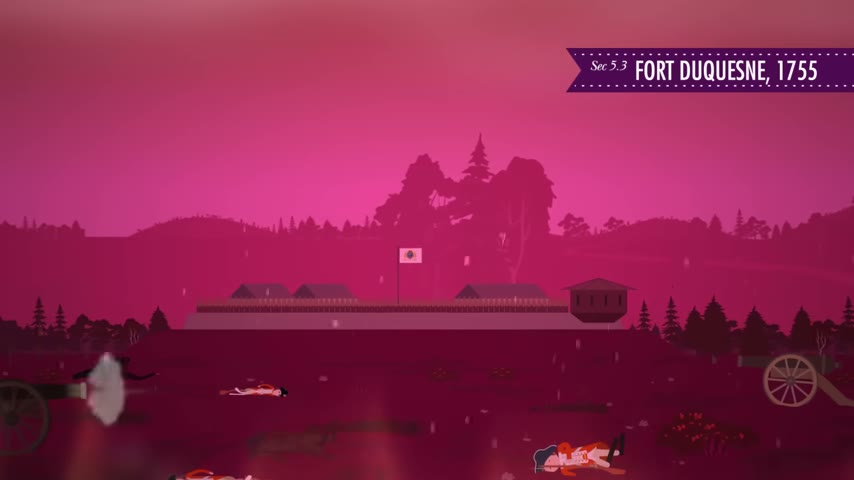
- 1755, Fort Duquesne. General Edward Braddock led British regulars and colonial troops against Fort Duquesne, at the Forks of the Ohio where Pittsburgh now stands. The French and their Native allies ambushed them near the Monongahela River. About two-thirds of Braddock’s force were killed or wounded, and Braddock was mortally wounded. Washington served on his staff and survived.
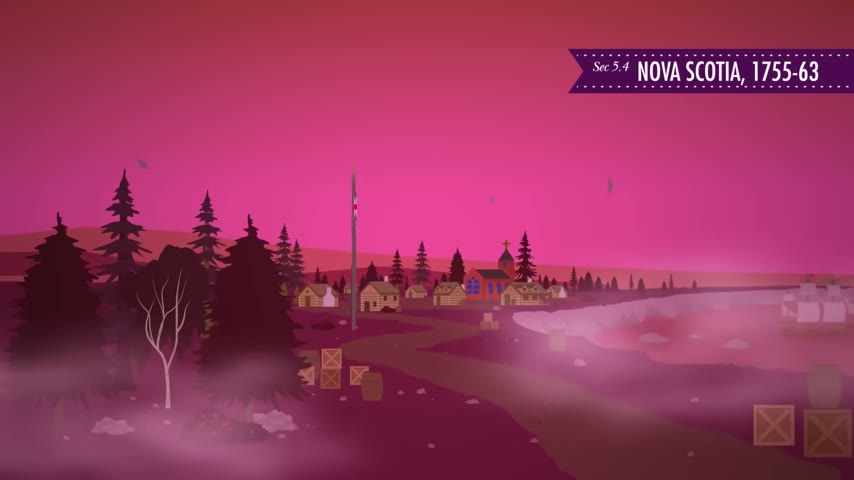
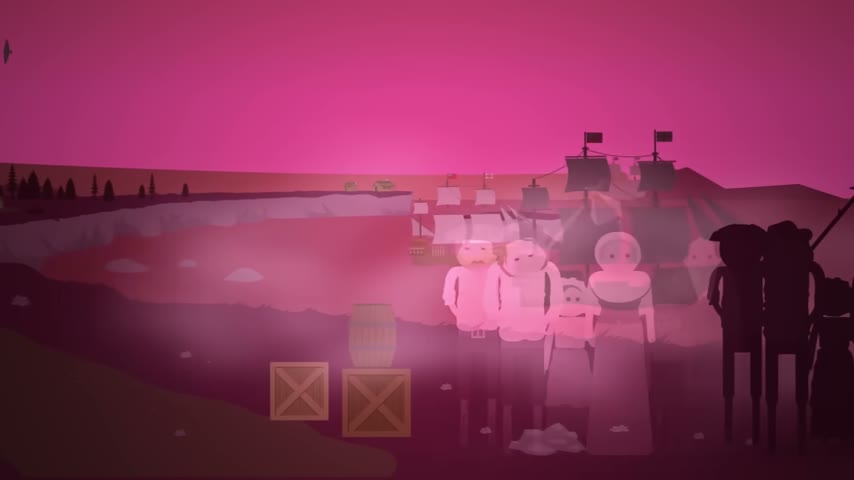
- 1755 onward, Acadia. The British took control of Nova Scotia and deported more than 11,000 French-speaking Acadians, many of whom died. Some later reached Louisiana, where their descendants became the Cajuns.
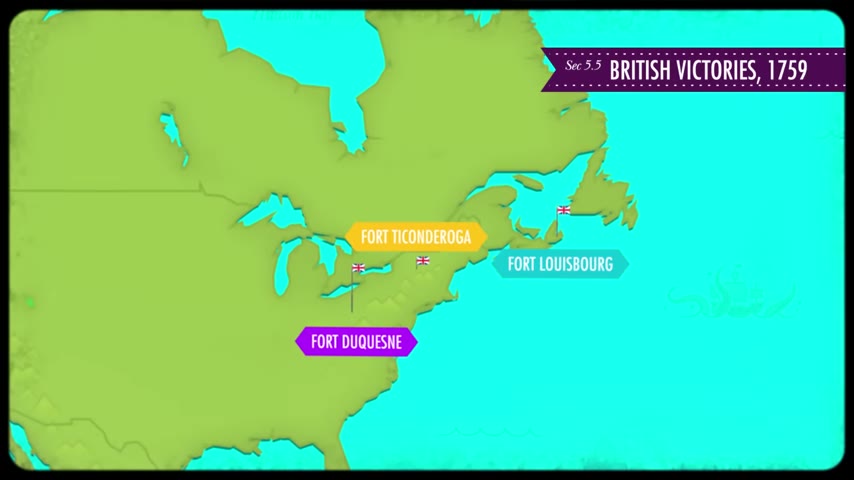
- The turn, 1758–59. Green puts the captures of Fort Duquesne, Ticonderoga and Louisbourg all in 1759. More precisely, Louisbourg fell in July 1758 and the French abandoned and burned Duquesne in November 1758 (the British rebuilt it as Fort Pitt). Ticonderoga fell in 1759. The decisive battle came in September 1759 on the Plains of Abraham outside Quebec, where both commanders, Wolfe and Montcalm, were killed. Montreal surrendered in 1760.
- A global war. Britain also won in the Caribbean, in Europe through its ally Prussia, and in India. Fighting went on officially until the Treaty of Paris in 1763.
Green waves off the remaining battles, saying they matter mainly to the people fighting in them. For exam purposes, the sequence above (early British defeats, the turn in 1758–59, Quebec, Montreal, peace in 1763) is what to know.
4:42 – 5:34 The peace of 1763, and who really lost
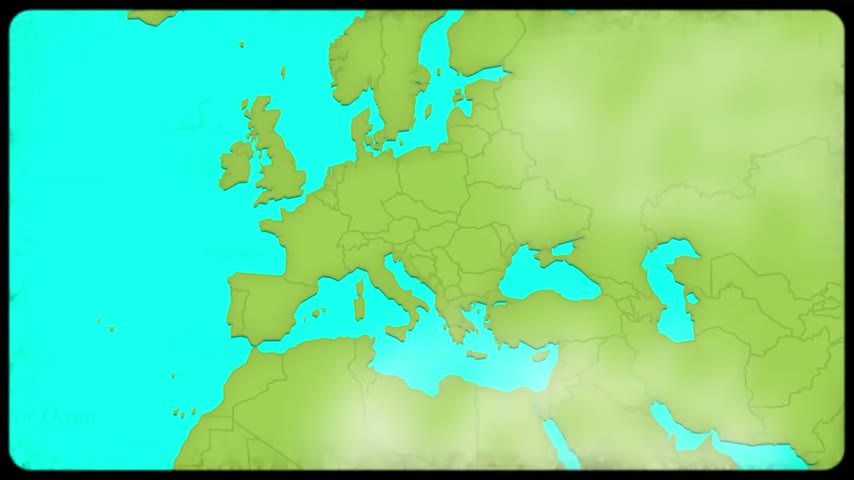
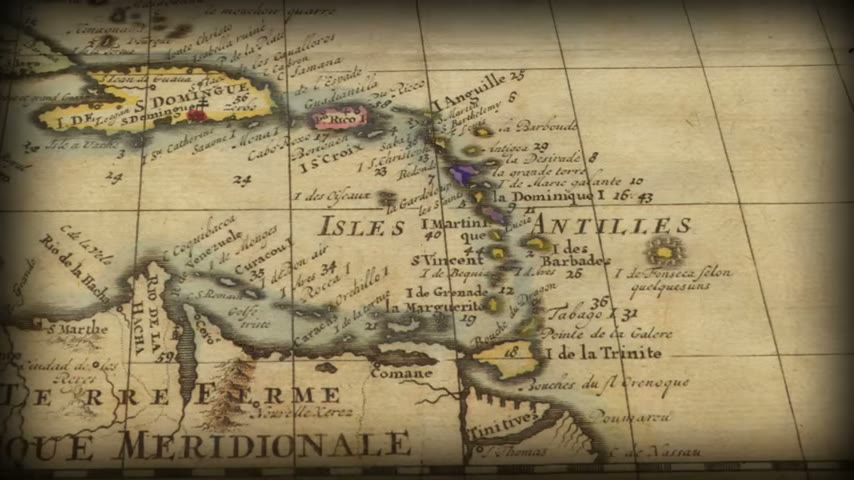
The most visible result of the Treaty (or Peace) of Paris in 1763 was a reshuffling of colonies. Britain won the war but, Green argues, arguably got the smaller prize. Britain took Canada from France and Florida from Spain. France kept Guadeloupe and Martinique, Caribbean sugar islands worth more in trade at the time than all of Canada. Spain kept Cuba and the Philippines.
Two clarifications make this make sense. First, Spain did not “get” Cuba and the Philippines as new prizes; the British had captured Havana and Manila in 1762, and Spain traded Florida to get them back. Second, France also gave Louisiana west of the Mississippi, including New Orleans, to its ally Spain, and ceded everything east of the Mississippi to Britain. The net result was that France’s empire on the North American mainland was gone. Green’s sugar jokes (“Canada, grow some sugar”) and his line that Florida had yellow fever instead of Disney World make the same point: 18th-century value was measured in sugar.
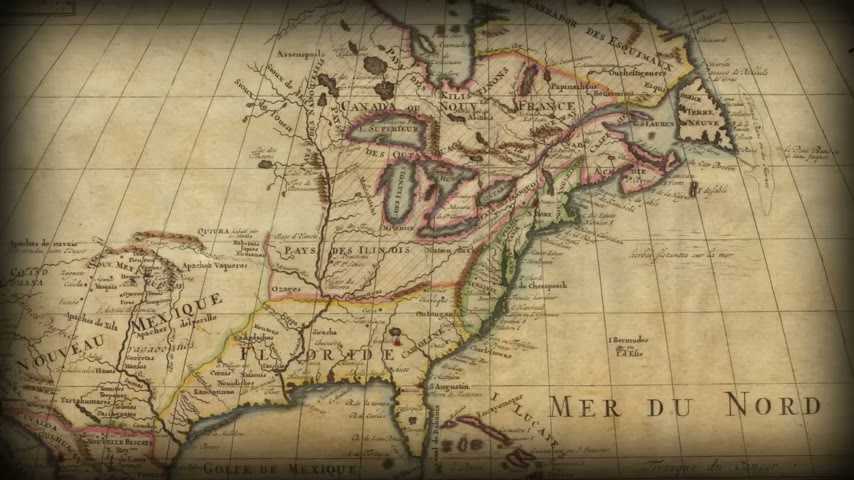
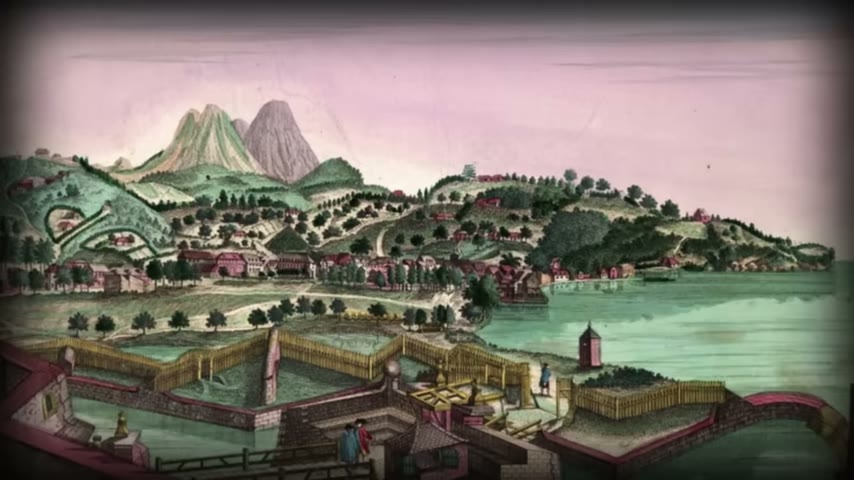

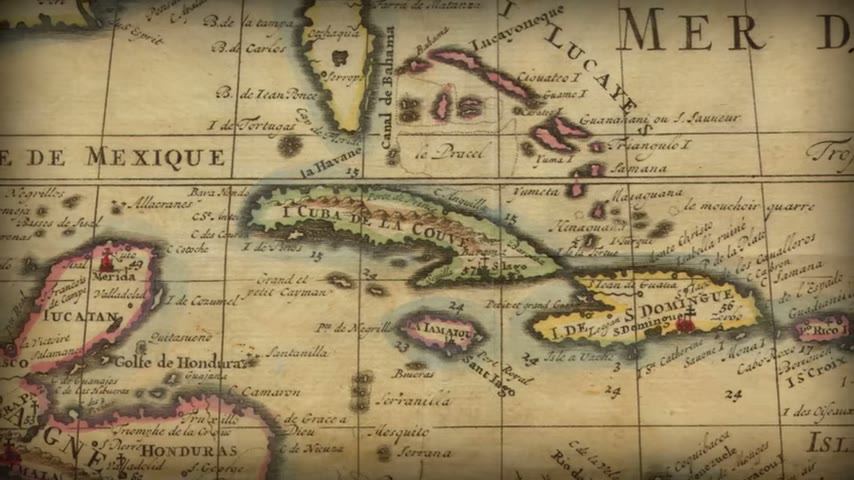
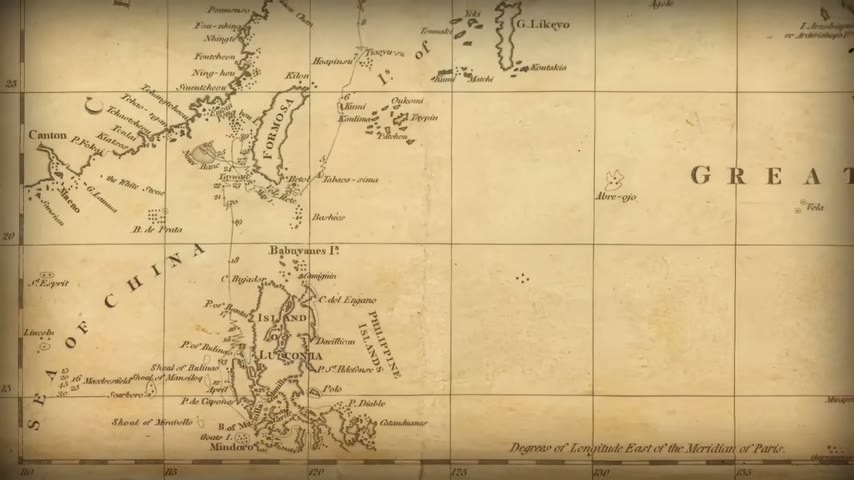

Then the most important point of the first half: the real losers were Native Americans. While France held the interior, Native nations could play the two empires off against each other for trade and gifts. With France gone from the Ohio and Mississippi valleys, they faced only the British, who gave fewer gifts and whose settlers wanted the land. As settlers moved west, Native nations decided to fight.
5:34 – 6:57 Mystery Document: frontier settlers petition against Native neighbors
The usual game: Green reads a primary source and guesses its author, or gets shocked. This one is a petition. The writers say it is dangerous to let any Native people live inside the settled parts of the province during an Indian war, call all of them “perfidious”, accuse friendly Native people of spying and supplying enemies, and blame them for the frontier raids. They ask the government to fix this “grievance”.

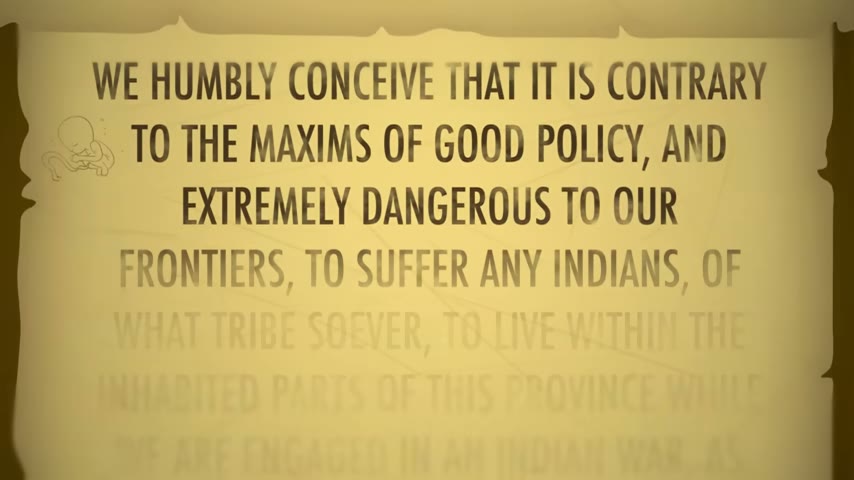
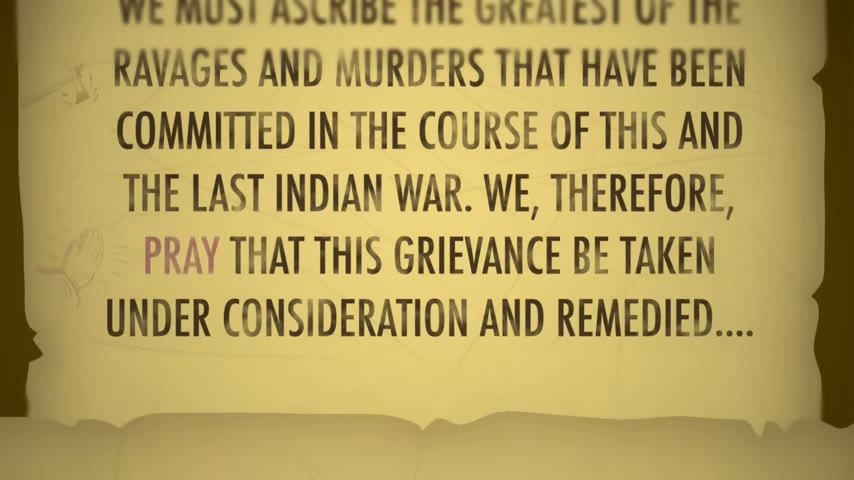
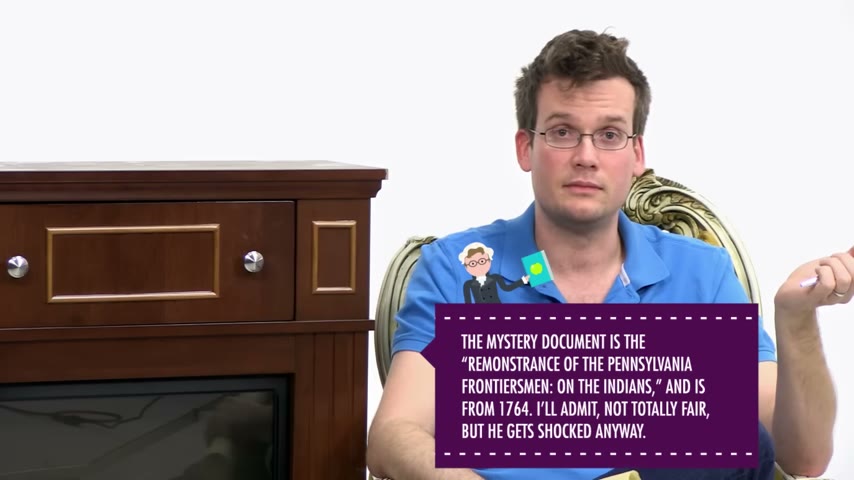
Green reasons well. The author is clearly not Native, and the “we” suggests a group rather than one person. Then he gives up, gets shocked, and protests that the author has to be an individual. Under the show’s rules he loses twice, but his reasoning was right: the on-screen answer is the Remonstrance of the Pennsylvania Frontiersmen of 1764, a group document, and the note admits the shock was “not totally fair”.
The context is worth knowing, because it shows how ugly frontier politics became. The petition came from the Paxton Boys, settlers from the Pennsylvania backcountry. In December 1763 they murdered about twenty Conestoga people, peaceful Native neighbors who lived under the colony’s protection. In early 1764 they marched on Philadelphia, threatening Native converts sheltered there, and were talked into going home by a delegation that included Benjamin Franklin. The Remonstrance listed their complaints: Native people living among colonists, and too little frontier representation in the colony’s assembly.
6:57 – 7:41 Pontiac’s War and the Proclamation Line
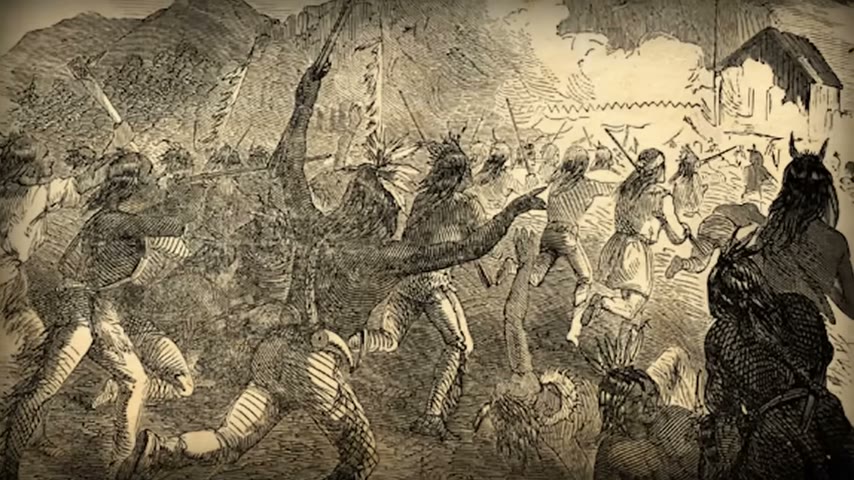
In 1763 Native nations of the Great Lakes and Ohio country rose against the British in what is called Pontiac’s Rebellion or Pontiac’s War, after the Ottawa leader Pontiac. Green names the Ottawa and Delaware; Seneca, Shawnee and other nations also joined. They captured several British forts, besieged Detroit and killed hundreds of settlers, but could not drive the British out. A religious message helped unite them: the Delaware prophet Neolin urged Native peoples to reject European goods and ways.
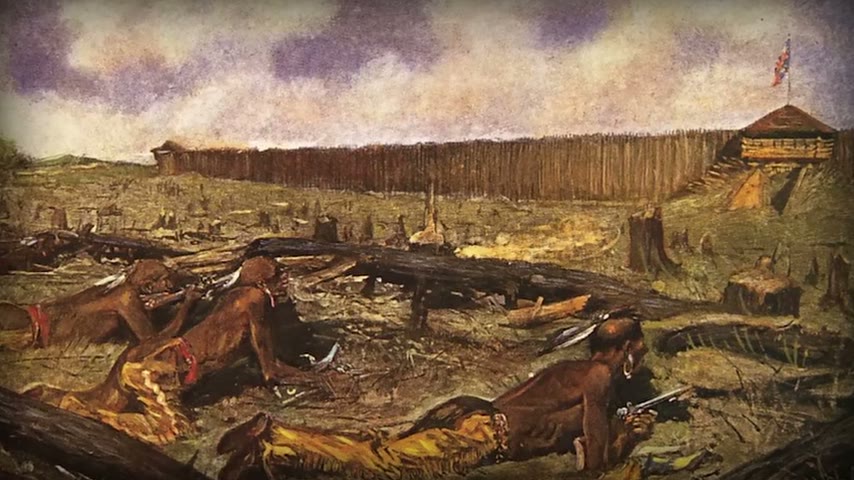
The uprising convinced the British that they had to slow settlement to avoid more wars. Green says Parliament issued the Proclamation Line of 1763; strictly, it was a royal proclamation issued by King George III in October 1763. It barred colonial settlement west of the Appalachian Mountains and reserved that land for Native peoples. Green’s irony is the key point: many colonists had just fought a war in order to move into exactly that land. Settlers ignored the line and kept going.
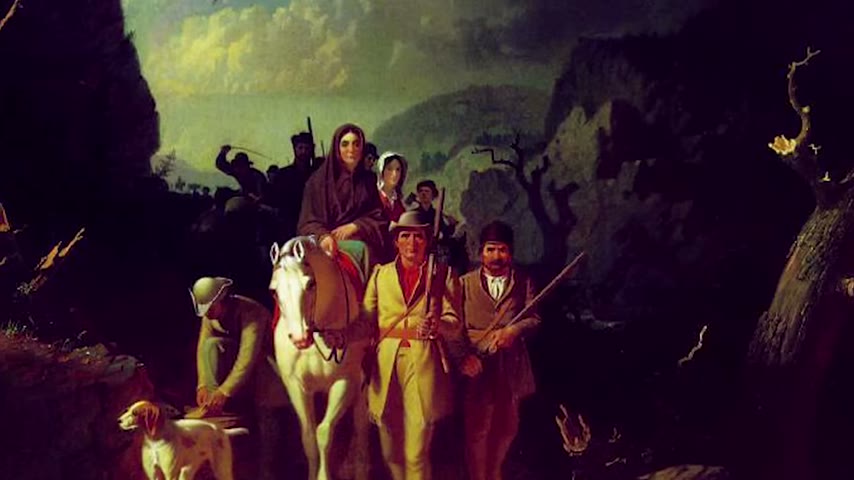
7:41 – 8:37 New political ideas: republicanism and liberalism
The war’s other big result, Green says, was setting up the Revolution, and colonists ignoring the Proclamation Line is a first sign of it. (Episode 6 covers the tax disputes in detail.) Around the same time, two sets of ideas were spreading in the colonies.
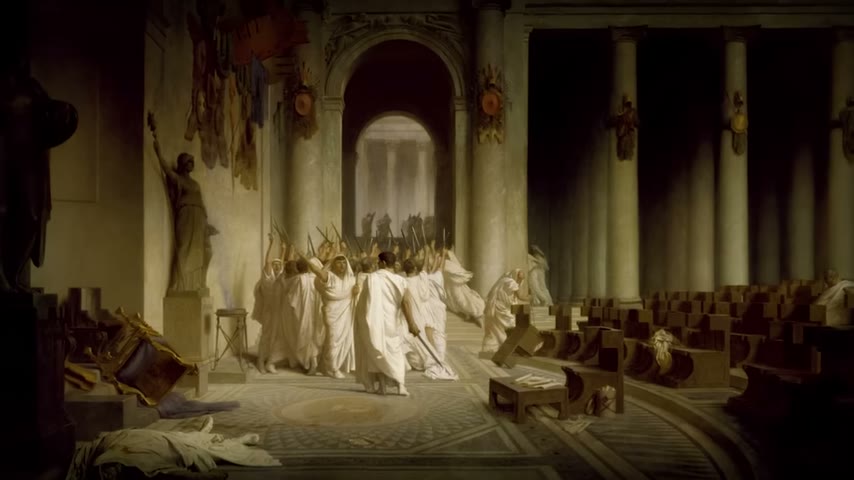
Republicanism first meant government without a king. In America the word took on a wider meaning, and it was not democratic: only property owners were thought to have virtue, which in the 18th-century sense meant putting the public good ahead of private interest rather than simply being a good person. The model was the ancient Roman republic, which is why the episode cuts to Caesar’s assassination (Green says the colonists wanted Rome “without Caesar stabbing and togas”, then gets dressed in a toga anyway).
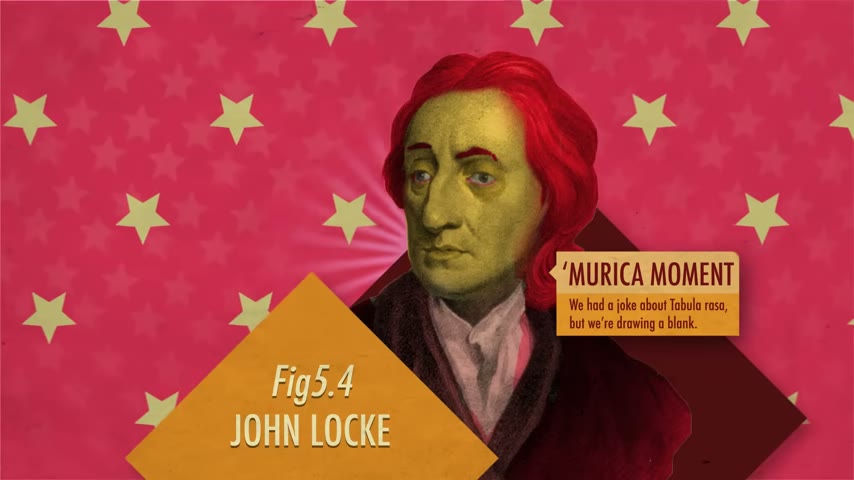
The second set of ideas was liberalism in the 18th-century sense, now called classical liberalism. For liberals the main job of government was to protect people’s natural rights, which John Locke listed as life, liberty and property (his own wording was “life, liberty and estate”, in his Two Treatises of Government of 1689). Locke saw government as the result of a social contract: individuals give up some freedom in exchange for a government that protects their rights. The implication, which colonists would use later, is that a government that fails to protect those rights has broken the contract. Both ideas undercut the traditional view that authority simply came from above, from king and church.
8:37 – 9:45 The Great Awakening
The third force undermining authority was religious. Green jokes that in the Great Awakening Americans “awakened” from being very religious to being super religious. He says it took place in the early decades of the 18th century; the peak is usually dated to the late 1730s and 1740s. It was a revival of intense religious feeling, spread by revival meetings and by the growth of new denominations.
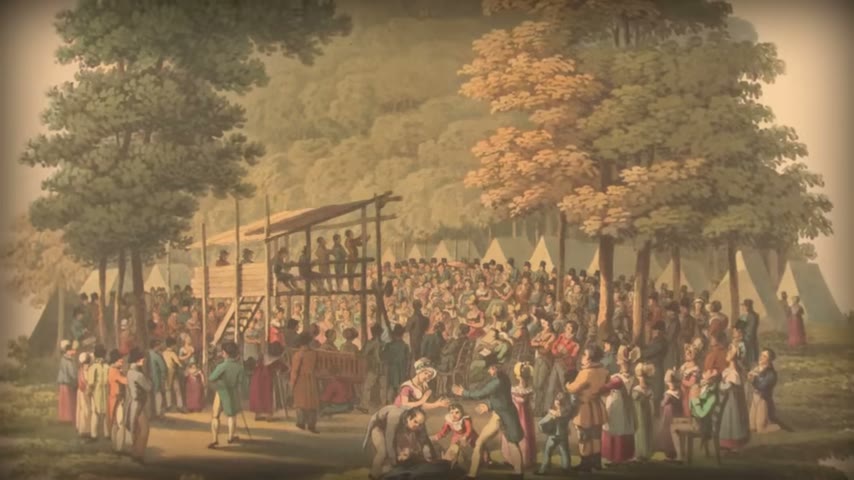
Green says that early in the 17th century most English colonists were Anglicans, “unless you count the Catholics running Maryland”. That leaves out New England, where the Puritans had set up Congregational churches (episode 2). By the 18th century the colonies also had growing numbers of Presbyterians, Baptists and Methodists. A small timing note: Methodism was still a movement inside the Church of England during the Great Awakening, and the American Methodist church was not formally organized until 1784.
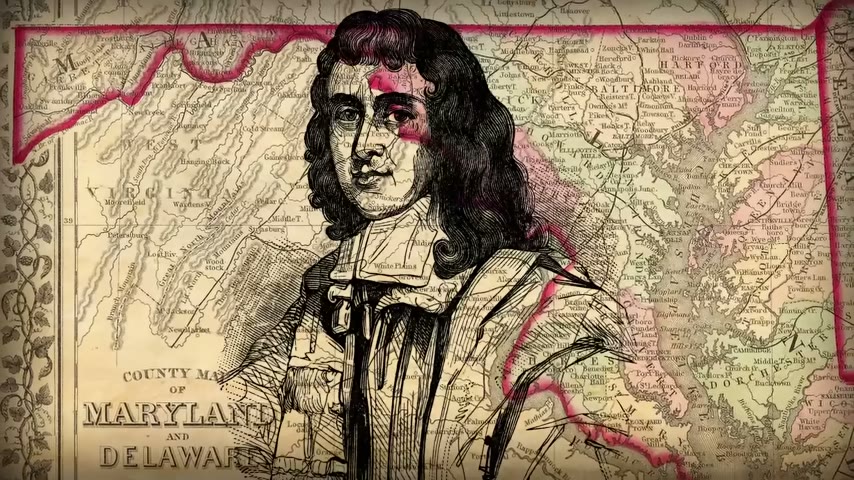
The established Congregational churches split. Green calls the traditional side “Old Line”; historians call them Old Lights, against the revival-minded New Lights. Green says the New Lights put less emphasis on predestination and more on each person’s experience of salvation, or being “born again”. The second half is right. The first needs a caveat: the leading revivalists, Jonathan Edwards and George Whitefield, were Calvinists who still believed in predestination. What changed was the emphasis on a felt, emotional conversion that ordinary people could recognize in themselves.
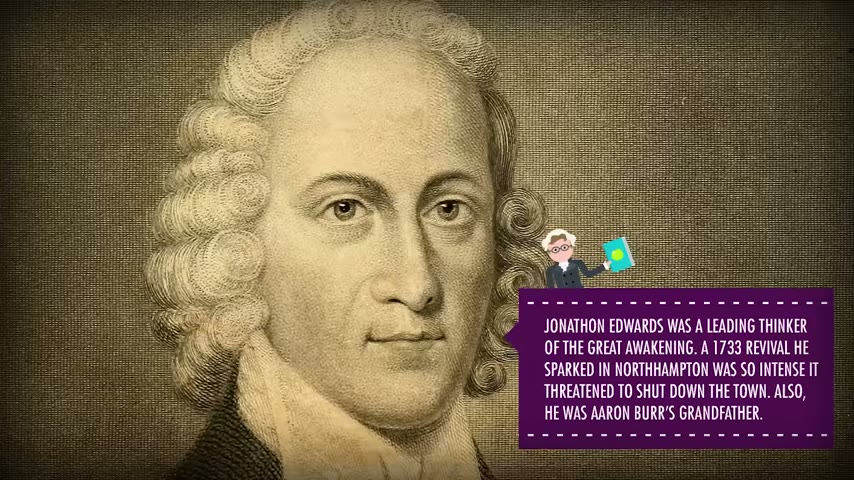
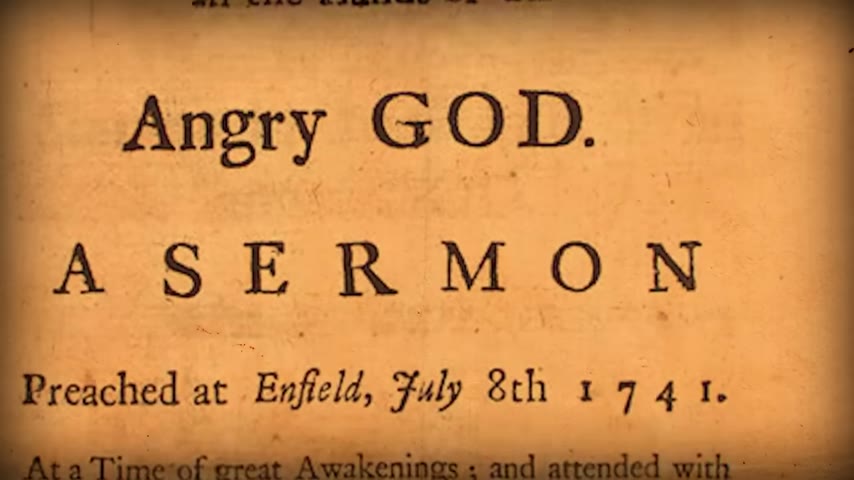
Religion in the colonies became much more emotional, especially after the English preacher George Whitefield toured the colonies from 1739 to 1741. His message was that people need only repent to escape damnation and be saved, and that salvation was a matter for each individual. He preached outdoors to enormous crowds, often outside the established churches, which was itself a challenge to local ministers.
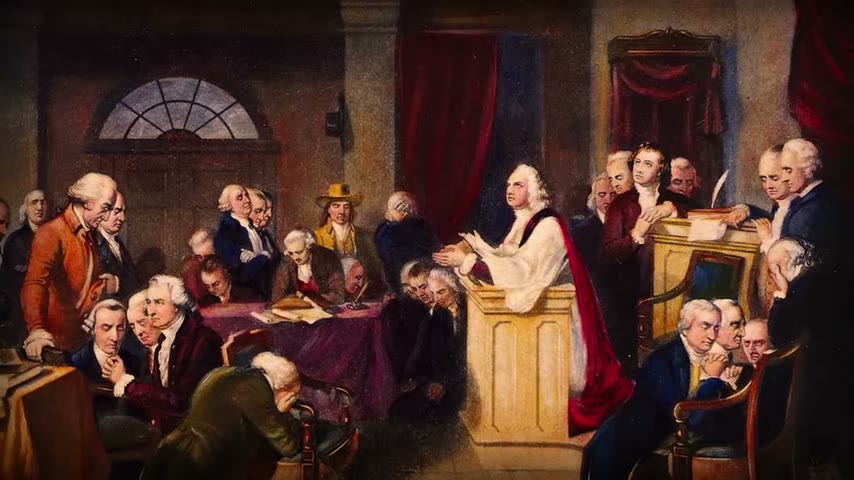
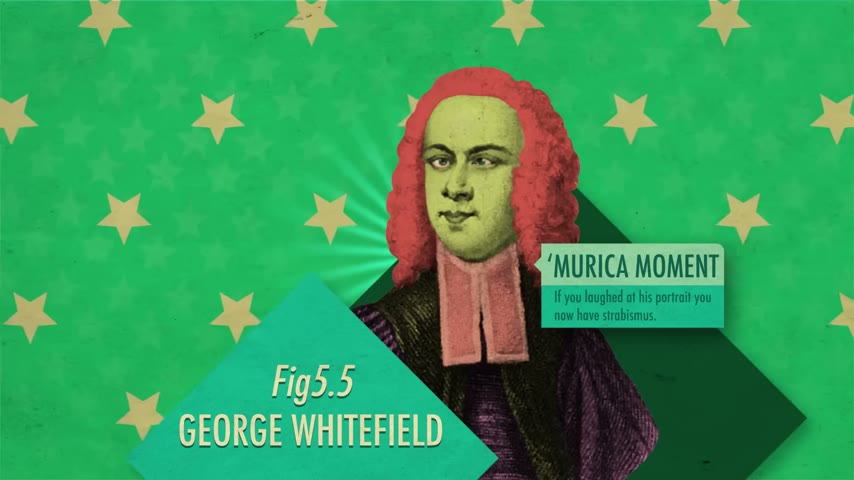
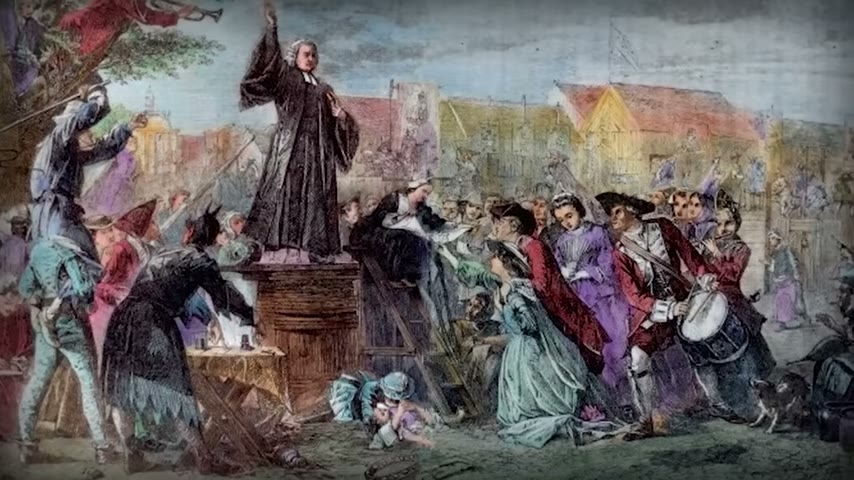
Green adds that the rise in religious fervor was not only American or only Christian. His example is Wahhabism, the Islamic reform movement still closely linked to Saudi Arabia, which began in Arabia around the same time; its founder, Muhammad ibn Abd al-Wahhab, allied with the Saud family in 1744. The comparison is a reminder that the Great Awakening was part of a wider 18th-century pattern of revival movements.
9:45 – 10:09 Why it all leads to revolution
Green pulls the episode together. One key to the Revolution was that colonists stopped deferring to authority, fed by three things: economics, political ideas that questioned rule from far away, and religious revivals that criticized church hierarchies and other parts of colonial society. If people were willing to challenge their own ministers, he asks, why would they defer to a Parliament across an ocean? A fair caution: this is a big-picture argument about attitudes, not a direct cause. Many revivalists were loyal subjects, and the immediate fights of the 1760s were about taxes and the cost of this very war, which episode 6 takes up.
Skip list
- 0:23 – 0:32 Theme music.
- 2:58 – 3:06 The “Mongol-tage” gag.
- 6:46 – 6:57 Green getting shocked, twice.
- 8:13 – 8:16 The toga joke.
- 10:09 – 10:39 Credits and subscribe screen.
Key terms
- Seven Years War / French and Indian War — the 1754–1763 conflict between Britain and France (with their allies) in North America, Europe, the Caribbean and India.
- Mercantilism — the theory that a government should regulate trade to build national power and a favorable balance of trade, with colonies supplying raw materials and buying finished goods.
- Triangular trade — the Atlantic trade linking Europe, Africa and the Americas, including the trade in enslaved Africans.
- Ohio Company — a Virginia land-speculation company granted land in the Ohio Country in 1749; its claims helped start the war.
- Fort Necessity (1754) — the stockade where George Washington’s Virginia troops surrendered to the French in the war’s first campaign.
- Acadian Expulsion — the British deportation of more than 11,000 French Acadians from Nova Scotia from 1755; some later became Louisiana’s Cajuns.
- Plains of Abraham (1759) — the battle outside Quebec that decided the war in North America.
- Treaty of Paris (1763) — the peace that ended the war; France lost its mainland North American empire.
- Paxton Boys — Pennsylvania frontier settlers who killed Conestoga people in 1763 and marched on Philadelphia in 1764; authors of the episode’s Mystery Document.
- Pontiac’s War (1763) — the uprising of Great Lakes and Ohio valley Native nations against British rule after the war.
- Proclamation Line of 1763 — the royal ban on colonial settlement west of the Appalachian Mountains.
- Republicanism — the belief in government without a king, resting on the civic “virtue” of property-owning citizens.
- Classical liberalism — the belief that government exists to protect natural rights, based on a social contract.
- Natural rights — in Locke’s formula, life, liberty and property.
- Social contract — the idea that people give up some freedom to a government in return for protection of their rights.
- Great Awakening — the religious revival of the 1730s and 1740s, led by preachers such as George Whitefield and Jonathan Edwards.
- Old Lights / New Lights — traditional ministers versus revival-supporting ministers in the churches split by the Great Awakening.
Review questions
- Why does the same war have different names in the United States, Prussia and Sweden, and why does Green joke that the Seven Years War lasted nine years?
- How did mercantilism encourage competition for land between empires?
- What role did slavery play in the colonial economy that Britain and France were fighting over?
- Why was France, with far fewer colonists, still a serious rival to Britain in North America?
- How did the Ohio Company’s land grant lead to fighting in 1754?
- What were the main turning points of the war in North America?
- Why does Green argue that Britain got “the short end of the territorial stick” in 1763?
- Why were Native Americans the real losers of the war?
- What does the Mystery Document reveal about relations between frontier settlers and Native peoples, and how can you tell it was written by a group?
- Why did the British issue the Proclamation Line of 1763, and why did colonists ignore it?
- How did republican “virtue” and Lockean natural rights challenge traditional political authority?
- What was new about the Great Awakening, and how might it have made colonists more willing to question Parliament?
FAQ
Why is the Seven Years War called the French and Indian War in the US?
Because in North America the British and their colonists fought the French together with the French's Native American allies. The name describes the enemy, not the allies: many Native nations fought on both sides, and the Iroquois Confederacy mostly tried to stay neutral until late in the war. In Europe the same conflict had other names, such as the Third Silesian War in Prussia and the Pomeranian War in Sweden.
How long did the Seven Years War actually last?
The name counts the years of the official war in Europe, 1756 to 1763. In North America the fighting began earlier, in 1754, when George Washington's Virginia troops clashed with the French in the Ohio Country, so the North American war ran for about nine years. That is the source of John Green's joke that the Seven Years War lasted nine years.
What did the Treaty of Paris of 1763 decide?
France gave up Canada and its land east of the Mississippi to Britain, and had already passed Louisiana west of the Mississippi to Spain. Spain gave Florida to Britain in exchange for getting back Havana and Manila, which the British had captured in 1762. France kept its valuable Caribbean sugar islands, Guadeloupe and Martinique. France's North American empire was essentially over.
What was the Proclamation of 1763, and why did colonists ignore it?
It was a royal proclamation issued by King George III in October 1763, after the Native uprising known as Pontiac's War. It drew a line along the Appalachian Mountains and reserved the land beyond it for Native peoples, closing it to colonial settlement. Many colonists had fought the war precisely to open that land, and land companies had claims there, so settlers kept moving west anyway. The episode treats this as an early sign of colonists disregarding British authority.
How is the Great Awakening connected to the American Revolution?
The Great Awakening, mainly in the 1730s and 1740s, was a wave of emotional revival preaching led by figures such as George Whitefield and Jonathan Edwards. It split congregations, encouraged ordinary people to judge their ministers, and stressed each person's own experience of salvation. The episode's argument is that once colonists were used to questioning religious authority, questioning a Parliament an ocean away came more easily. It was one cause among several, alongside economics and new political ideas.
Studying another course? Paste its YouTube or Bilibili link on the home page to request a handout — or make your own with the desktop app (coming soon).